Responsibly Farmed Black Tiger Shrimp
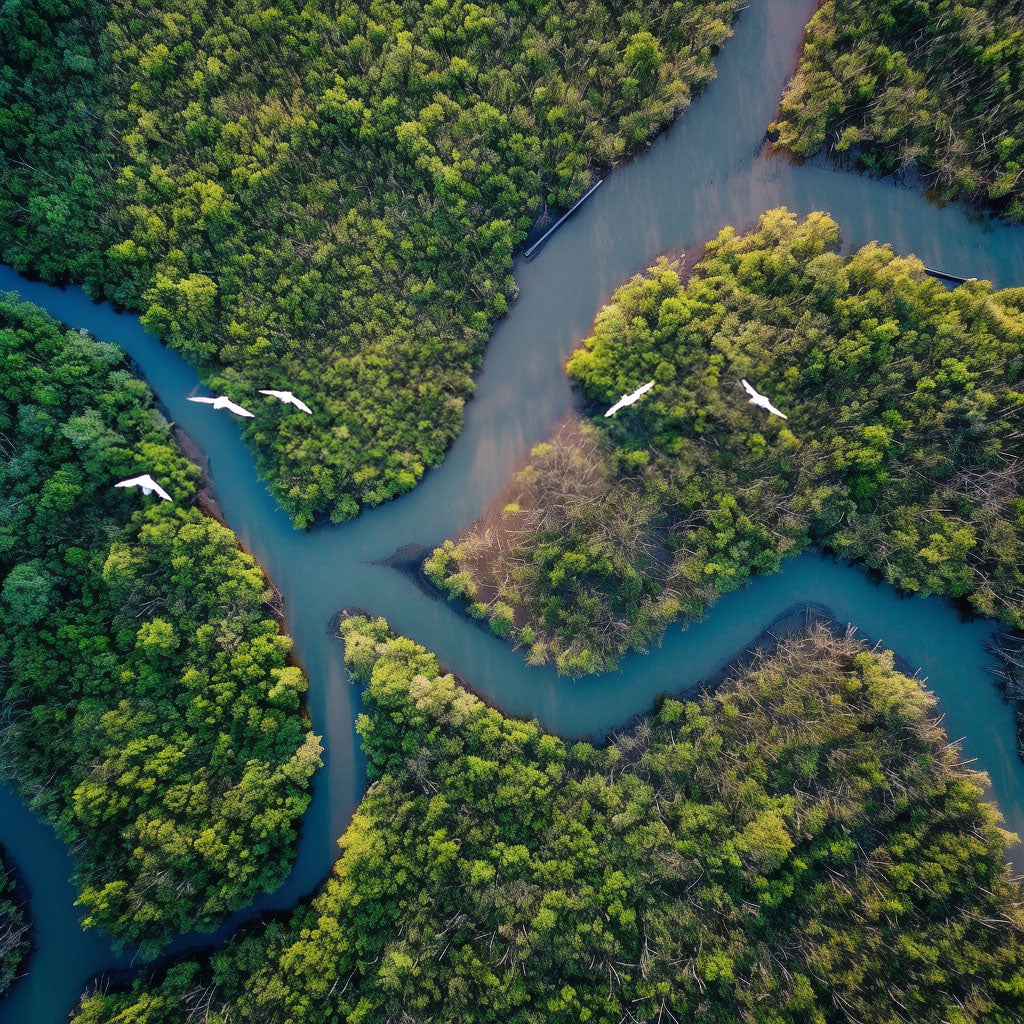
In the tidal mangrove corridors of Tarakan, North Kalimantan, a new generation of smallholder farmers is restoring one of Indonesia’s most vibrant estuarine ecosystems with the support of Seatopia, under the leadership of our import partner Haven.
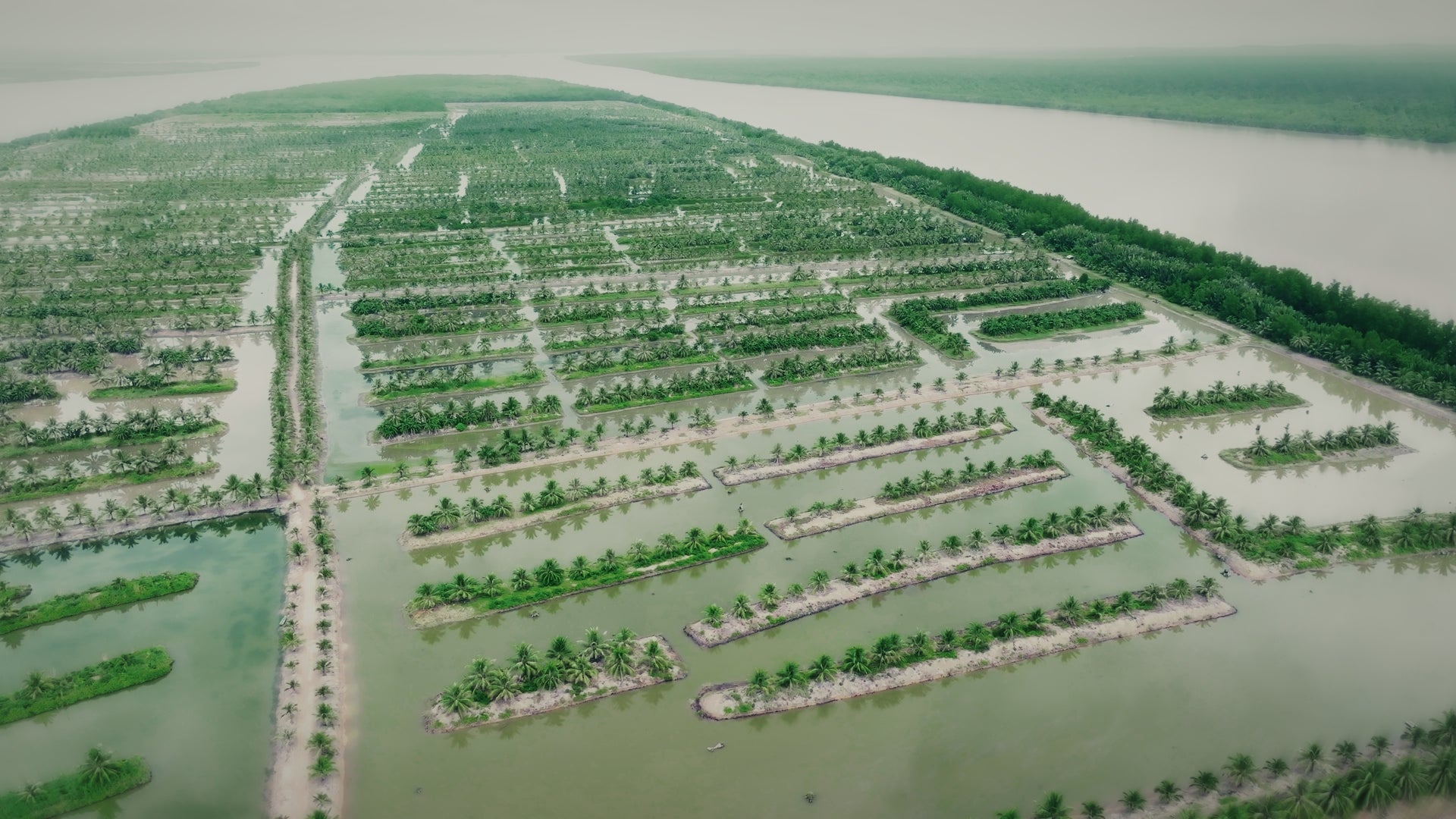
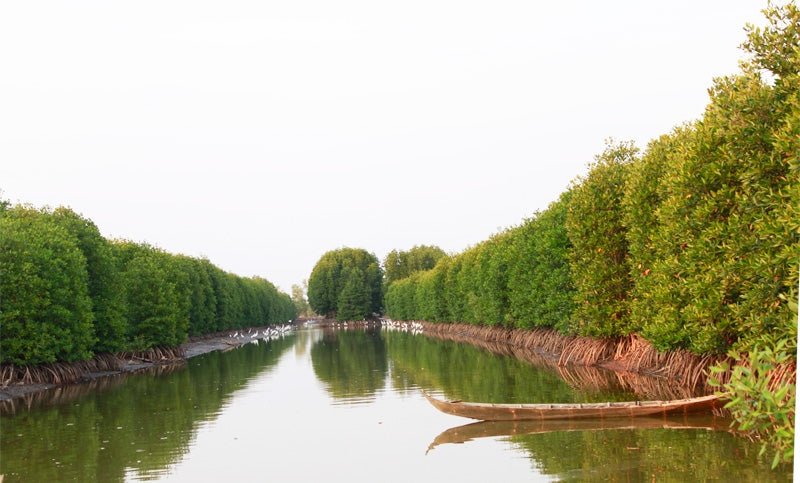
Here, extensive ponds woven through acres of living mangrove forest create a naturally balanced habitat where Black Tiger Shrimp thrive on tidal flow, rich detritus, and the biodiversity that mangroves nurture.
These forests act as natural filtration systems, oxygenating the water, stabilizing pond banks, and supporting abundant microfauna like polychaetes and copepods that form the shrimp’s primary diet. Seatopia partners directly with this mangrove-integrated farming community, where generations of aquaculture tradition now align with a regenerative vision for clean water, carbon drawdown, and coastal resilience.
For every pound of Shrimp, a new mangrove tree is born
For every pound of Tarakan Black Tiger Shrimp you enjoy, Seatopia funds the planting of one new mangrove tree in North Kalimantan. This effort directly supports the restoration of abandoned pond areas, helping rebuild coastal resilience, expand habitat for native species, and strengthen the self-sustaining ecosystem that makes this shrimp so naturally clean and flavorful.
Raised by caring farmers for your family
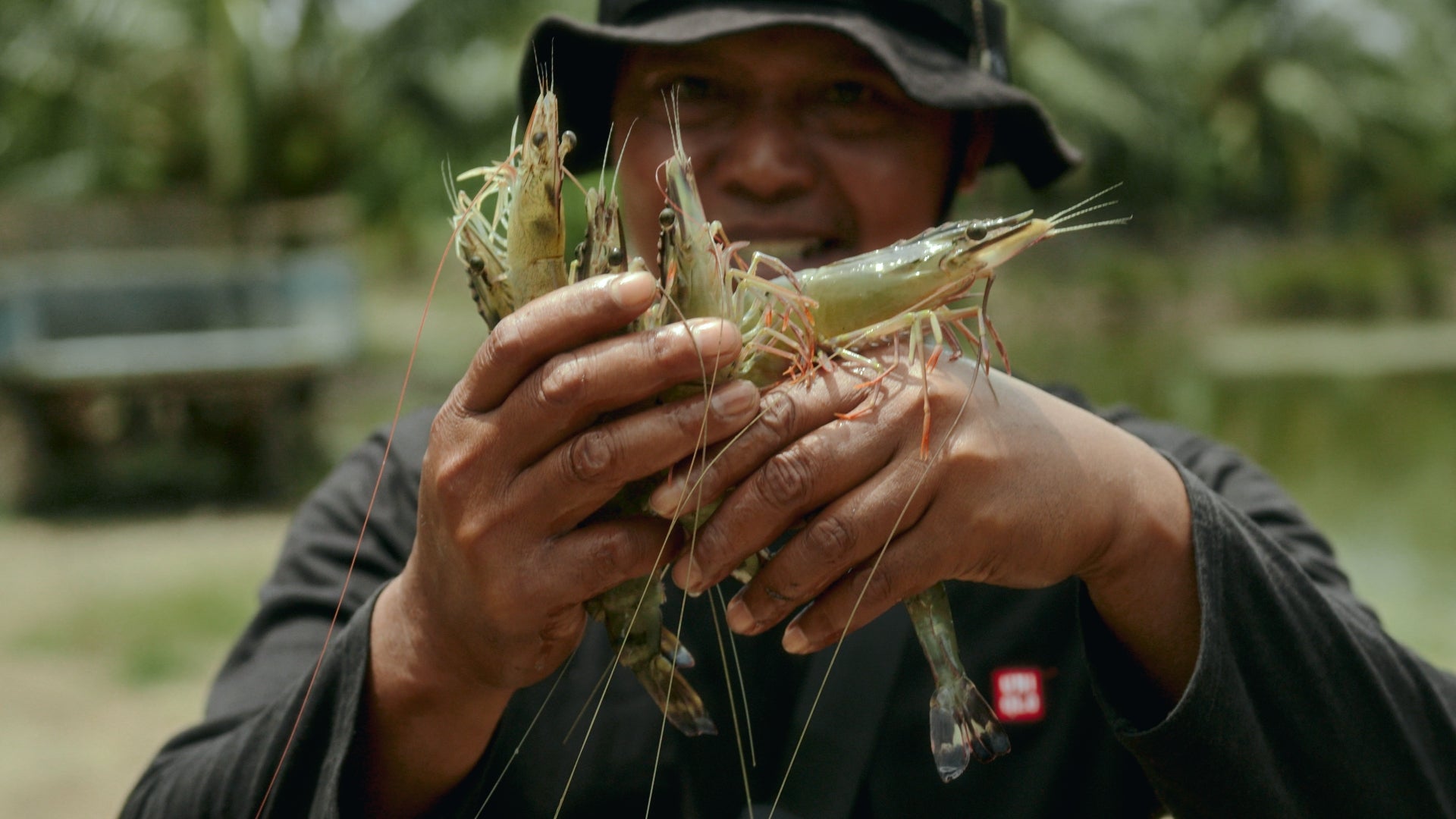
We source our Black Tiger Shrimp from a small handful of smallholder farms in the region that all abide by this philosophy and raise their shrimp in low-density ponds , without added chemicals, powered entirely by the tides.
With no artificial feeds or antibiotics used, the shrimp develop a robust, naturally omega-3-rich profile thanks to their diet of microalgae, detritus, and wild benthic organisms found in healthy mangrove soils .
The result is a clean, richly flavored Black Tiger Shrimp with firm texture and pure, sweet salinity, seafood raised the way nature intended, aligning fully with the Seatopia Standard.
Responsible Origins You Can Trace
Every supplier is third-party tested for nutrition, mercury and microplastics to meet the Seatopia Standard™ for safety and nutrient density. A single 4 oz portion provides approximately 120 mg EPA and 120 mg DHA in bioavailable triglyceride form, plus selenium - with no microplastics detected in third-party testing.
By sourcing directly from regenerative, community-led projects like Tarakan, Seatopia brings you seafood with unparalleled flavor, transparency, and integrity - giving you access to a seafood quality that’s increasingly rare in today’s food landscape
from Tarakan, Indonesia
Black Tiger Shrimp

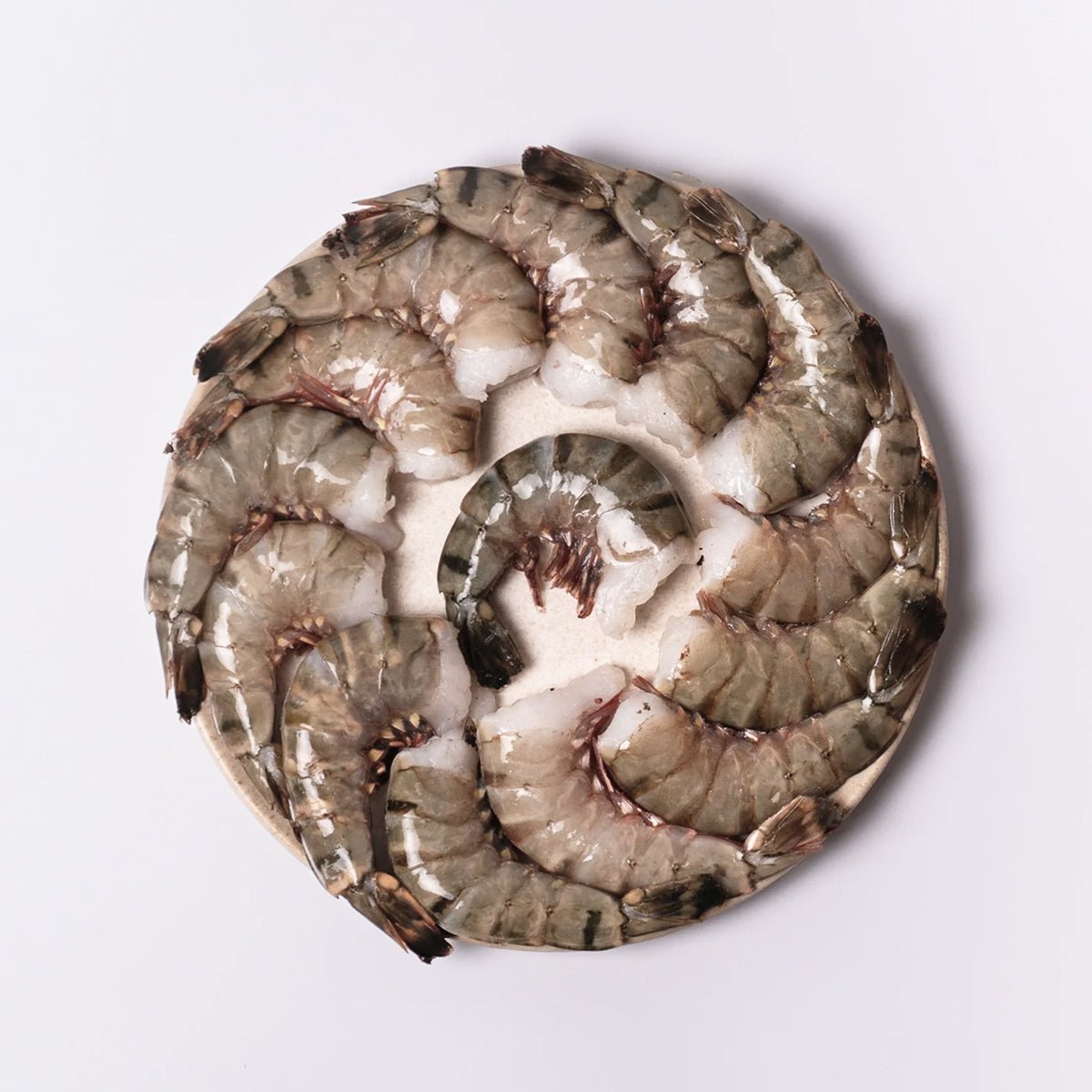
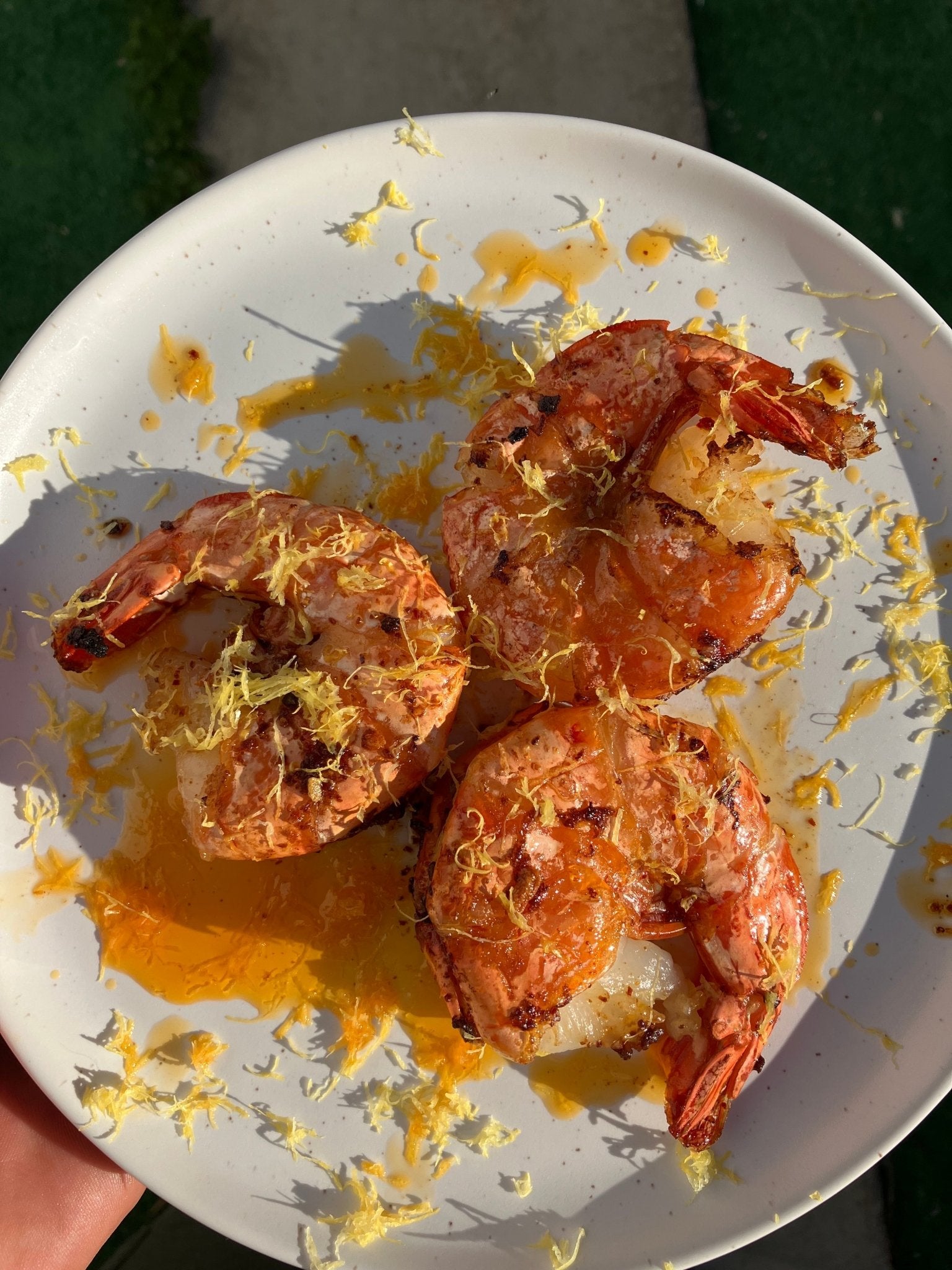
Sweet, briny shrimp with a natural richness, best enjoyed quickly seared for a delicate snap or pan-fried to preserve their depth.
What do the fish eat? - Fish feed FAQ
Feed is the single biggest factor in how clean and how nutritious a fish is. A fish is built from what it eats, which means the feed decides its omega-3s, its mineral profile, and how much mercury or microplastic it carries. That's why we treat feed as a sourcing requirement rather than a farm detail, and why every farm we work with has to tell us exactly what goes into the pellet.
Feed varies by farm, by species, and by stage of growth. The ingredients and the rules below hold across all of them.
What can be in it?
Algae oil:
The original source of EPA and DHA omega-3s. Fish don't make omega-3s, they accumulate them from what they eat. Algae is where those fats come from in the ocean too.
Marine ingredients (fishmeal, fish oil):
Protein and fats in the form fish evolved to digest. We work to reduce this share over time, not eliminate the nutrition it provides. A large amount of marine ingredients already come from offcuts, meaning parts of fish that are not suitable for human consumption, and so reducing ocean impact further.
Plant proteins (soy, pea, barley, corn, pistachio):
Non-GMO, high-protein, highly digestible. Replaces wild-caught protein without issues for the fish, reducing ocean impact.
Amino acids and minerals:
Fills the specific nutritional gaps plant proteins leave, so nothing is missing from the diet.
Astaxanthin:
A naturally occurring carotenoid, the same one found in kelp, krill and shellfish. It's an antioxidant for the fish and the reason salmon flesh is pink.
What's never in it?
Preventative antibiotics, hormones, GMOs, synthetic colouring agents.
Why is there plant protein in fish feed?
Because the alternative is more wild fish. Aquaculture used to run almost entirely on fishmeal and fish oil, which meant catching enormous volumes of small wild fish to grow larger ones. Swapping part of that for high-protein plants takes pressure off those wild stocks while still giving the fish bioavailable protein.
There's a second reason: wild fish carry what the ocean carries. Less wild fish in the feed means less mercury, fewer microplastics and lower parasite risk arriving in your fillet. A controlled diet is what makes a clean fish possible.
Are the fish dyed?
No. Post-harvest colouring agents are prohibited across everything we sell. Colour comes from astaxanthin in the feed, a natural carotenoid found in kelp, krill and shellfish. Wild salmon get their colour the same way. So do flamingos.