In the Hall of the Mountain King Salmon
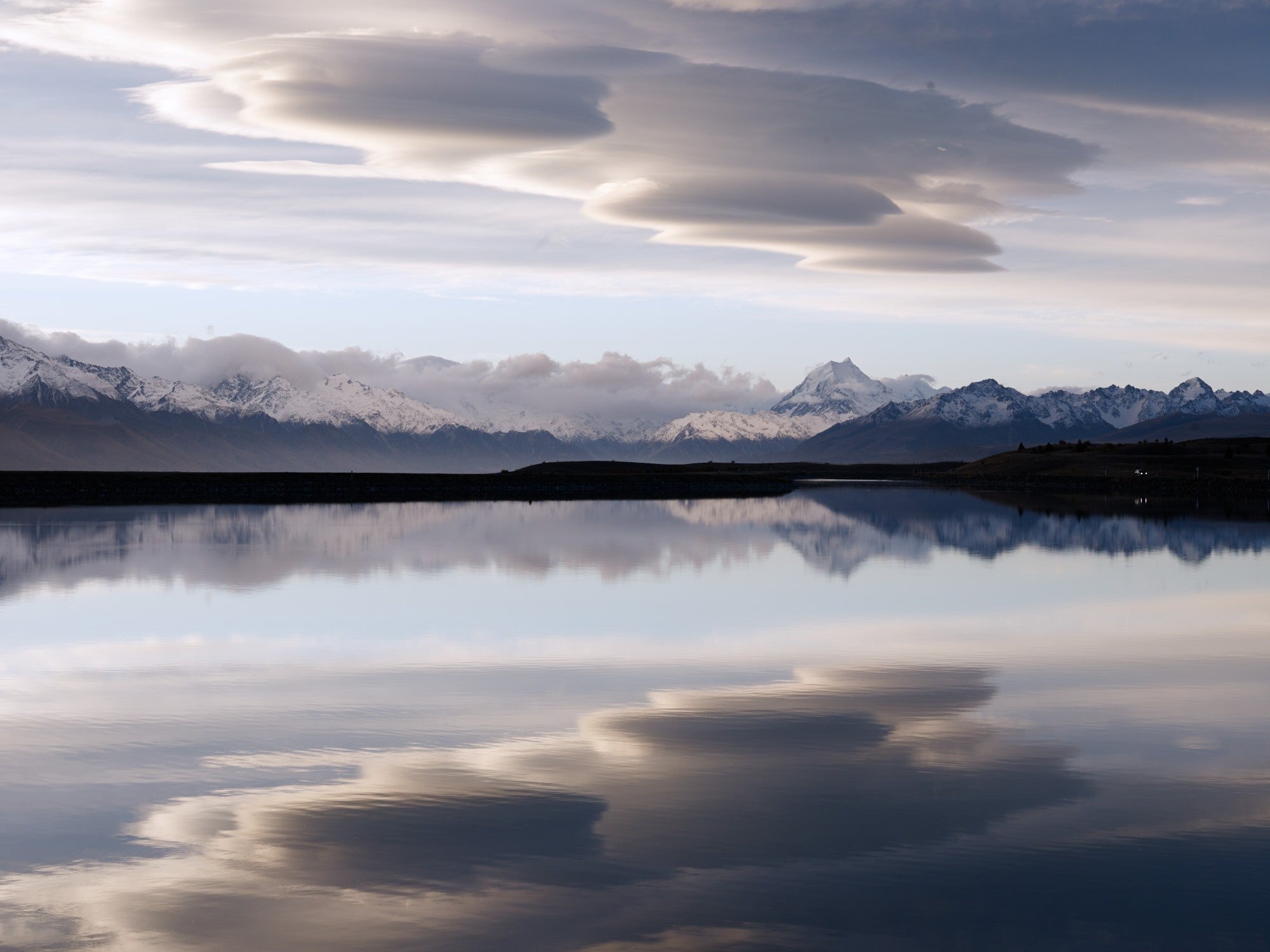
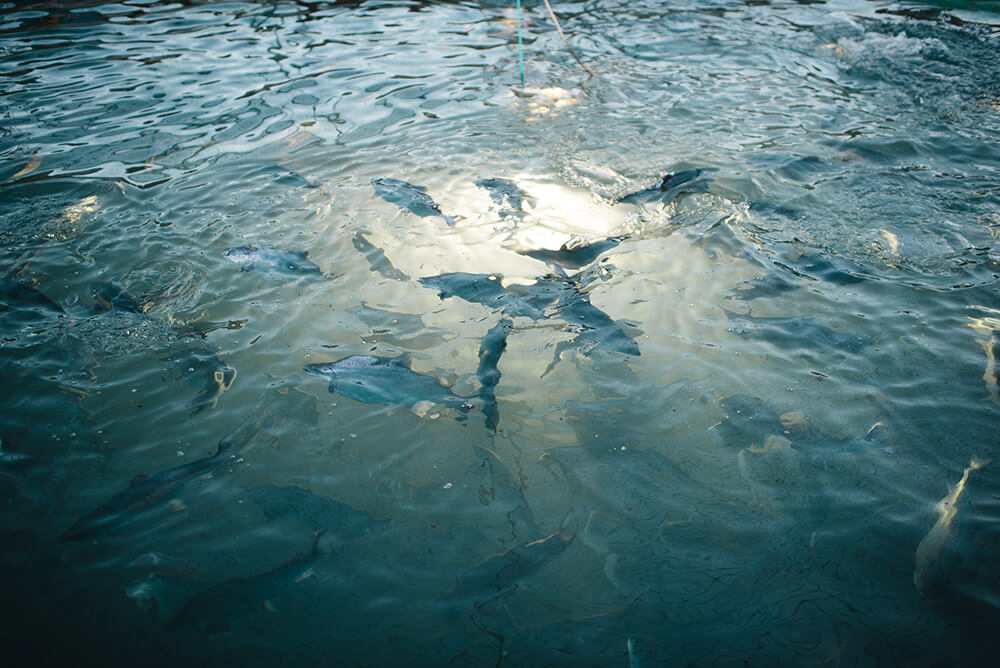
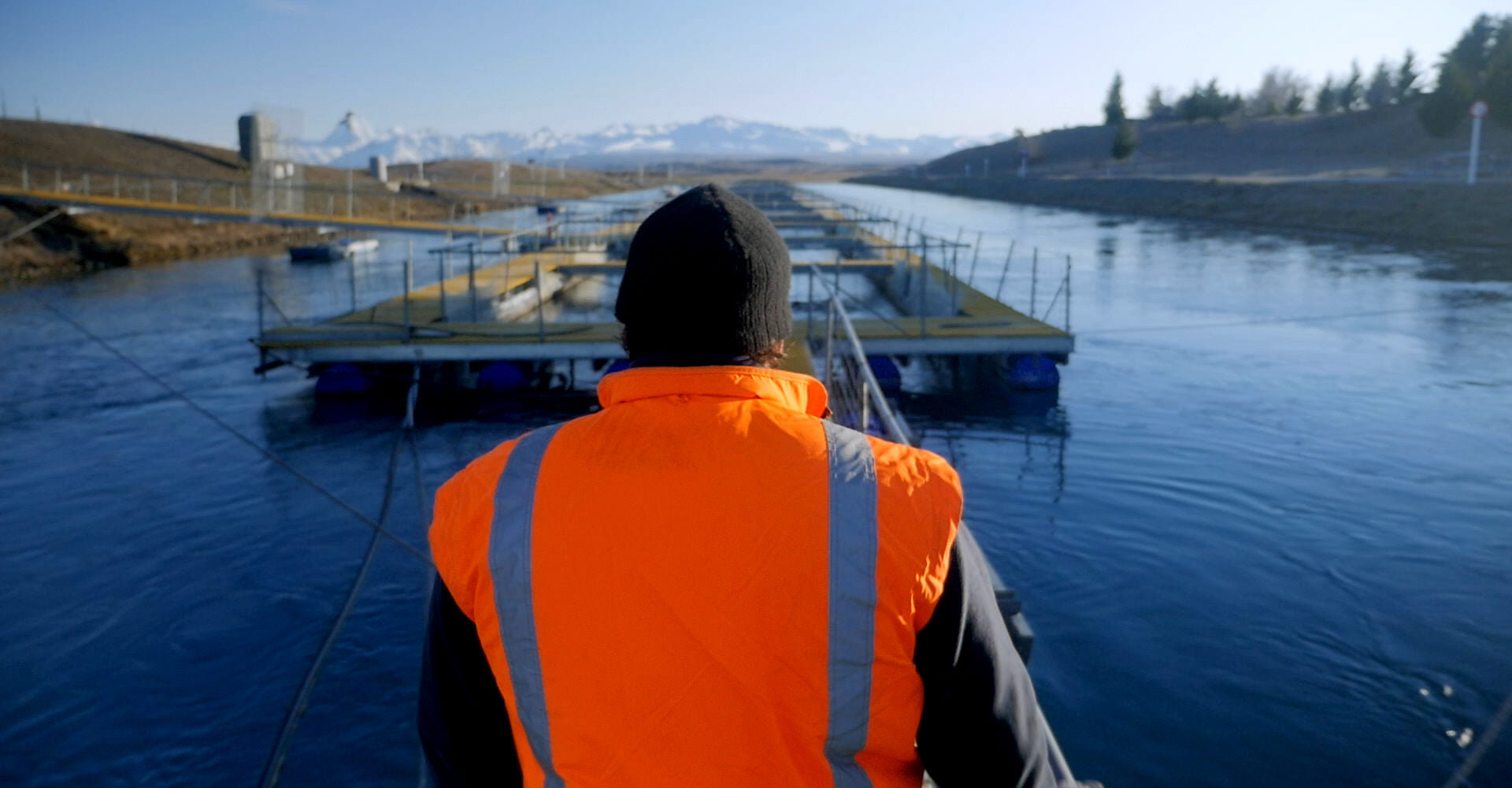
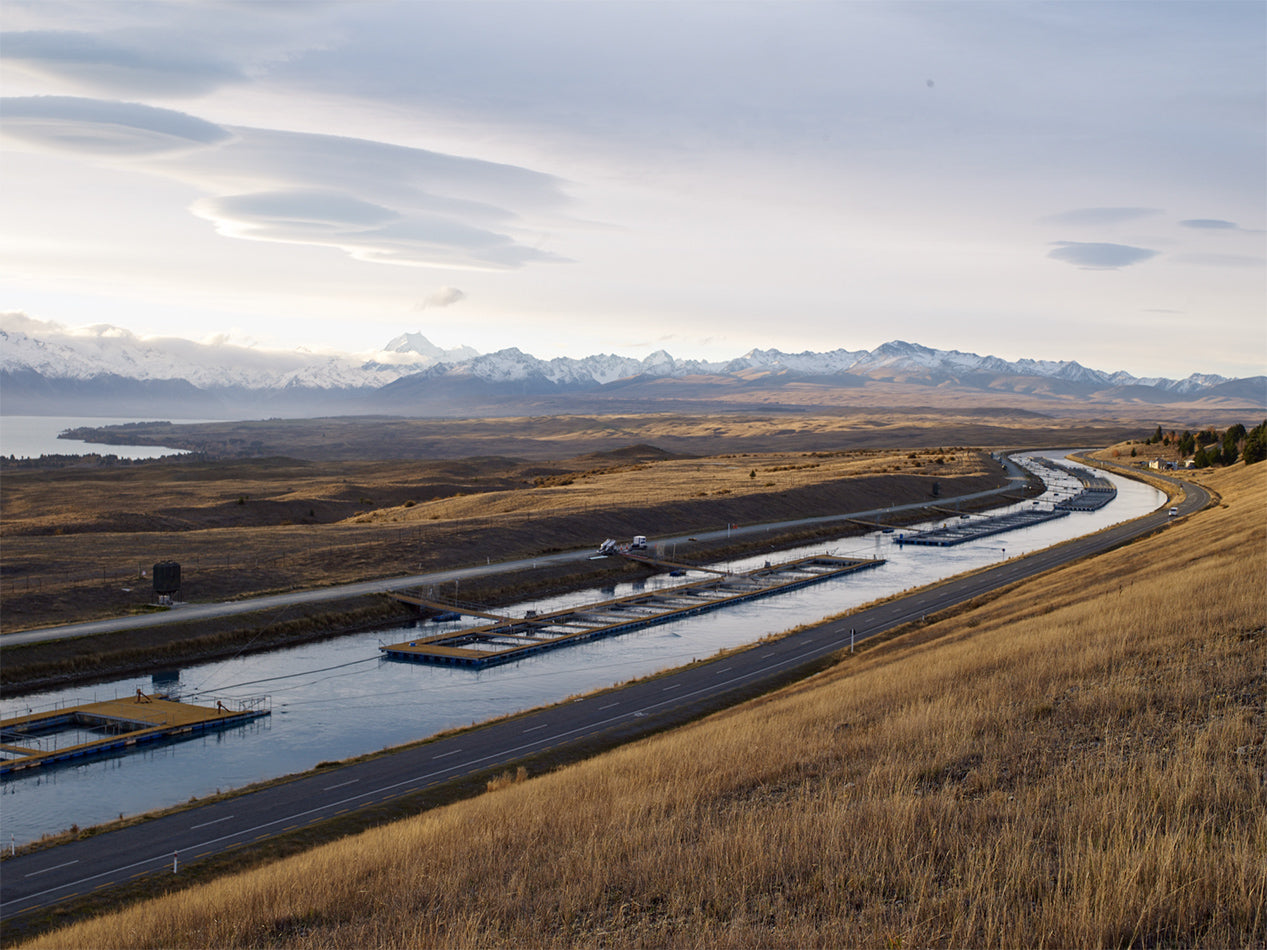
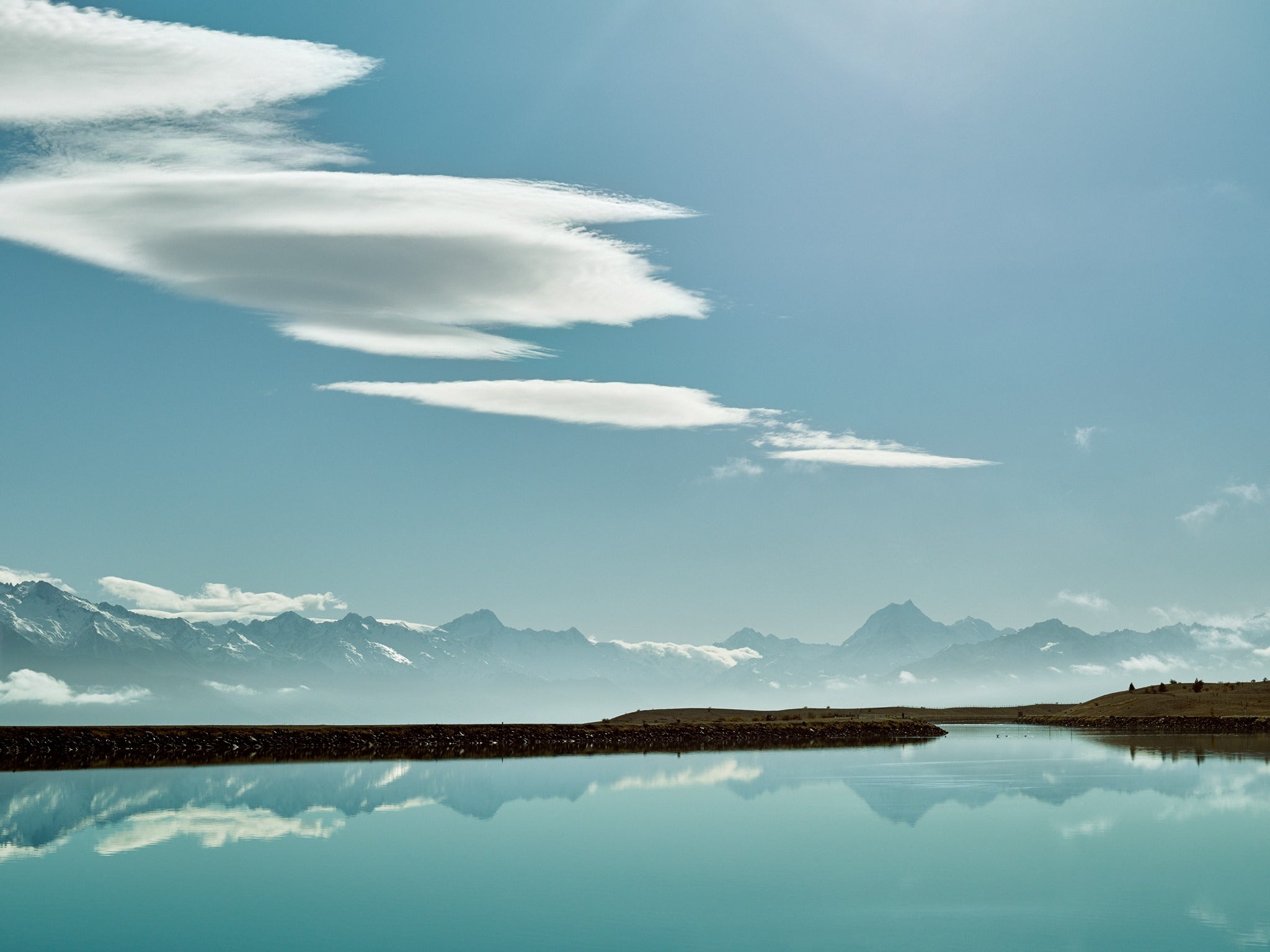
Mt. Cook Alpine Salmon is the highest-altitude salmon farm in the world, redefining what freshwater aquaculture can be. Located high in New Zealand’s Southern Alps, Mt. Cook raises freshwater king salmon in fast-flowing, hydroelectric canals fed by the alpine snowmelt. Raised without antibiotics, hormones, and GMOs, Mt. Cook’s low-density, high-flow environment mimics a wild river system, allowing salmon to swim the equivalent of a marathon each day, upstream. This is king salmon without compromise. Clean, sustainable, and as pure as the water they’re raised in.
Freshwater Canals, Inspired Innovation
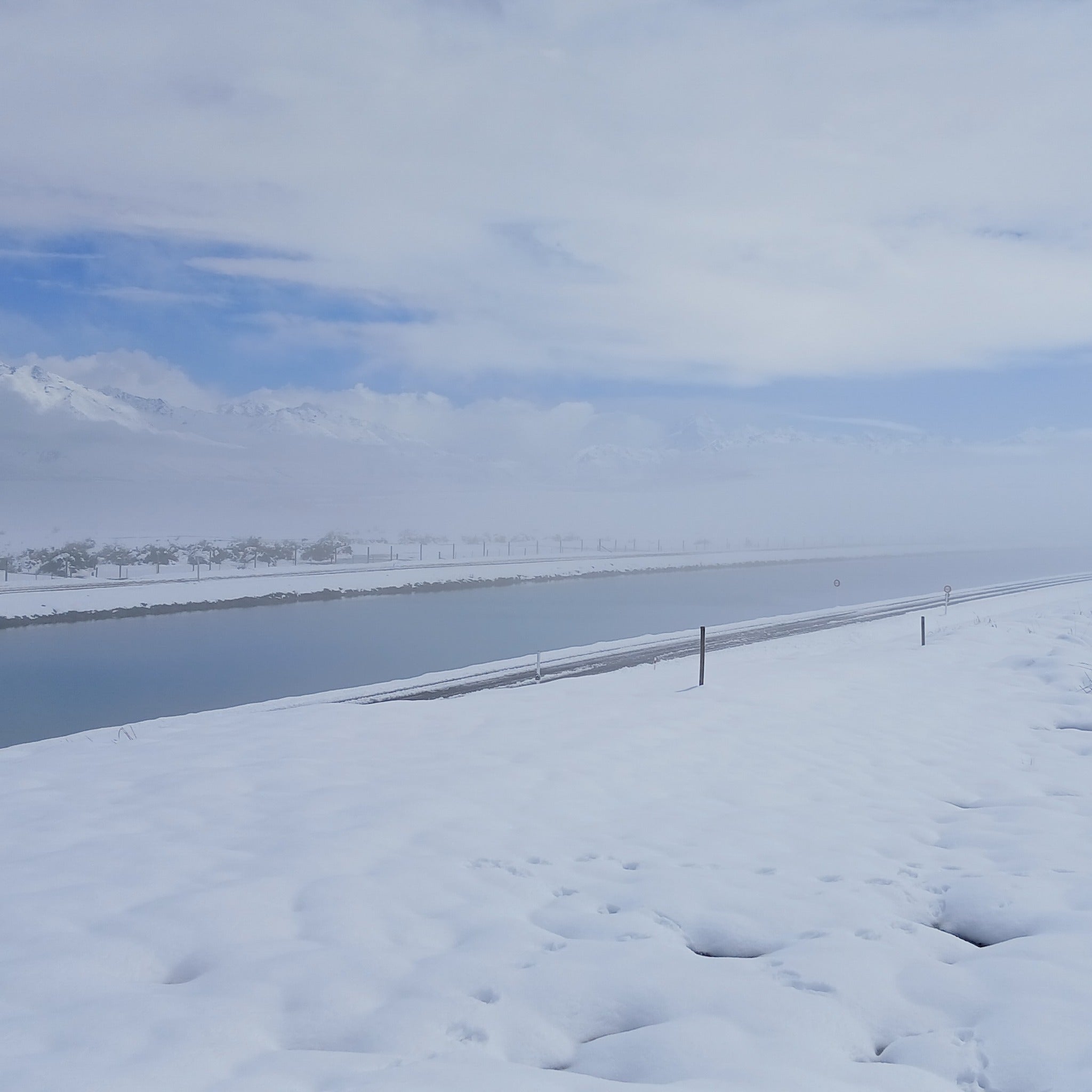
Mt. Cook is set apart by their glacial-fed hydroelectric canal system. A completely unique, man-made waterway originally designed for renewable energy, now repurposed to support sustainable aquaculture. Because of the altitude and snowmelt, the canals maintain constant, fast-moving flow, creating ideal conditions for salmon to thrive. Water stays cold year-round, naturally oxygenated and clean. One of a kind, and one of the most innovative freshwater farming systems anywhere.
Stewards Crafting Nature’s Finest
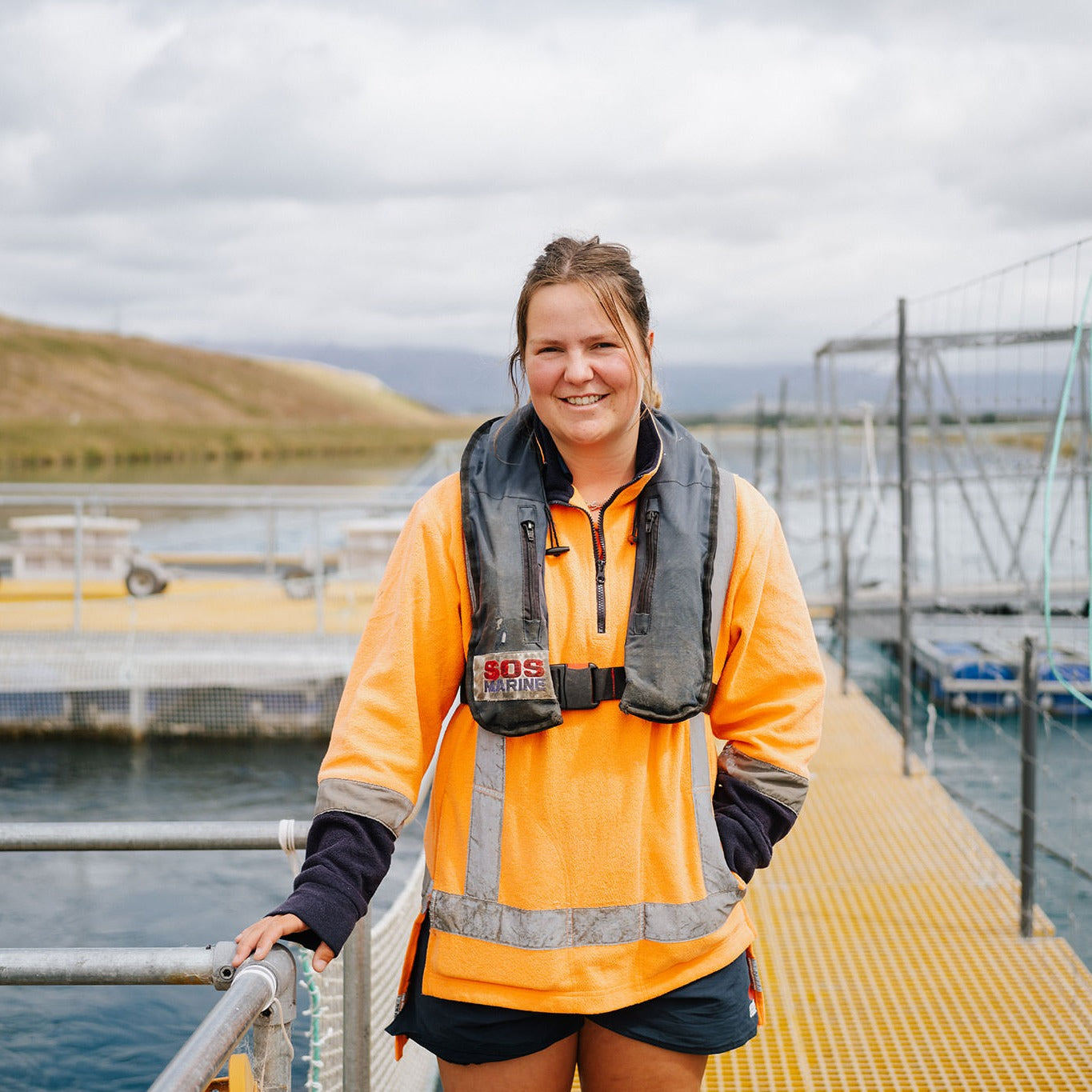
Behind Mt. Cook Alpine Salmon is a team of New Zealanders committed to innovation, transparency, and stewardship. Many of the farmers here come from backgrounds in marine science or freshwater conservation, looking to build the opposite of commodity, industrial fish farm. Together, they’ve built a system that blends technical precision with deep respect for nature. Every salmon is hand-fed, every process optimized for fish welfare, flavor, nutrition, and environmental care.
from Mt. Cook
Alpine Salmon
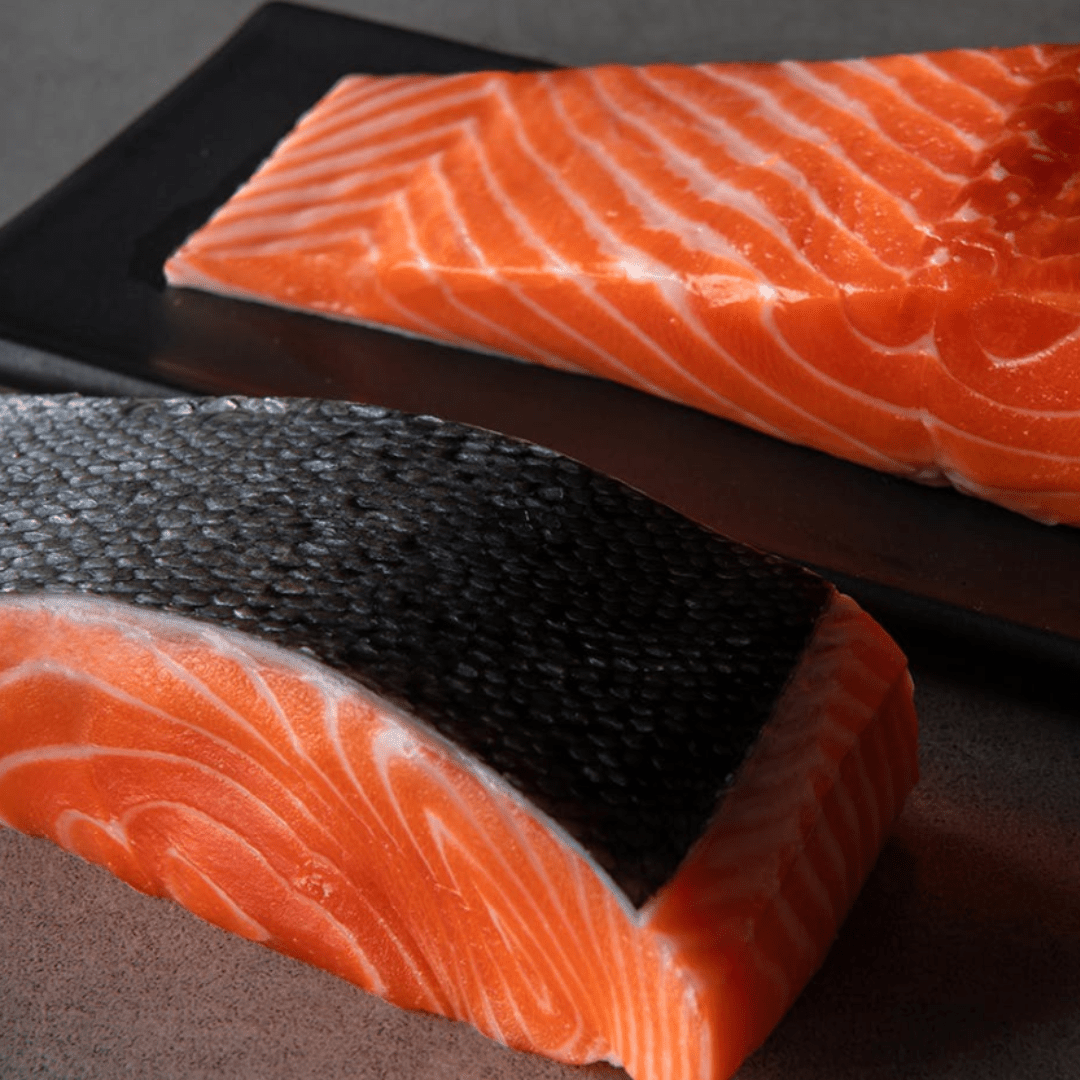
Mt. Cook raises Oncorhynchus tshawytscha, also known as king salmon or Chinook, the most prized species of salmon for its rich texture, marbled fat and high omega-3 content.
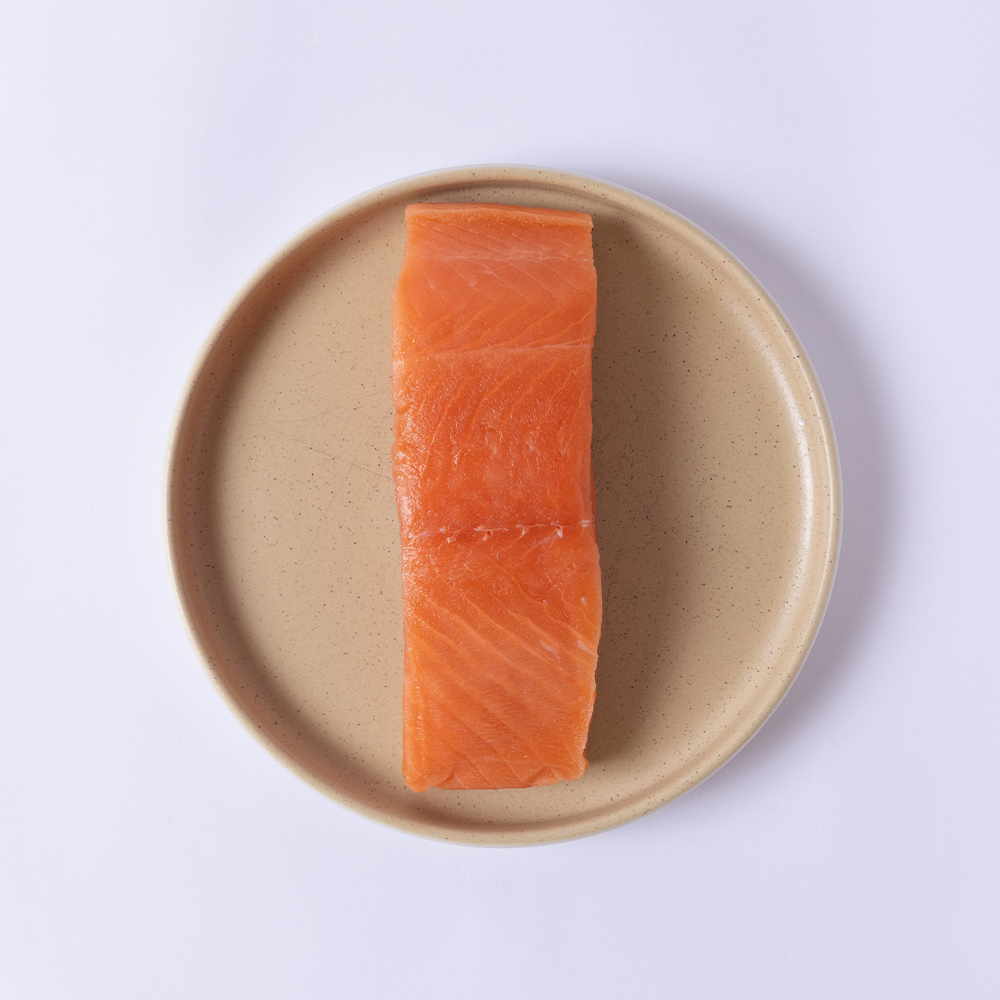
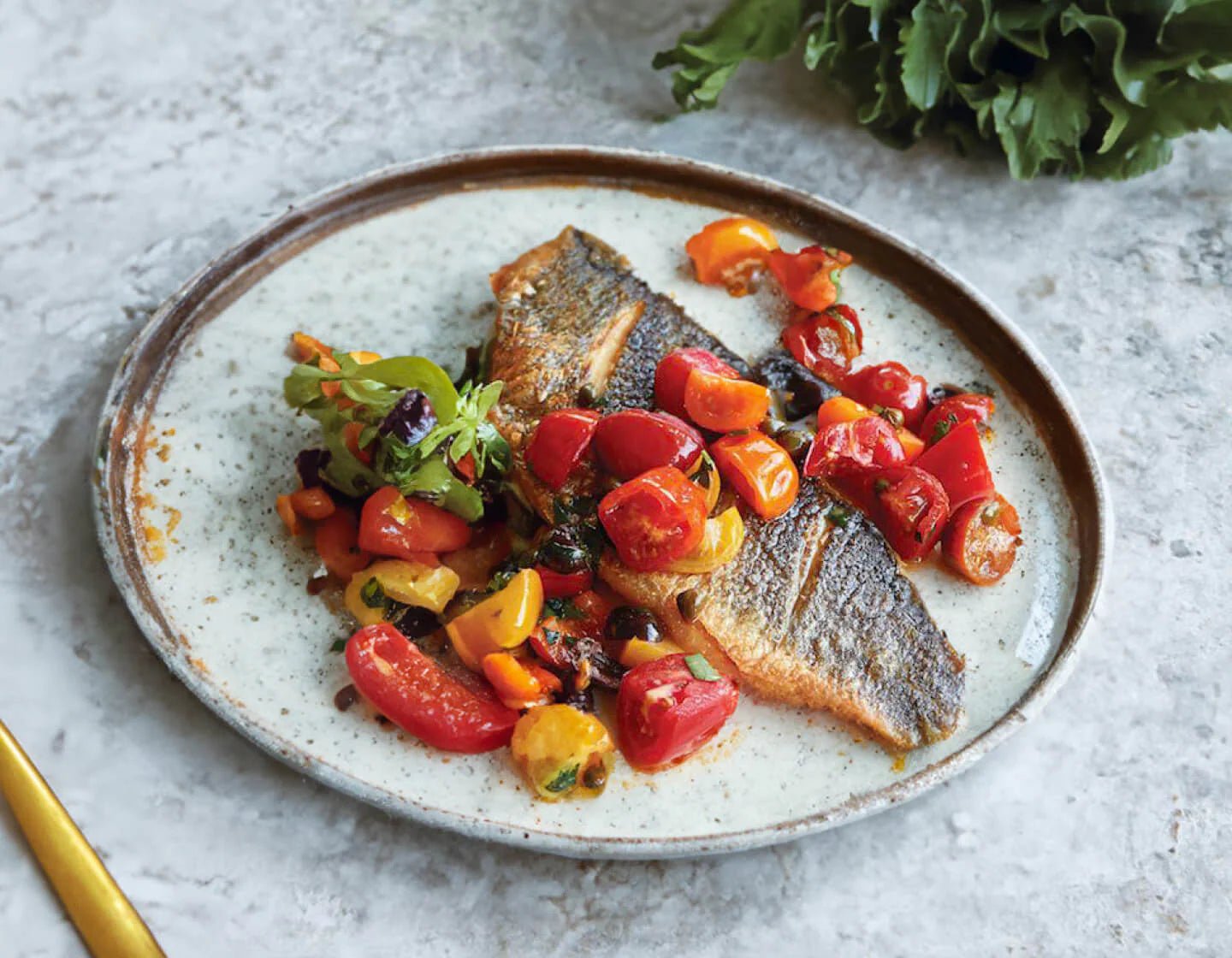
All hail the mountain king salmon—royally perfect, raw or roasted
What do the fish eat? - Fish feed FAQ
Feed is the single biggest factor in how clean and how nutritious a fish is. A fish is built from what it eats, which means the feed decides its omega-3s, its mineral profile, and how much mercury or microplastic it carries. That's why we treat feed as a sourcing requirement rather than a farm detail, and why every farm we work with has to tell us exactly what goes into the pellet.
Feed varies by farm, by species, and by stage of growth. The ingredients and the rules below hold across all of them.
What can be in it?
Algae oil:
The original source of EPA and DHA omega-3s. Fish don't make omega-3s, they accumulate them from what they eat. Algae is where those fats come from in the ocean too.
Marine ingredients (fishmeal, fish oil):
Protein and fats in the form fish evolved to digest. We work to reduce this share over time, not eliminate the nutrition it provides. A large amount of marine ingredients already come from offcuts, meaning parts of fish that are not suitable for human consumption, and so reducing ocean impact further.
Plant proteins (soy, pea, barley, corn, pistachio):
Non-GMO, high-protein, highly digestible. Replaces wild-caught protein without issues for the fish, reducing ocean impact.
Amino acids and minerals:
Fills the specific nutritional gaps plant proteins leave, so nothing is missing from the diet.
Astaxanthin:
A naturally occurring carotenoid, the same one found in kelp, krill and shellfish. It's an antioxidant for the fish and the reason salmon flesh is pink.
What's never in it?
Preventative antibiotics, hormones, GMOs, synthetic colouring agents.
Why is there plant protein in fish feed?
Because the alternative is more wild fish. Aquaculture used to run almost entirely on fishmeal and fish oil, which meant catching enormous volumes of small wild fish to grow larger ones. Swapping part of that for high-protein plants takes pressure off those wild stocks while still giving the fish bioavailable protein.
There's a second reason: wild fish carry what the ocean carries. Less wild fish in the feed means less mercury, fewer microplastics and lower parasite risk arriving in your fillet. A controlled diet is what makes a clean fish possible.
Are the fish dyed?
No. Post-harvest colouring agents are prohibited across everything we sell. Colour comes from astaxanthin in the feed, a natural carotenoid found in kelp, krill and shellfish. Wild salmon get their colour the same way. So do flamingos.
Lab Tested to Ensure It Meets the Seatopia Standard
The salmon at Mt. Cook are nourished with a premium, hand-fed diet tailored to support both fish health and clean flavor. Their feed is free from GMOs, hormones, and antibiotics, and is composed of sustainably sourced marine proteins, poultry oil, essential plant-based nutrients like fava beans, and naturally derived astaxanthin: the antioxidant that gives king salmon their deep coral hue. This balanced diet supports robust health, a high omega-3 profile, and excellent taste while being species appropriate and environmentally conscious. With full traceability and thoughtful formulation, Mt. Cook’s feed philosophy is an extension of their commitment to purity, sustainability, and responsible farming.
Mt Cook Alpine Salmon Recipes
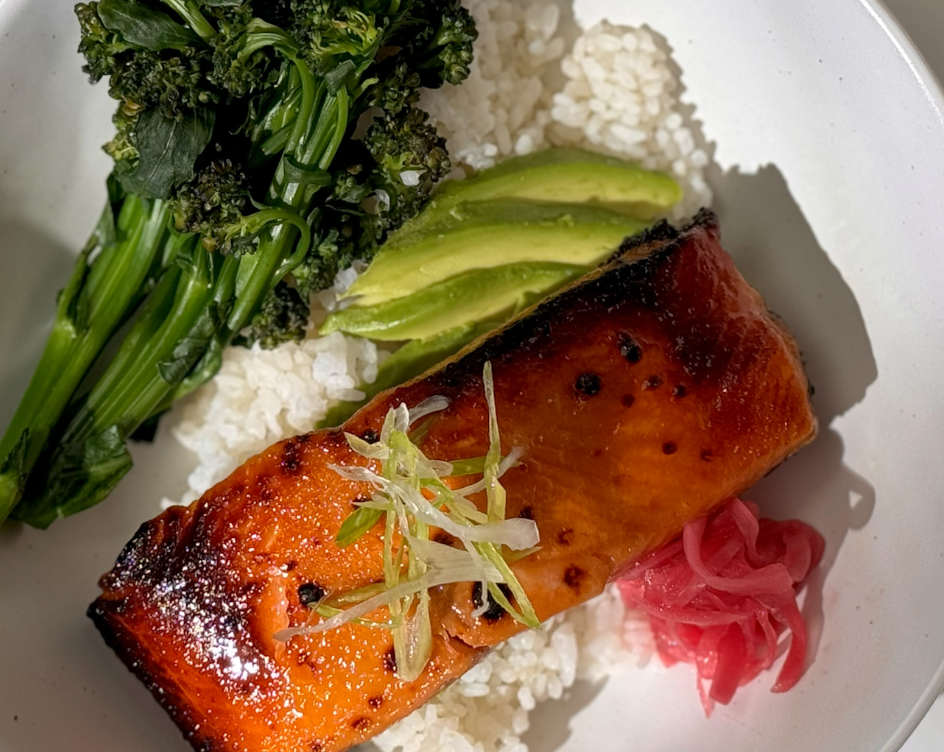
Broiled Miso Salmon Bowl
This ritualistic recipe celebrates the art of a 48-hour marinade, blending saké, miso, and coconut sugar to create a deeply flavorful glaze. We'll guide you through every step—from preparing the marinade to broiling the salmon to perfection and plating it with sushi rice, purple broccolini, pickled onions, and creamy avocado.
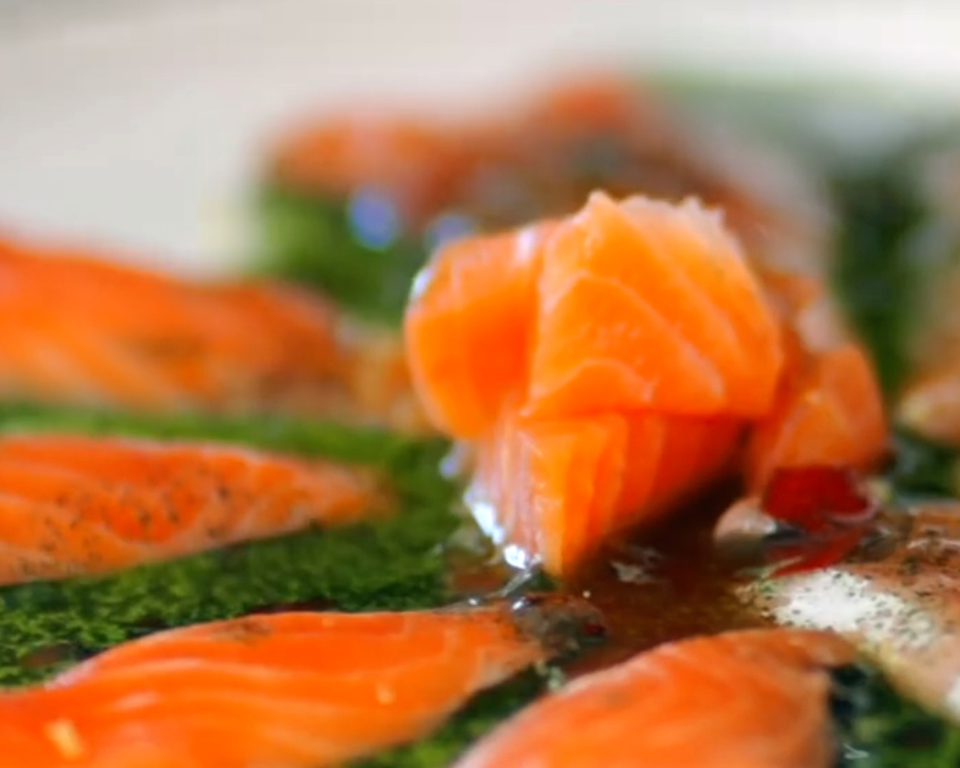
Spirulina-Infused Crudo
Prepare Steelhead Crudo with green spirulina emulsion. Seatopia’s sushi-grade seafood delivers abundant Omega-3s to support heart and brain health.
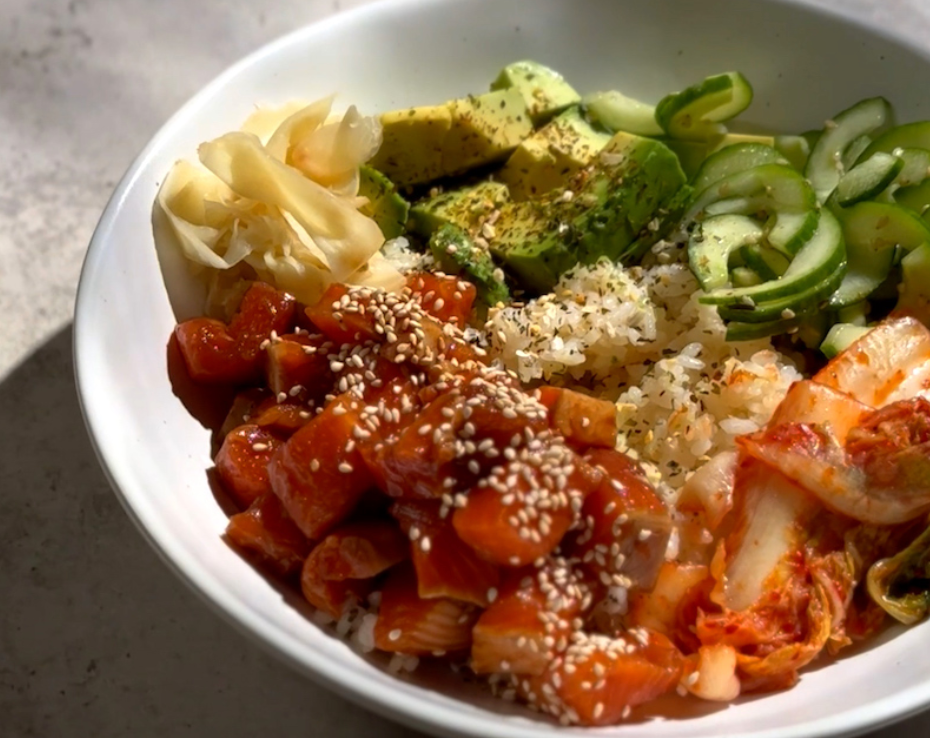
Salmon Poke Bowl
Join us in this new recipe where we dive into the traditional flavors of Hawaii with a classic Salmon Poke, made with New Zealand King Salmon from Seatopia. This step-by-step guide walks you through preparing a flavorful poke, marrying the rich taste of sushi-grade salmon, loaded with omega-3s, with the freshness of pickled ginger and garlic, known for their digestive and immune-supporting properties. Perfectly paired with organic sushi rice and creamy avocado, this dish is a true celebration of Hawaiian cuisine and wholesome nourishment.