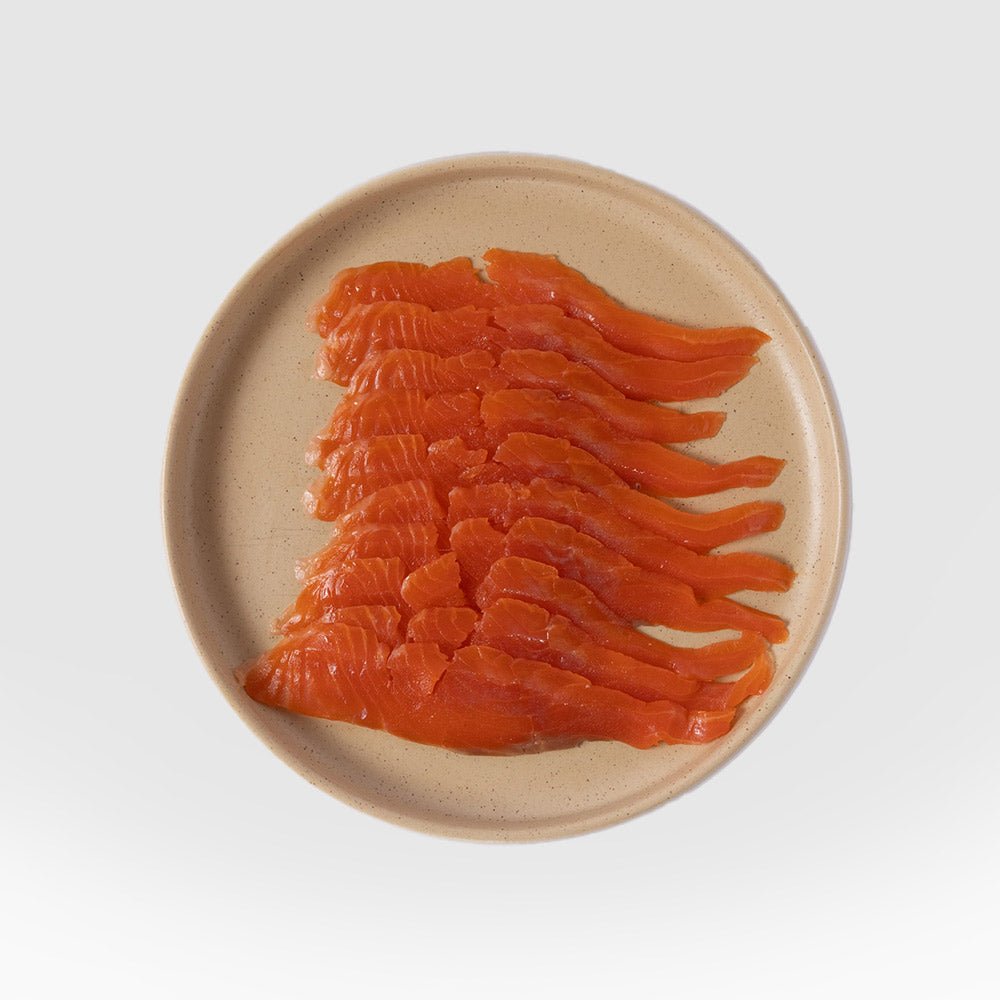
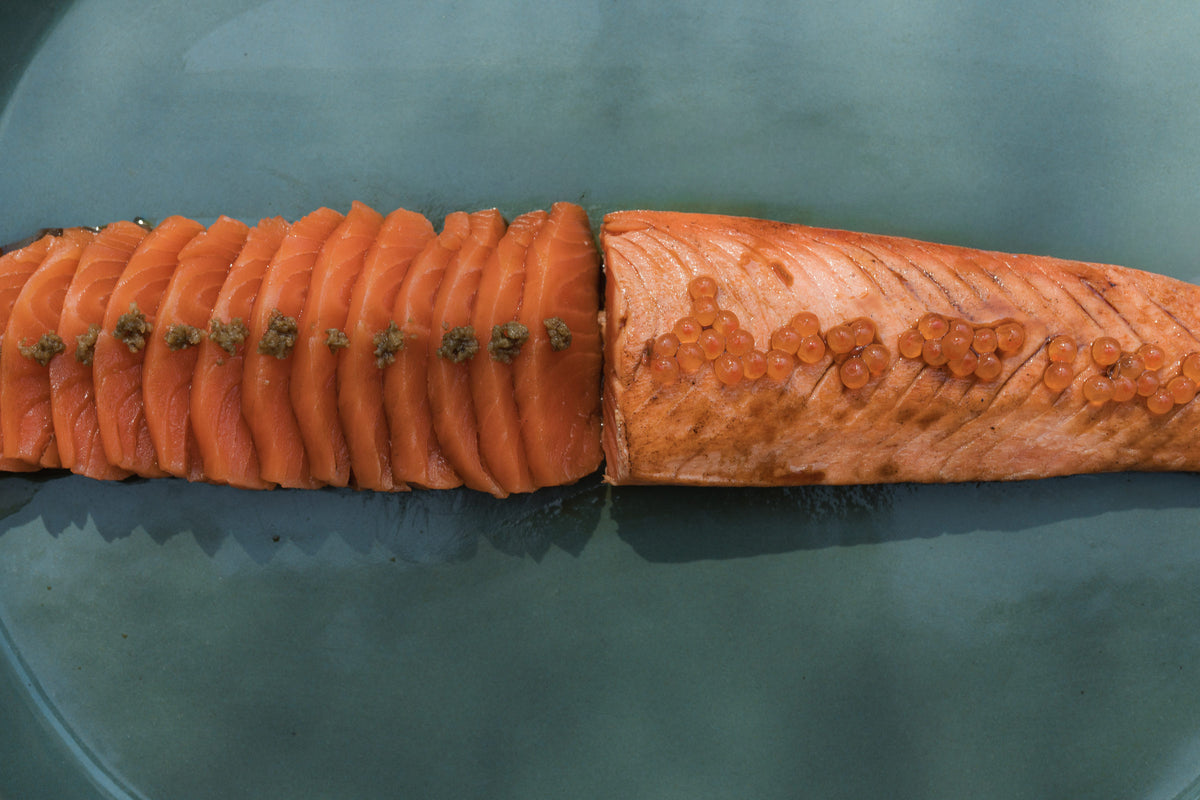
Sliced salmon fanned out on a teal ceramic platter.

Seatopia · A practical guide

A practical guide to getting more omega-3s from your food.

omegamaxxing

omegamaxxing

A practical guide to getting more omega-3s from your food: what to buy, how to cook it, and how to test.

This guide takes a functional medicine approach. Instead of one number for everyone, it looks at what’s happening in your body: how much omega-3 actually reaches your cells, how well you absorb it, and what’s competing with it.

Chapter 1

Omega-3 basics

What is an omega-3?

An omega-3 is a type of fat (a polyunsaturated fatty acid). It’s called essential because your body can’t make it on its own, so you have to get it from food or supplements.

The three types

ALAthe plant omega-3
Flax, chia, walnuts, canola oilYour body has to convert it into EPA and DHA, and it does this poorly.
EPAa marine omega-3
Fatty fish, already formedOne of the two marine omega-3s. We publish how much is in every product.
DHAa marine omega-3
Fatty fish, already formedDHA is one of the main structural fats in the brain. We publish how much is in every product.

This guide focuses on EPA and DHA, the two “marine” omega-3s. Fish already contains them in the form your body uses, so there’s no conversion step.

Why they matter

EPA and DHA do two jobs.

01

They build your cells.

They’re part of the outer layer (membrane) of every cell, where they keep it flexible and working well.

02

They send signals.

Your body uses them to make signaling molecules.
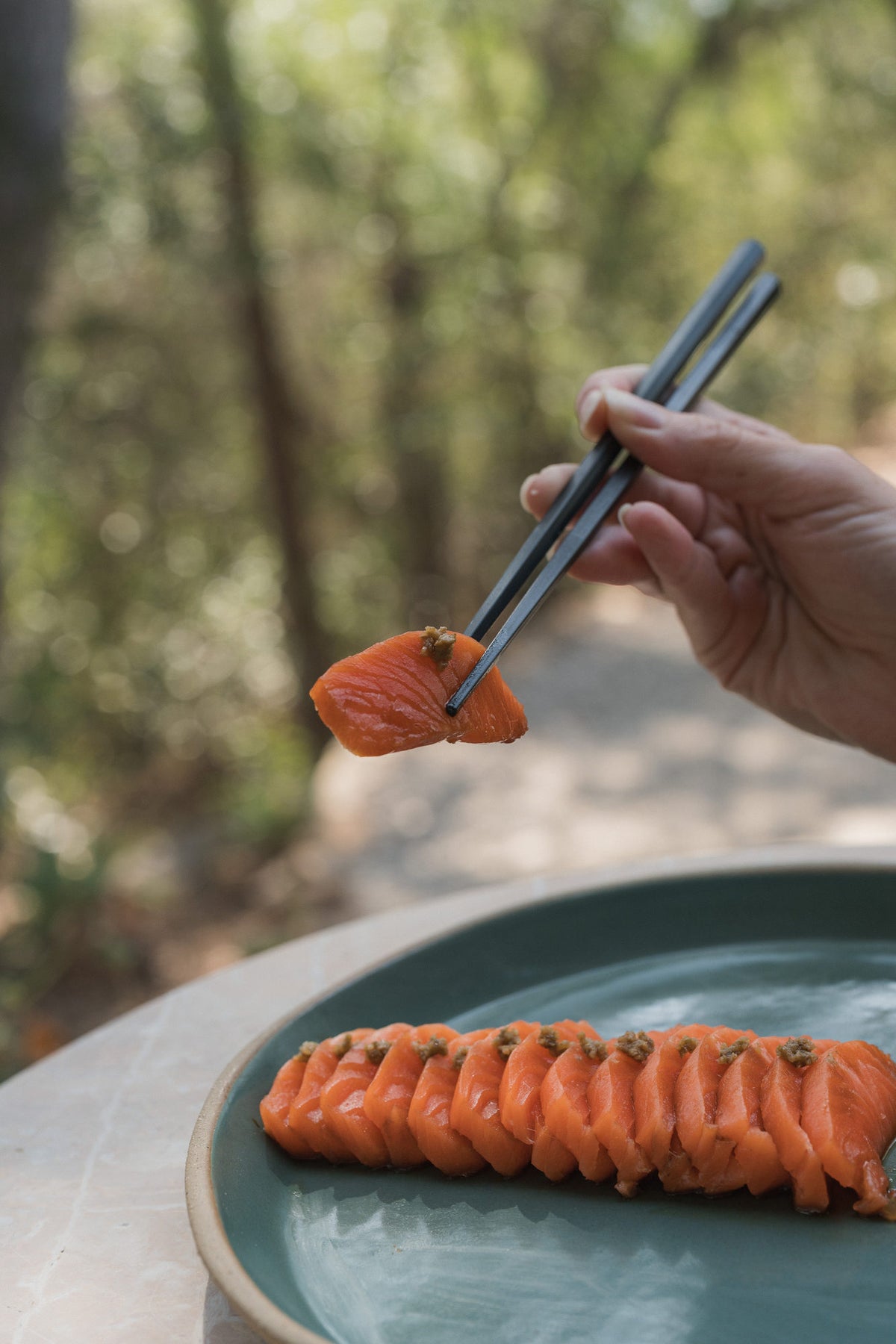
A slice of salmon held up with chopsticks outdoors.
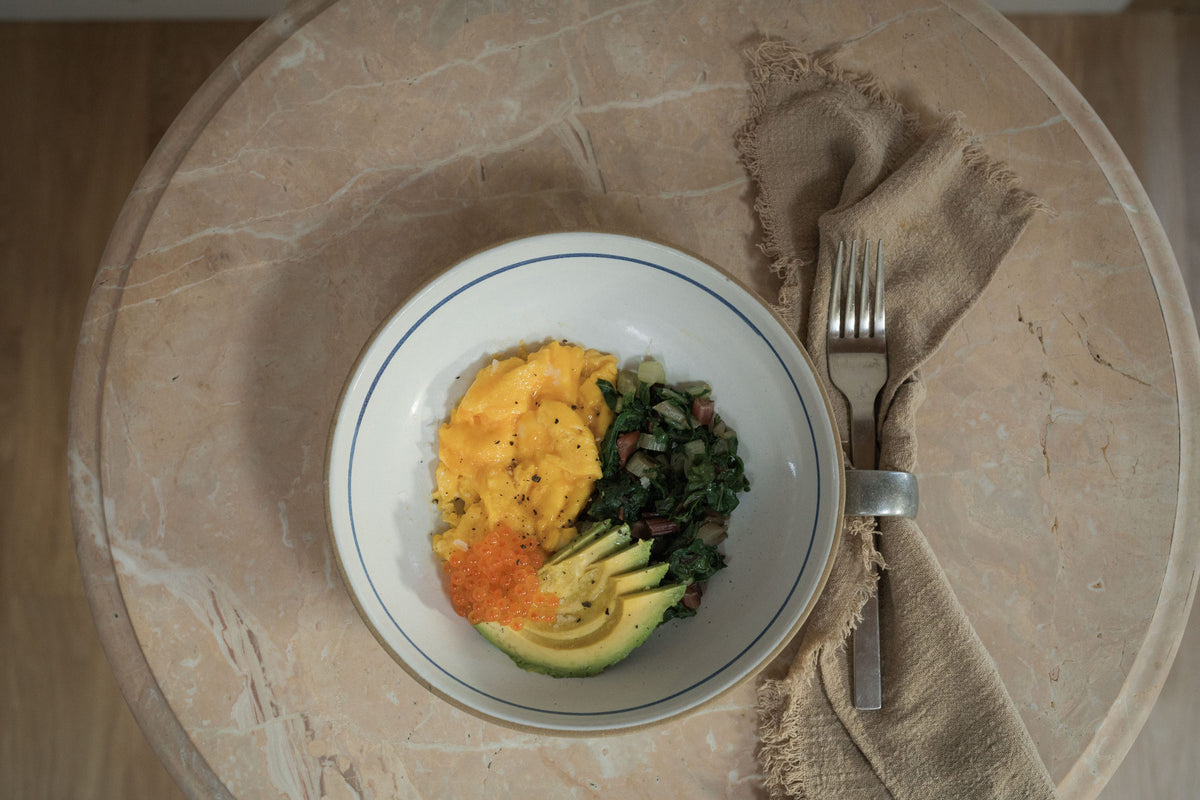
Soft scrambled eggs topped with salmon roe, beside sliced avocado and greens.

Chapter 2 · Your numbers

Test, don’t guess.

Guidelines count servings. We think you should count what’s in your blood.

Functional medicine starts with testing. One at-home finger-prick test gives you two numbers that tell you more than any food log.

Number 1

Your Omega-3 Index

The percentage of EPA+DHA in the membranes of your red blood cells. Red blood cells live about 120 days, so the result shows your average intake over the past 3–4 months, not what you ate yesterday.

Number 2

Your omega-6 to omega-3 ratio

How the two families of fat compare. You improve it from both sides: eat more EPA and DHA, and cut back on refined seed oils and ultra-processed foods.

Researchers who study the omega-3 index measure blood levels rather than servings, and target higher intakes than general guidelines.

Takeaway

There’s a finger-prick test for your omega-3 index. Take it, change one thing, retest in four months.
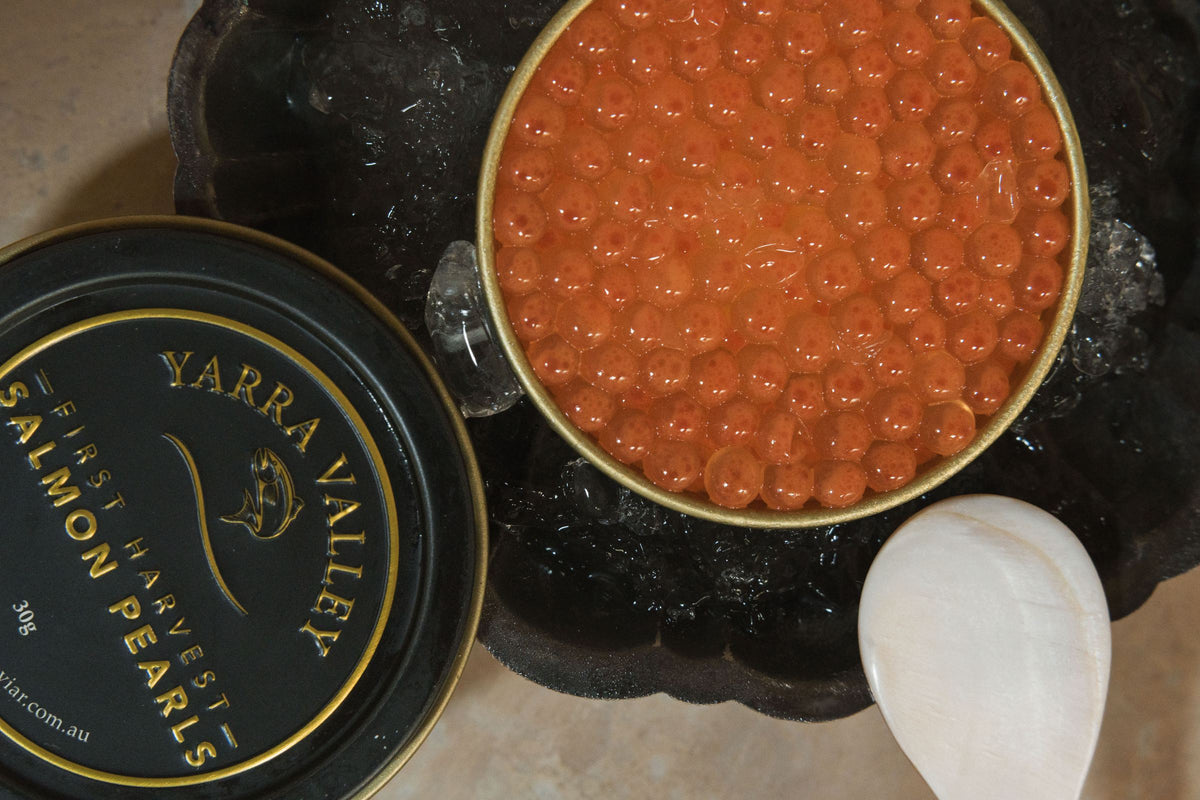
An open tin of salmon roe, close up.

Chapter 3

Omega-6s and reading labels

The main omega-6 in the Western diet is linoleic acid, and most of it comes from refined seed oils. These oils show up in almost everything packaged: alternative milks, dressings, snacks, baked goods and restaurant fryers.

Whole foods like nuts and seeds also contain omega-6, but they come with fiber, vitamin E and antioxidants. The focus here is refined oils in processed food.

Oils ranked by omega-6 Percent of the oil’s fat that is linoleic acid (approximate)
Safflower oil (regular) ~75% Limit — highest
Grapeseed oil ~70% Limit
Sunflower oil (regular) ~65% Limit
Corn oil ~55% Limit
Cottonseed oil ~50–55% Limit
Soybean oil / “vegetable oil” ~50–55% Limit — the most common
Rice bran oil ~35% Moderate
Peanut oil ~30% Moderate
Canola / rapeseed oil ~20% Middle ground; also has some plant omega-3
High-oleic sunflower or safflower ~5–15% Better choice
Olive oil, avocado oil ~10% Good choice
Coconut oil, butter, ghee ~2–3% Low omega-6 (but mostly saturated fat)

Chapter 3 · Omega-6s and reading labels

Label phrases to watch for

“Vegetable oil”

“Vegetable oil” or “contains one or more of the following: soybean, corn…” usually means the cheapest high-omega-6 oils.

“Sunflower oil”

“Sunflower oil” or “safflower oil” without “high-oleic.” High-oleic versions are bred to be low in omega-6, so that word matters.

“Expeller-pressed”

“Expeller-pressed” or “cold-pressed” describes how the oil was extracted, not what’s in it. Expeller-pressed sunflower oil is still high in omega-6.

Position in the list

Ingredients are listed by weight. An oil in the top three is a real source; near the end, it’s minor.

Takeaway

Check the oil on the label. Choose olive, avocado or high-oleic oils, which are more heat-stable, and cut back on products made with soybean, corn, sunflower or “vegetable” oil.

Chapter 4

Choosing your seafood

Rule of thumb for shopping

Fattier, cold-water fish (king salmon, steelhead, Atlantic salmon) carry more omega-3s per ounce than lean whitefish or shellfish. If your goal is more EPA/DHA, build your week around salmon and steelhead. Treat whitefish and shellfish as flavor and variety, not your main omega-3 source.

Why lab-tested numbers matter

We publish lab-tested omega-3 values for our products, backed by third-party Certificates of Analysis from Edacious. That lets you compare options by the number.

Published result

Our King Salmon tested at 2,414 mg EPA+DHA per 6 oz serving. Values vary by sample and season.

Every supplier is third-party tested for nutrition, mercury and microplastics, then randomly audited to ensure consistent compliance with the Seatopia Standard.
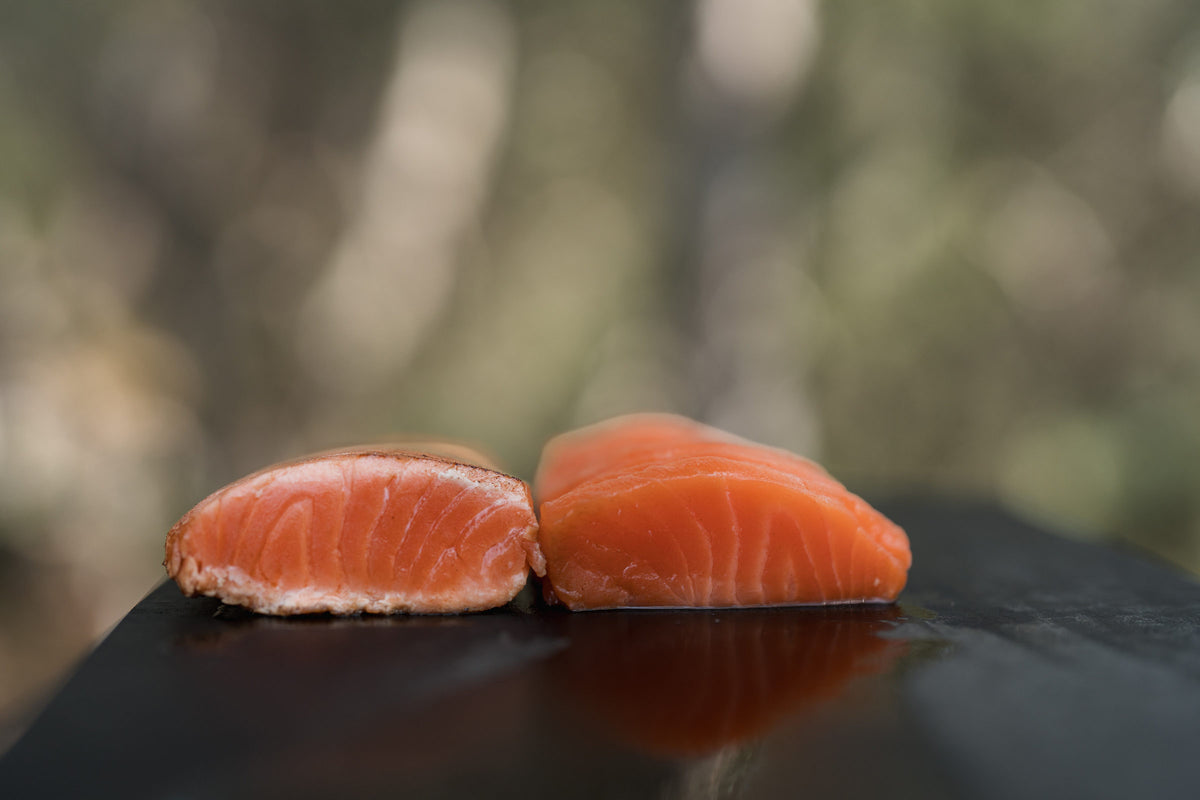
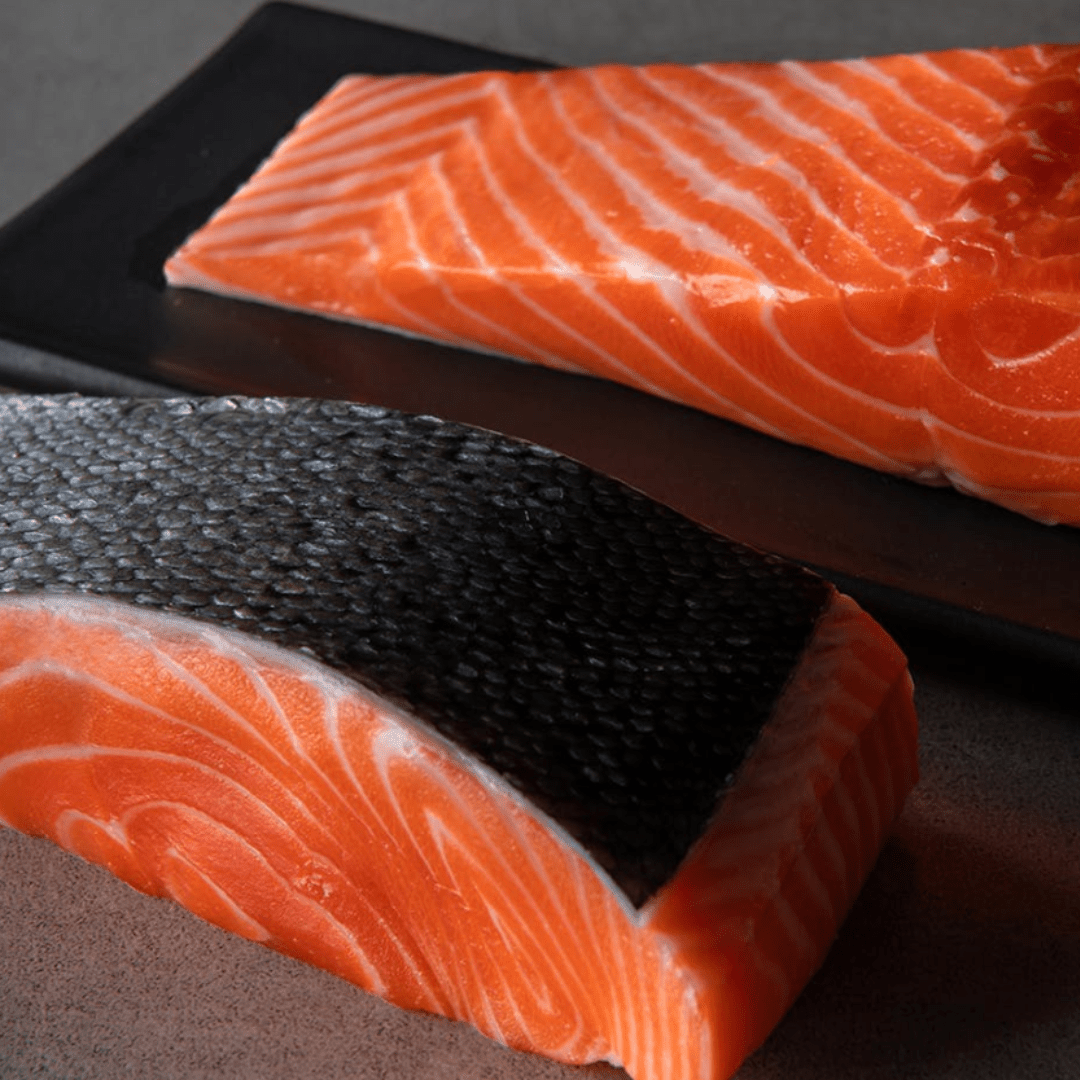
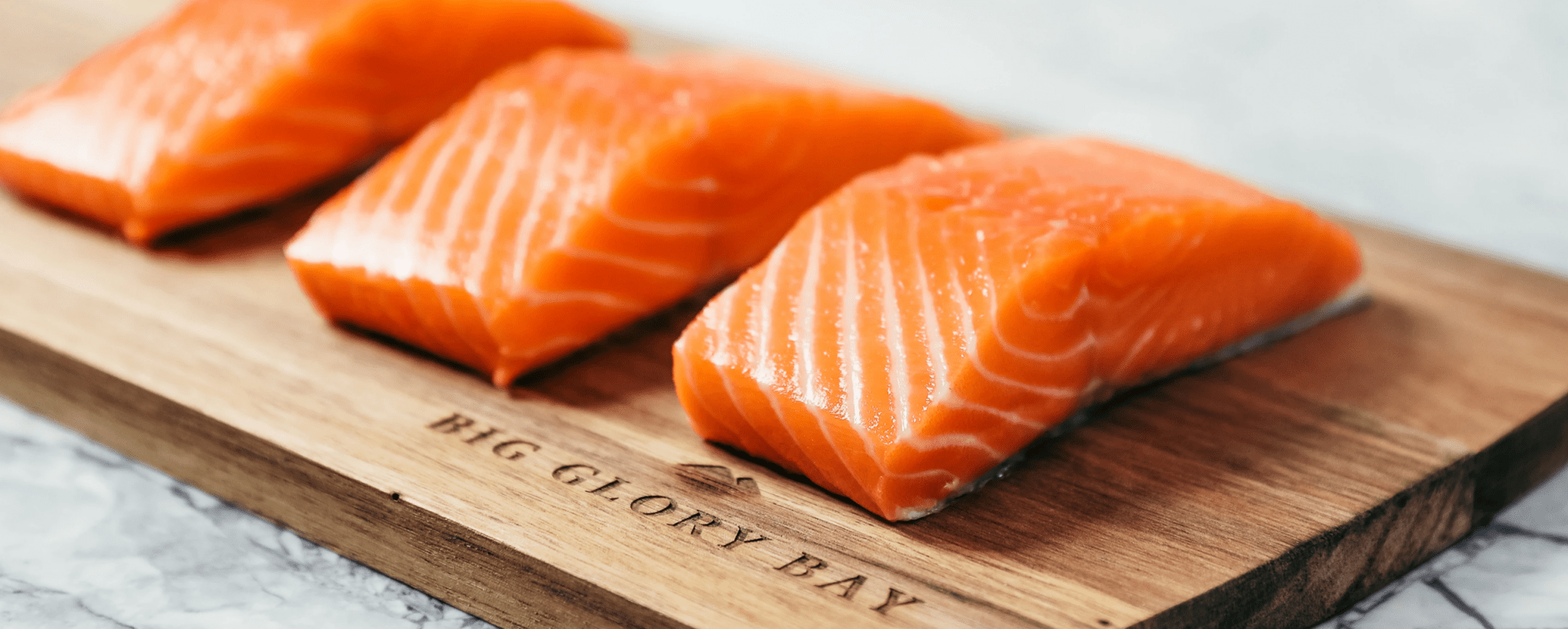
Raw salmon fillets on a board, ready to cook.
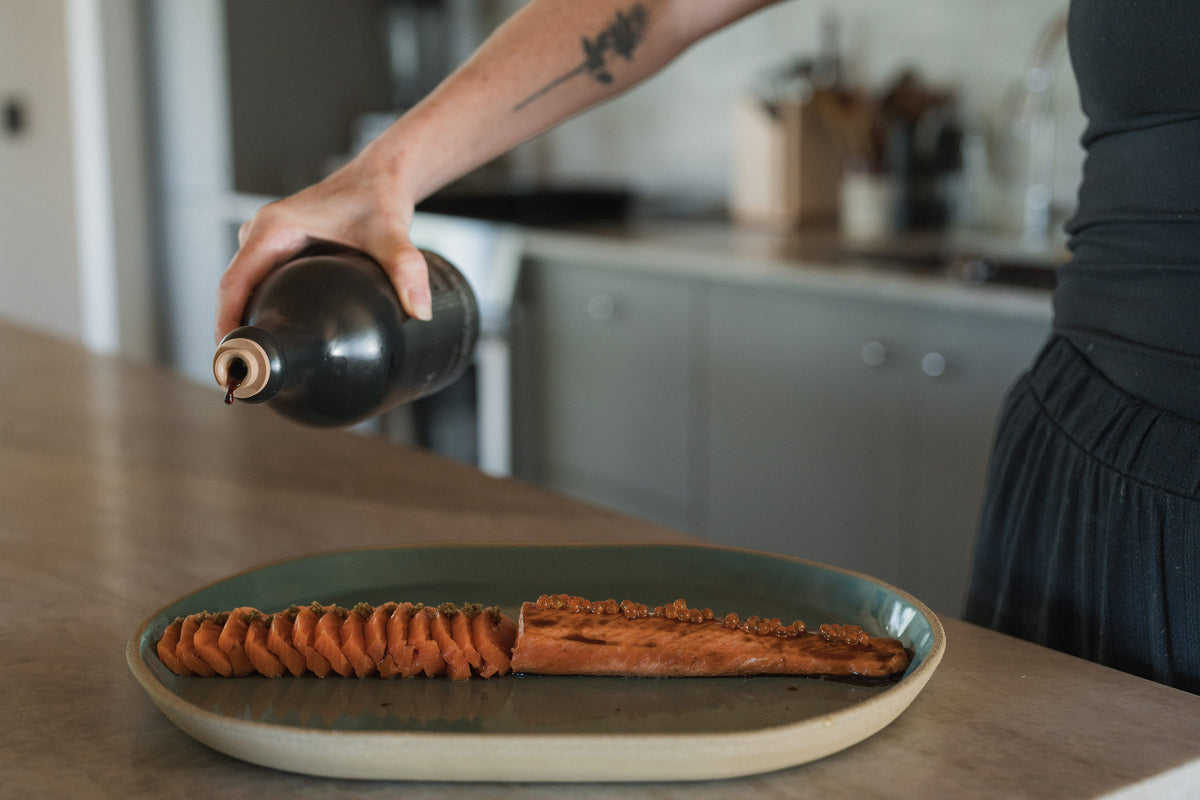
Dressing a platter of sliced salmon in a home kitchen.

Chapter 5 · Cooking to protect omega-3s

Reduce heat, air and time.

EPA and DHA are fragile. Their structure has several weak points that break down with heat and oxygen, a process called oxidation. The more heat, air and time, the more omega-3 you lose.

Cooking methods ranked

Best

Poach, steam, sous vide

Low, controlled heat (usually under 200°F) and little contact with air. The gentlest option.

Good

Bake or roast at 275–325°F

Short cook time; pull before it’s opaque all the way through. Wrapping in foil or parchment (en papillote) keeps air out.

Okay

Quick sear, grill, air fry

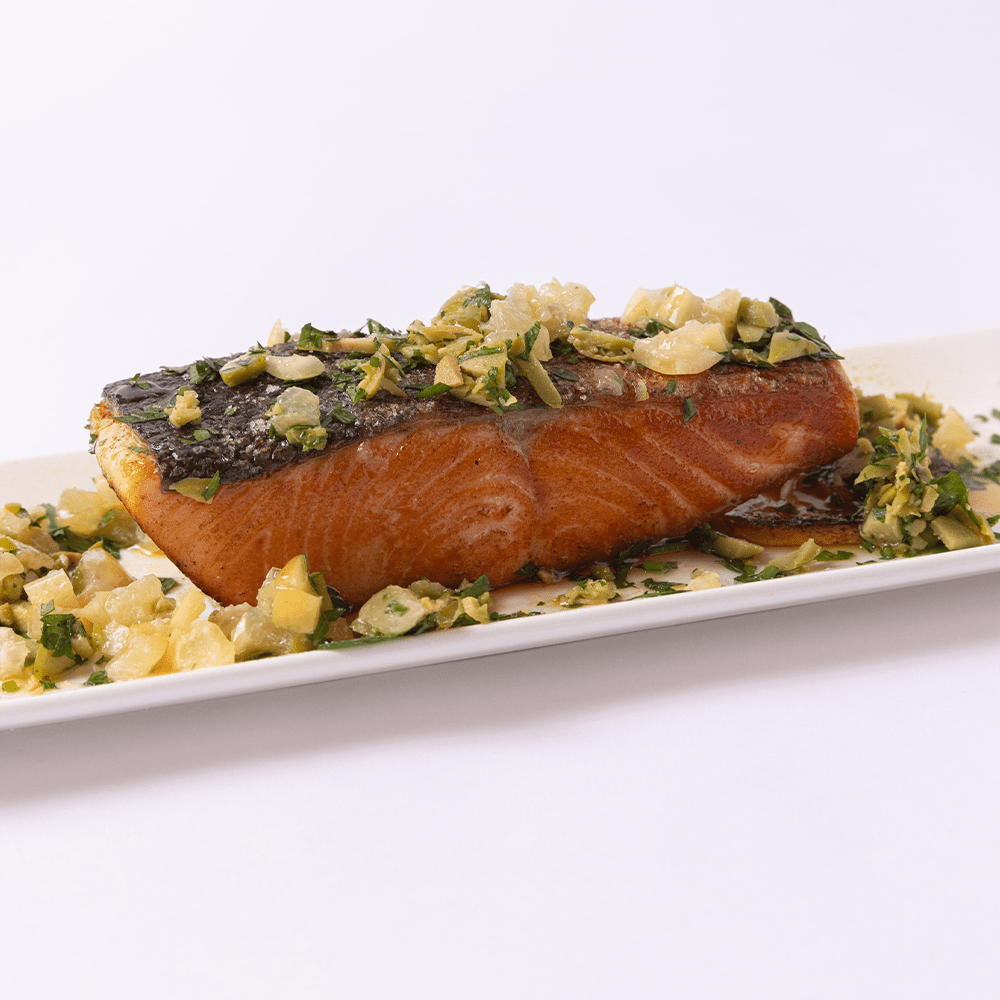
High heat but brief. Sear hot and fast, skin-side down first so the skin shields the flesh.

Minimize

Deep frying, long pan frying

High heat plus hot oil and air does the most damage to omega-3s.

A platter of sliced salmon on a garden table.
  • gentlest: poach, steam, sous vide

Chapter 5 · Cooking to protect omega-3s

Practical rules

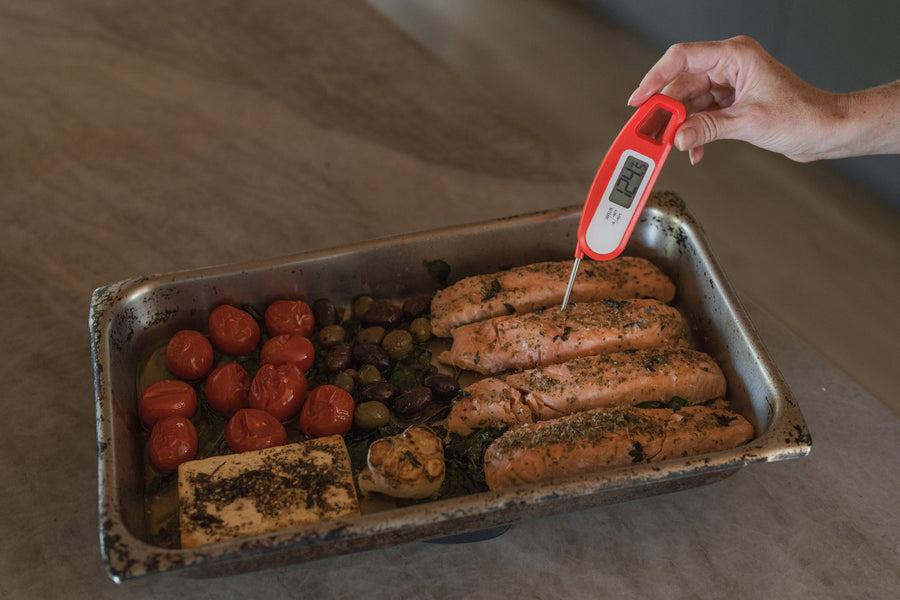
A thermometer checking a tray of baked salmon fillets.

Cook to medium, not well-done.

Pull salmon or steelhead at 120–130°F inside; it will rise to about 135°F as it rests. Every extra minute of heat means more oxidation.

Lemon squeezed over salmon on a sheet pan.

Favor moist methods.

Poaching in broth or olive oil, steaming and en papillote baking all limit air exposure.

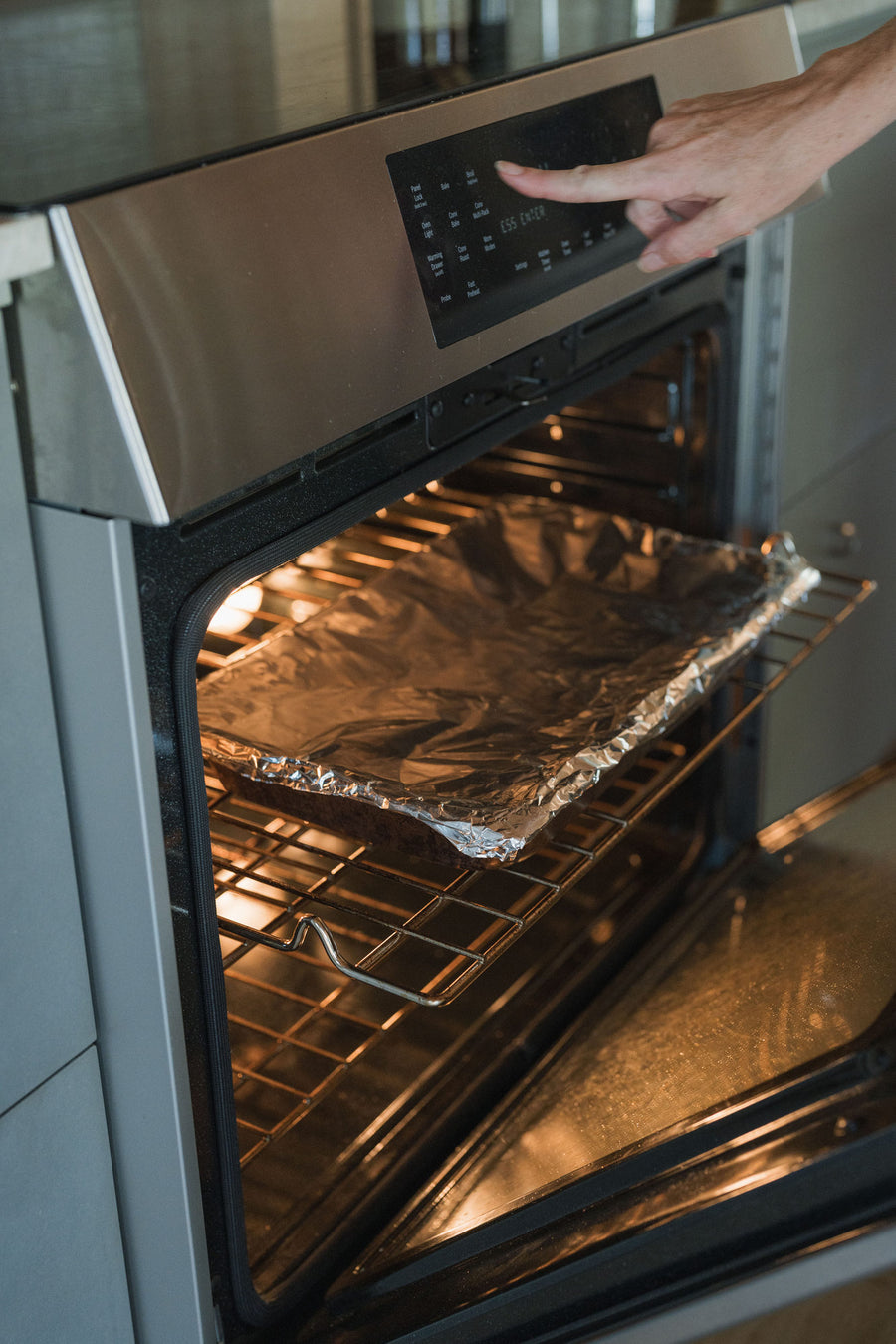
A tray of salmon going into the oven.

Reheat gently, or not at all.

Warm leftovers in a low oven or steamer, or eat them cold in a salad or poke bowl. Avoid microwaving on high or re-searing.

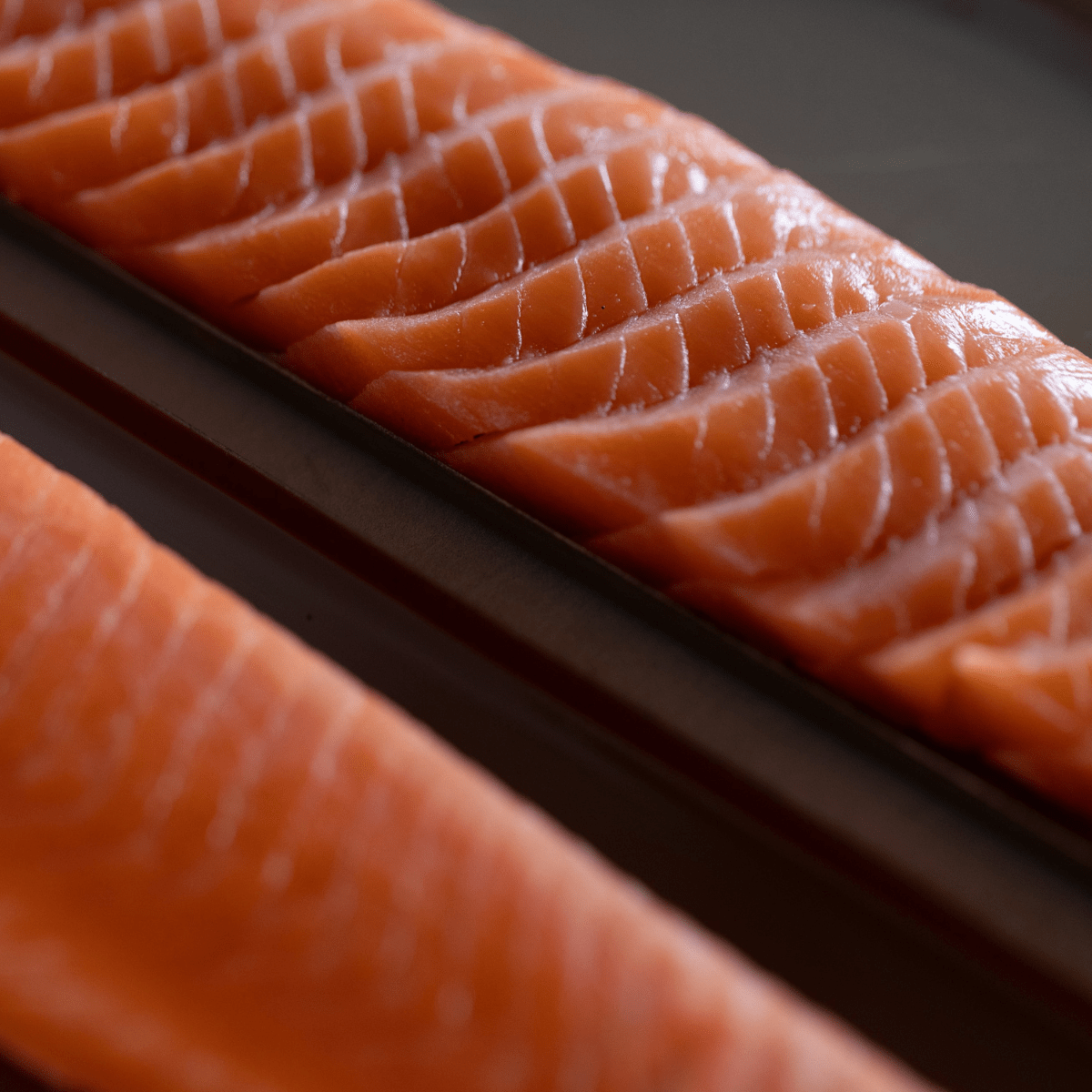
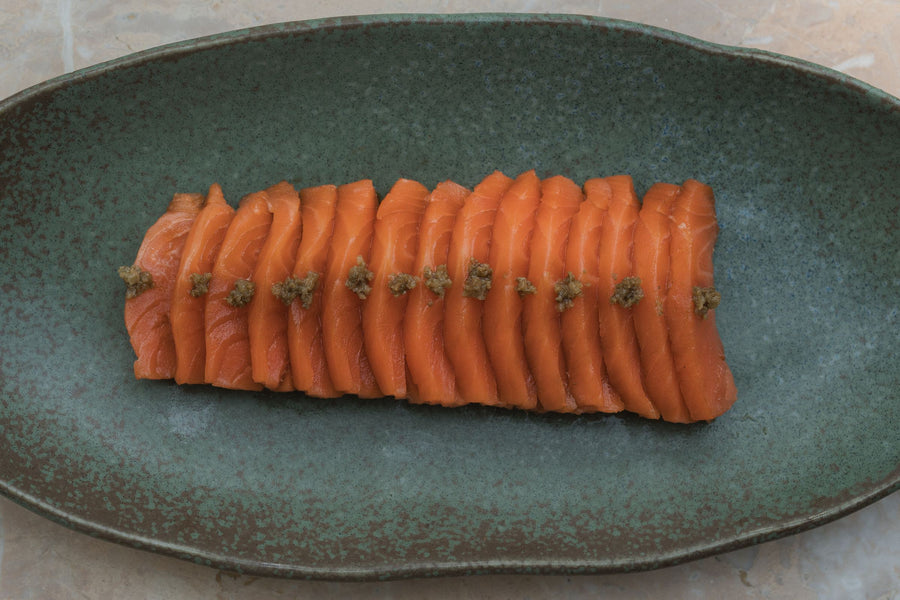
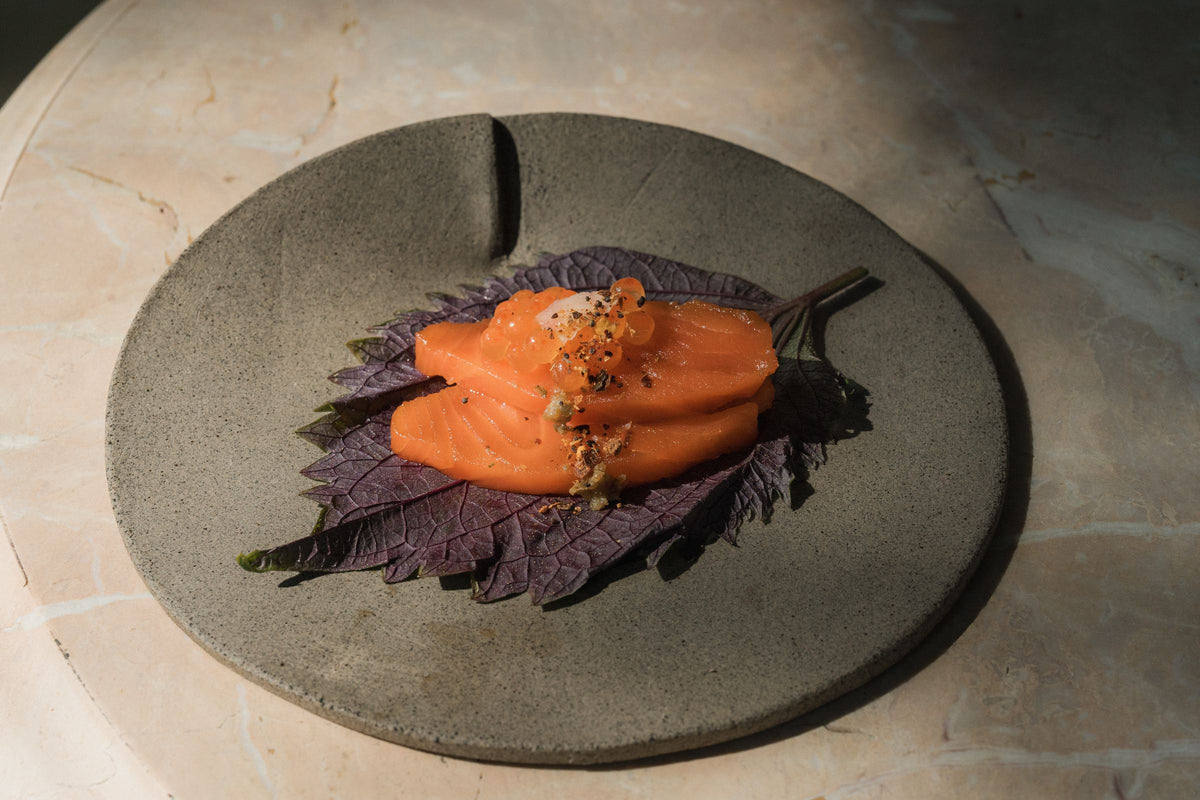
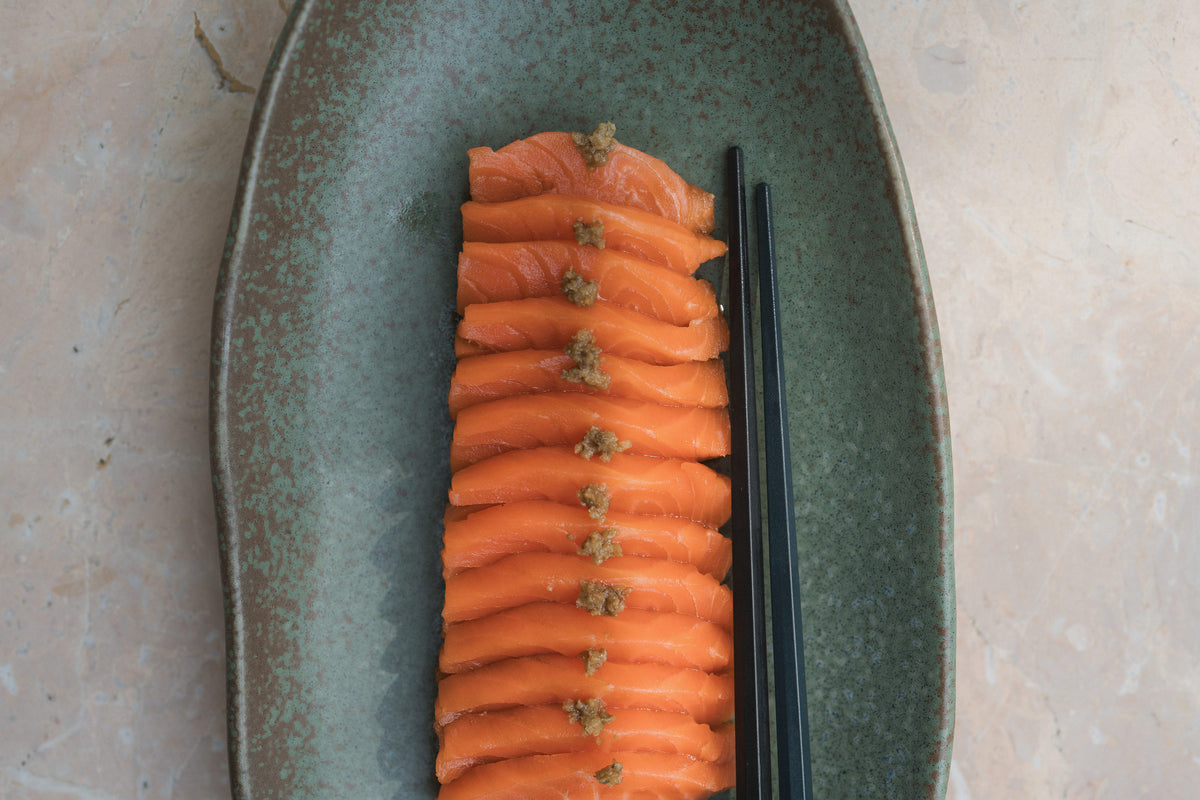
Sashimi slices on a ceramic plate.

Raw and lightly cured keep the most.

Sashimi, poke, crudo and ceviche skip heat entirely, so you get the full omega-3 content of a sashimi-grade portion.

Takeaway

Low heat, less air, less time. Raw or gently cooked fish keeps the most omega-3s.

Raw and undercooked

Eating raw or undercooked seafood may increase your risk of foodborne illness. The FDA conservatively suggests cooking to an internal temperature of 145°F.

Pregnant?

Cook fish to 145°F. Poaching, steaming and en papillote cook fish all the way through gently. More in pregnancy and breastfeeding.

Chapter 6

Absorbing and using omega-3s

Getting EPA and DHA onto your plate is only half the job. Omega-3s are fat-soluble, so what you eat them with changes how much your body takes in and keeps.

Four habits that help

01

Eat them with fat.

Your body needs bile to absorb omega-3s, and bile is released when you eat fat. A drizzle of olive oil, some avocado, or the fish’s own skin-on fat is enough.

02

Pair them with vitamin E.

Vitamin E sits beside omega-3s in your cell membranes and protects them from oxidation.

03

Keep vitamin D in the mix.

Vitamin D is another nutrient fatty fish supplies. We test and publish omega-3, protein, selenium, vitamin D and B12.

04

Watch your omega-6s.

Omega-3 and omega-6 fats compete for the same spots in your cell membranes and the same enzymes. Fewer seed oils means more room for omega-3s to work (see Chapter 3).

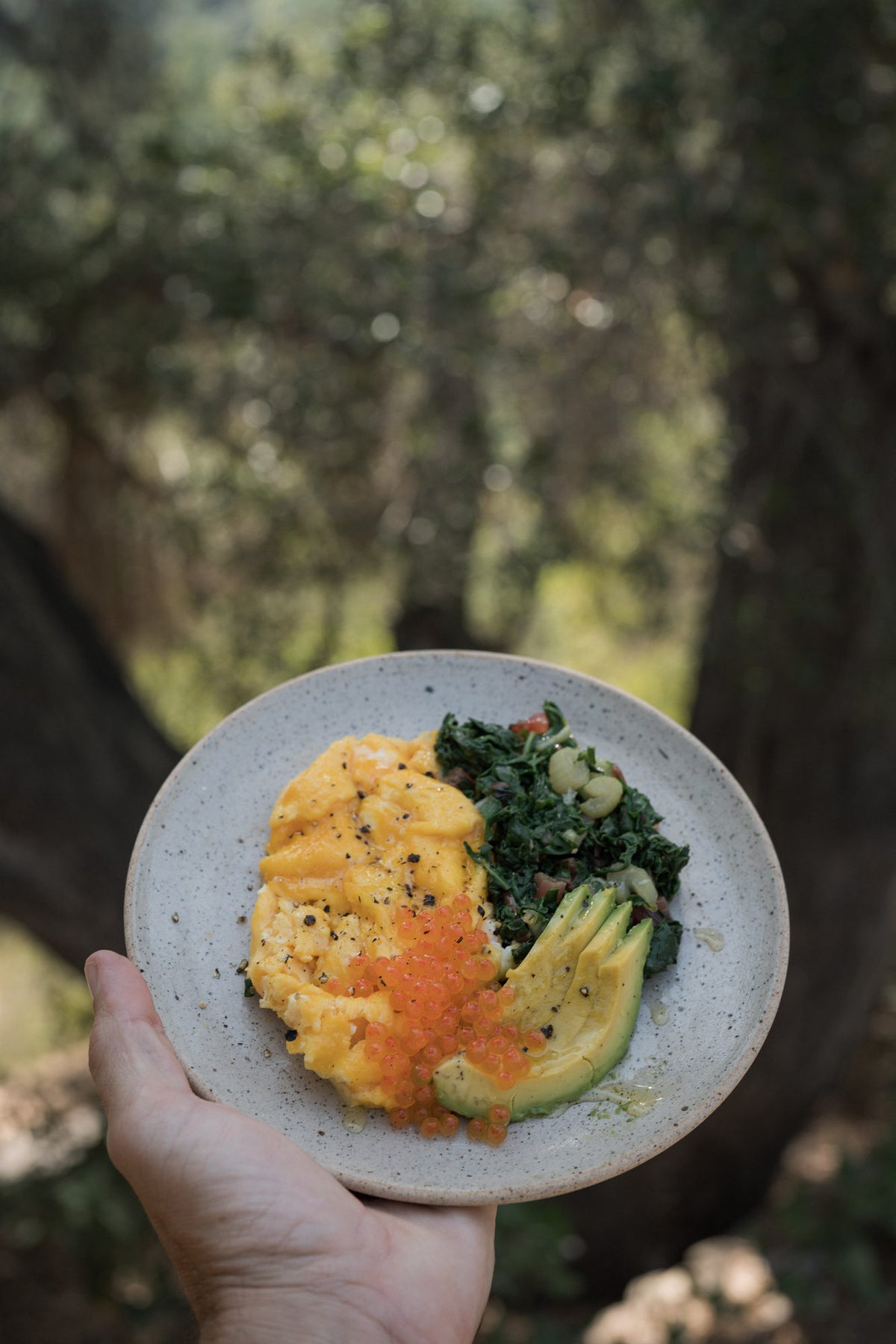
A plate of eggs, salmon roe and avocado held in one hand.
  • with fat
  • with vitamin E
  • with fewer seed oils

Whole food vs. supplements

A capsule gives you two molecules. A fillet gives you the whole matrix.

Supplements can have a useful place, including for people who don’t eat seafood or have specific nutritional needs.

Chapter 6 · Absorbing and using omega-3s

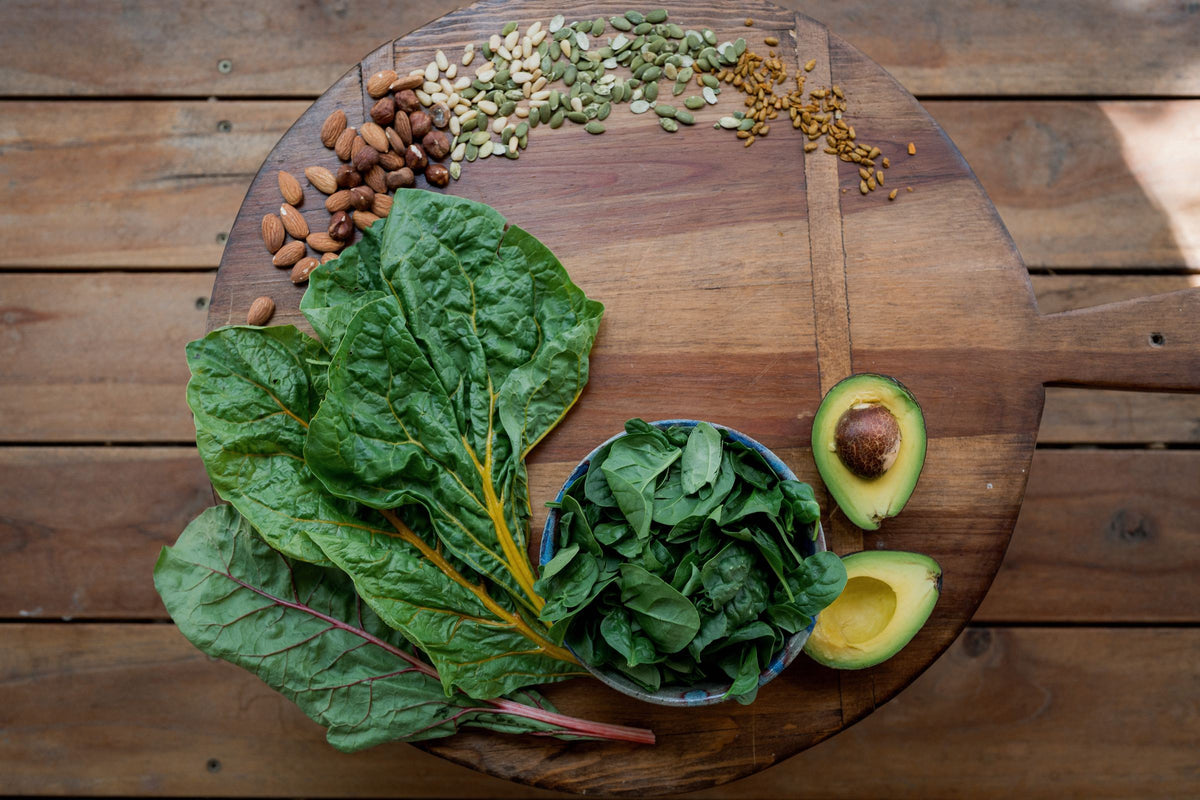
Vitamin D and vitamin E sources

Vitamin D sources

  • Fatty fish like salmon, trout, mackerel, sardines and herring (the same fish that are high in omega-3s)
  • Egg yolks
  • Beef liver

Vitamin E sources

  • Sunflower seeds
  • Almonds and hazelnuts
  • Peanuts and peanut butter
  • Avocado
  • Spinach and Swiss chard

Pregnant?

Beef liver is very high in preformed vitamin A. Ask your OB about liver and vitamin A during pregnancy.

Chard, spinach, avocado, almonds and seeds on a round wooden board.

Chapter 7

Putting it all together

A weekly target

2–3

servings a week, from the FDA/EPA Best Choices list.

Start with FDA/EPA’s 2–3 servings a week, test your Omega-3 Index, and adjust from there.

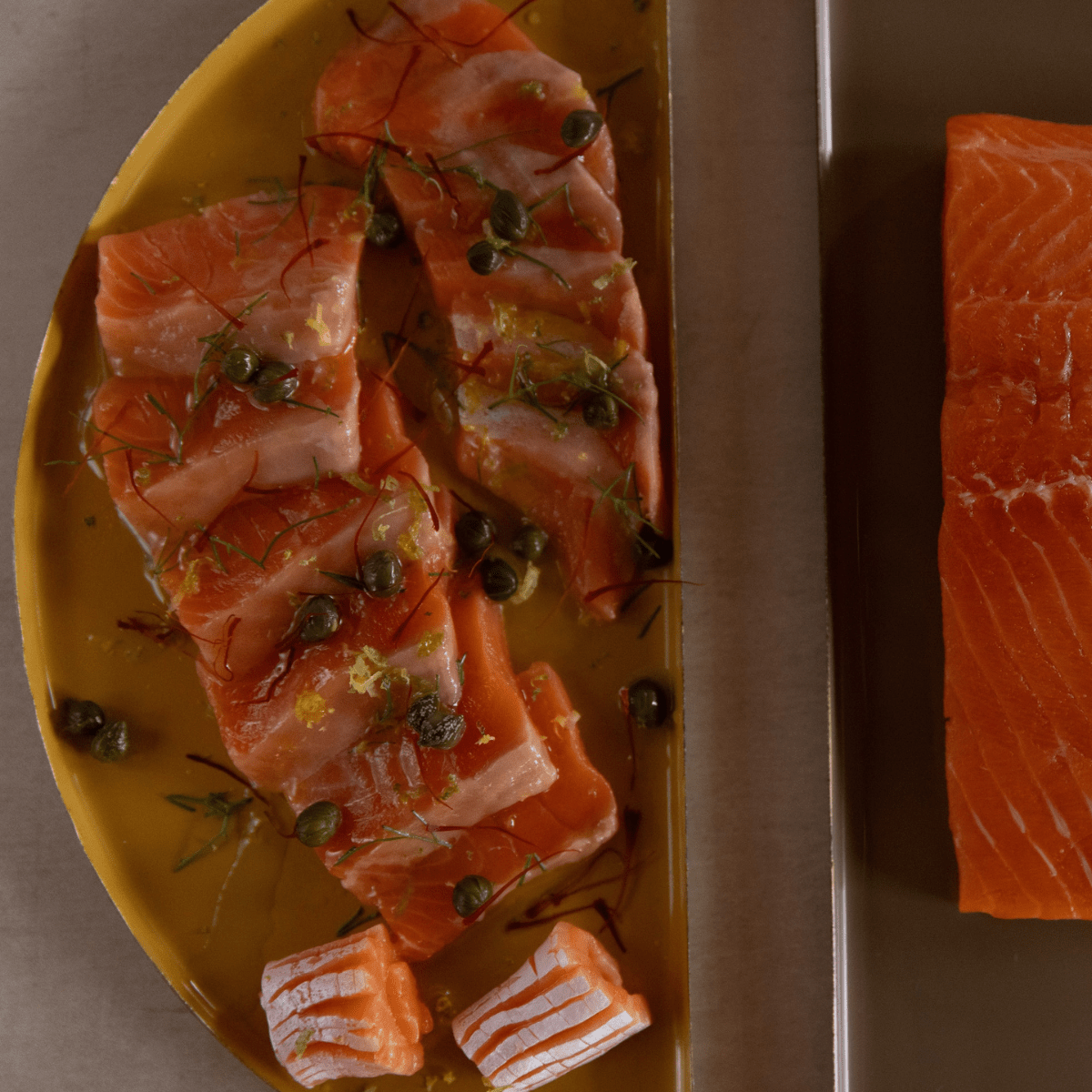
Salmon crudo on a platter, seen from above.

Chapter 7 · Putting it all together

Quick checklist

  • Test your Omega-3 Index and omega-6:omega-3 ratio, then retest after 3–4 months.
  • Buy fattier, cold-water fish first (salmon, steelhead).
  • Cut back on refined seed oils and processed foods.
  • Keep portions frozen until the day you cook them; thaw overnight in the fridge.
  • Default to poaching, steaming, low-temp baking or a quick sear.
  • Cook to rare or medium, not well-done — pull it a little earlier than you think.
  • Eat it with fat and vitamin E: olive oil, avocado, nuts or seeds.
  • Try a raw preparation (sashimi, poke, crudo) now and then: nothing is lost to cooking.
  • If you supplement, choose a fresh, third-party-tested product and take it with a meal.
Cubing a salmon fillet on a dark cutting board.

If you’re pregnant or breastfeeding

What FDA and EPA recommend

FDA and EPA recommend 2 to 3 servings a week, 4 oz each, from their “Best Choices” list for people who are pregnant or breastfeeding. Salmon is on that list.

Read the FDA/EPA advice about eating fish

Raw and smoked fish

Farmed fish are exempt from the FDA Food Code’s parasite-freezing rule. We blast-freeze at harvest anyway.

Freezing doesn’t eliminate Listeria, though, so standard pregnancy guidance still recommends cooking fish to 145°F and avoiding cold-smoked fish.

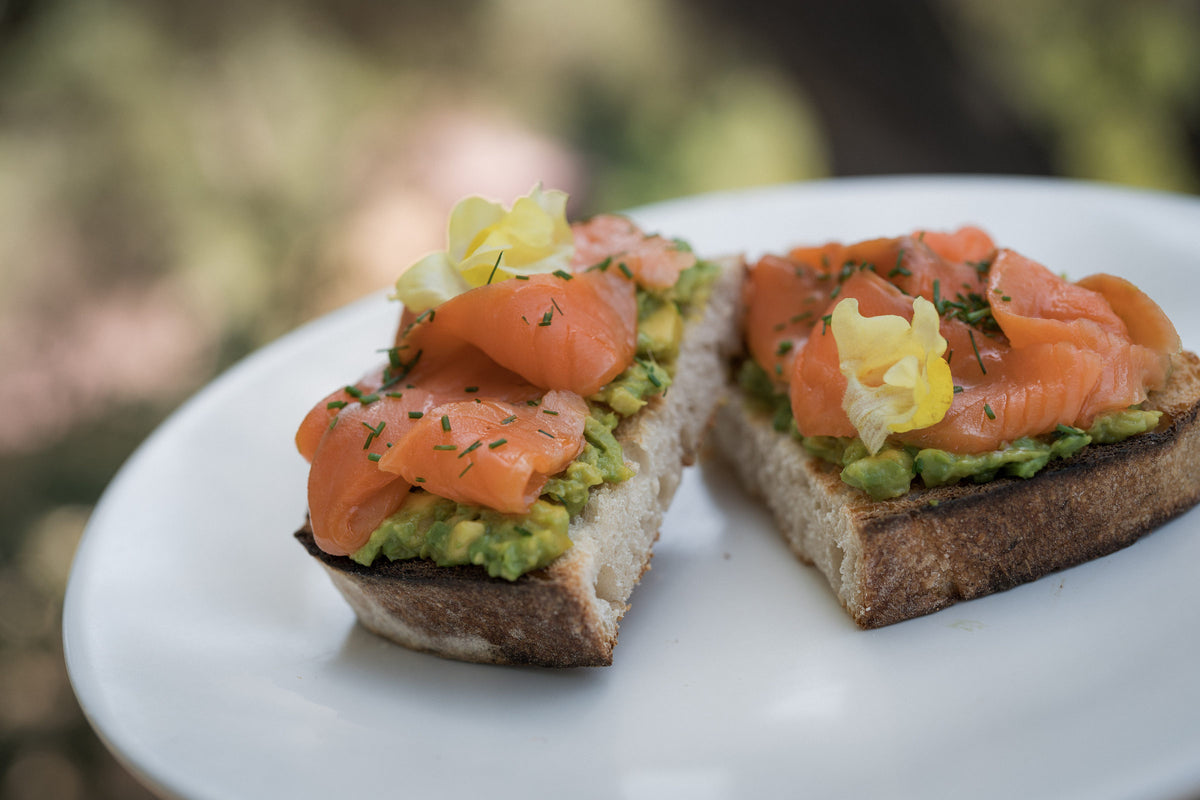
Smoked salmon on toast with avocado, chives and edible flowers.

Chapter 8

Recipe ideas

Raw: the most omega-3s

Easy ways to work salmon or steelhead into your week, grouped from most omega-3s kept to least. Every idea works with either fish.

No heat means nothing lost to cooking. Pair with avocado, sesame, olive oil or seaweed so the fat helps you absorb it.

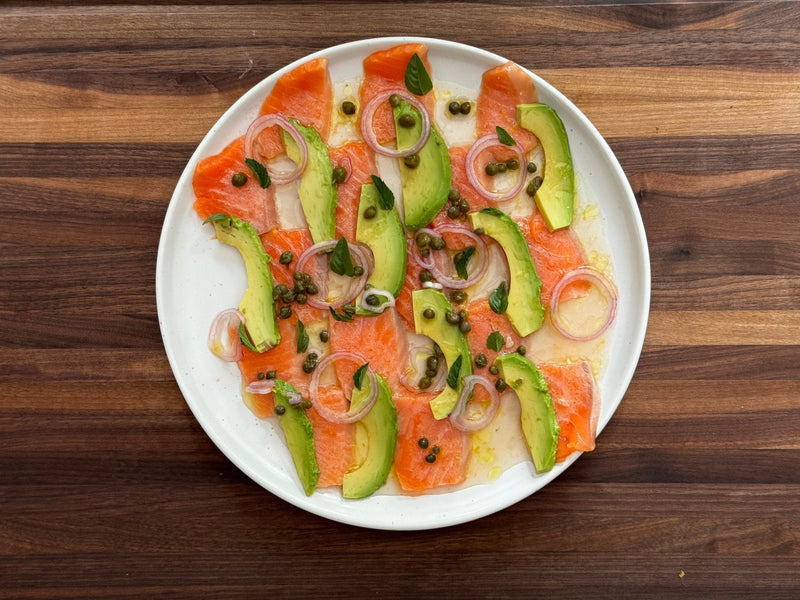
Crudo
Thin slices with good olive oil, citrus, flaky salt and a few herbs. Ready in five minutes.Steelhead loinScallops
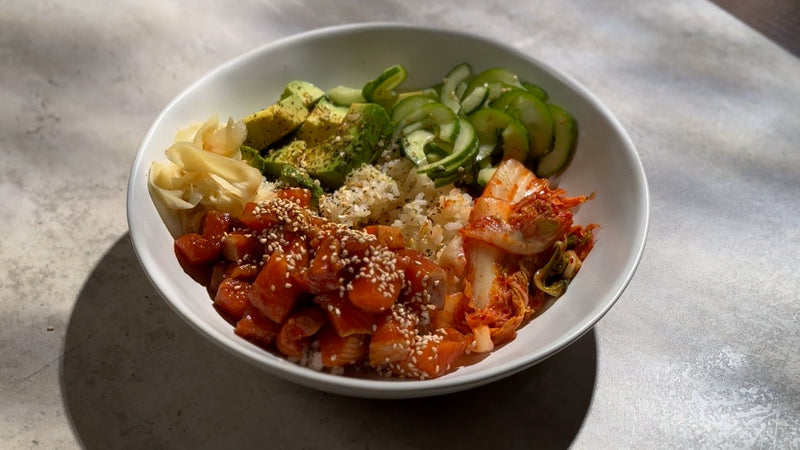
Poke bowl
Cubes tossed with tamari, sesame oil and scallion, over rice or greens with avocado and cucumber.Atlantic salmon
Sushi or sashimi
Sliced over seasoned rice, or on its own with a little wasabi and pickled ginger.King salmonAtlantic salmonSteelhead loin
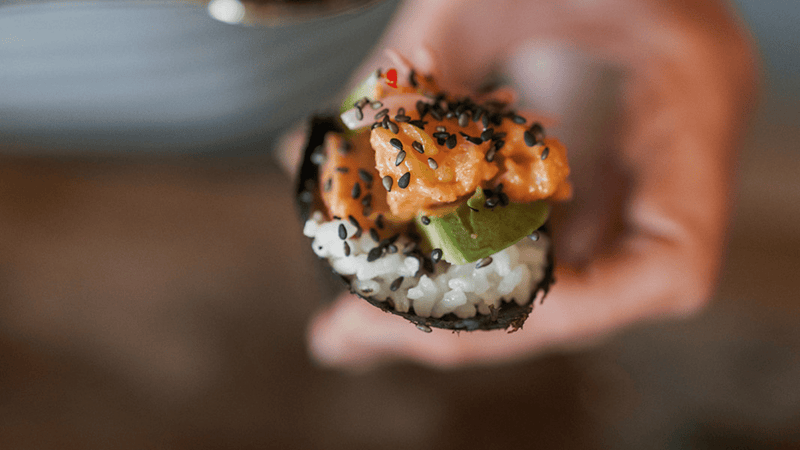
Hand rolls
Nori, a spoonful of rice, a strip of fish, avocado and cucumber. Set everything out and let everyone roll their own.Atlantic salmon
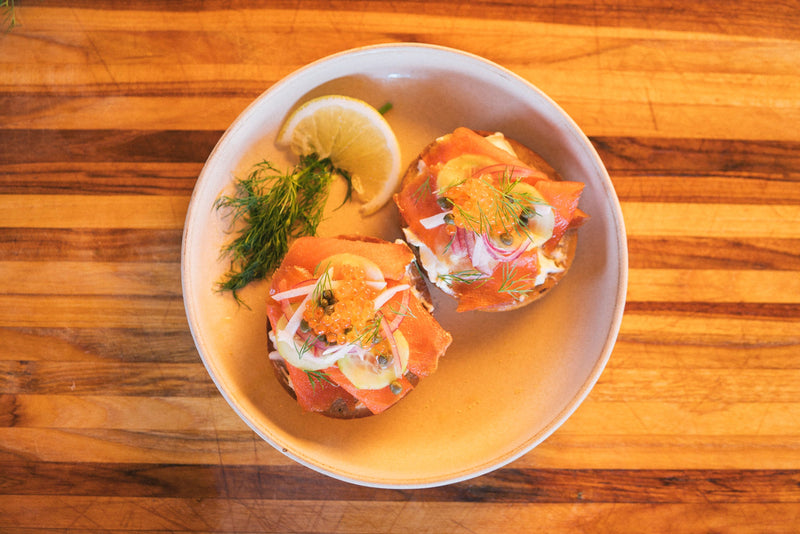
Cold-smoked lox
Ready to eat as it comes, with no cooking step.Steelhead lox

Pregnant? Skip raw and cold-smoked fish (see pregnancy and breastfeeding).

Eating raw or undercooked seafood may increase your risk of foodborne illness. The FDA conservatively suggests cooking to an internal temperature of 145°F.

Gently cooked in liquid: most omega-3s kept

Low heat and liquid keep oxygen out, so these are the best cooked options.

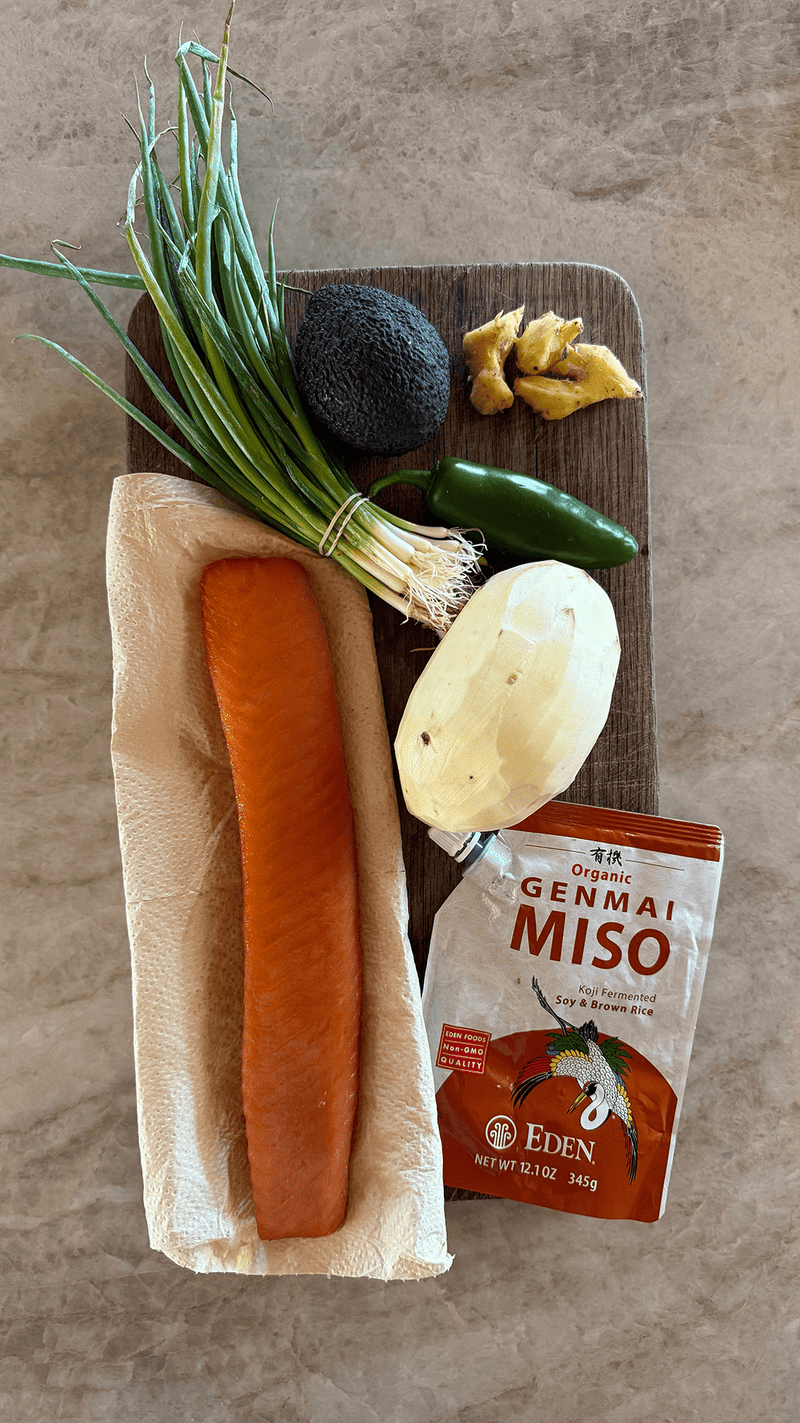
Poached in miso soup
Bring the broth to a bare simmer, not a boil. Add bite-size pieces with tofu and greens, and turn off the heat once the fish turns opaque. Stir in the miso last.
Chowder
Build the base first (potatoes, leeks, corn, broth or milk). Add chunks of fish in the last few minutes and let them cook through in the hot soup, off the boil.
Any soup or stew
The same rule works everywhere: add the fish last, keep the heat low, and stop cooking as soon as it’s done.
Sliced salmon and chopsticks on a plate, from above.
  • a simmer, not a boil

One-pan bake: easy and still good

Sheet-pan or parchment bake
Put fish and vegetables (asparagus, cherry tomatoes, fennel, lemon slices) on one pan with olive oil. Bake at 275–325°F until just done. Wrapping each portion in parchment (en papillote) keeps air out and the fish moist.
Smoked fish: a treat, not the staple
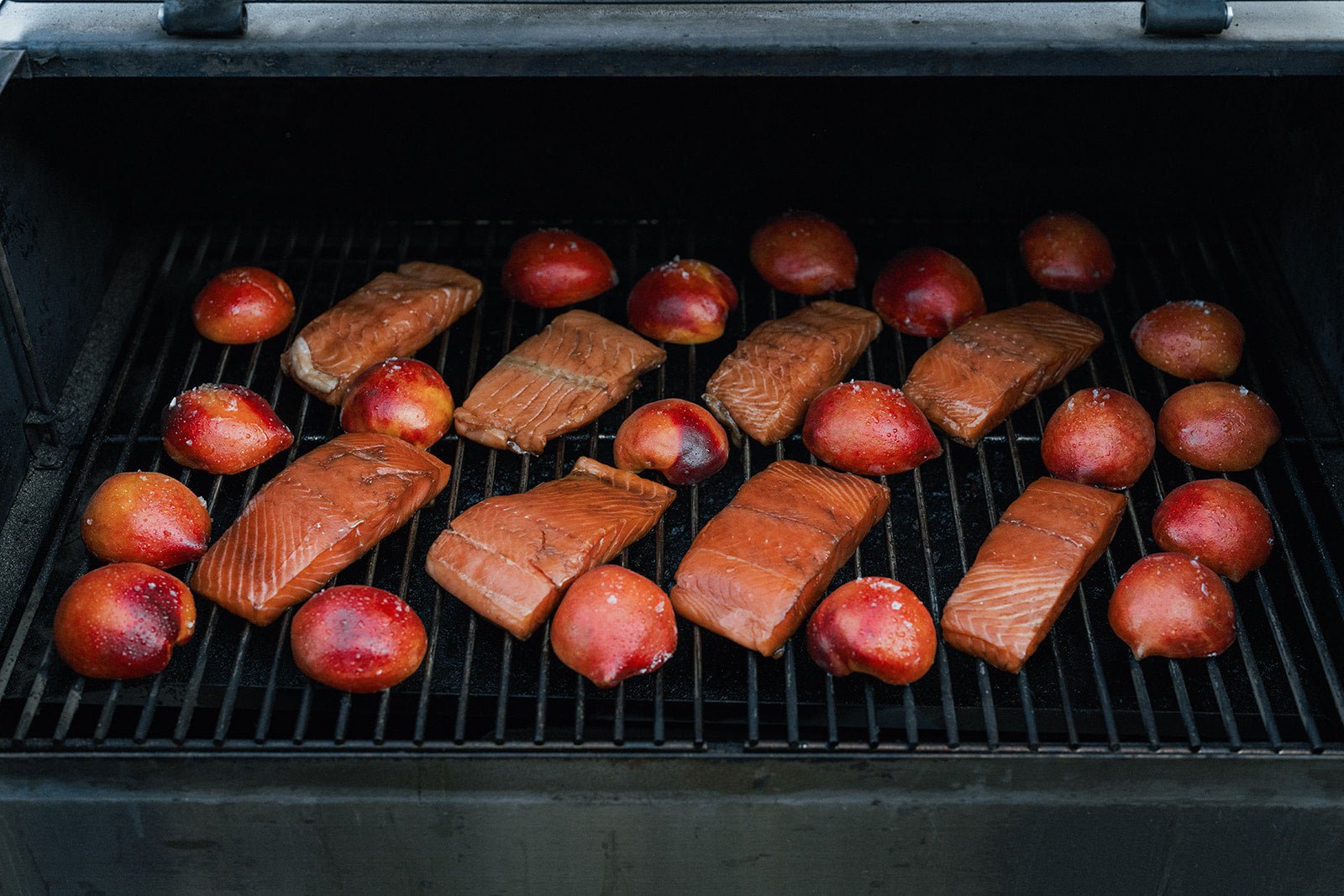
Hot-smoked at home: brine, then smoke low and slow until the fish flakes. Smoking takes longer than other methods, so you’ll lose more omega-3s. Enjoy it for flavor and variety, and flake it onto salads, eggs, toast or pasta.
Salmon fillets, tomatoes, olives and feta on one sheet pan.

What arrives

Frozen at harvest. Ready when you are.

Blast-frozen to -10°F at harvest, vacuum sealed. Keep portions frozen until the day you cook them, then thaw overnight in the fridge.

Blast-frozen, with a frozen delivery guarantee. See the terms.

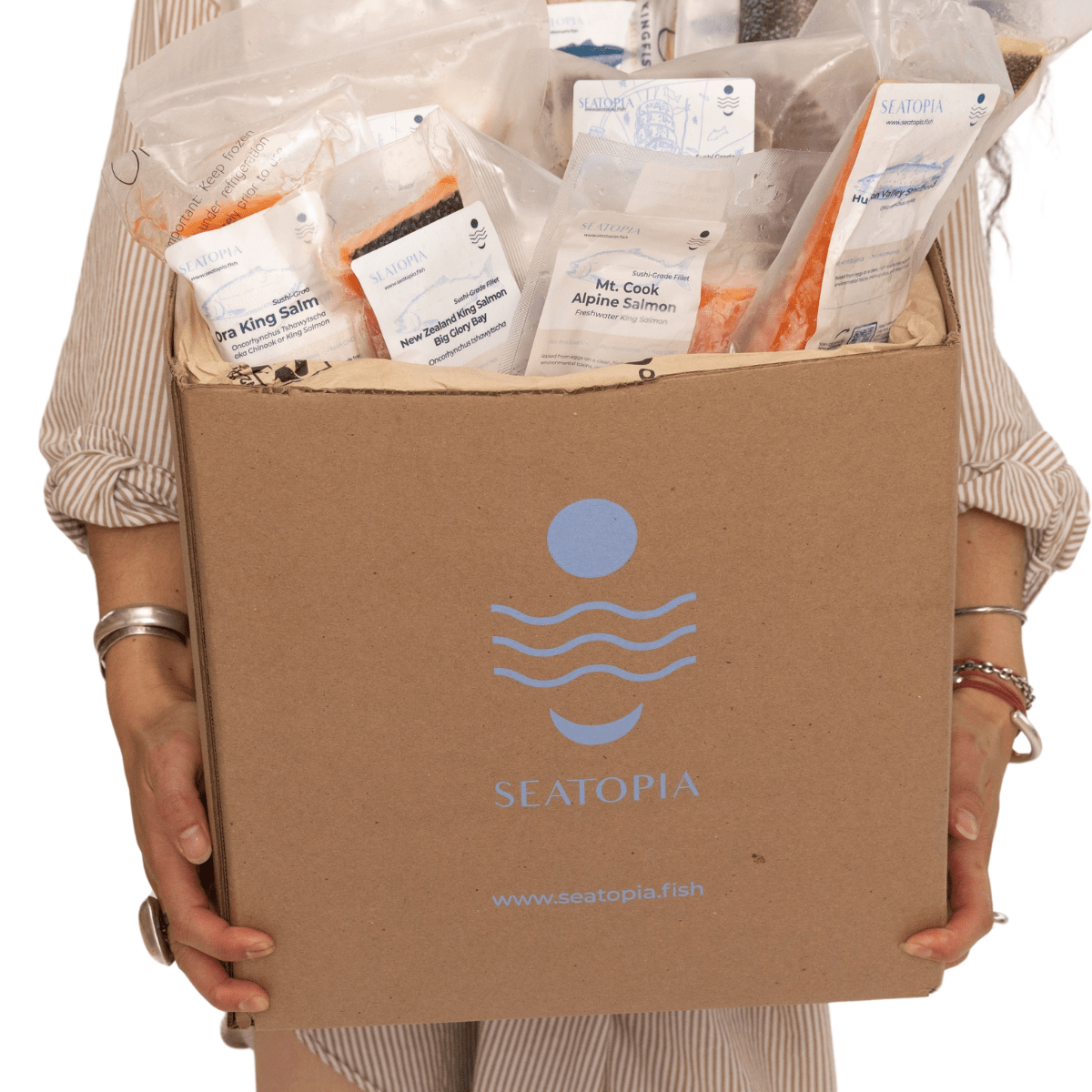
An open Seatopia delivery box of vacuum-sealed frozen seafood, from above.

Sources

  1. U.S. Food and Drug Administration and U.S. Environmental Protection Agency. Advice about eating fish.
  2. FDA Food Code 3-402.11, parasite destruction. Parasite destruction (as adopted).
  3. Seatopia. Lab results published on each product page, from third-party Certificates of Analysis by Edacious and EMSL.

Not estimated. Not assumed. Verified.

The Seatopia Standard™

Check our Data

Questions, answered

What counts as a serving?

We consider one portion to be 4 to 6 ounces of cooked fish, which matches the FDA’s definition of a serving of seafood. That is the guideline behind how much fish by weight goes into a box described in servings. Some of our fish, such as king salmon, come in larger pieces of 7.5 to 8.5 oz, so a single piece can be two nutritional servings.

Many of our members work with a nutritionist or practitioner, or use an app, to decide what they should be eating for protein, fats or specific nutrients. The right amount and frequency for you is personal, and our job is to give you the data that makes the decision easy.

Is this sashimi grade?

There is no official or regulated definition of “sashimi-grade” or “sushi-grade” fish in the United States. Sellers use the terms to signal that fish is safe to eat raw, but they are not a certification or a legal standard. So here is ours.

All of our seafood is vacuum sealed and blast frozen to -10 °F at peak freshness, which preserves taste, texture and colour, and is processed in an accredited facility. It is lab tested for mercury and microplastics. Farmed fish raised on formulated feed are exempt from the FDA Food Code’s parasite-freezing rule, and we blast-freeze at harvest anyway. That is what sashimi-grade means to us.

There is always some risk in eating anything raw or undercooked. If you are concerned or particularly sensitive, consult your doctor. The FDA conservatively suggests cooking to an internal temperature of 145 °F.

Is your seafood mercury free?

Most fish naturally contain trace amounts of mercury, and it is close to impossible to find seafood that is genuinely “mercury free.” Mercury can sit below what a test can detect, so “mercury free” may not be true even when a result reads zero.

That is why we talk about mercury safe instead, and why we define it: our standard is 0.1 ppm methylmercury or below, a tenth of the FDA’s 1.0 ppm action level. Every supplier is tested against that standard before we approve them, then audited at random to make sure they stay compliant.

We also test selenium and look at the selenium-to-mercury ratio, because selenium in fish binds mercury so that less of it is absorbed.

FDA and EPA recommend 2 to 3 servings a week, 4 oz each, from their “Best Choices” list for people who are pregnant or breastfeeding. Salmon is on that list.

Is it microplastic free?

We do not claim to be “microplastic free.” As with mercury, particles could exist below what a test can detect, and some scientists think nanoparticles may be everywhere on earth.

What we can say is that samples from every farm in the Seatopia portfolio have been tested and no microplastics were detected, which means no particles showed up down to 1 micron: a thousandth of a millimetre. We ship samples straight from our warehouse to the lab, so it is the same fish that gets shipped to you, already cut, blast frozen and vacuum sealed in its packaging.

Our fish is vacuum-sealed for freshness and safety, and the best available science suggests microplastics come more from what is inside the fish than from what it is wrapped in. Microplastics usually enter a fish through the food chain, when it eats contaminated prey or feed. That is why we lab test the edible portion of the fish itself. If a sample does not pass our microplastic threshold, we do not sell that fish.

How often do you test?

All new species from new farms are tested before joining the Seatopia portfolio. For example, branzino is a species we buy from Esteros Lubimar, a farm. We then test multiple samples from all suppliers at random to make sure they stay compliant with the standard.
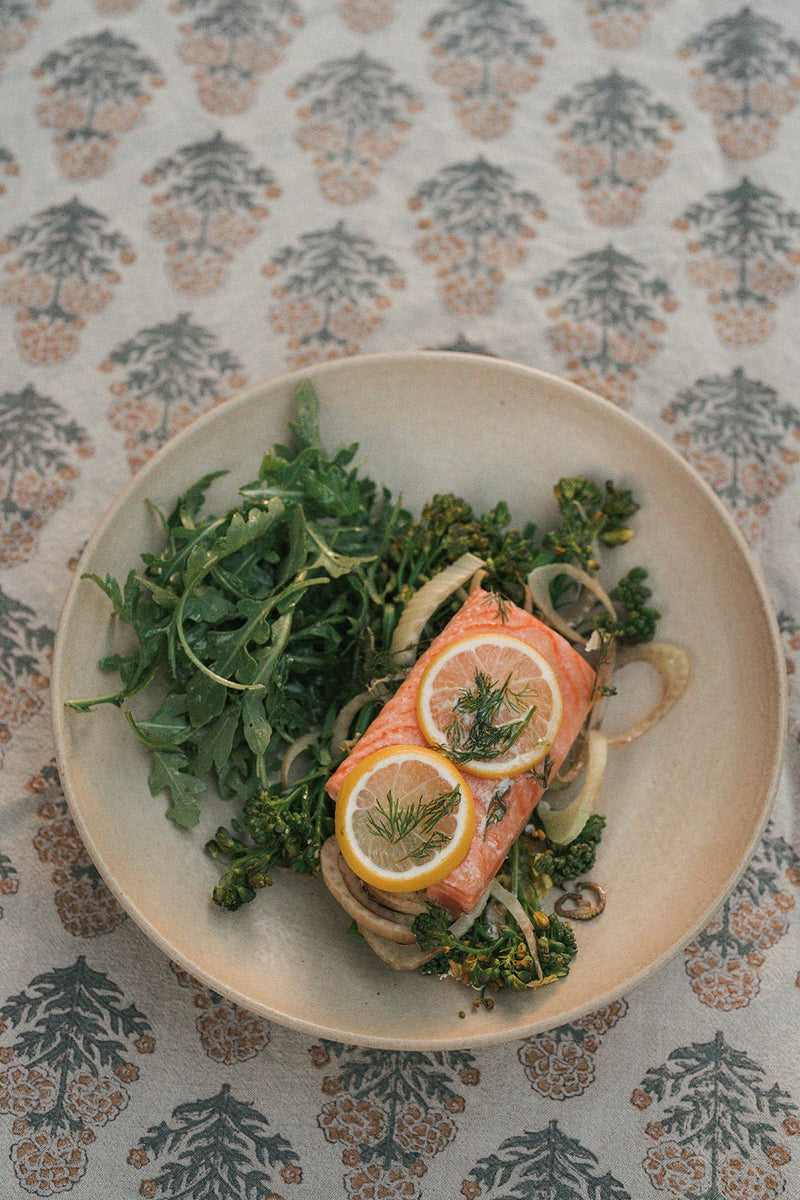
Testing random samples is the best way for us to keep products compliant today. As testing costs come down we will increase both the frequency and the number of analytes.

Get started with a curated box

Pick your seafood. Choose your size and check out on the next page.
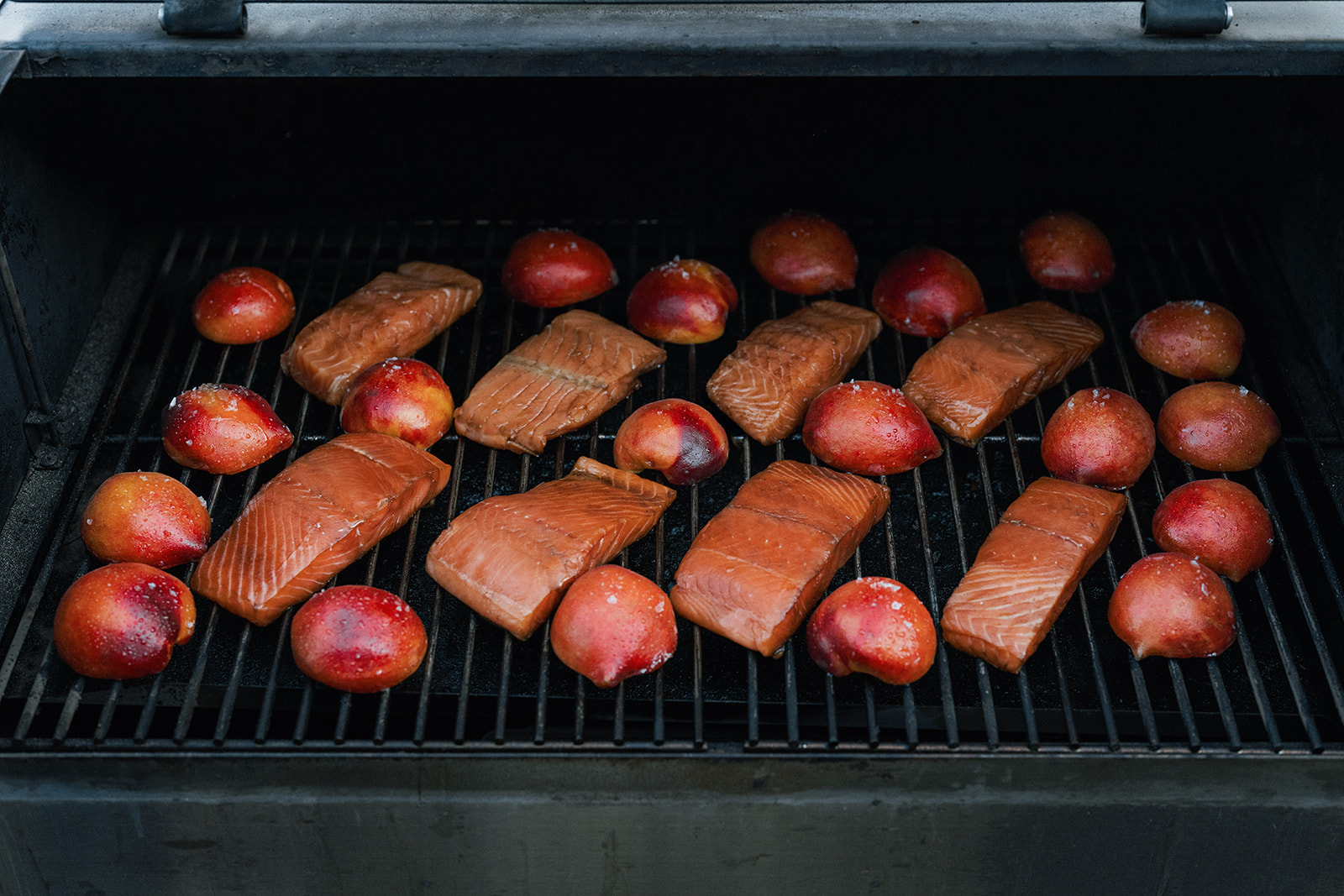
Get started with a curated box