- por Miriam Thom
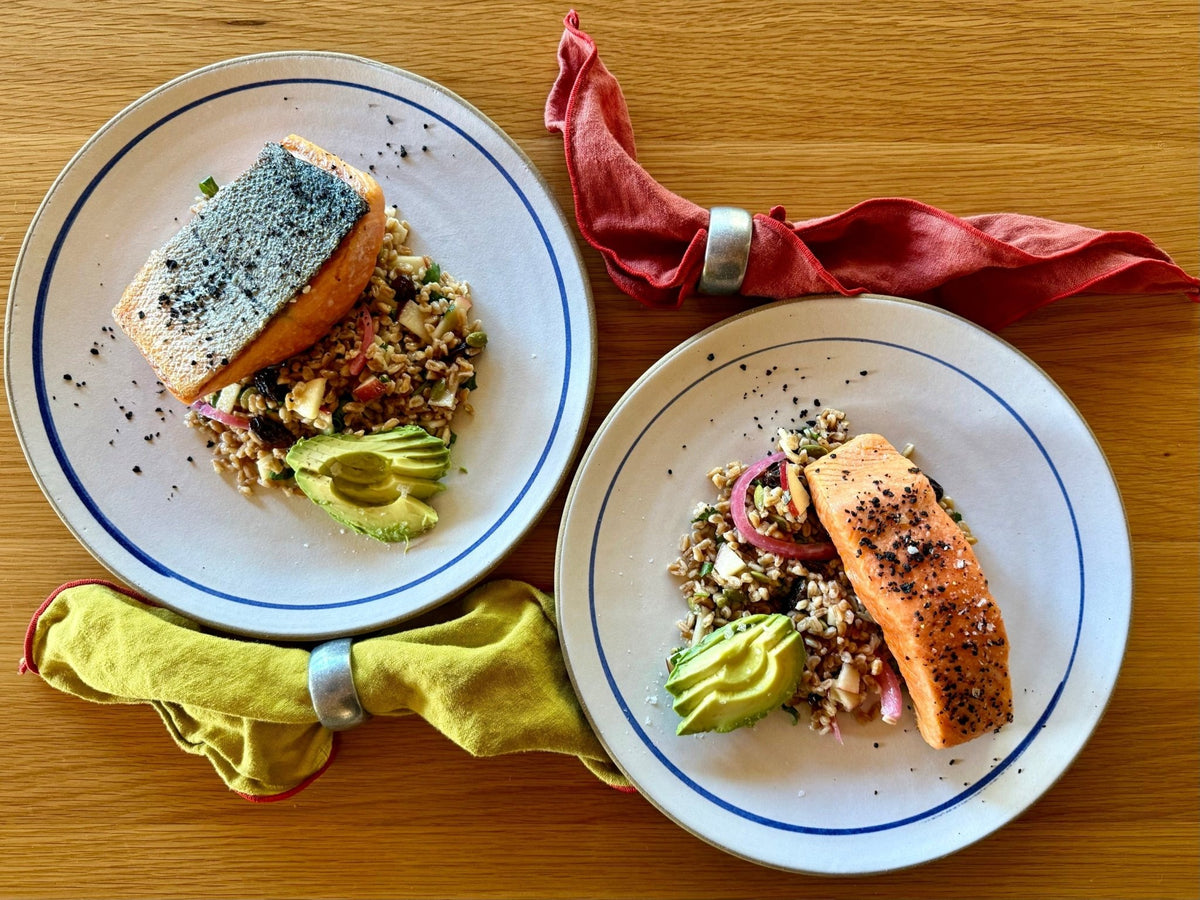
Urfa Pepper King Salmon with Warm Apple & Farro Salad
- por Miriam Thom

From the Seatopia kitchen In-house
Recipe by Miriam Thom
Culinary Education at Seatopia — she develops the recipes that ship with the boxes and teaches the member cooking classes
Serves 2 generously · about 40 minutes · one pot, one oven-safe skillet
This is the salad you want when the weather turns and a cold plate stops sounding appealing. Farro cooked until it is tender but still chewy, loaded while it is hot so the raisins plump and the apple softens just at the edges, then dressed warm with lemon, Dijon and grated garlic. It is substantial without being heavy — the thing a grain salad is supposed to be and usually is not.
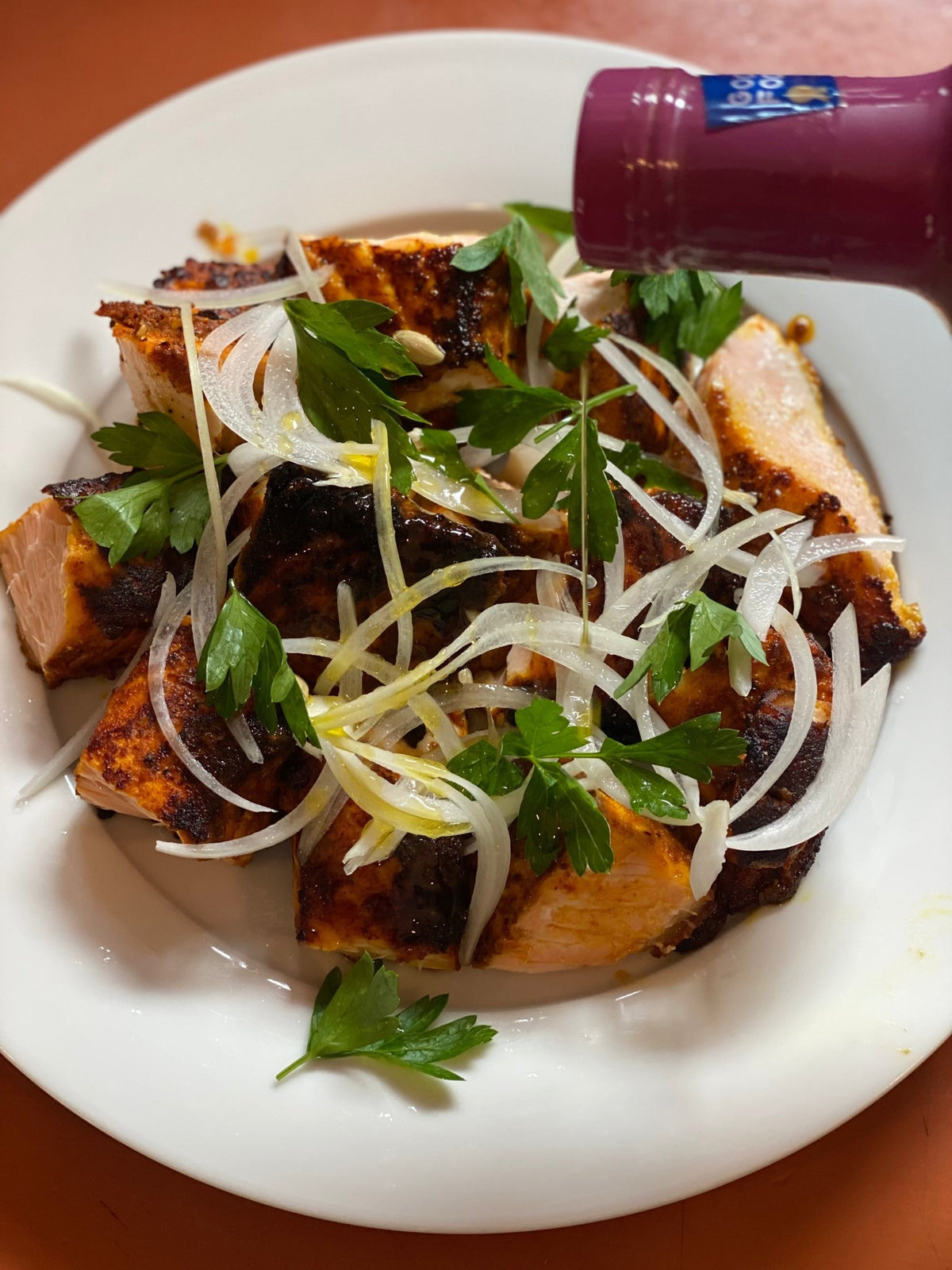
The fish is doing two jobs. Crisp skin gives the plate its texture, and the fat in a King Salmon fillet is what carries the Urfa pepper — a dark, raisiny Turkish chili that would disappear on anything leaner. Sear it skin-side down for two or three minutes, finish it in a 375°F oven, and pull it at 120–125°F.
Built on Seatopia King Salmon, tested to the Seatopia Standard™. Recipe by Miriam Thom, who runs culinary education here and wrote the cooking classes that come with every box.
About 40 minutes
The farro sets the clock at 25 to 30 minutes. Prep the salad and whisk the dressing while it simmers, and the salmon only needs the last ten.
Serves 2 generously
Two 8.5 oz fillets and a cup of dry farro. Doubles cleanly for four — use two skillets rather than crowding one.
3.4 g EPA + DHA
Per 8.5 oz fillet, marine-derived. That is the number on the pack, not a supplement equivalent.
Better the next day
The farro keeps absorbing the dressing overnight. Pack the salad and the fish separately and eat it warm or cold.
Know the pepper
Urfa (you will also see it sold as isot) is dried in the sun by day and wrapped to sweat overnight, which is why it comes out almost black and tastes of raisin, tobacco and cocoa instead of straight heat. The heat arrives late and stays low. That slow, dark sweetness is what makes it sit so well against rich salmon and sweet apple — a hotter, brighter flake fights both.
Urfa / isot As written
Dark maroon, faintly oily, coarse. Raisin and cocoa up front, heat well behind it. Use a generous pinch — it is a finishing pepper, not a seasoning.
Aleppo / pul biber
The closest easy swap and the one named in the recipe. Brighter red, fruitier, a little hotter and a lot less smoky. Use the same amount.
Crushed red pepper flake
Works, but change the dose: use about a third as much, and add a pinch of smoked paprika to stand in for the missing depth.
Pips are relative heat within this trio, not a measurement. If your jar of Urfa smells like tobacco and leaves a little oil on your fingers, it is the good stuff.

Everything for the salad, prepped and portioned before the farro goes on.
Miriam Thom
15 minutes
40 minutes
A warm, autumnal farro salad that satisfies without sitting heavy — sweet-tart apple, dried fruit, cilantro, pickled onion and toasted pepitas against crisp-skinned Seatopia King Salmon and the slow, raisin-dark heat of Urfa pepper.
Bring 1 liter of generously salted water to a boil. Add the farro and cook according to the package directions, or until tender but still pleasantly chewy, about 25–30 minutes. Drain well. While the farro is still warm, return it to the pot and stir in the sultana raisins. Let sit for a few minutes so the dried fruit softens slightly from the residual heat. Transfer the farro to a large bowl and add the chopped apple, cilantro, pickled onions, and pepitas. Toss gently to combine.
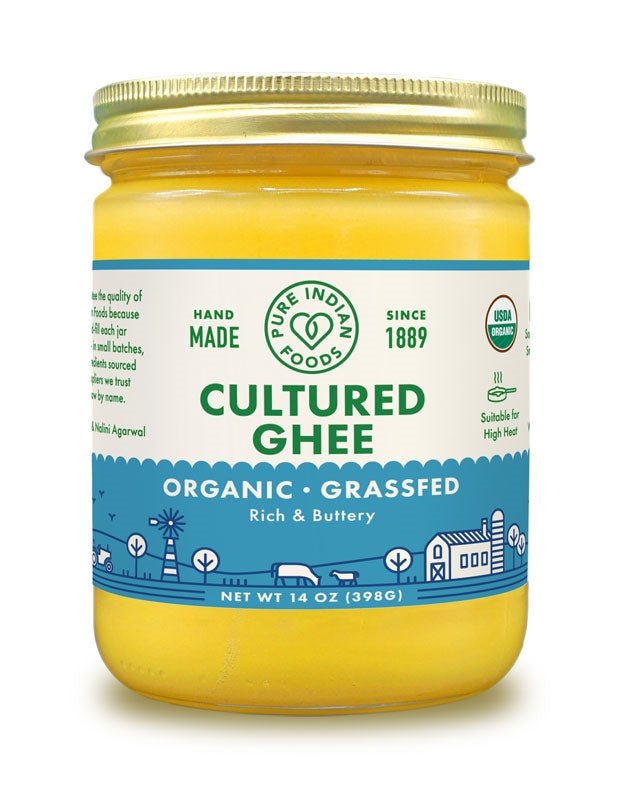
Preheat the oven to 375°F. Remove the salmon from its packaging and pat completely dry with unbleached paper towels. Season with sea salt on both sides. Bring an oven-safe skillet to high heat. Add the ghee and let it heat until glossy and very hot, but not smoking. Place the salmon skin-side down in the pan and immediately press down gently with a spatula for the first 20–30 seconds to keep the skin flat. Cook without moving for about 2–3 minutes, until the skin is deeply golden and crisp.
Transfer the skillet to the oven and cook for approximately 5–7 minutes, depending on the thickness of the fillets and your preferred doneness. For a tender, just-cooked center, remove the salmon when it is still slightly translucent in the very center and allow it to rest for a couple of minutes before serving.
Divide the warm farro salad between two plates. Top each with a salmon fillet, keeping the crispy skin exposed. Finish with sliced avocado, a generous pinch of Urfa pepper or Aleppo chili flakes, and a drizzle of the remaining lemon-mustard dressing.
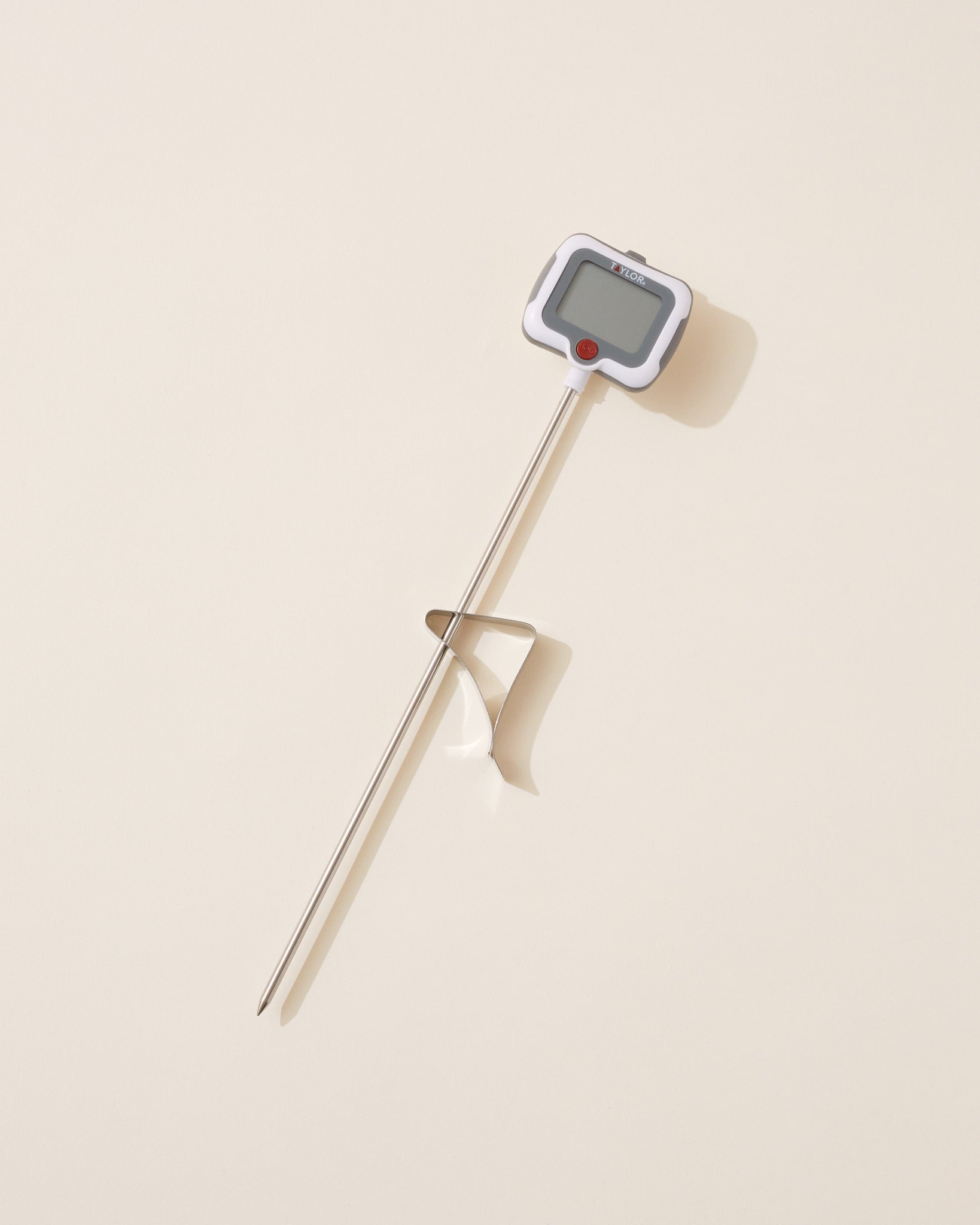
Two 8.5 oz Seatopia King Salmon fillets is exactly one round of this recipe. A teaspoon of ghee is what crisps the skin without smoking, flake salt is the last thing that goes on, and the thermometer is the difference between 122°F and guessing.
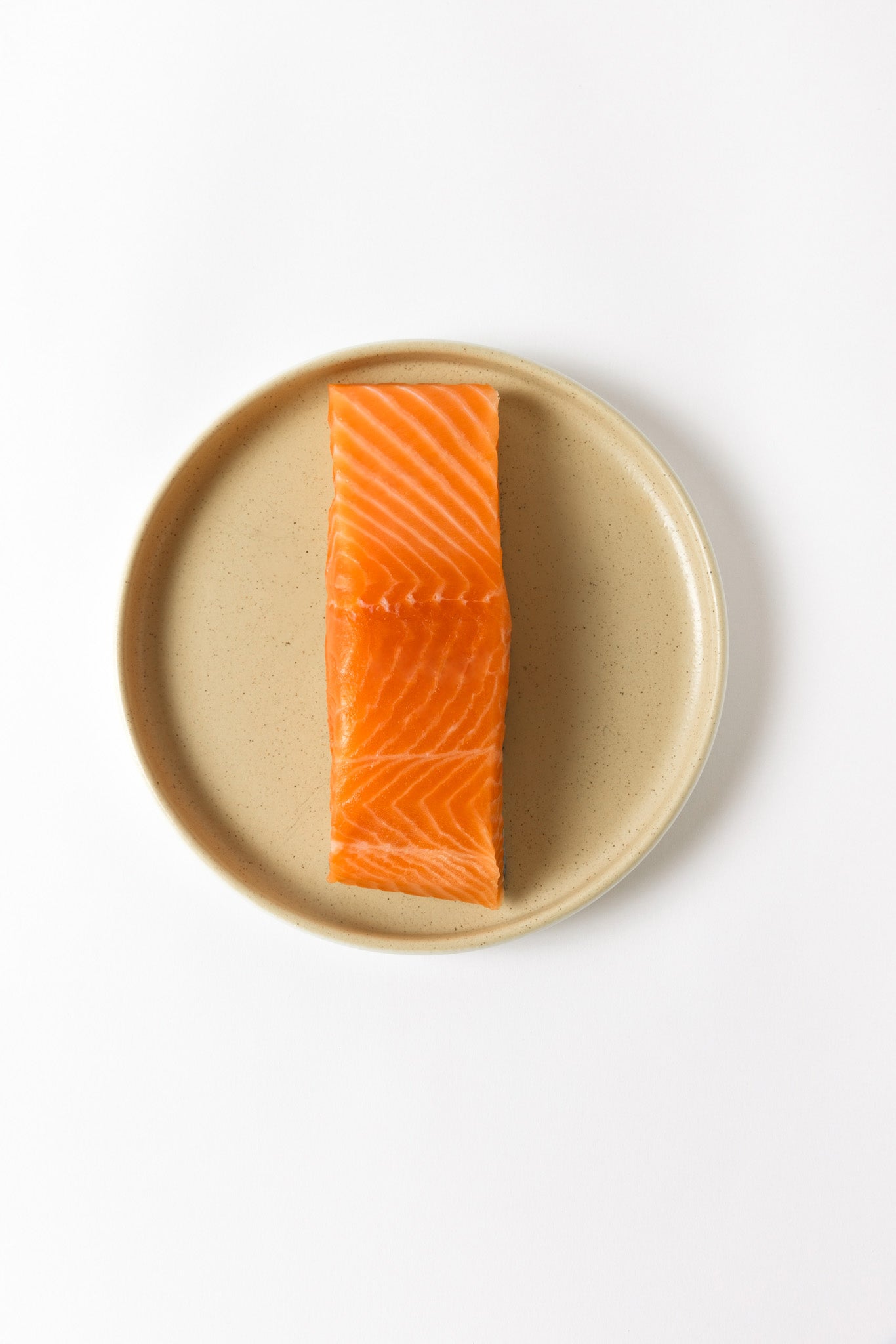
Unapologetically rich and velvety—Ōra King salmon, the gold standard for celebratory seafood
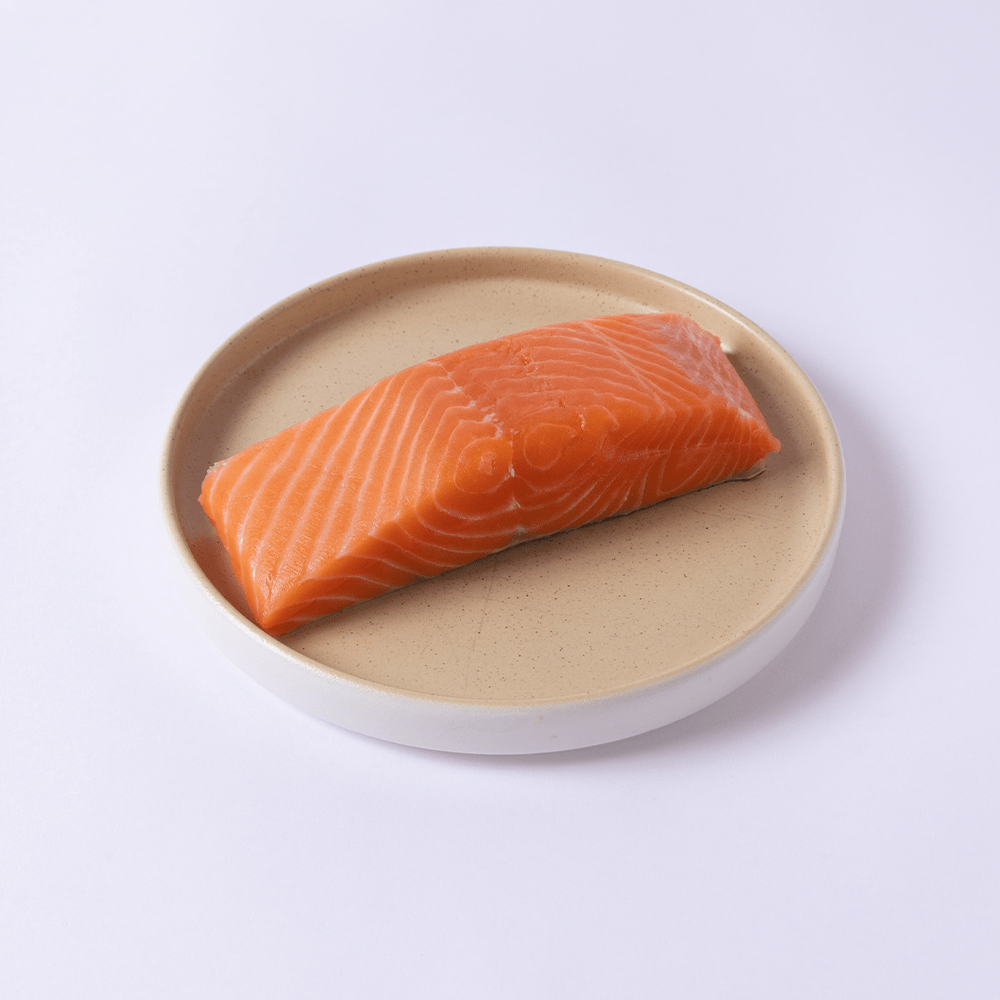
Rich flavor carrying oceanic depth and gentle sweetness across the palate. Contains a selection of King, Atlantic, and Steelhead.
Two things carry this dish, and both happen while something is still hot: the raisins go into the farro the moment it drains, and the farro gets dressed before it cools.

The night before
Move the sealed packs from the freezer to the refrigerator about 12 hours ahead. In a hurry, submerge the sealed pack in cold water for 20–30 minutes. Never at room temperature, and never in the microwave — a King Salmon fillet is too fatty to survive a partial cook before it ever reaches the pan.

Step 1
A liter of generously salted water to the boil, then the farro for 25–30 minutes — tender but still pleasantly chewy. Drain well, return it to the pot and stir the sultanas through straight away. Sitting in the residual heat is what plumps them; add them to a cold salad and they stay leathery.

Step 2
Into a large bowl and add the chopped apple, cilantro, pickled red onions and toasted pepitas. Toss gently. The apple wants to be cut small — you are after little sweet-tart interruptions the same size as the grains, not chunks you have to chase around the plate.

Step 3
Olive oil, finely grated garlic, Dijon, the juice of half a lemon, sea salt and a few grinds of pepper. Grate the garlic rather than chopping it so it disappears into the emulsion instead of turning up raw in one bite. Dijon is the emulsifier here — do not leave it out.

Step 4
Toss the still-warm farro with about half the dressing and reserve the rest. Warm grain drinks dressing the way cold grain will not, which is the entire reason this is a warm salad. The reserved half goes over the plate at the end, where you can taste it.

Step 5
Oven to 375°F. Pat the fillets completely dry — the skin especially — and salt both sides. Ghee into an oven-safe skillet over medium-high until it is glossy but not smoking, then lay the fillets in skin-side down and press gently with a spatula for the first 20–30 seconds so the skin stays flat. Two to three minutes without moving them, then the whole skillet into the oven for 6–9 minutes.

Step 6
Divide the warm farro between two plates and set a fillet on each, crisp skin up and exposed — bury it under anything and you have wasted the sear. Sliced avocado, a generous pinch of Urfa pepper, and the reserved dressing over the top.
The only number that matters
King Salmon is a fatty fillet, which buys you a little forgiveness — but not much. The window between silky and chalky is about ten degrees wide, and it closes while the skillet is still in your hand. Six to nine minutes in a 375°F oven gets you there; a thermometer tells you when.
Account for carryover. A rested fillet climbs roughly 5°F off the heat, so 122°F in the skillet lands near 127°F on the plate. Probe the thickest point, angled in from the side rather than straight down through the crisp skin you just worked for — and check the thin tail separately, because it will be done first.
Shop the thermometer
Urfa pepper and sultanas are not in every cupboard, and pearled farro is not in every shop. Almost everything here bends — what does not bend is dressing the grain while it is warm.
| As written | Closest swap | If you are improvising | |
|---|---|---|---|
| The grain | 1 cup pearled farro, 25–30 min | Barley — same time, same chew | Cooked brown rice or freekeh; skip the boil and warm it in the pot |
| The pepper | Urfa / isot, a generous pinch | Aleppo flakes, same amount | A third as much red pepper flake plus a pinch of smoked paprika |
| Dried fruit | ¼ cup sultana raisins | Golden raisins or dried currants | Chopped dried apricot — sweeter, so cut the apple back a little |
| The apple | 1 small apple, finely chopped | Firm pear, cut the same size | Fennel and a squeeze more lemon when nothing crisp is around |
| Searing fat | 1 tsp ghee | Avocado oil or algae oil | Anything with a high smoke point — not olive oil, not butter |
| The herb | ¼ cup cilantro | Flat-leaf parsley | Mint and dill together, about half as much |
| The fish | Seatopia King Salmon, 8.5 oz fillets | Any skin-on salmon or steelhead portion | Keeps frozen until the night before you want it |

Most grain salads go one of two ways overnight — sodden or stiff. This one improves, because the farro keeps drinking the lemon and Dijon while it sits and the pickled onion keeps everything sharp. Make the full batch of salad even if you are only cooking one fillet tonight.
Store the salad and the salmon in separate containers. Eat the salad cold or let it come to room temperature; for the fish, a few minutes skin-side down in a dry pan brings the crackle back far better than a microwave, which turns crisp skin to leather. Add the avocado and the second Urfa pinch fresh — those two do not keep.

A leaner fish would let the Urfa pepper sit on top and taste dusty. King Salmon is fatty enough to carry it, and that same fat is where the omega-3s live — one 8.5 oz fillet carries 3.4 g of EPA + DHA, the marine-derived figure printed on the pack rather than a total-omega-3 number.
Seatopia King Salmon is tested to under 0.1 ppm mercury – a tenth of the FDA limit, with no microplastics detected in third-party testing. Seatopia third-party lab tests every supplier, and then continues to audit them regularly to ensure that they consistently meet their standards. How that works is written out on our testing commitment page.
Middle Eastern and Turkish grocers carry it as isot, and most spice retailers sell it online. Aleppo flakes are the swap named in the recipe and are far easier to find — brighter and slightly hotter, but the same job. If all you have is standard crushed red pepper, use about a third as much and add a pinch of smoked paprika to replace the depth you are missing.
Because it keeps climbing after it leaves the heat. A rested fillet gains roughly 5°F, so 122°F in the skillet lands near 127°F on the plate — opaque, flaking, still glossy. Wait until the thermometer reads 130°F before pulling and you will eat it at 135°F, which is where the fat renders out and the texture turns chalky. Probe the thickest point at an angle from the side so you do not puncture the skin you just crisped.
Almost always moisture or movement. Pat the skin genuinely dry — drier than feels necessary — and get the ghee glossy before the fish goes in; a lukewarm pan steams the skin instead of searing it. Then press gently for the first 20–30 seconds so it does not curl away from the metal, and do not move the fillet for the next two to three minutes. Peeking is what tears the skin.
Yes, and it is better for it. Cook the farro, load it and dress it with half the dressing while it is warm, then refrigerate — that warm-dressing step is the one thing you cannot do later. Up to three days. Hold back the avocado, the reserved dressing and the final pinch of Urfa until you plate it.
The 25–30 minute timing here assumes pearled, which is what most shops sell. Semi-pearled takes closer to 35 minutes and whole farro wants an overnight soak and up to an hour. Whichever you buy, cook it in plenty of salted water like pasta and drain it — do not try to cook it in a measured amount of liquid.
Overnight in the refrigerator in its sealed pack, about 12 hours. In a hurry, put the sealed pack in a bowl of cold water for 20–30 minutes. Never at room temperature and never in the microwave. Then pat it dry properly before it goes anywhere near the skillet — a wet fillet will not take a sear.
Miriam writes these, and she also teaches them live. Every Seatopia box includes a FREE virtual cooking class where we work through temps, searing and knife work together.

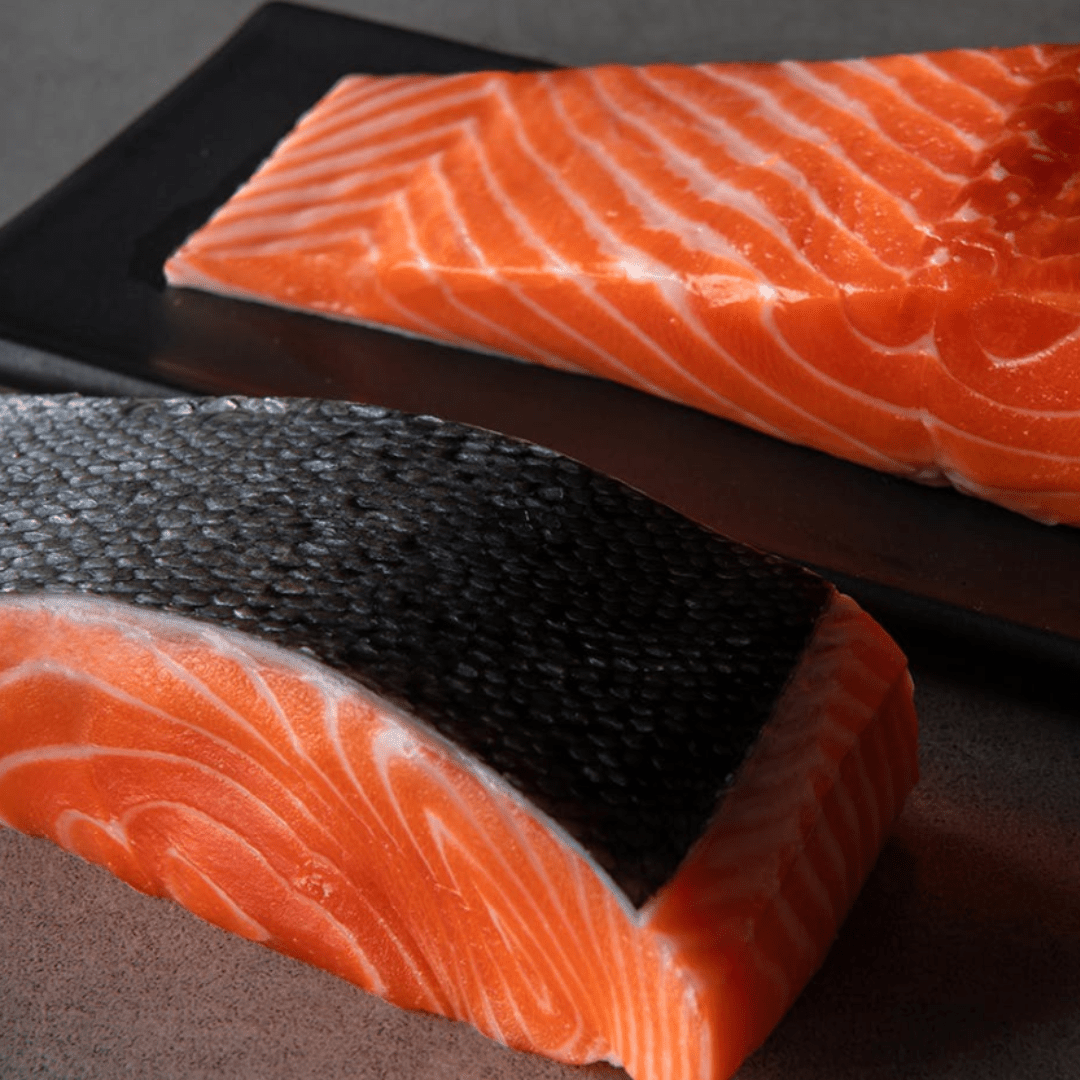
Rich flavor carrying oceanic depth and gentle sweetness across the palate. Contains a selection of King, Atlantic, and Steelhead.

A celebration of clean flavor and coastal elegance. Contains salmon, whitefish, and peruvian scallops.
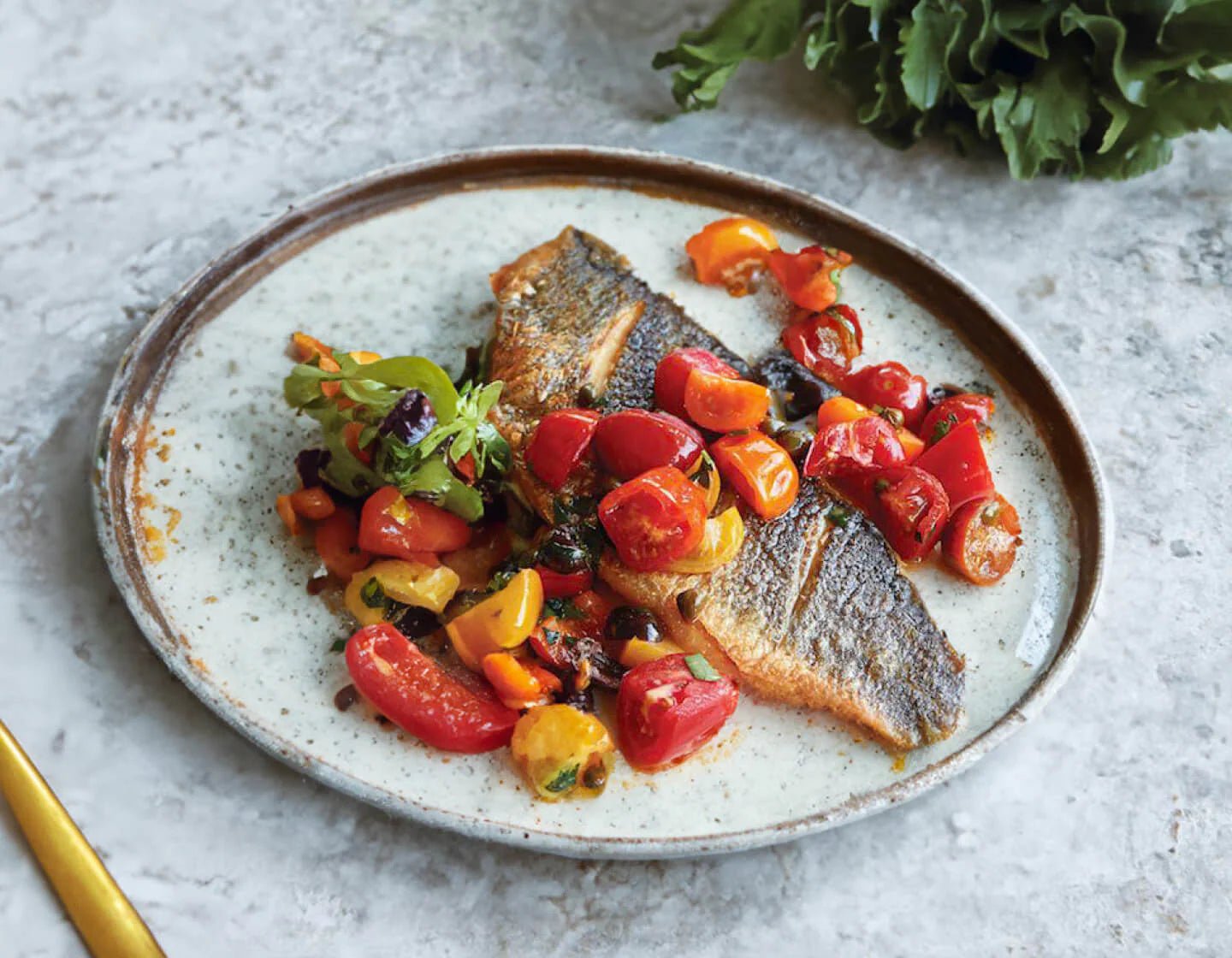
Expressive flavors from the clean, flavorful fish. Contains a selection of bream, branzino, yellowtail, and barramundi.