- por Getaway Plate
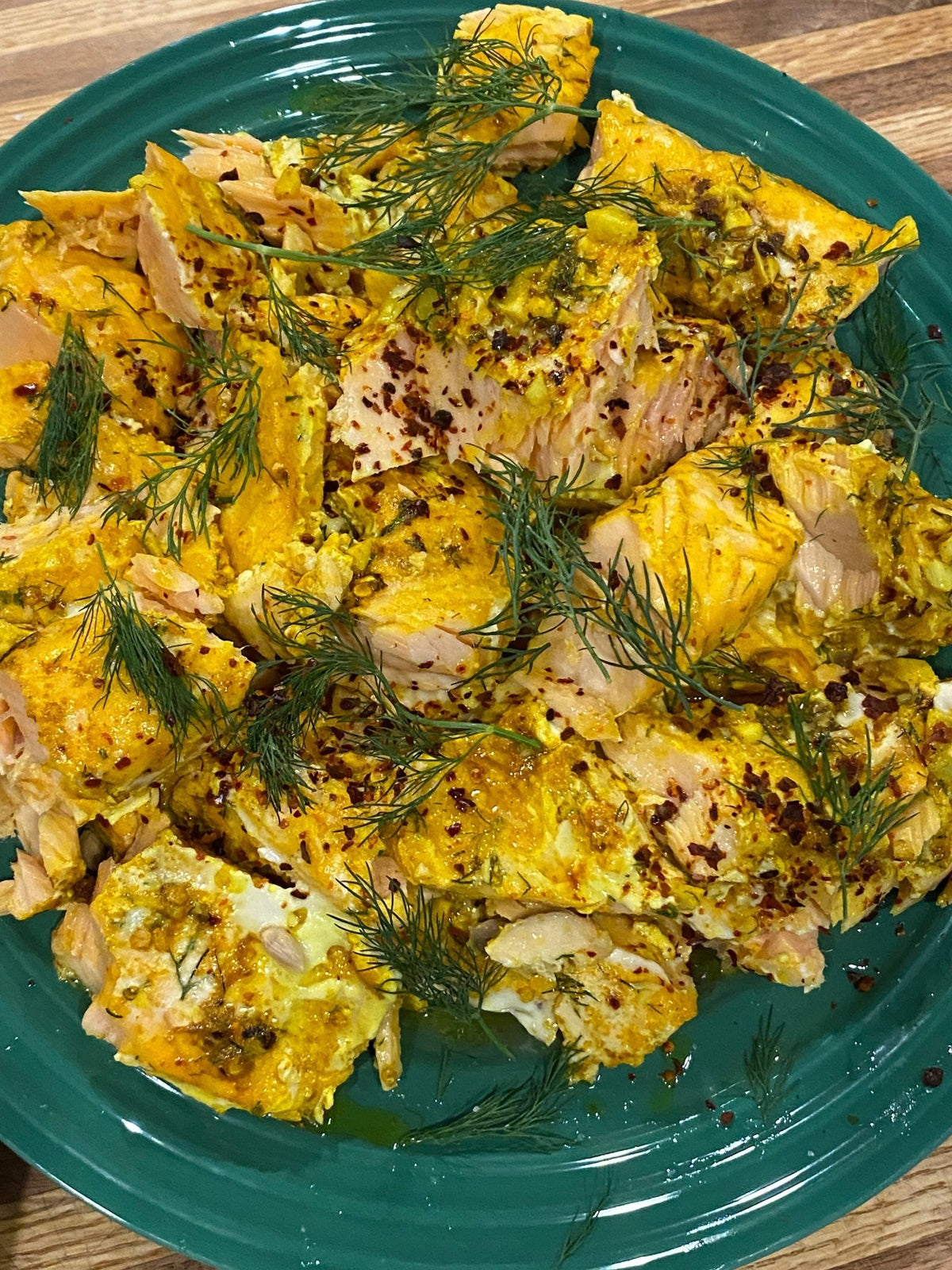
Garlic Dill Broken Salmon
- por Getaway Plate

Getaway Plate × Seatopia
Recipe by Getaway Plate
Travel-inspired home cooking — the dishes worth bringing back from somewhere, cooked on an ordinary weeknight
Serves 2 to 4 · 30 to 60 minutes in the marinade · baked, then broken by hand
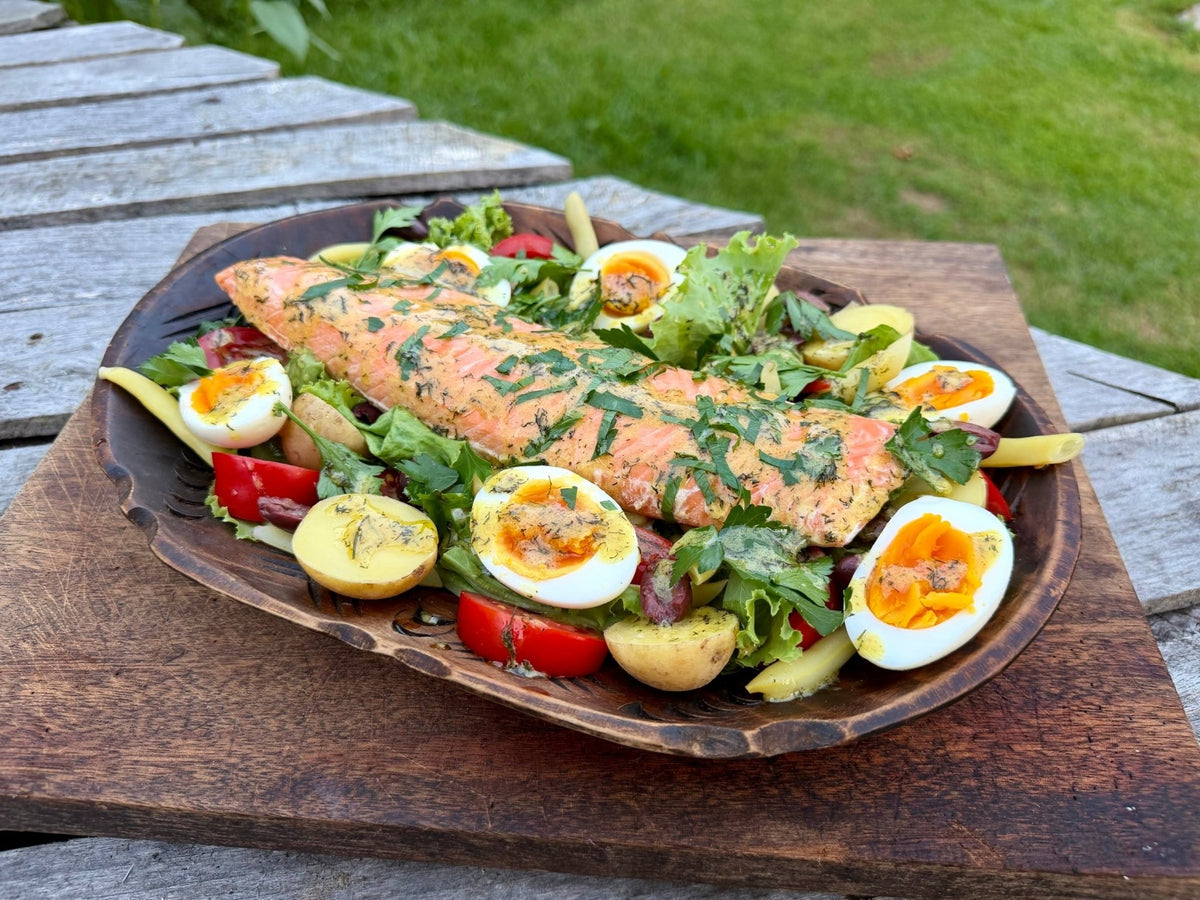
Garlic, dill, chili flakes and a pinch of turmeric for colour, left on the fish long enough to actually get in — then baked and broken into big, forkable flakes rather than plated as a tidy fillet. It is a platter dish, not a portion dish, and it is better for it.
Two things make it work. The salt goes on at the oven rather than in the bowl, which keeps the texture soft instead of firm. And the dill goes in twice — once into the marinade where it turns grassy and soft, once over the top at the table where it stays sharp.
Mostly waiting
The marinade is thirty to sixty minutes and it is the whole schedule. Active work either side of it is about ten minutes, most of that chopping dill.
Serves 2 to 4
Two portions feeds two properly. Four turns it into a platter to put in the middle of the table, which is how it is photographed and how the breaking-into-flakes actually pays off.
Four things, one bowl
Garlic, dill, chili flakes and turmeric, carried in olive oil. Lemon and more dill go on after it comes out, never before.
Salt at the oven
Not in the marinade. Salting early draws moisture out and firms the surface, which is the one thing that would cost you the soft flake this dish is built around.
Four things in the bowl
Garlic, dill, chili flakes and turmeric, carried in olive oil. It reads like a lot of flavours competing, and it isn’t — the garlic and dill are the dish, the chili is background warmth, and the turmeric is there almost entirely for the colour in the photograph. Knowing which is which is what keeps you from over-correcting one of them.
Minced garlic Does the most
Raw in the marinade, mellow out of the oven. It loses its edge as it bakes and settles into the oil, which is why the quantity can be generous without the dish tasting sharp.
Fresh dill, finely chopped Twice
Once in the marinade, where it goes soft and grassy, and again over the top at the table, where it stays bright. Both are needed — the baked dill alone tastes flat.
Chili flakes
Warmth rather than heat, and it is not meant to be the story. A pinch is enough to give the oil a background hum you would notice if it were missing.
Ground turmeric Colour
Almost entirely visual — a pinch turns the oil and the surface of the fish gold, which is where the dish gets its look. What flavour it has is earthy and faintly bitter, so more is genuinely worse: it goes dusty and it stains everything it touches.
Ratings are how assertive each one is in the finished dish, relative to the others — not a measurement. Taste the oil once everything is stirred in and adjust before the fish goes near it.

Kiki Canuto | Chef-Founder at Getaway Plate
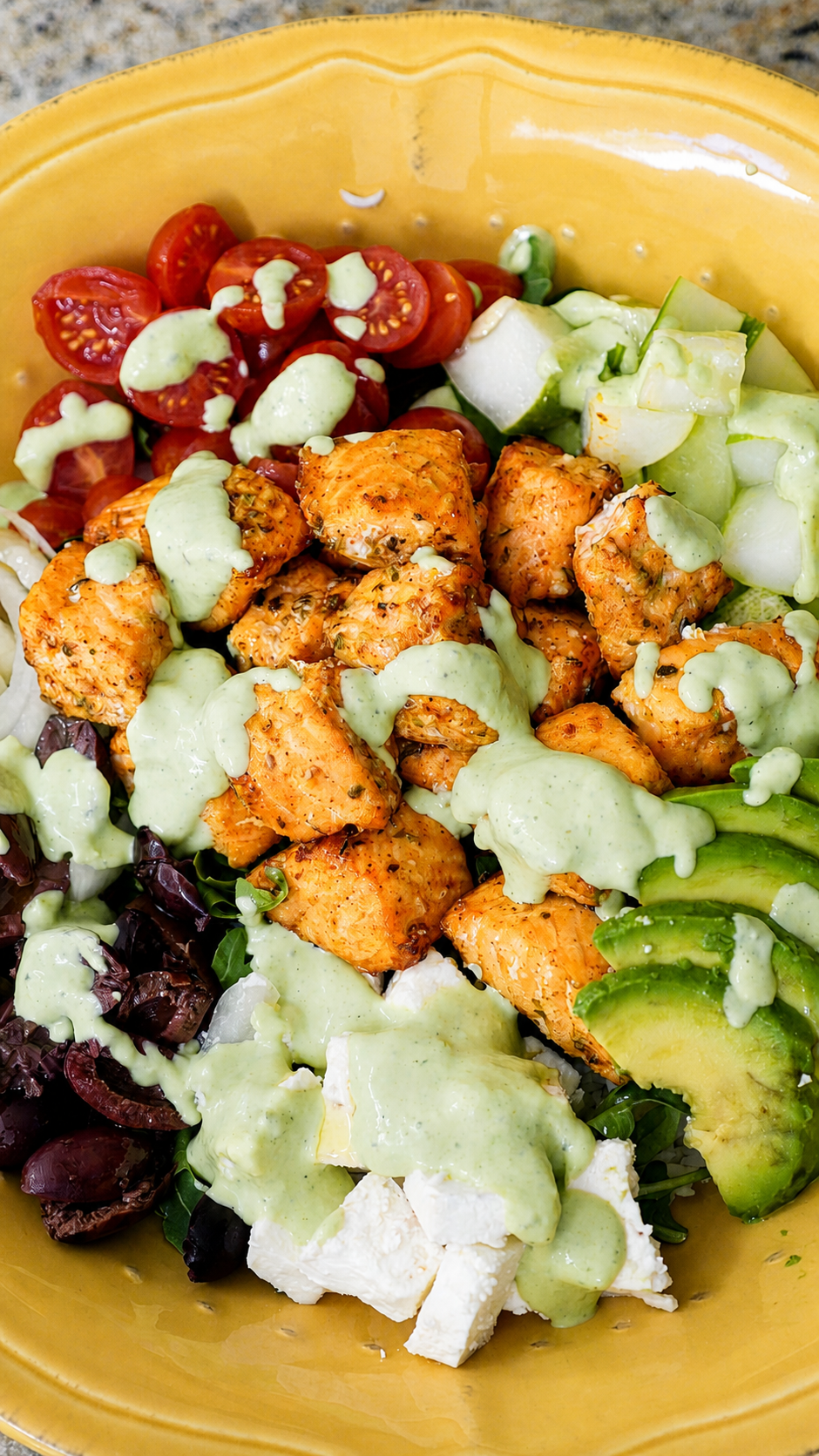
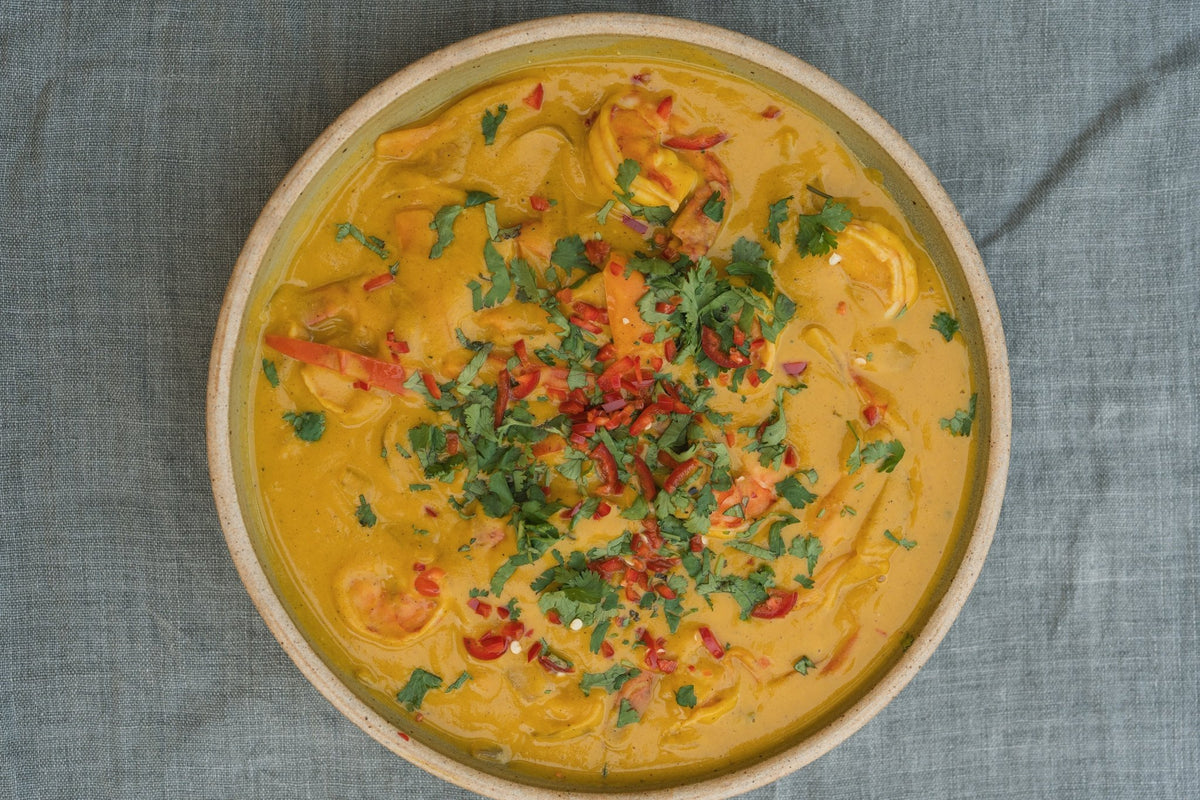
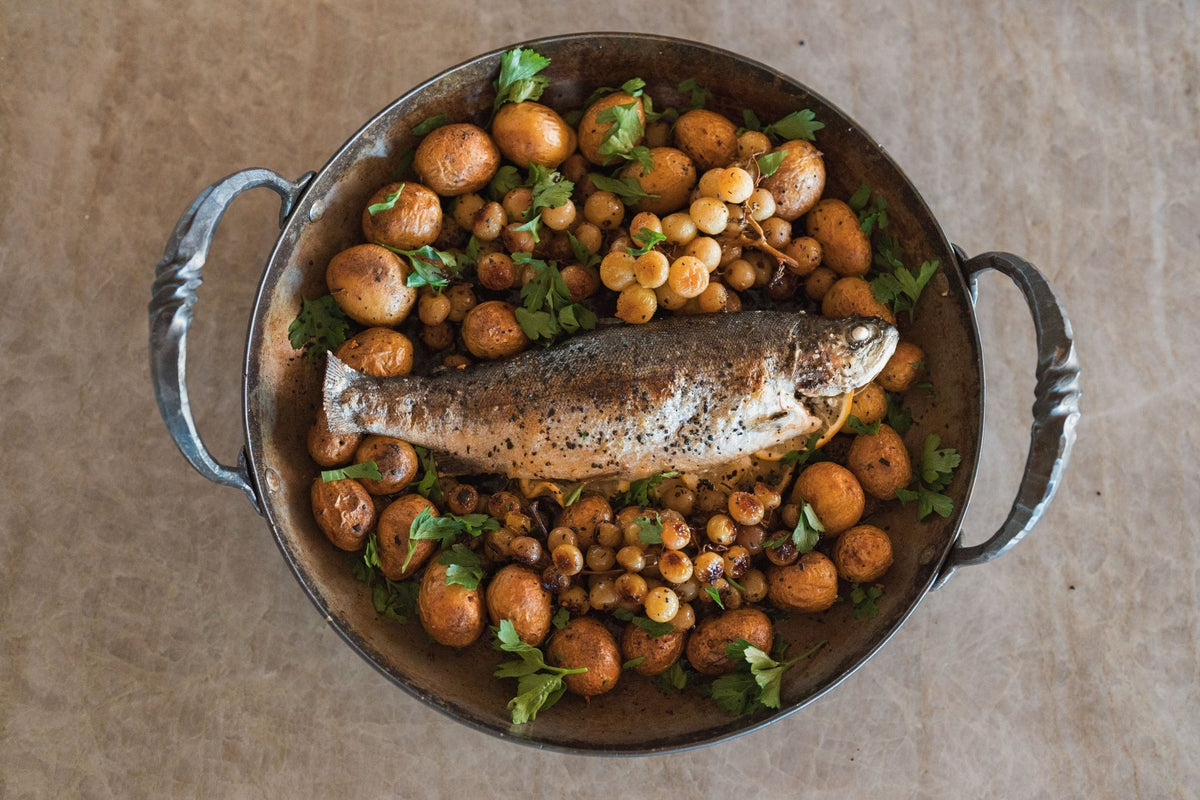
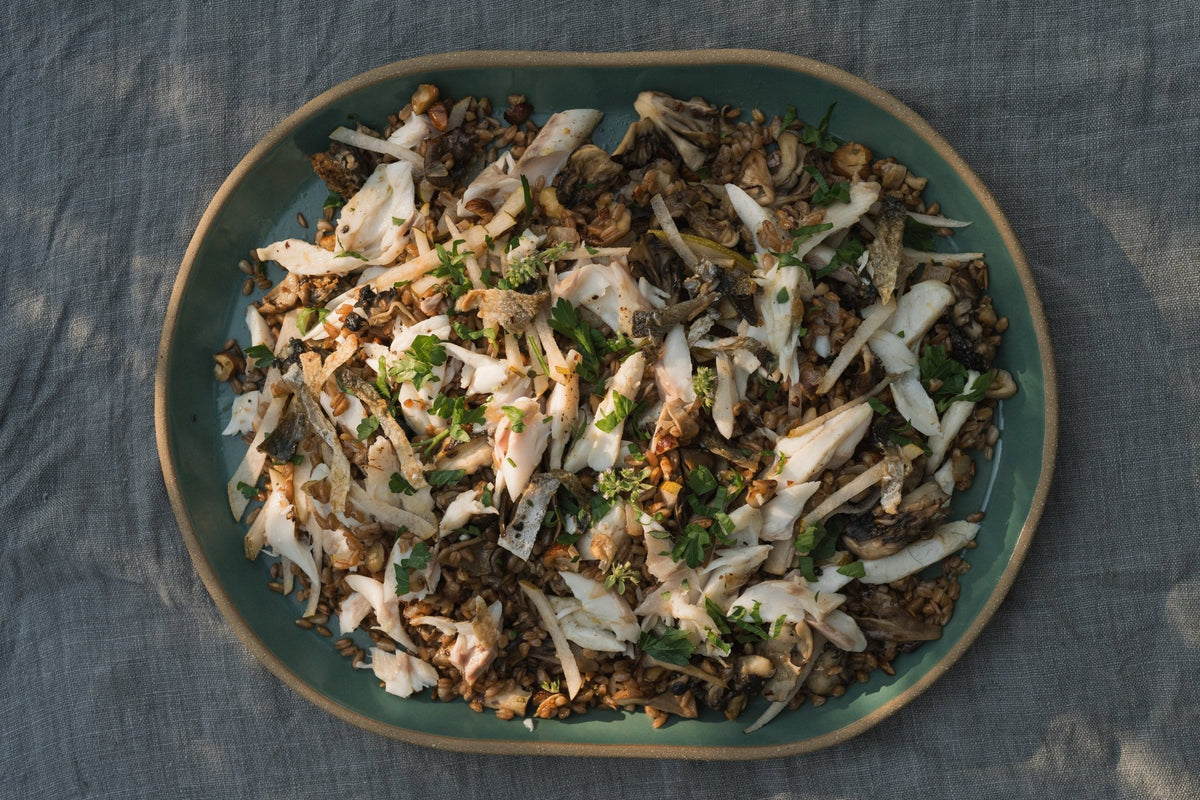
Garlic, dill, chili flakes and a pinch of turmeric on Seatopia Atlantic salmon, marinated just long enough to get in then baked and broken into big forkable flakes. The salt goes on at the oven, not in the bowl, so the texture stayssoft.
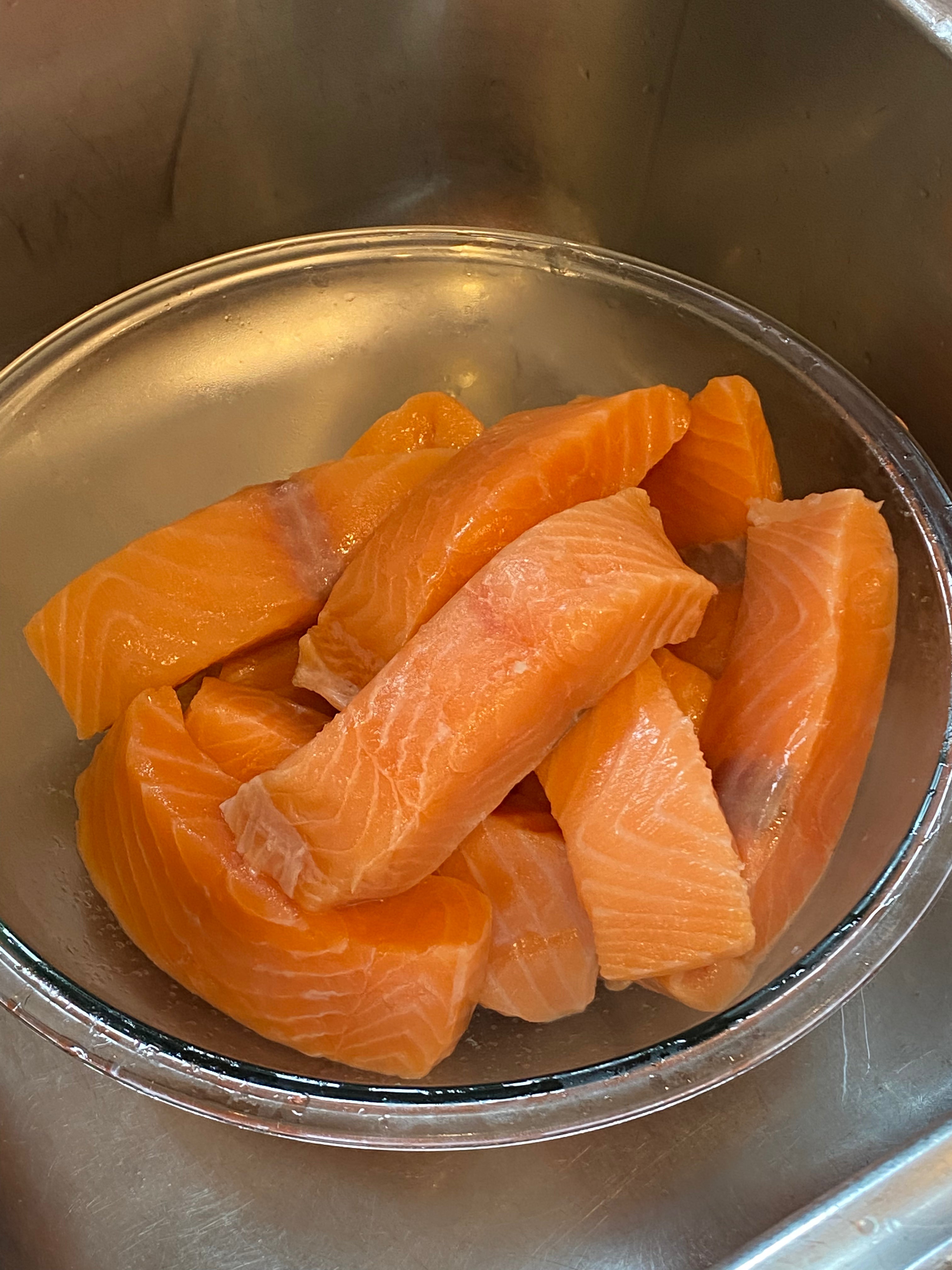
Submerge your vacuum-sealed SEATOPIA salmon portions in a bowl of chilled water until completely thawed.
Remove the thawed salmon from the vacuum packaging and place the portions directly into a mixing bowl.
Add the olive oil, minced garlic, chili flakes, ground turmeric and fresh chopped dill. Toss gently until evenly coated. Hold off on adding salt at this stage — salting too early draws out moisture and can toughen the delicate texture of the salmon while it marinates. Allow the salmon to marinate for 30 to 60 minutes.
Preheat your oven to 400°F. Salt your salmon generously, then place the marinated salmon on a baking sheet and bake for until cooked through — the thickest part should have just turned opaque and the flakes should separate under light pressure.
Remove from the oven and gently break the salmon into large pieces. Top with an extra pinch of fresh dill, a squeeze of fresh lemon, and serve immediately.
Two to four skin-off portions and a spice shelf. Atlantic salmon is what this was built on — king salmon is richer and works if you have it. Flake salt for the moment it goes into the oven, and for the table.
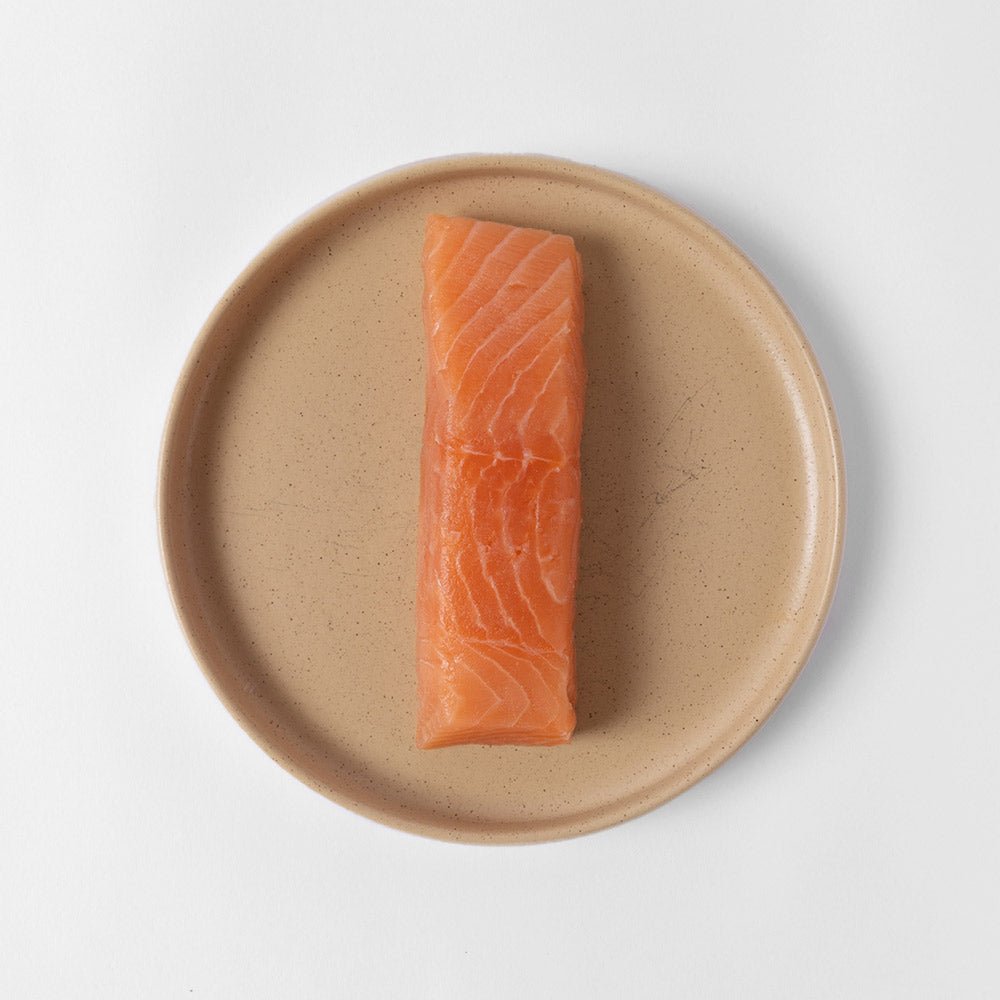
A buttery well marbled classic - ideal for everyday
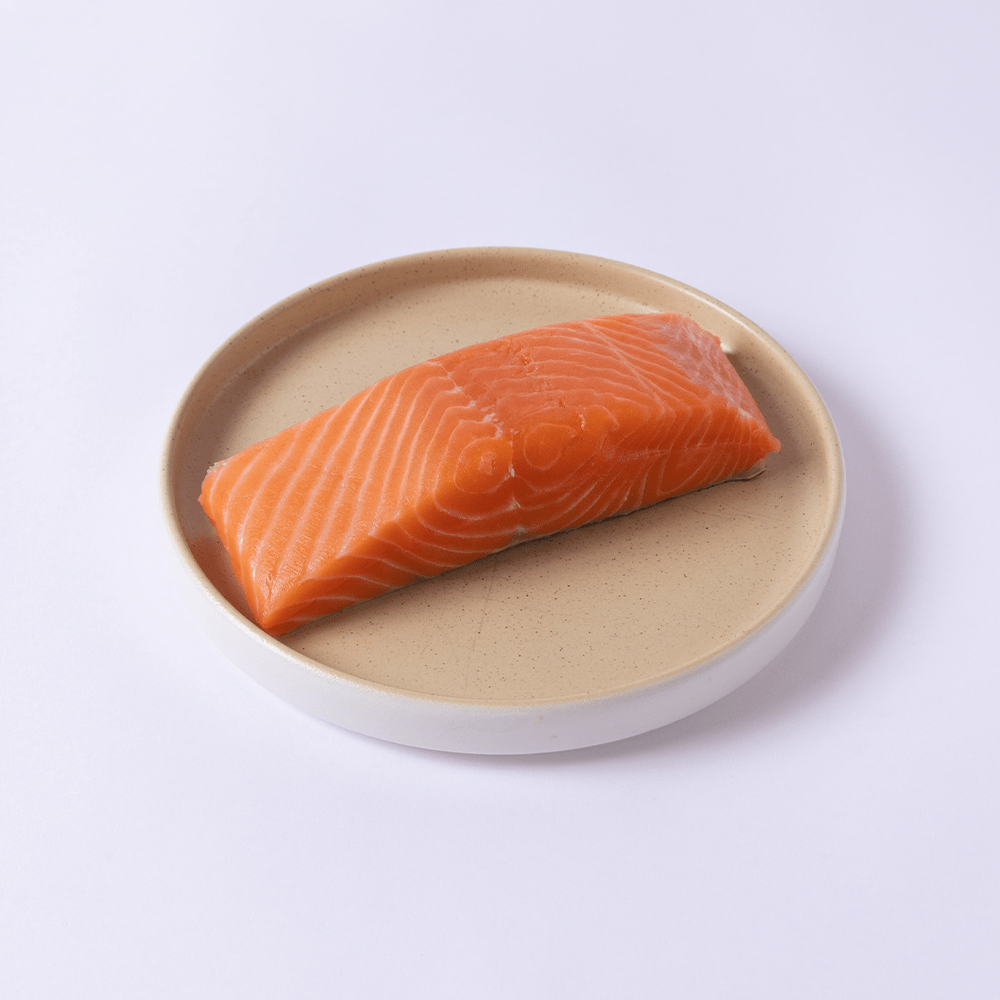
Rich flavor carrying oceanic depth and gentle sweetness across the palate. Contains a selection of King, Atlantic, and Steelhead.
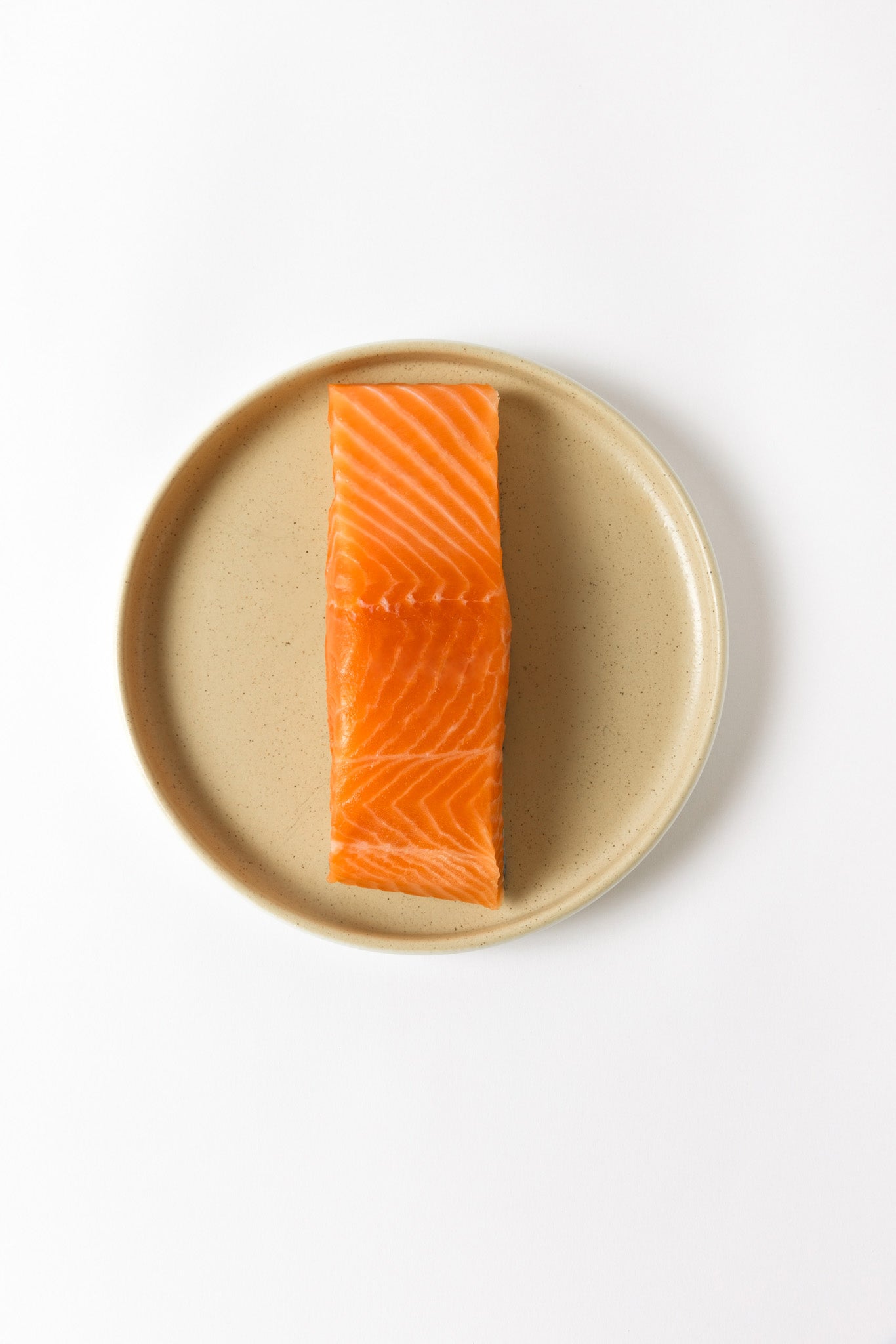
Unapologetically rich and velvety—Ōra King salmon, the gold standard for celebratory seafood
The step people get backwards
Every instinct says to season the marinade. Getaway Plate deliberately doesn’t, and it is the one instruction in this recipe that changes the texture rather than the flavour. Salt pulls moisture out of the surface of the fish and starts firming the proteins — useful when you are curing something on purpose, and not what you want from thirty to sixty minutes in oil and herbs.
Olive oil, garlic, dill, chili and turmeric go in the bowl and nothing else. Toss gently until every face is coated, then leave it alone for thirty to sixty minutes.
Season generously on both sides at the moment the fish moves to the baking dish, not before. The salt seasons the surface and the crust without having had time to draw water out of the flesh.
Pull it when the thickest part has just turned opaque and the flakes separate under light pressure. It keeps cooking on the tray, so fish that looks perfect in the oven is usually past it by the time it is broken and plated.
Salting early is not a disaster — it is how gravlax starts, and the fish is still good. It is a different dish, firmer and more cured at the edges, and it is not the soft, flaking texture this one is built around.
The method is the fixed part — oil and aromatics, a long enough marinade, salt at the oven, break by hand. Most of what is in the bowl can move.
| As written | Closest swap | If you are improvising | |
|---|---|---|---|
| The fish | 2–4 Atlantic salmon portions | King salmon or steelhead, same method | Any fatty fillet that flakes — lean whitefish falls apart instead |
| The dill | Fresh, in the marinade and at the table | Fennel fronds, which are close and a little sweeter | Dried dill at a third the amount, marinade only — it has nothing to give at the table |
| The garlic | Minced fresh, generous | Garlic paste, same volume | Granulated at half the amount; it burns faster, so keep it under the oil |
| The heat | Chili flakes, a pinch | Aleppo or gochugaru — milder, fruitier | Cracked black pepper, which changes the dish but not the balance |
| The colour | Ground turmeric, a pinch | Sweet paprika, for colour without the earthiness | Leave it out. You lose the gold and nothing else |
| The fat | Olive oil | Ghee or avocado oil | Any neutral oil for the marinade, then good olive oil raw over the top |
| The finish | Lemon and extra dill | Lime, which pushes it brighter | Lemon zest plus a spoon of the pan juices poured back over |
Chop the dill and mince the garlic hours ahead and keep them separate in the refrigerator — that is the fiddly part and it holds fine. Thawing is the other thing worth planning: overnight in the refrigerator is better than the cold-water shortcut if you have the time.
What does not stretch is the marinade. Thirty to sixty minutes is the window the recipe is written around. Baked, it is good cold the next day, flaked into a salad or onto toast with lemon — arguably a better second meal than most cooked salmon.
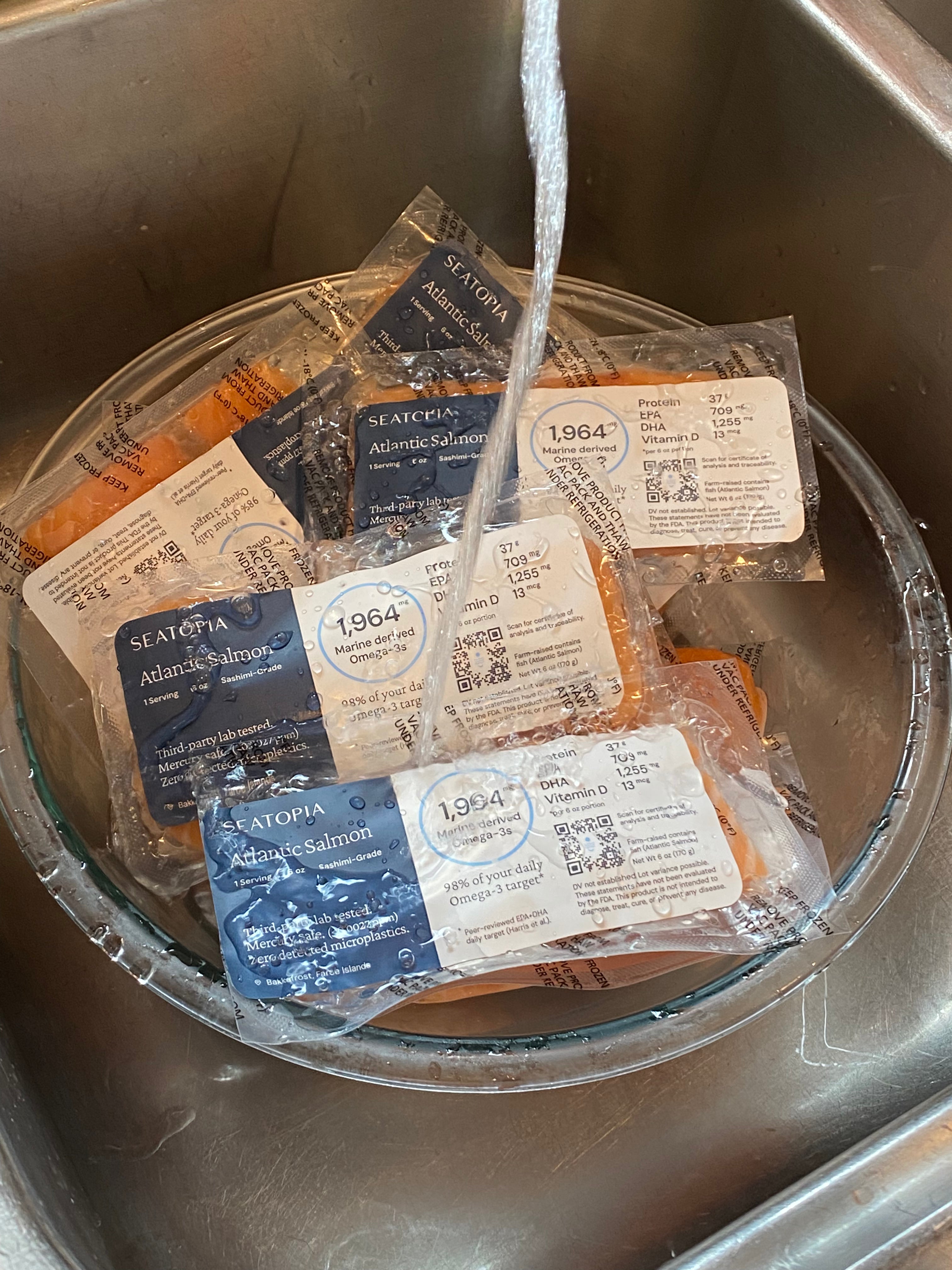
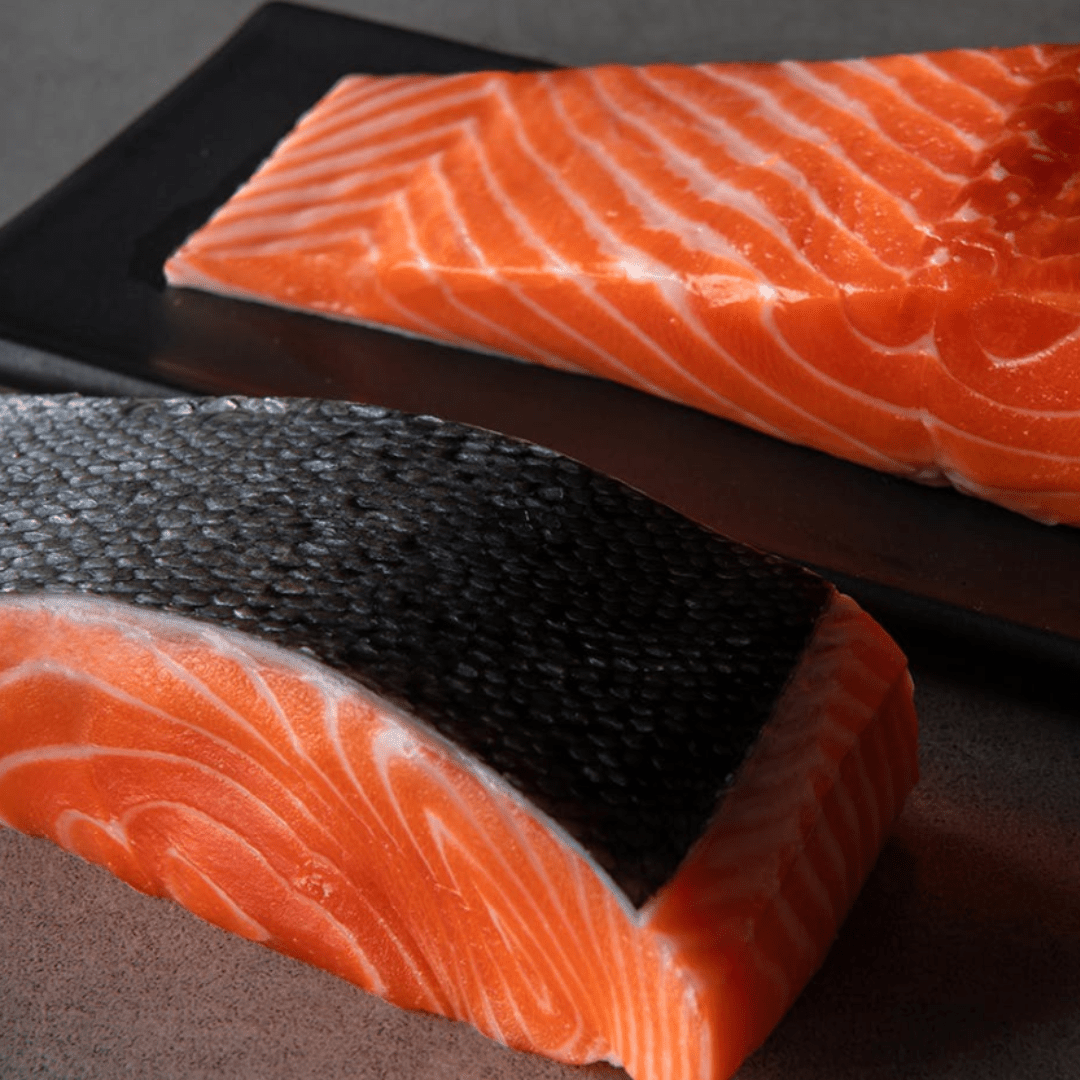
This is built on Atlantic salmon, which has the fat to stay soft through a bake and to carry garlic and chili without being flattened by them. Sashimi-grade, blast-frozen to −10°F at harvest and vacuum sealed, which is why a portion out of the freezer flakes like this rather than going stringy.
Our Atlantic Salmon tested at 1,964 mg EPA+DHA per 6 oz serving. Values vary by sample and season. Every supplier is tested before we approve them, then randomly audited to ensure consistent compliance with the Seatopia Standard — third-party lab tested for nutrition, mercury and microplastics, and sourced from best-in-class aquaculture.
Because salt draws moisture out of the surface and starts firming the proteins, and over thirty to sixty minutes that is enough to change the texture. You would be part of the way to gravlax rather than to a soft bake. Season generously as the fish goes into the oven instead — it seasons the surface without having had time to pull water out.
Go by the fish, not the clock. The thickest part should have just turned opaque and the flakes should separate under light pressure from a fork. Pull it there — it keeps cooking on the hot tray, and salmon that looks perfect in the oven is usually overdone by the time it reaches the table.
Partly because it looks generous on a platter, and partly because the pieces catch the garlic, the pan juices and the lemon on more surfaces than an intact fillet does. It also makes portioning irrelevant, which is the point of putting it in the middle of the table.
It will mark a wooden board, a plastic spatula and your fingers, and it does come out of most fabric if you get to it quickly. Use a glass or ceramic dish rather than a light-coloured plastic one, and mix with a metal spoon. A pinch is all the recipe wants — more turmeric gives you a duller colour and a chalkier taste, not a better one.
The recipe is written for thirty to sixty minutes and that is where it is at its best. There is no acid in this marinade, so a longer sit is far less punishing than it would be with lemon or vinegar in the bowl — but the garlic keeps getting stronger and the dill keeps going limp, so you gain nothing by stretching it.
Overnight in the refrigerator in the sealed pack is best, about 12 hours. In a hurry, submerge the sealed pack in a bowl of chilled water for 20 to 30 minutes, changing the water once. Never thaw at room temperature, and never in warm water.
Recipes from our kitchen and from the people who cook with us. Every Seatopia box includes a FREE virtual cooking class where we work through a dish like this one together.

Rich flavor carrying oceanic depth and gentle sweetness across the palate. Contains a selection of King, Atlantic, and Steelhead.

A celebration of clean flavor and coastal elegance. Contains salmon, whitefish, and peruvian scallops.
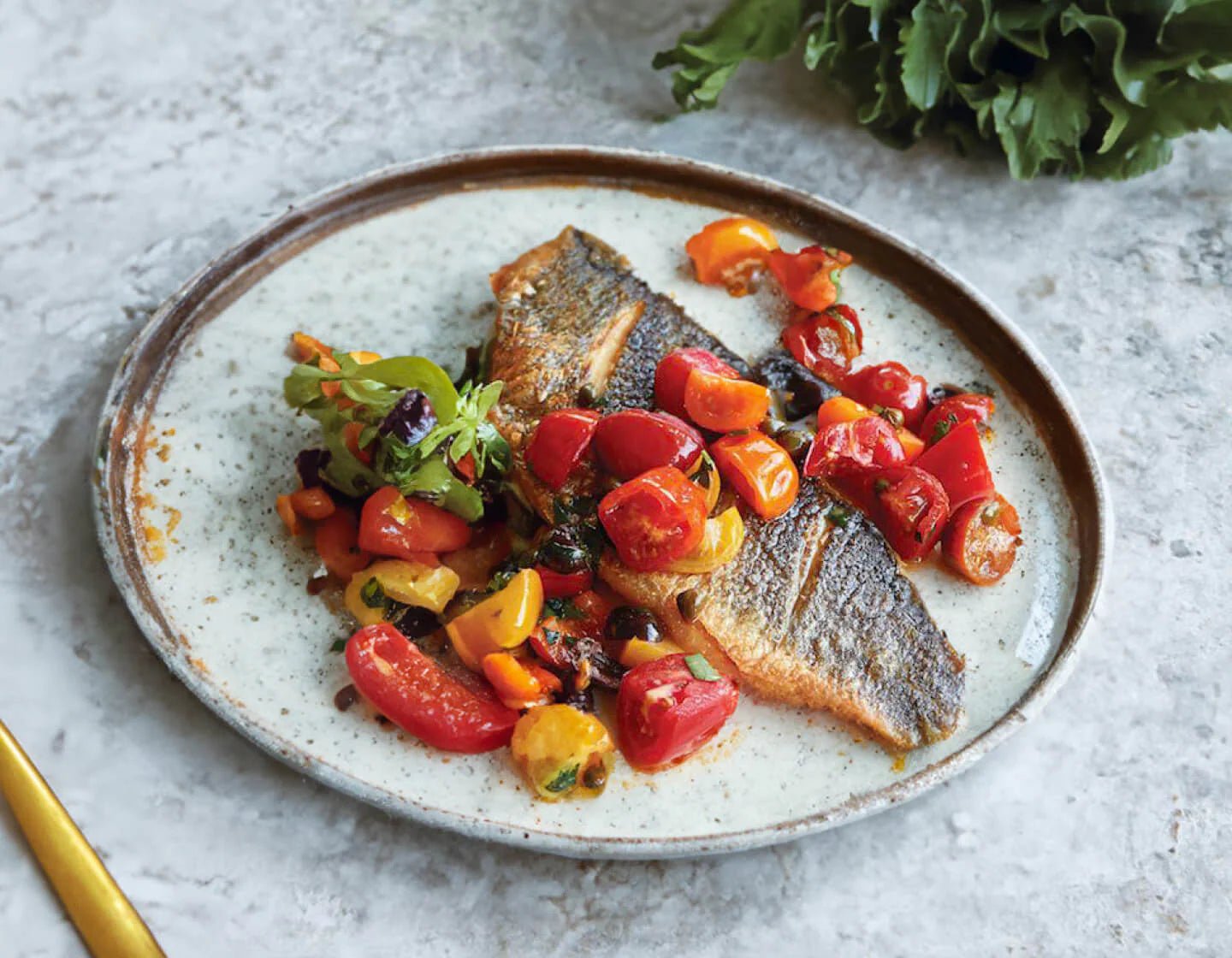
Expressive flavors from the clean, flavorful fish. Contains a selection of bream, branzino, yellowtail, and barramundi.