- por Anna Sorochuk
Sushi Date Night
- por Anna Sorochuk

Guest recipe Paid partner
Recipe by @anna_sorochuk
Developed for Seatopia using our Steelhead Sashimi Loin and Black Tiger Shrimp
Serves 2 · five dishes from one pot of rice · about 1 hour, most of it the rice
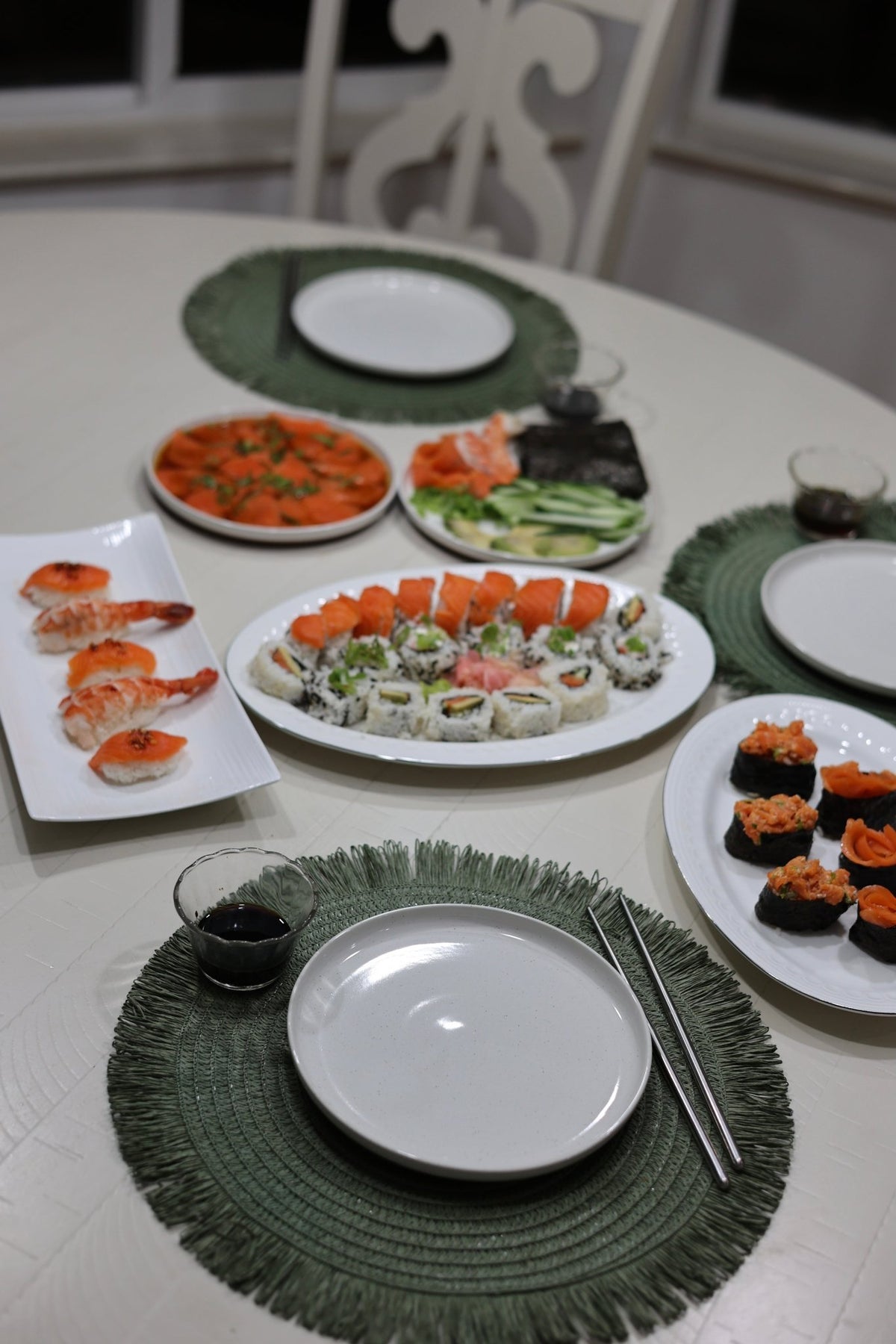
Five kinds of sushi from one pot of rice and one steelhead loin: salmon crudo, spicy salmon gunkan, nigiri, rolls and hand rolls, all set out on the table at once so everyone builds their own.
None of it needs a sushi chef’s skills. The sauces are a few spoonfuls from the fridge door, the cuts are simple, and the shrimp for the nigiri cooks in three minutes. Anna’s verdict: “Definitely saving this one for another family sushi night.”
Anna sets out sushi night, start to finish.
About 1 hour
Most of it is the rice cooking and cooling. The sauces take five minutes and the slicing about fifteen, so it is easy to do together.
Serves 2
One 12 oz Steelhead Sashimi Loin and a handful of shrimp spread across five dishes. Scale it up for a family sushi night.
Five dishes, one rice
Every dish except the crudo starts from the same seasoned sushi rice. Make it first and keep it covered at room temperature while you slice.
Keep the fish cold
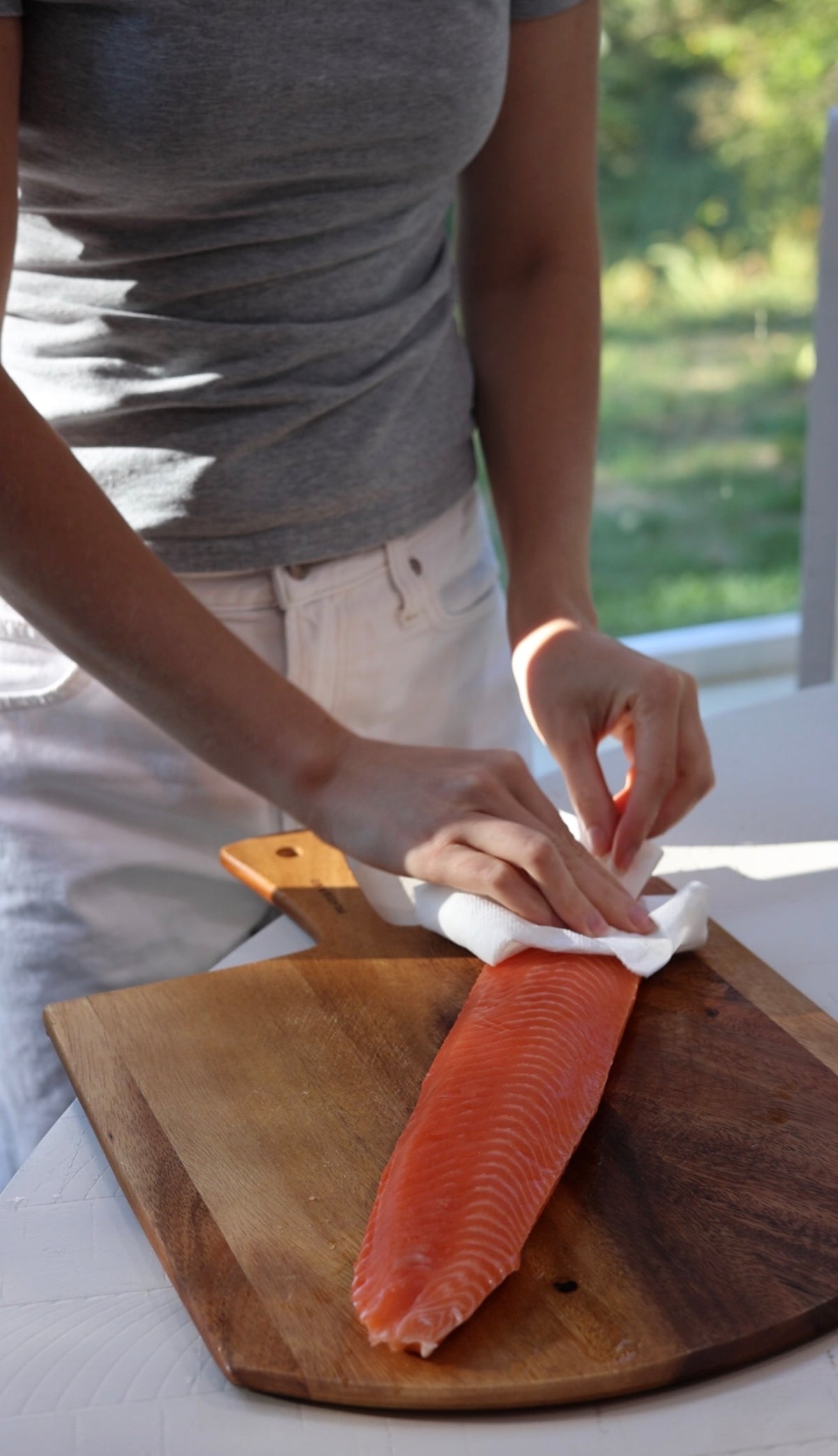
The steelhead is served raw, so keep it in the fridge until you slice and slice it last. It cuts most cleanly while still very cold.
One loin, four cuts
Pat the loin dry and work with your sharpest knife, using long single strokes rather than sawing. Cut the neatest pieces first for crudo and nigiri, then the strips for the rolls, and chop whatever is left for the gunkan.
Crudo Thinnest
Long, thin slices across the grain, laid flat on a plate so the soy, sesame and citrus can reach every piece.
Nigiri Thin slabs
Slices a little thicker, cut at an angle so each one drapes over a small mound of rice.
Rolls and hand rolls Batons
Long strips about the width of a finger, to run the length of the roll or the cone.
Spicy gunkan Chopped
Trimmings and ends, chopped small and folded into the spicy mayo. Nothing from the loin goes to waste.
The dots show slice thickness, thinnest first. Slice the fish last, right before the table is set, and keep anything you are not using in the fridge.

Anna Sorochuk
30 minutes
30 minutes
Five kinds of sushi from one pot of rice and one steelhead loin: salmon crudo, spicy salmon gunkan, nigiri, rolls and hand rolls, set out together so everyone builds their own.
Rinse the rice until the water runs nearly clear, then cook it with the water. Stir the vinegar, sugar and salt together until dissolved, and fold them into the hot rice with a cutting motion. Keep it covered with a damp towel at room temperature.
Thread a bamboo skewer lengthwise along the underside of each shrimp so it stays straight.
Boil until pink and opaque all the way through, about 2–3 minutes, then move the shrimp to a bowl of ice water.
Remove the skewers, peel the shrimp leaving the tails on, and butterfly them open along the underside.
Pat the loin dry. Slice the neatest pieces thin for crudo and a little thicker for nigiri, cut long strips for the rolls, and chop the rest for the gunkan.
Salmon crudo: Lay thin slices flat on a plate. Spoon over the soy sauce, sesame oil and citrus, and top with green onion and sesame seeds.
Spicy salmon gunkan: Fold the chopped salmon into the mayo, sriracha, sesame oil and green onion. Shape small ovals of rice, wrap each in a strip of nori, and spoon the spicy salmon on top. Finish with sesame seeds.
Nigiri: Shape small mounds of seasoned rice and top each with a slice of salmon or a butterflied shrimp
Sushi rolls: Spread rice over a sheet of nori, add salmon, cucumber and avocado, roll tightly and slice. Add your favorite toppings.
Hand rolls: Fill a half sheet of nori with rice, salmon or cold-smoked steelhead, cucumber and avocado, and roll into a cone.
Our Steelhead Sashimi Loin for everything raw, Black Tiger Shrimp for the nigiri, and Cold-Smoked Steelhead Lox if you want a second fish in the hand rolls. The rest is sushi rice, nori, cucumber, avocado, soy sauce, sesame and a lemon.
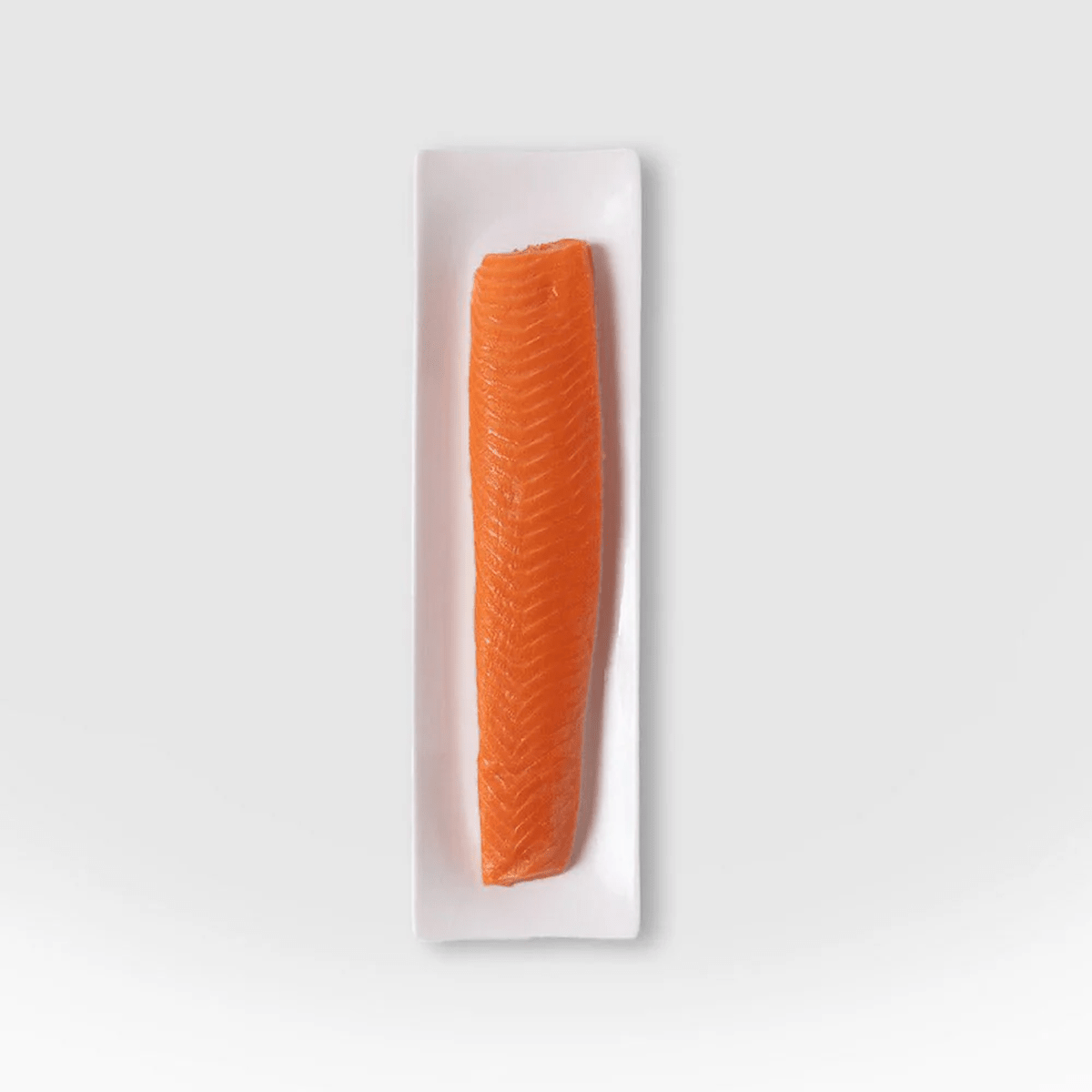
Silken texture and bright flavor — sushi-grade and sensational for sashimi, crudos, or poke bowls
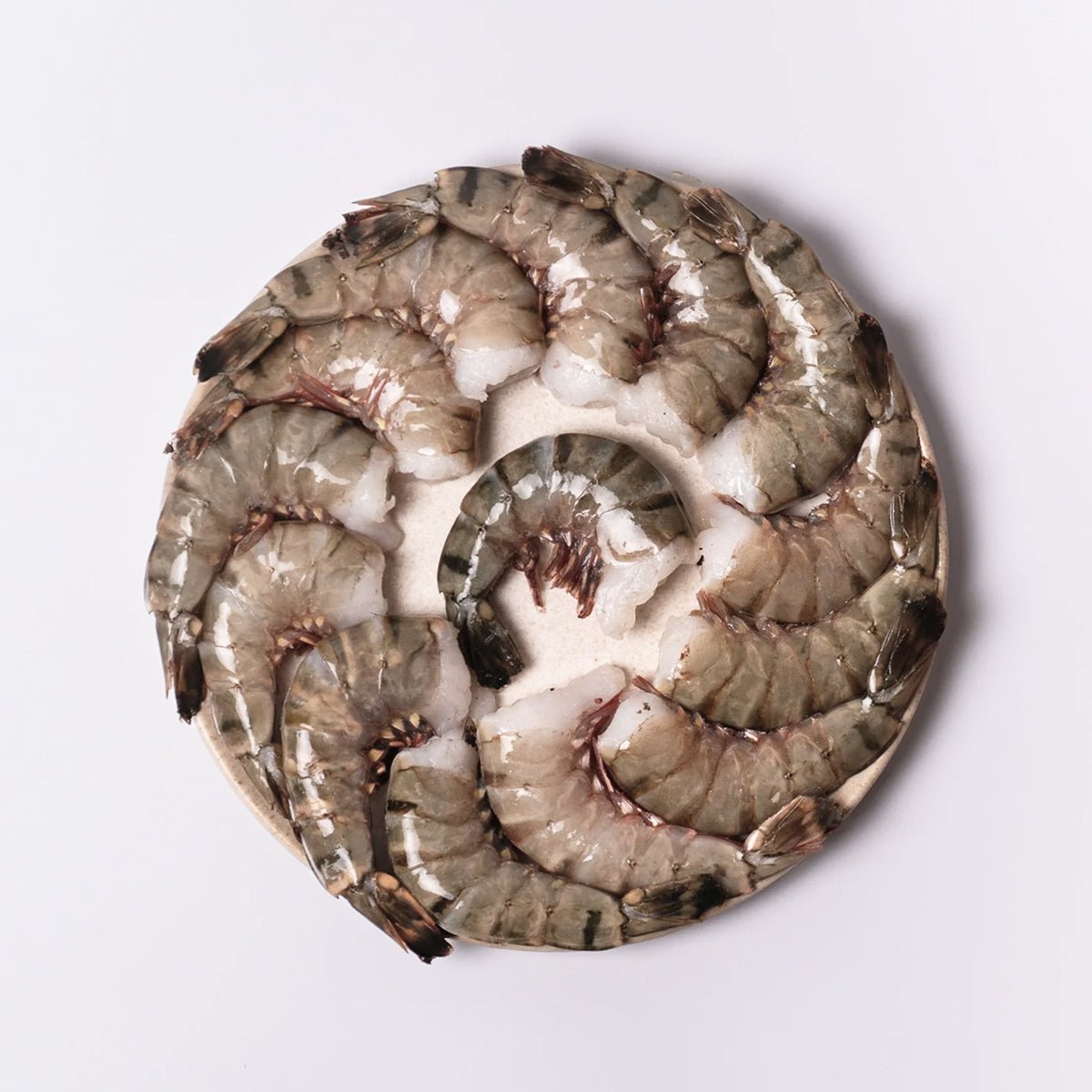
Sweet, briny shrimp with a natural richness, best enjoyed quickly seared for a delicate snap or pan-fried to preserve their depth.
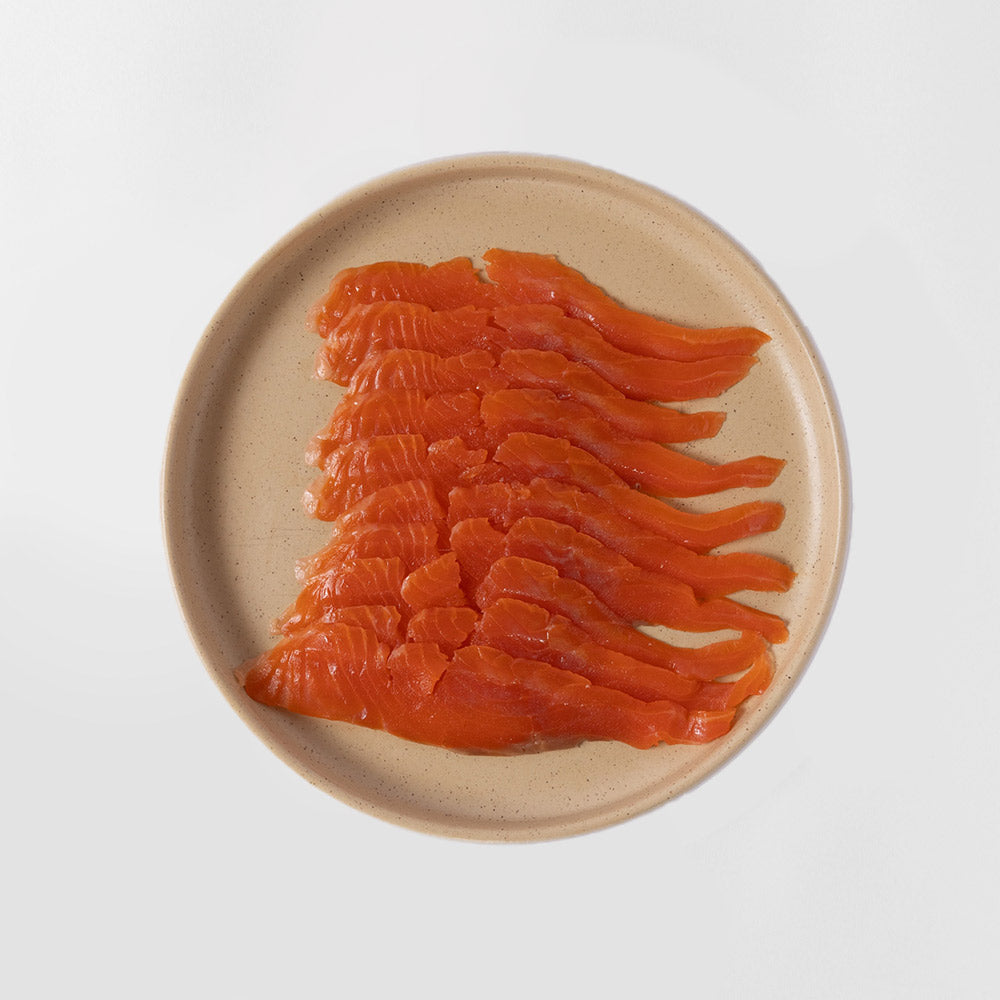
Rich, clean, velvety smoked flavor with subtle sweetness
The shrimp nigiri
Shrimp curl tight as they cook, and a curled shrimp will not sit flat on nigiri. Running a bamboo skewer along the underside before it goes in the pot holds it straight. It is the one sushi-bar trick in this whole spread, and it takes seconds.
Thread a bamboo skewer lengthwise just under the shell on the underside, from the head end to the tail, so the shrimp lies straight.
Lower the skewers into boiling salted water until the shrimp are pink and opaque all the way through, about 2 to 3 minutes. Move them straight into a bowl of ice water to stop the cooking.
Twist out the skewers, peel the shrimp and leave the tail on. Cut along the underside without going all the way through, then open each one flat like a book.

Anna adjusts the sauces to taste every time, and so should you. The amounts in the recipe are what she used on the night; treat them as a starting point.
| As written | Easy swap | What changes | |
|---|---|---|---|
| The raw fish | Steelhead Sashimi Loin | Our King Salmon | Remove the skin first. Richer, with a softer slice |
| The hand rolls | Raw steelhead | Cold-Smoked Steelhead Lox | Silkier and saltier — go lighter on the soy |
| The shrimp | Black Tiger Shrimp, cooked | Whiteleg Shrimp | Smaller — check them at the 2 minute mark |
| The crudo citrus | Lemon juice | Lime juice | Sharper and more floral. Same tablespoon |
| The heat | 1–2 tsp sriracha | Chili crisp or gochujang | Chili crisp adds crunch; gochujang is sweeter and thicker |
| The mayo | Regular mayonnaise | Japanese mayonnaise | Richer and tangier — the classic for spicy salmon |
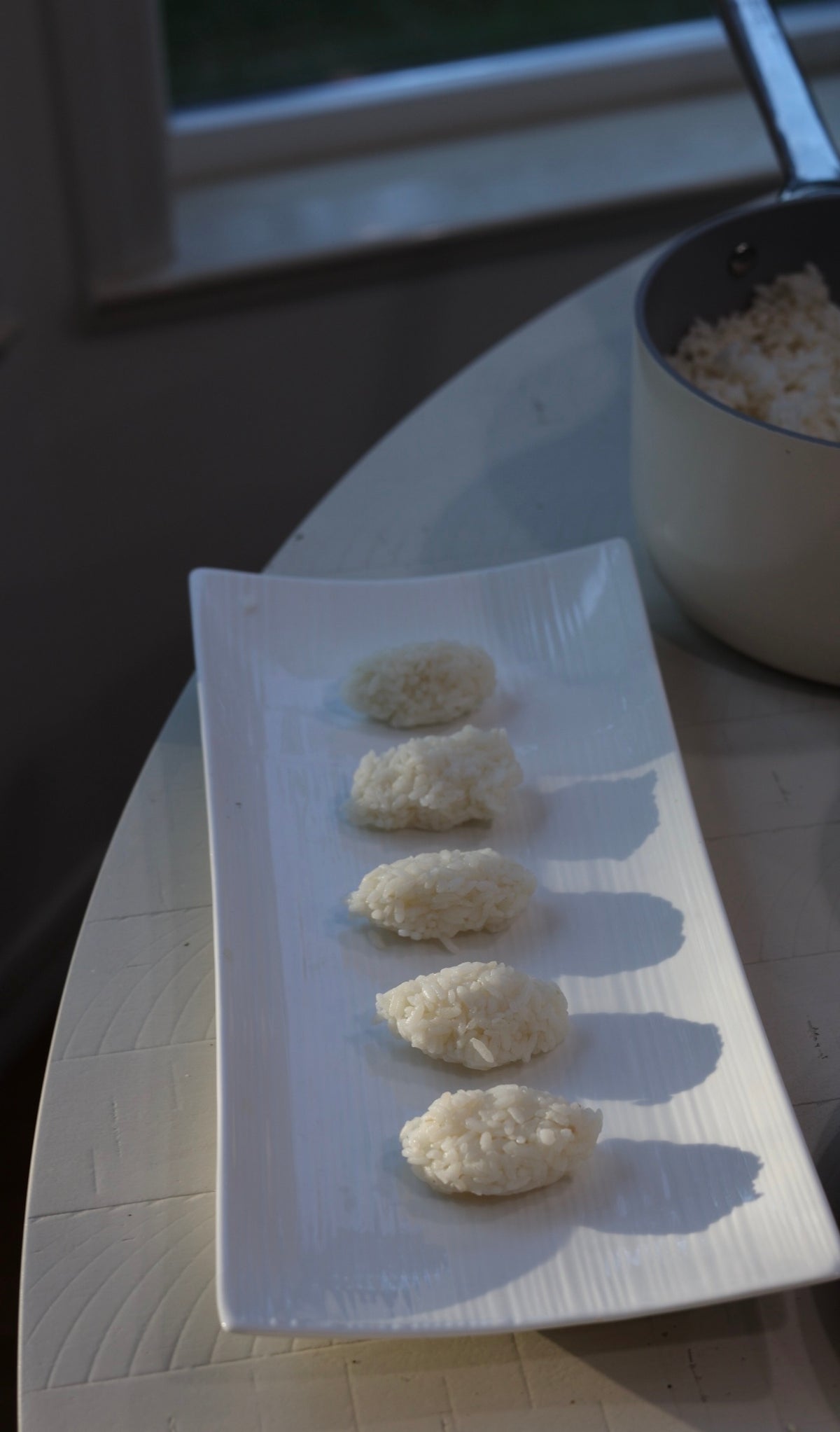
Make the rice first. Season it while it is hot and keep it covered with a damp towel at room temperature — the fridge makes sushi rice hard. Mix both sauces and cook the shrimp next; they can wait in the fridge. Cut the cucumber and avocado, set out the nori, and slice the steelhead last, right before you sit down. Then put everything on the table and build as you go.
There is no official or regulated definition of “sashimi-grade” or “sushi-grade” fish in the United States. Sellers use the terms to signal that fish is safe to eat raw, but they are not a certification or a legal standard. So here is ours.
All of our seafood is vacuum sealed and blast frozen to -10 °F at peak freshness, which preserves taste, texture and colour, and is processed in an accredited facility. It is lab tested for mercury and microplastics. Farmed fish raised on formulated feed are exempt from the FDA Food Code’s parasite-freezing rule, and we blast-freeze at harvest anyway. That is what sashimi-grade means to us.
There is always some risk in eating anything raw or undercooked. If you are concerned or particularly sensitive, consult your doctor. The FDA conservatively suggests cooking to an internal temperature of 145 °F.
The Steelhead Sashimi Loin is sold for exactly this. Read what sashimi-grade means to us above. Eating raw or undercooked meat, poultry, seafood, shellfish or eggs may increase your risk of foodborne illness, especially with certain medical conditions. Consult your doctor if you think you may be sensitive.
In the refrigerator, in its sealed pack, overnight. Never on the counter or in warm water. Keep it cold until you slice it, and slice it while it is still very cold — it holds its shape and cuts cleanly. Eat it the day you thaw it.
Rinse the rice until the water runs nearly clear before cooking, then fold the seasoning in with a cutting motion rather than stirring. Keep it covered with a damp towel at room temperature. Refrigerated sushi rice turns hard, so make it the same day.
“Battleship” sushi: an oval of rice wrapped in a tall strip of nori, leaving a little well on top for something loose — here the spicy salmon. Wet your hands so the rice does not stick, and wrap the nori just before serving so it stays crisp.
The sauces and the cooked shrimp, both kept in the fridge. Make the rice a couple of hours ahead at most and keep it at room temperature. Slice the steelhead last.
In the hand rolls, yes — Anna uses either. Cold-Smoked Steelhead Lox is ready to eat straight from the pack. It is saltier than raw fish, so go lighter on the soy sauce.
Recipes from our kitchen and from the people who cook with us.

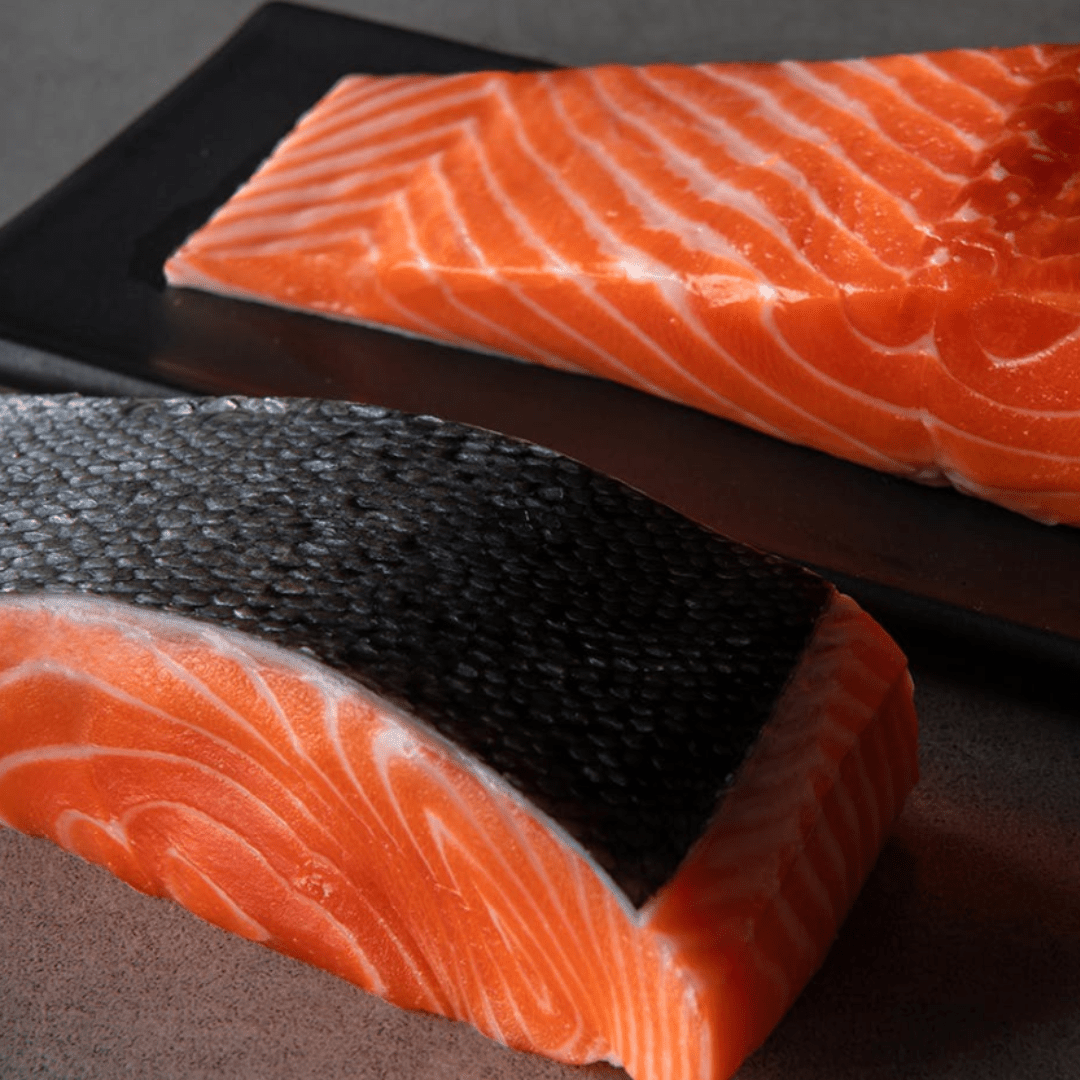
Rich flavor carrying oceanic depth and gentle sweetness across the palate. Contains a selection of King, Atlantic, and Steelhead.

A celebration of clean flavor and coastal elegance. Contains salmon, whitefish, and peruvian scallops.
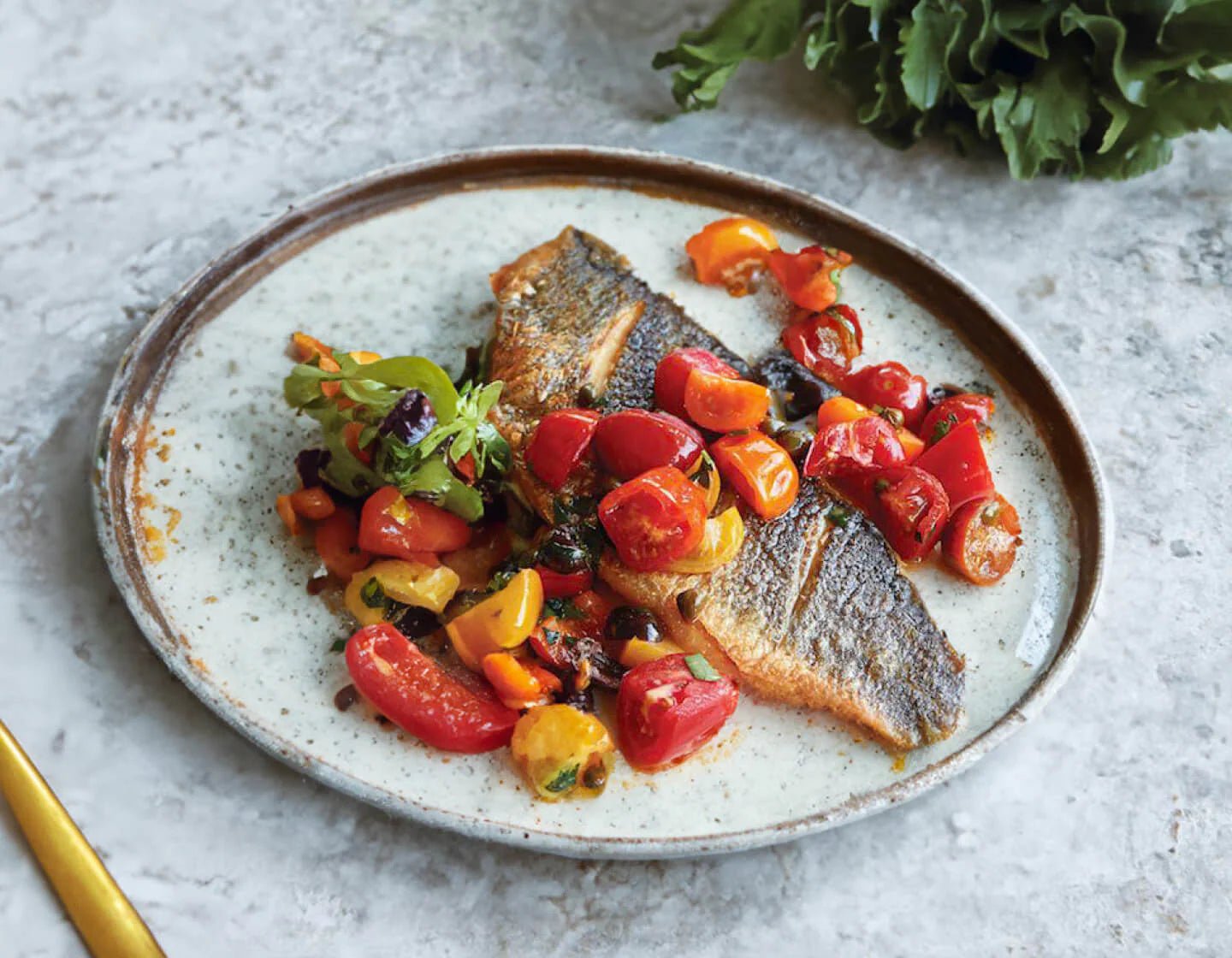
Expressive flavors from the clean, flavorful fish. Contains a selection of bream, branzino, yellowtail, and barramundi.