Excellence Where Land Meets Sea
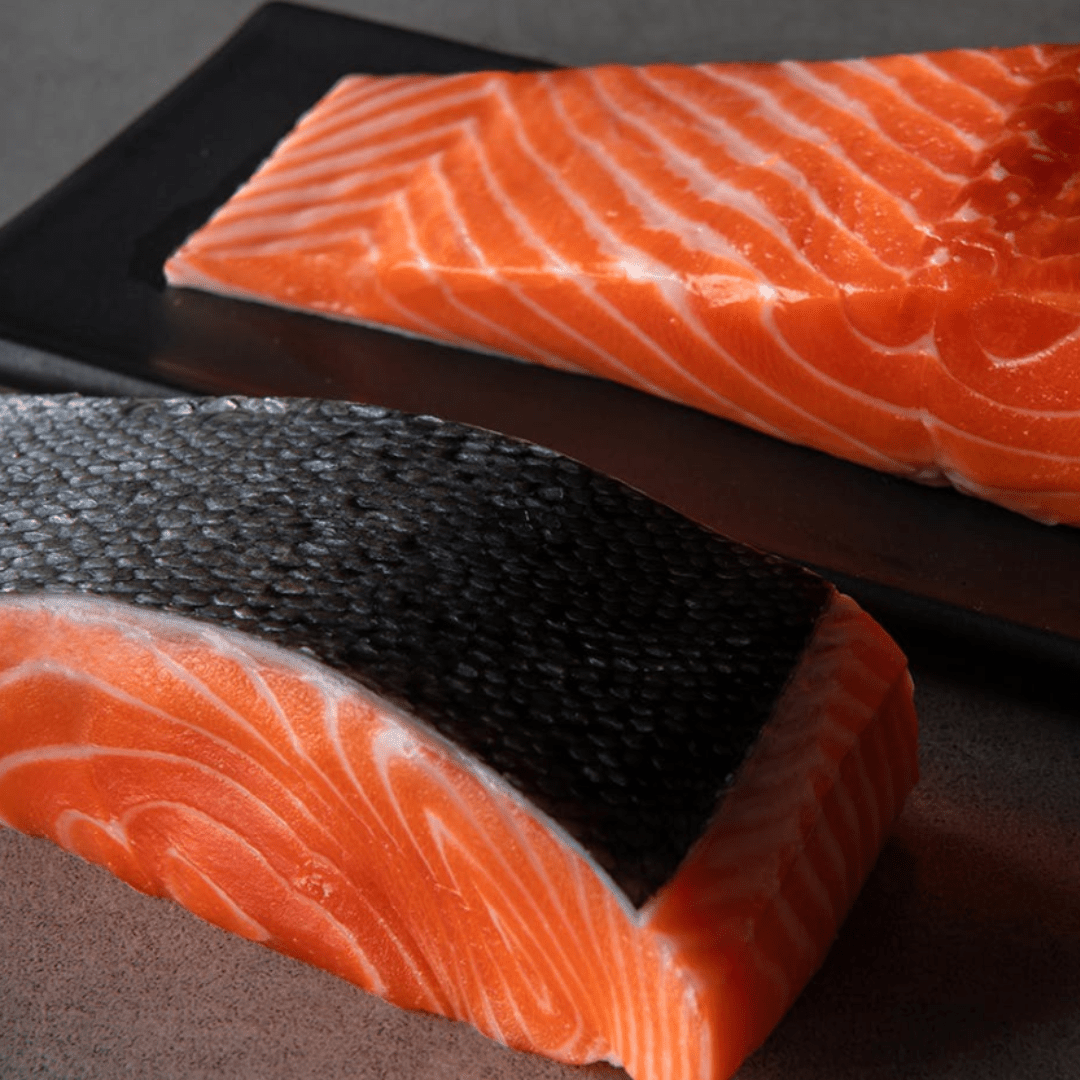
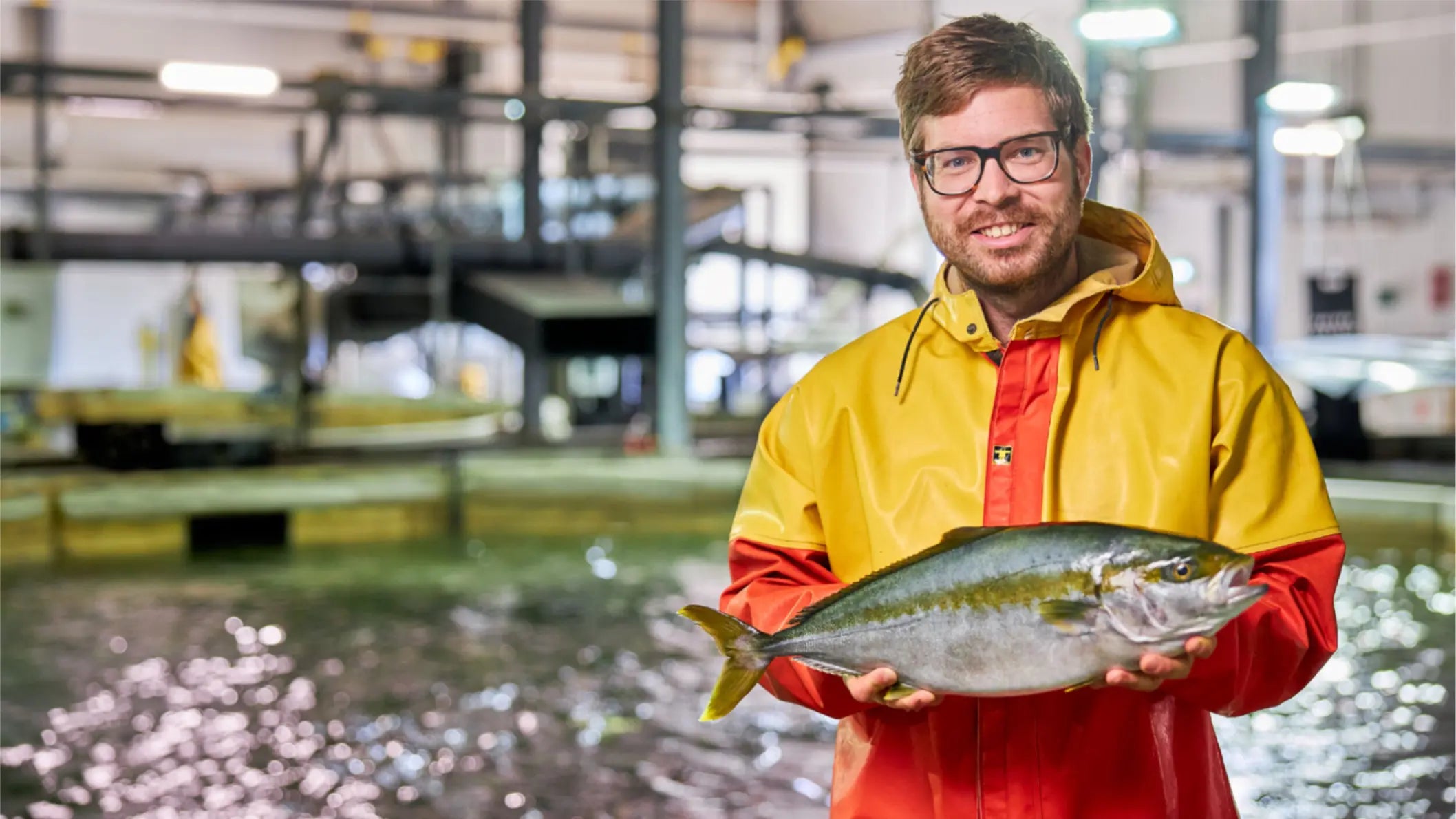
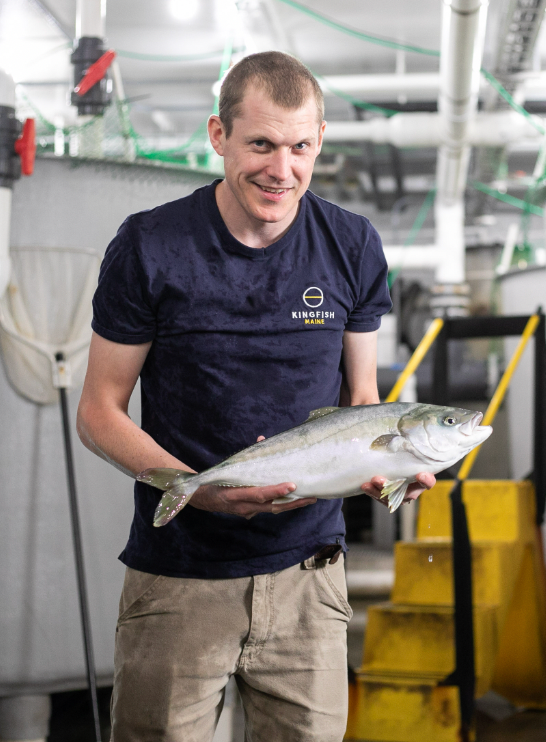
The Kingfish Company produces sushi-grade Yellowtail in a state-of-the-art recirculating aquaculture system on the coast of the Netherlands. Grown without antibiotics, hormones, or environmental discharge, their yellowtail is renowned for its clean, buttery flavor, firm texture, and versatility in the kitchen. Whether lightly cured, gently grilled, or served raw, this fish delivers a sublime eating experience with every bite. Raised in controlled, land-based systems powered by renewable energy, the Kingfish Company is setting a global standard for clean, climate-smart seafood production. Loved by chefs, trusted by sustainability leaders, and enjoyed by raw seafood connoisseurs around the world.
Recirculating Seawater, Powered by 100% Renewable Energy
The Kingfish Company is located in Zeeland, a coastal province in the southwestern Netherlands, where the land meets the North Sea in a network of dikes, inlets, and tidal flats. This marine-forward region is rich in seafood history and innovation, making it a natural home for a next-generation aquaculture operation. The farm sits near the Oosterschelde, the largest national park in the Netherlands, and benefits from proximity to clean seawater and modern infrastructure, all while being within quick reach of major European culinary markets.

100% Renewable, 100% Traceable
Founded by a passionate team of aquaculture pioneers and food system entrepreneurs, The Kingfish Company is driven by a shared vision: to raise exceptional fish in harmony with the planet. With backgrounds in marine biology, aquaculture engineering, and sustainable food systems, the team brings together science and stewardship in every decision they make. Their focus on transparency, traceability, and zero-compromise quality has helped them earn top certifications - including ASC, BAP and the Good Fish Foundation - while building a community of forward-thinking chefs and partners who demand more from seafood.
The Kingfish Co.
Dutch Yellowtail / Kingfish
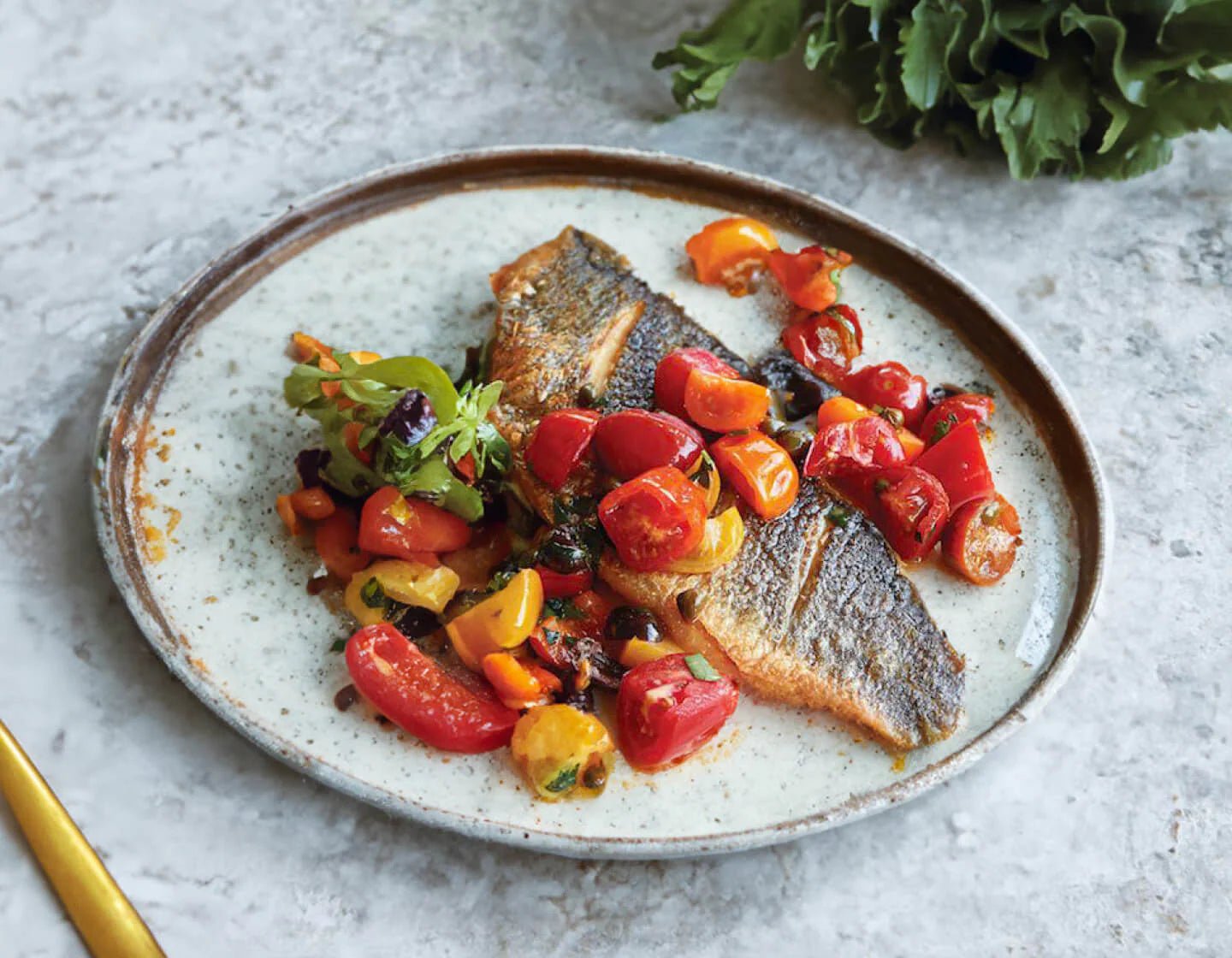
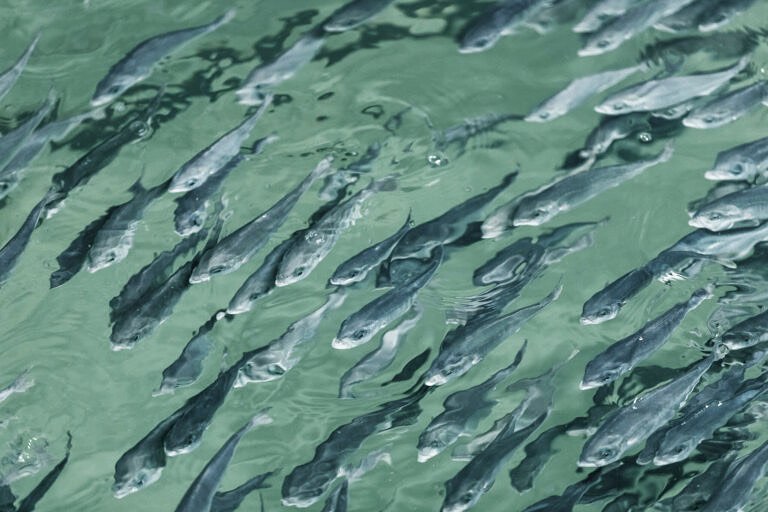
Dutch Yellowtail, also known as Kingfish or Seriola lalandi, is a fast-swimming, warm-water species prized for its rich, clean flavor and sashimi-grade texture. Originally native to the Southern Hemisphere, this species adapts beautifully to controlled aquaculture thanks to its efficient growth, low disease risk, and feed conversion performance. Seriola has a naturally high oil content and a delicate sweetness that shines in both raw and cooked applications. It can be lightly cured, marinated in citrus, or grilled over flame, holding its flavor and texture without overpowering a dish.

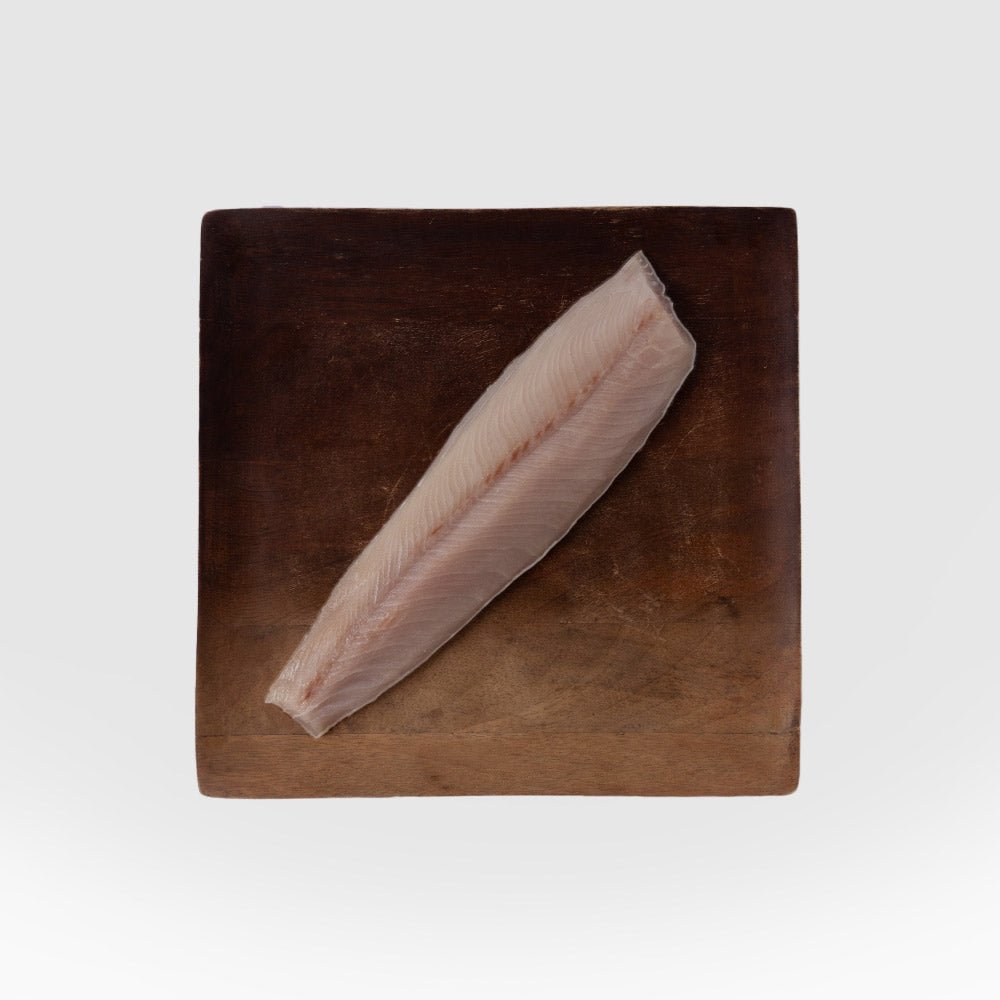
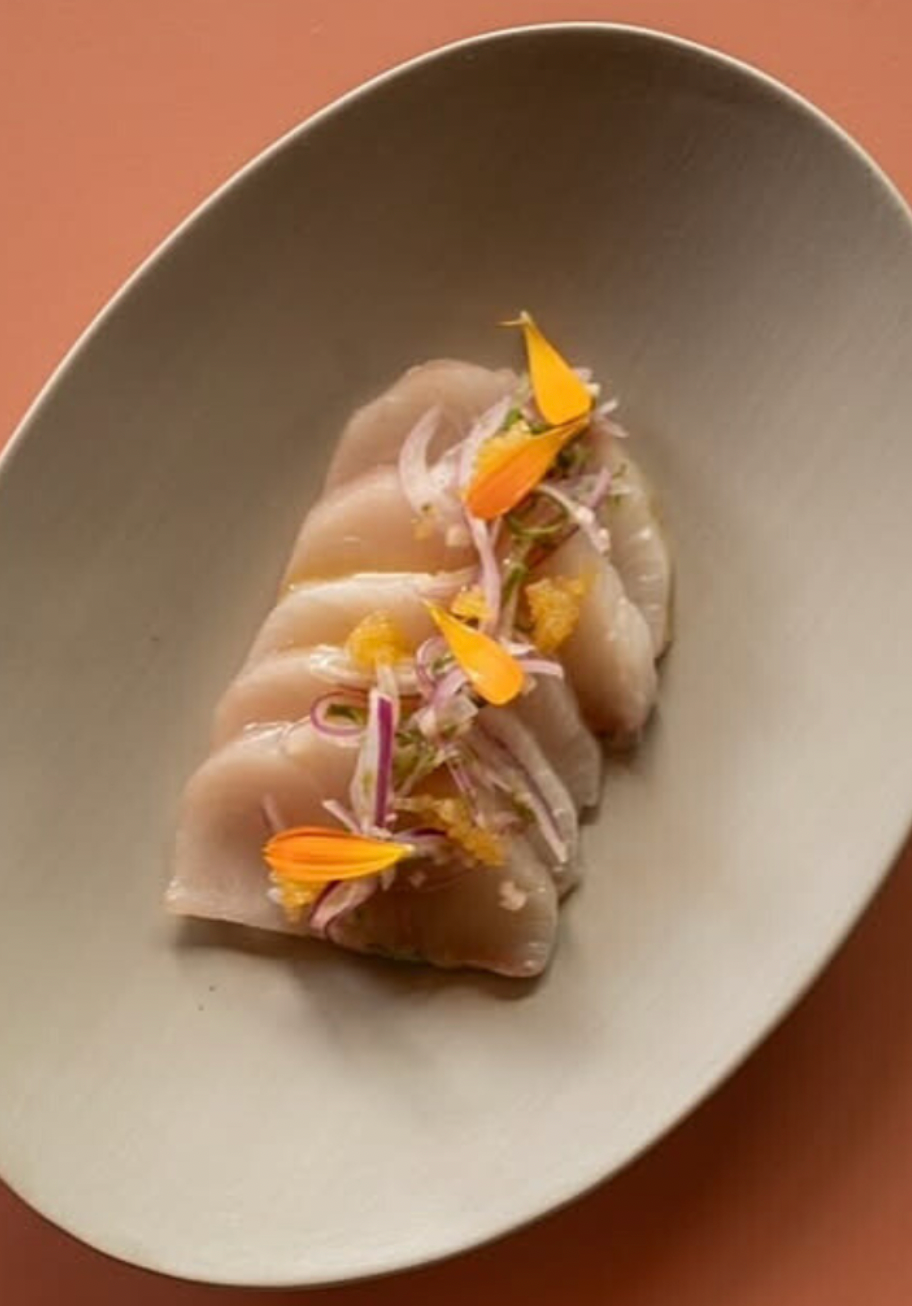
Bright, clean, and high in healthy fat — built for raw preparations like sashimi, ceviche, or crudo
What do the fish eat? - Fish feed FAQ
Feed is the single biggest factor in how clean and how nutritious a fish is. A fish is built from what it eats, which means the feed decides its omega-3s, its mineral profile, and how much mercury or microplastic it carries. That's why we treat feed as a sourcing requirement rather than a farm detail, and why every farm we work with has to tell us exactly what goes into the pellet.
Feed varies by farm, by species, and by stage of growth. The ingredients and the rules below hold across all of them.
What can be in it?
Algae oil:
The original source of EPA and DHA omega-3s. Fish don't make omega-3s, they accumulate them from what they eat. Algae is where those fats come from in the ocean too.
Marine ingredients (fishmeal, fish oil):
Protein and fats in the form fish evolved to digest. We work to reduce this share over time, not eliminate the nutrition it provides. A large amount of marine ingredients already come from offcuts, meaning parts of fish that are not suitable for human consumption, and so reducing ocean impact further.
Plant proteins (soy, pea, barley, corn, pistachio):
Non-GMO, high-protein, highly digestible. Replaces wild-caught protein without issues for the fish, reducing ocean impact.
Amino acids and minerals:
Fills the specific nutritional gaps plant proteins leave, so nothing is missing from the diet.
Astaxanthin:
A naturally occurring carotenoid, the same one found in kelp, krill and shellfish. It's an antioxidant for the fish and the reason salmon flesh is pink.
What's never in it?
Preventative antibiotics, hormones, GMOs, synthetic colouring agents.
Why is there plant protein in fish feed?
Because the alternative is more wild fish. Aquaculture used to run almost entirely on fishmeal and fish oil, which meant catching enormous volumes of small wild fish to grow larger ones. Swapping part of that for high-protein plants takes pressure off those wild stocks while still giving the fish bioavailable protein.
There's a second reason: wild fish carry what the ocean carries. Less wild fish in the feed means less mercury, fewer microplastics and lower parasite risk arriving in your fillet. A controlled diet is what makes a clean fish possible.
Are the fish dyed?
No. Post-harvest colouring agents are prohibited across everything we sell. Colour comes from astaxanthin in the feed, a natural carotenoid found in kelp, krill and shellfish. Wild salmon get their colour the same way. So do flamingos.
Sustainably Raised, Responsibly Farmed, Lab-Tested to Meet the Seatopia Standard
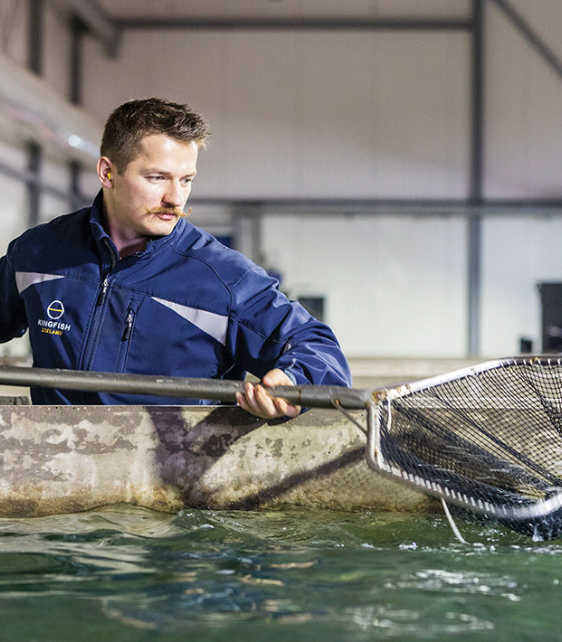
The Kingfish Company raises its fish in a closed-loop RAS facility that recycles its water and operates on 100% renewable electricity. Fish are fed a tailored, sustainable diet free from antibiotics and hormones, designed to optimize health, flavor, and growth. Their feed is composed of responsibly sourced proteins, vitamins, and minerals to optimize animal health and Omega-3s.
Kingfish Recipes

Kingfish Aguachile
An elegant aguachile balanced with smoky ancho chile and creamy coconut herb sauces.

Seatopia Yellowtail and Scallop Tartare
This tartare is a harmonious blend of textures and flavors, with diced scallops, kingfish, jalapeno, radish, and cucumber, all brought together with olive oil and a dash of kelp salt.

Yellowtail Tostada, Corn Labna and Pickled Onion
Our take on a classic ceviche tostada that makes yellowtail the star of the show.