The First Commercially Available Aquaculture 3.0 Feed Profile
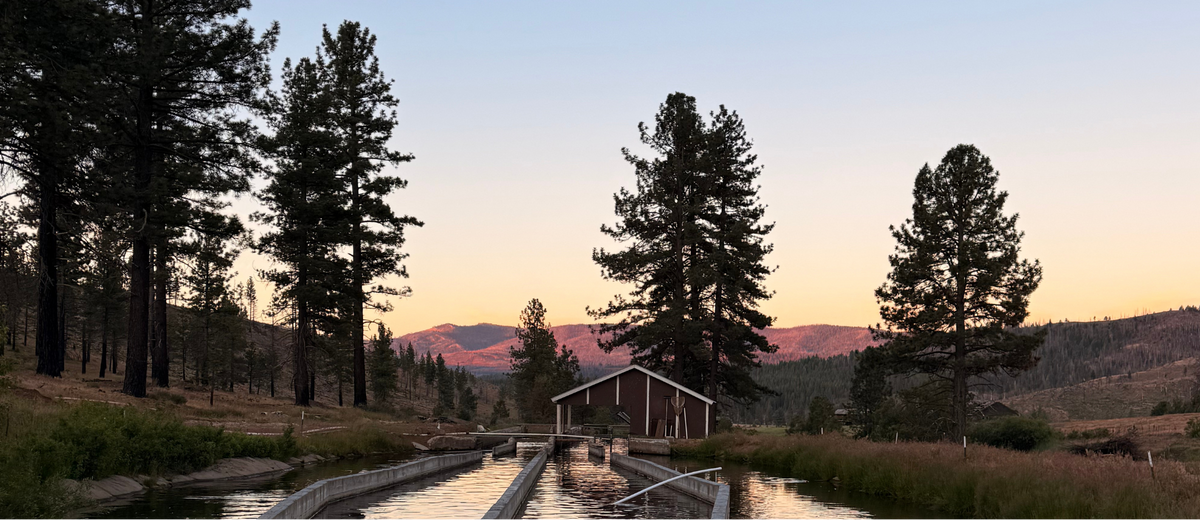
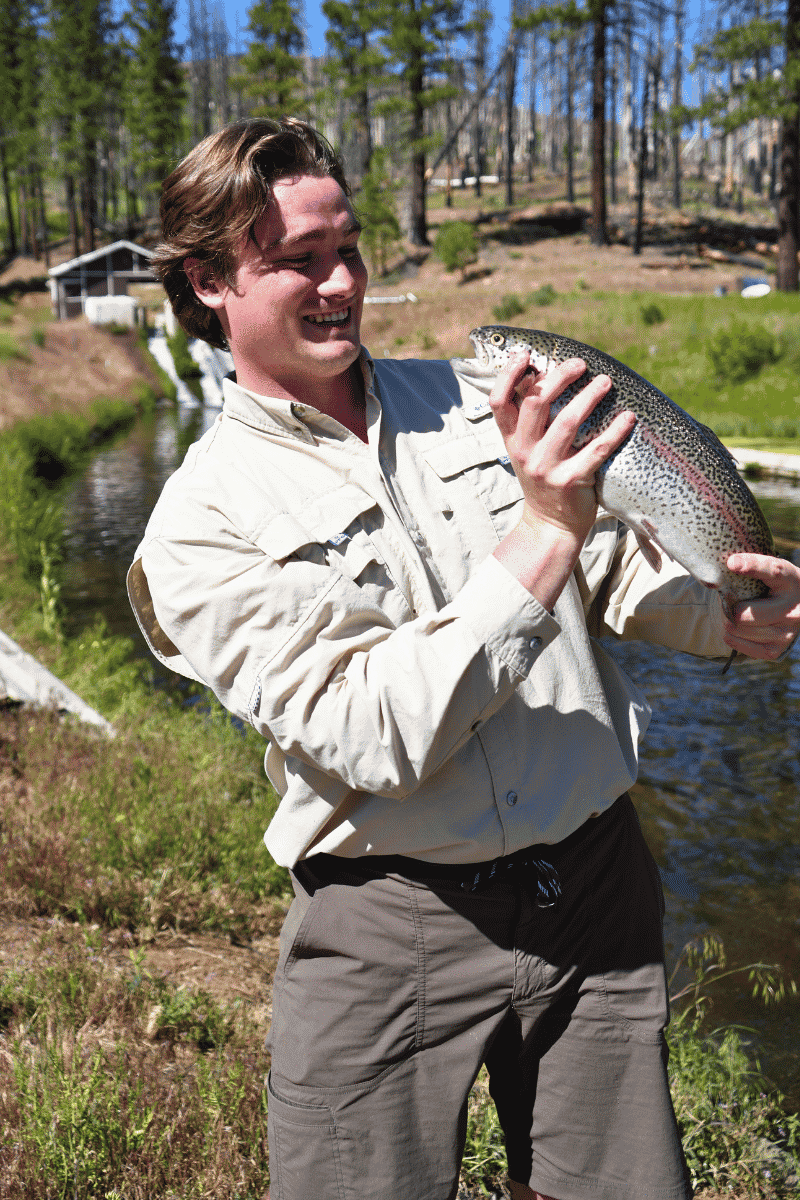
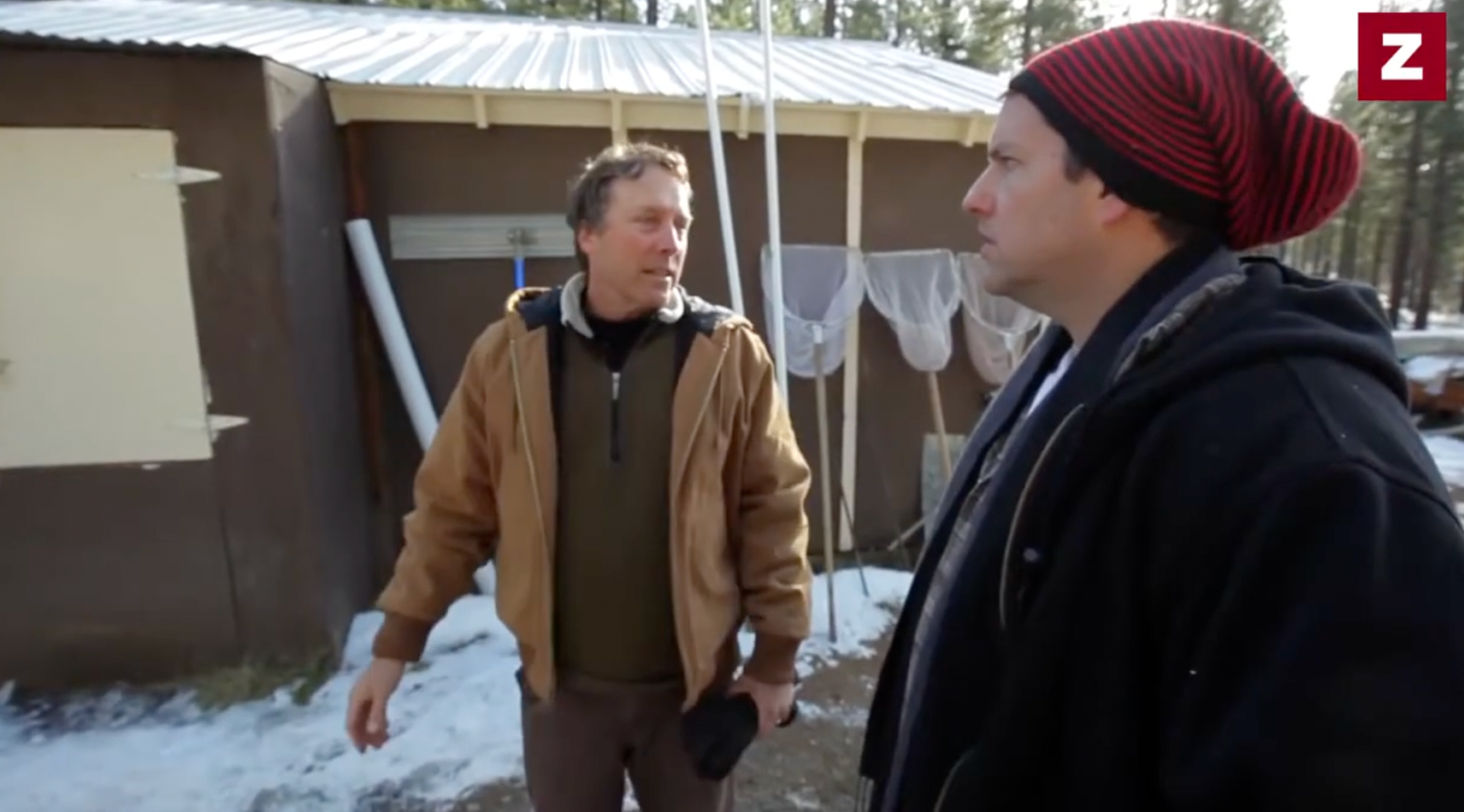
In 1984, biologist David McFarland turned a section of a Susanville, California spring into a closed-loop, carbon-neutral haven for the once-endangered Eagle Lake Rainbow Trout. Recognizing the devastating impact of overfishing on the planet’s oceans, McFarland knew that sustainable land-based aquaculture was the only way to protect marine ecosystems while continuing to enjoy the Omega-rich seafood we love. This family-run farm operates as the smallest commercial fish farm in California - tucked away in a wild valley with under 50,000 fish.
McFarland Springs trout are raised on the only 100% fish-free feed of its kind, formulated from plant proteins, DHA-rich algae, and flax oil. In 2009, a radical idea was brought to the farm: a non-fishmeal diet where the fish never eat fish. This breakthrough choice alone spares approximately 7 million sardines and anchovies every single year. By completely shattering the aquaculture industry’s traditional 1-to-1 “fish in: fish out” cycle, we leave vital forage fish in the sea for wild penguins, whales, and tuna.
Zero-Waste and Carbon Neutral
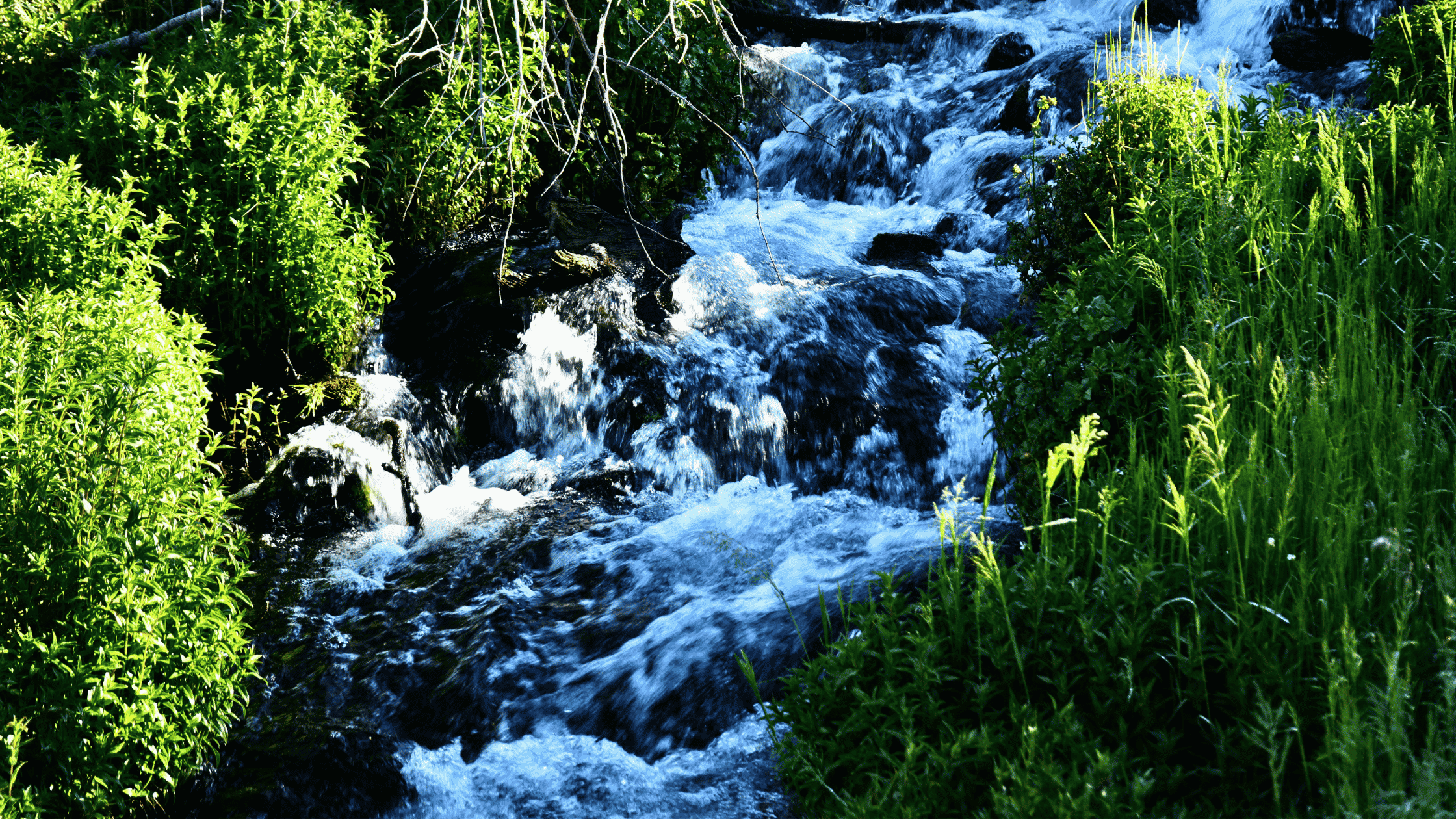
Rule number one in California farming: it’s all about the water. At McFarland Springs, our water is completely wild - surfacing straight from an on-site mountain spring at a pristine 40–60°F year-round, protected by historic presidential water rights.
Driven entirely by gravity, this pure spring water serves a dual purpose:
- Off-Grid Hydropower: The natural rushing flow generates enough electricity to power the entire farm.
- Natural Oxygenation: Man-made waterfalls naturally oxygenate the water without overpowering the trout—and it's clean enough to drink straight from the source.
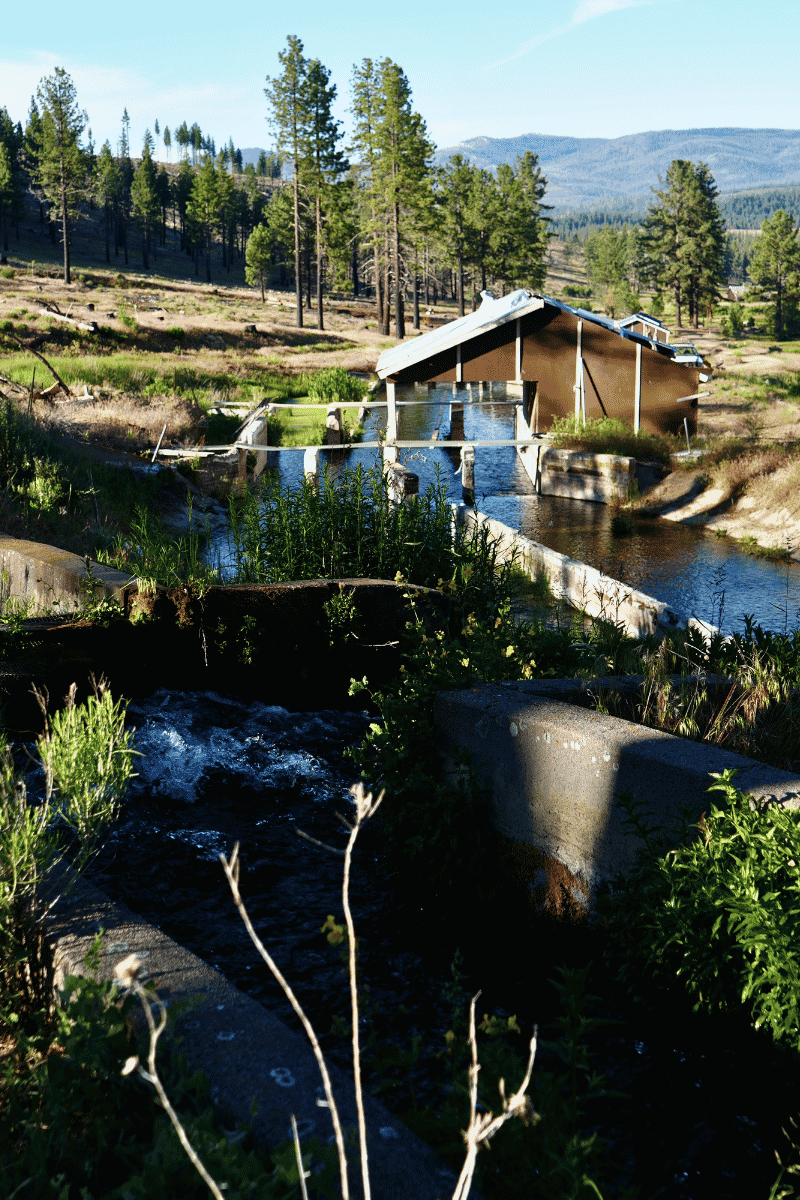
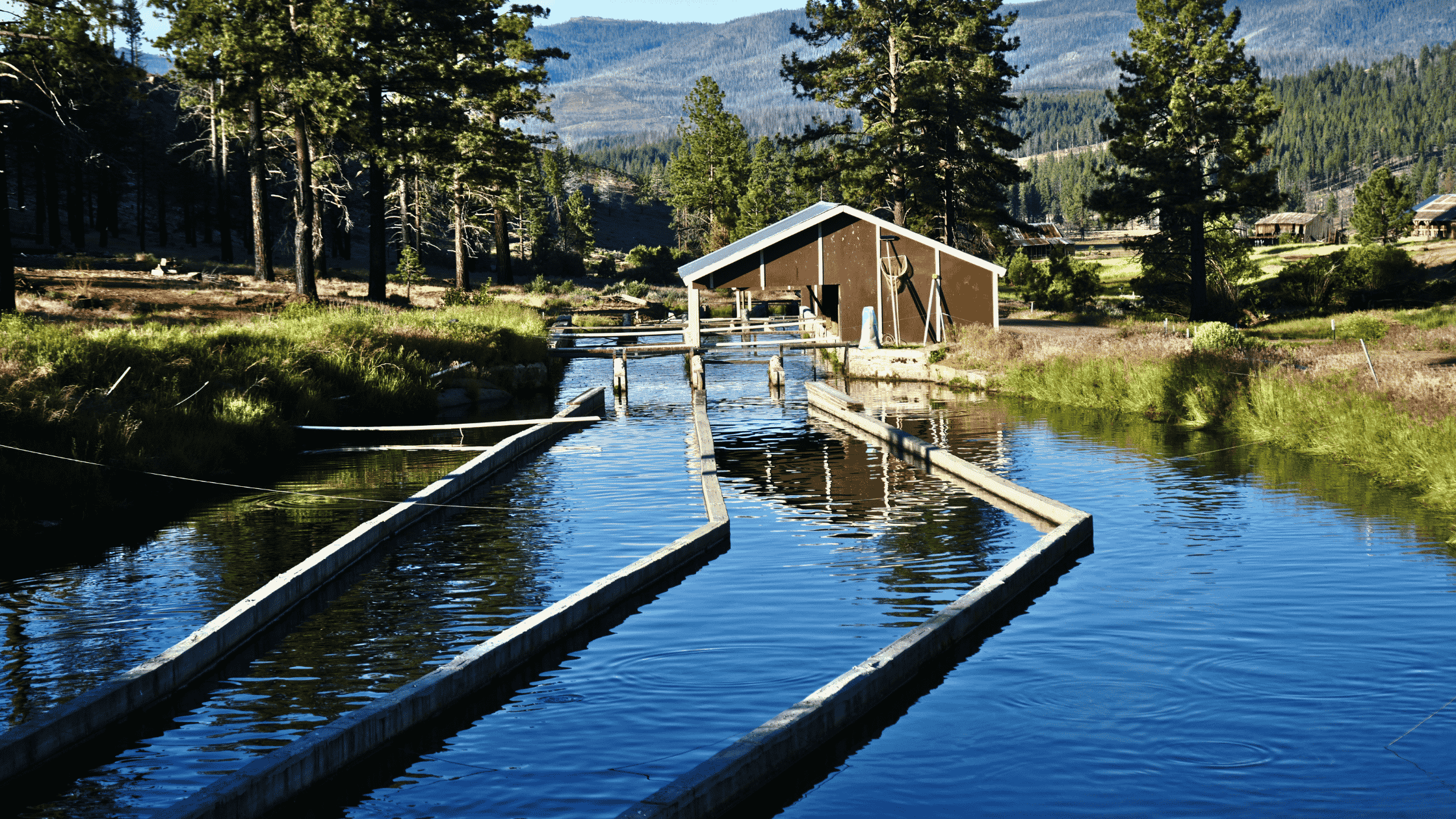
After nourishing the trout in low-density raceways, the water flows onward to irrigate wild meadow grasses. This fully contained, land-based system uses no pumps, creates no chemical discharge, and poses zero risk of fish escape.

The Future of Aquaculture Feed
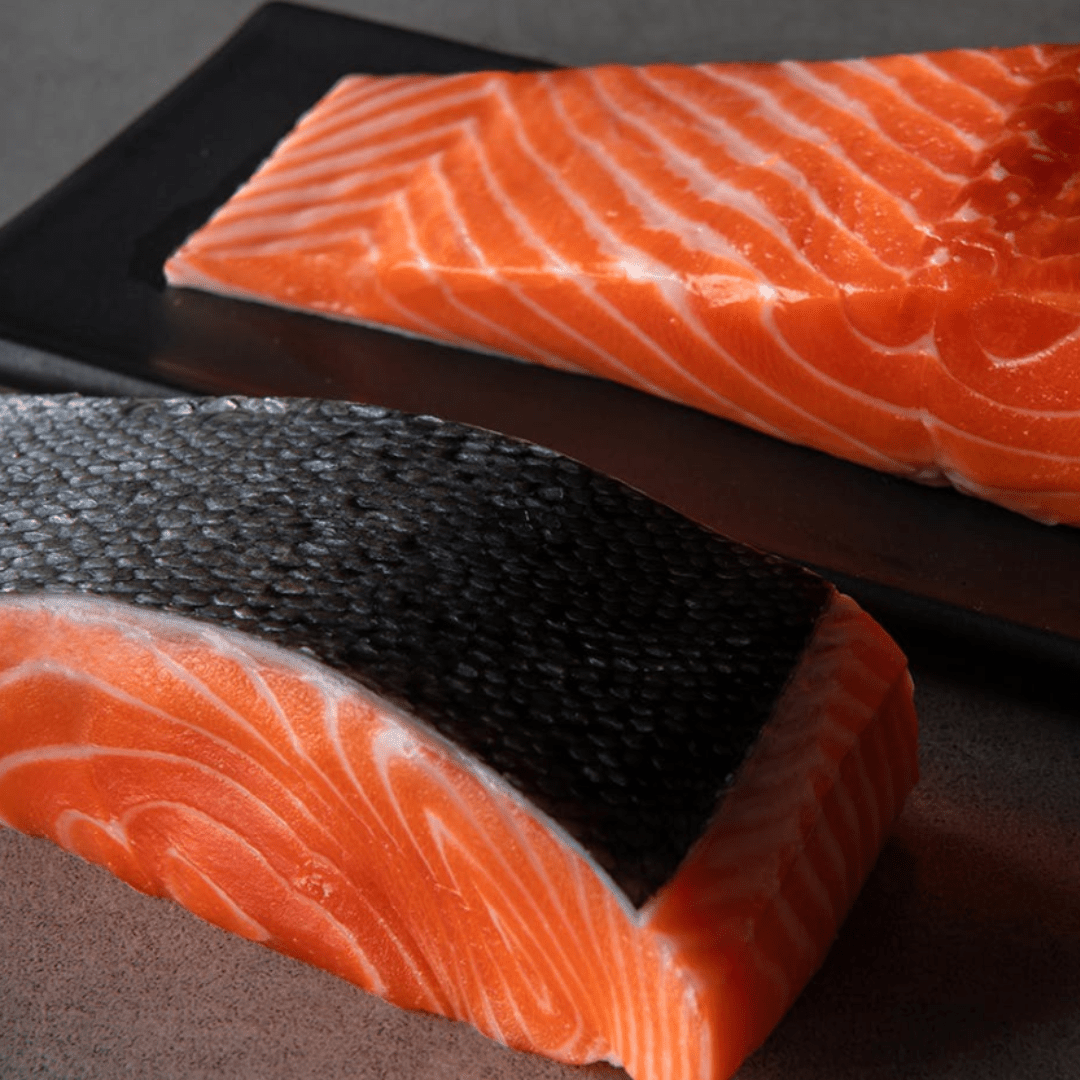
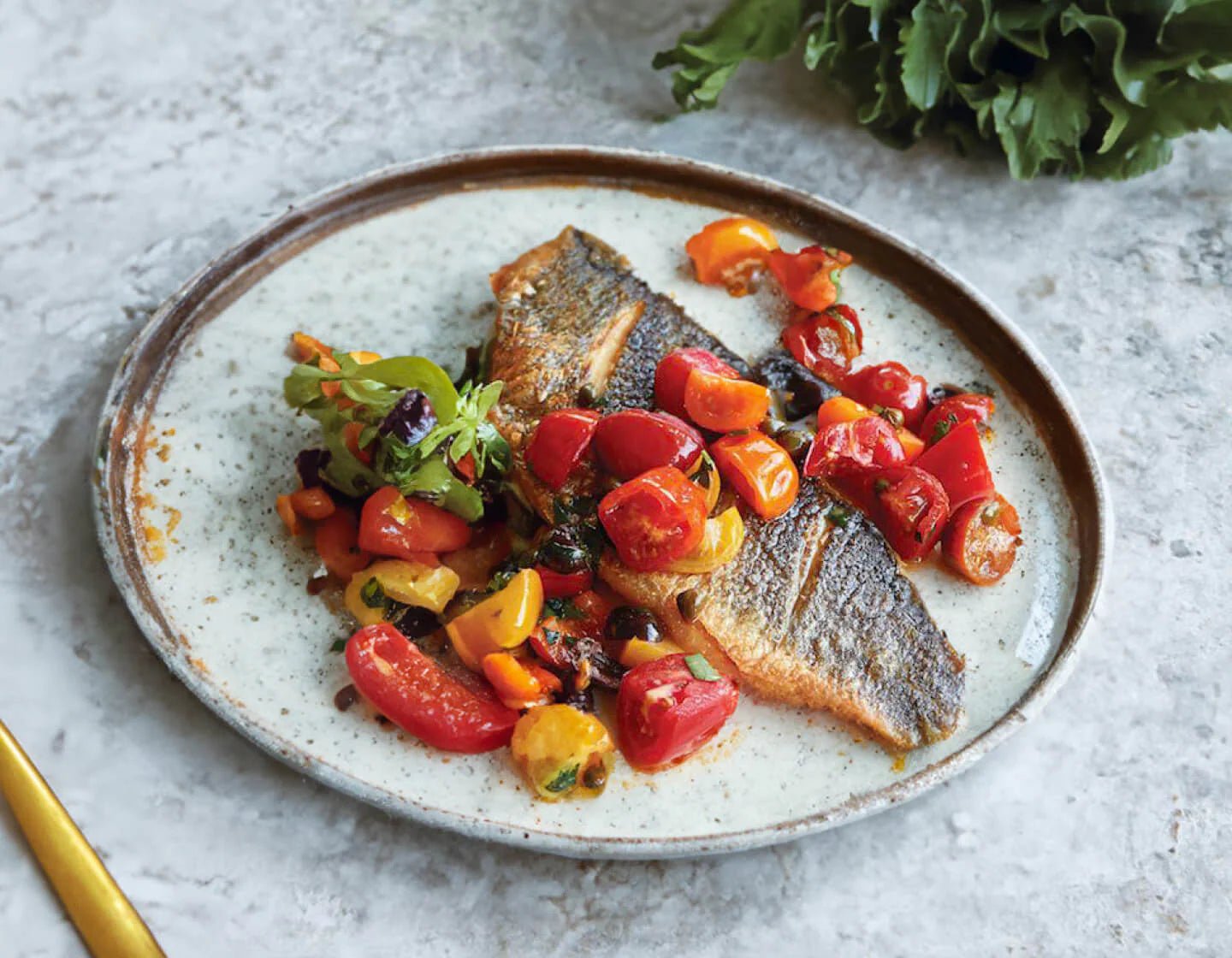
McFarlands Springs Trout thrive on a highly efficient vegetarian diet, with an application that makes them more resource-efficient than most traditional Californian livestock. The result is superfood packed with clean Omega-3s, and shatter-crisp skin that chefs love. McFarland Springs is living proof that land-based aquaculture can regenerate wild ecosystems, all while putting a premium superfood on your plate.
Fish-Free Feed and Advanced Aquaculture
McFarland Springs trout feed on a custom, proprietary recipe consisting of clean plant proteins - enriched with vital omega-3 DHA from algae oil. This feed profile provides the exact same micronutrients, vitamins, and healthy fats as conventional fishmeal, but assists in eliminating the risk of bioaccumulated heavy metals, microplastics, and toxins.
For over ten years, McFarland Springs has partnered with Dr. Rick Barrows (PhD)—the world’s leading authority on fish nutrition—to perfect this revolutionary diet. By blending ingredient innovation with nutrient optimization, the farm ensures the trout’s health and culinary excellence remain uncompromised - setting a new benchmark for aquaculture.
What do the fish eat? - Fish feed FAQ
Feed is the single biggest factor in how clean and how nutritious a fish is. A fish is built from what it eats, which means the feed decides its omega-3s, its mineral profile, and how much mercury or microplastic it carries. That's why we treat feed as a sourcing requirement rather than a farm detail, and why every farm we work with has to tell us exactly what goes into the pellet.
Feed varies by farm, by species, and by stage of growth. The ingredients and the rules below hold across all of them.
What can be in it?
Algae oil:
The original source of EPA and DHA omega-3s. Fish don't make omega-3s, they accumulate them from what they eat. Algae is where those fats come from in the ocean too.
Marine ingredients (fishmeal, fish oil):
Protein and fats in the form fish evolved to digest. We work to reduce this share over time, not eliminate the nutrition it provides. A large amount of marine ingredients already come from offcuts, meaning parts of fish that are not suitable for human consumption, and so reducing ocean impact further.
Plant proteins (soy, pea, barley, corn, pistachio):
Non-GMO, high-protein, highly digestible. Replaces wild-caught protein without issues for the fish, reducing ocean impact.
Amino acids and minerals:
Fills the specific nutritional gaps plant proteins leave, so nothing is missing from the diet.
Astaxanthin:
A naturally occurring carotenoid, the same one found in kelp, krill and shellfish. It's an antioxidant for the fish and the reason salmon flesh is pink.
What's never in it?
Preventative antibiotics, hormones, GMOs, synthetic colouring agents.
Why is there plant protein in fish feed?
Because the alternative is more wild fish. Aquaculture used to run almost entirely on fishmeal and fish oil, which meant catching enormous volumes of small wild fish to grow larger ones. Swapping part of that for high-protein plants takes pressure off those wild stocks while still giving the fish bioavailable protein.
There's a second reason: wild fish carry what the ocean carries. Less wild fish in the feed means less mercury, fewer microplastics and lower parasite risk arriving in your fillet. A controlled diet is what makes a clean fish possible.
Are the fish dyed?
No. Post-harvest colouring agents are prohibited across everything we sell. Colour comes from astaxanthin in the feed, a natural carotenoid found in kelp, krill and shellfish. Wild salmon get their colour the same way. So do flamingos.