



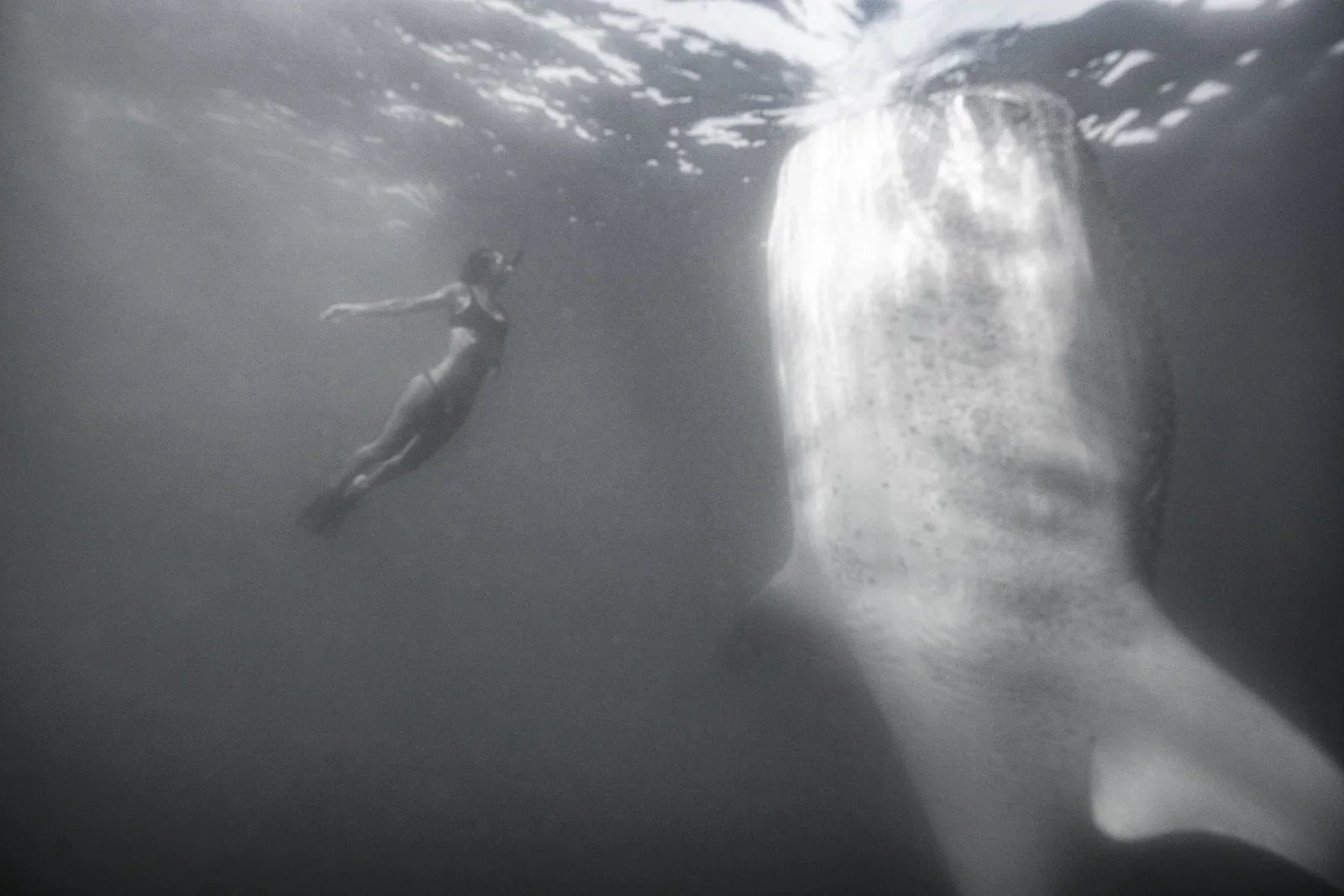
The Waterside Ape: Did the Sea Make Us Human?
What David Attenborough believes about our origins — and what DHA, ancient shell middens, and the omega-3s in your own blood reveal about where we come from.
I have spent most of my life within sight of the water. As the son of a lifeguard, on the deck of a sailboat, or with a mask pressed to my face in depths cold enough to tighten my chest; when the most trusted voice in the natural world spends two hours exploring whether the sea is where we came from, I listen.
In 2016, Sir David Attenborough turned his unmatched authority toward a question mainstream science had spent fifty years waving away: were our ancestors shaped at the shoreline? While academics had long sneered at the concept, David Attenborough's deep-dive into the Aquatic Ape Hypothesis completely reframed the discussion. Drawing from his compelling BBC Radio 4 series, The Waterside Ape and Scars of Evolution, he moved past empty provocations to review hard data on brain evolution and early human wading habits, proving that the idea deserved a serious, second hearing.
To truly understand why this theory holds water, you have to look past the dirt and stones of traditional fossil hunting and examine human anatomy. This comes alive vividly during David Attenborough’s conversation with Peter Rhys-Evans regarding The Waterside Ape. Rather than debating abstract evolutionary timelines, Rhys-Evans brings decades of surgical expertise as a leading ear, nose, and throat specialist to the table, showing Attenborough how uniquely adapted our upper airways, sinuses, and vocal tracts are to a life spent near the water.
The Idea that Won’t Sink
This coastal blueprint has a name: the Aquatic Ape Hypothesis, though modern researchers refer to it more carefully as the waterside or shore-based model. First proposed in 1960 by British marine biologist Sir Alister Hardy, the theory suggests that a branch of early hominids were pushed to the coast to wade and dive for shellfish, leaving permanent evolutionary marks on our anatomy. When mainstream academia ignored Hardy, the writer Elaine Morgan spent the next four decades fiercely keeping the idea alive in the public imagination.
Disappointingly, mainstream anthropology never truly came around. The full version of the theory still lives in the margins of textbooks rather than the settled core of science. Yet, the reason the hypothesis refuses to sink is that our own bodies continue to show us undeniable physical proof.
The Body Remembers the Water
Compared to our primate cousins, humans are deeply strange animals. We are virtually hairless. We carry a layer of fat bonded to our skin that resembles a marine mammal more than an ape. We can control our breathing at will—a rare ability on land, but an absolute necessity in water, and the structural foundation of speech. Even our heart rate drops the moment cold water touches our faces. It is the mammalian dive reflex, the same evolutionary survival mechanism that sustains a diving seal, ticking quietly inside us.
None of these clues proves a watery past on its own—each has other explanations. But one piece of evidence didn't come from a paperback; it came from a peer-reviewed journal, and it stopped me in my tracks. Human babies are born coated in vernix caseosa, a waxy white shield long thought to be ours alone. Then, a 2018 study in Scientific Reports revealed that newborn California sea lions enter the world wearing the exact same signature blend of fats. It was the first time it had ever been documented outside our species. The ocean, it seems, swaddles its young much the way we swaddle ours.
The Brain was Built from the Sea
Here is where wonder gives way to hard evidence.
Your brain is roughly sixty percent fat, and the single most important molecule in it is DHA, an omega-3 that has been the structural backbone of neural and visual tissue for some five hundred million years. You cannot build a large, complex brain without a steady, generous supply of it. And here is the problem, the old “we became human on the dry savanna” story could never solve: the savanna is poor in preformed DHA, yet the water; ocean, lake, estuary - is extraordinarily rich in it.
This insight stems from the life's work of biochemist Michael Crawford and colleagues, including Stephen Cunnane. In examining forty-two mammal species, Crawford’s team found that as terrestrial animals grew larger, their relative brain size shrank—suggesting that brain growth was actively rationed by the body’s limited capacity to produce DHA. Turns out, we are the great anomaly, and their conclusion is uncompromising. The richest source of DHA belongs to the marine food chain, while the savanna offers almost none, making it highly improbable that our brains expanded there. This is the bedrock argument Attenborough leaned on, anchored firmly in the field’s flagship journal of human evolution.
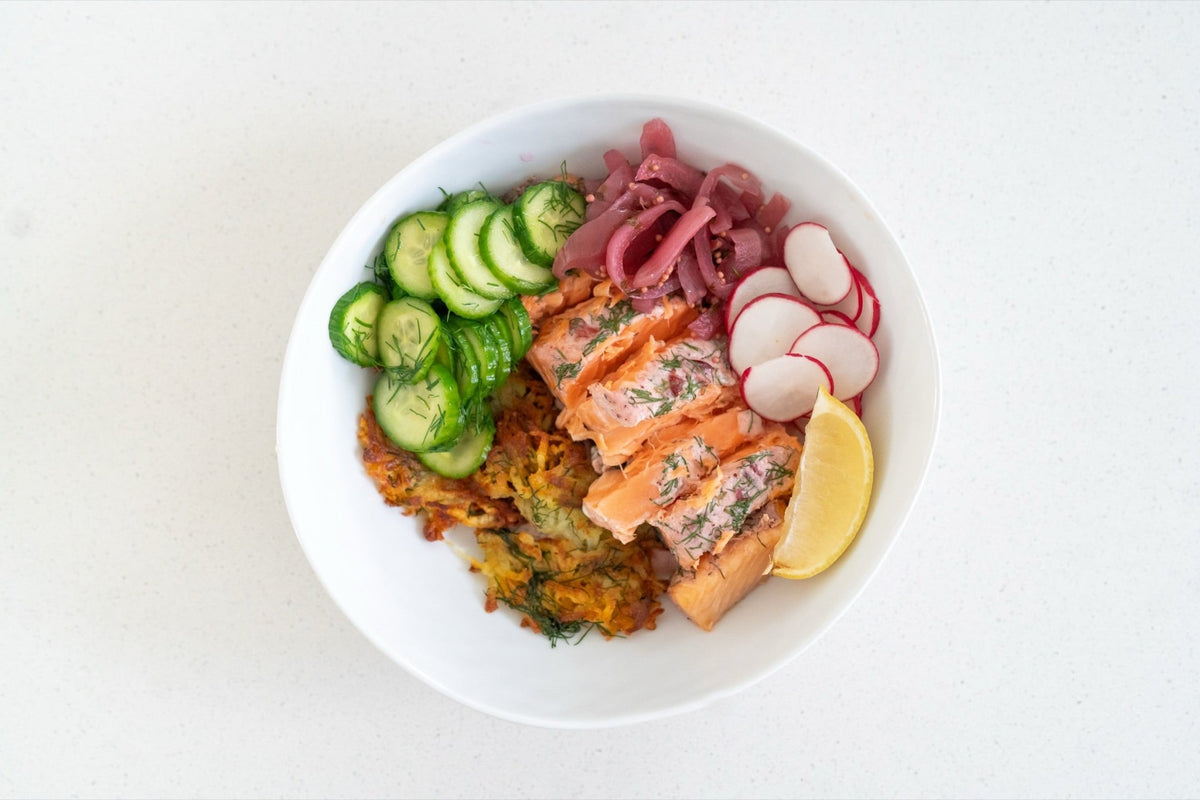
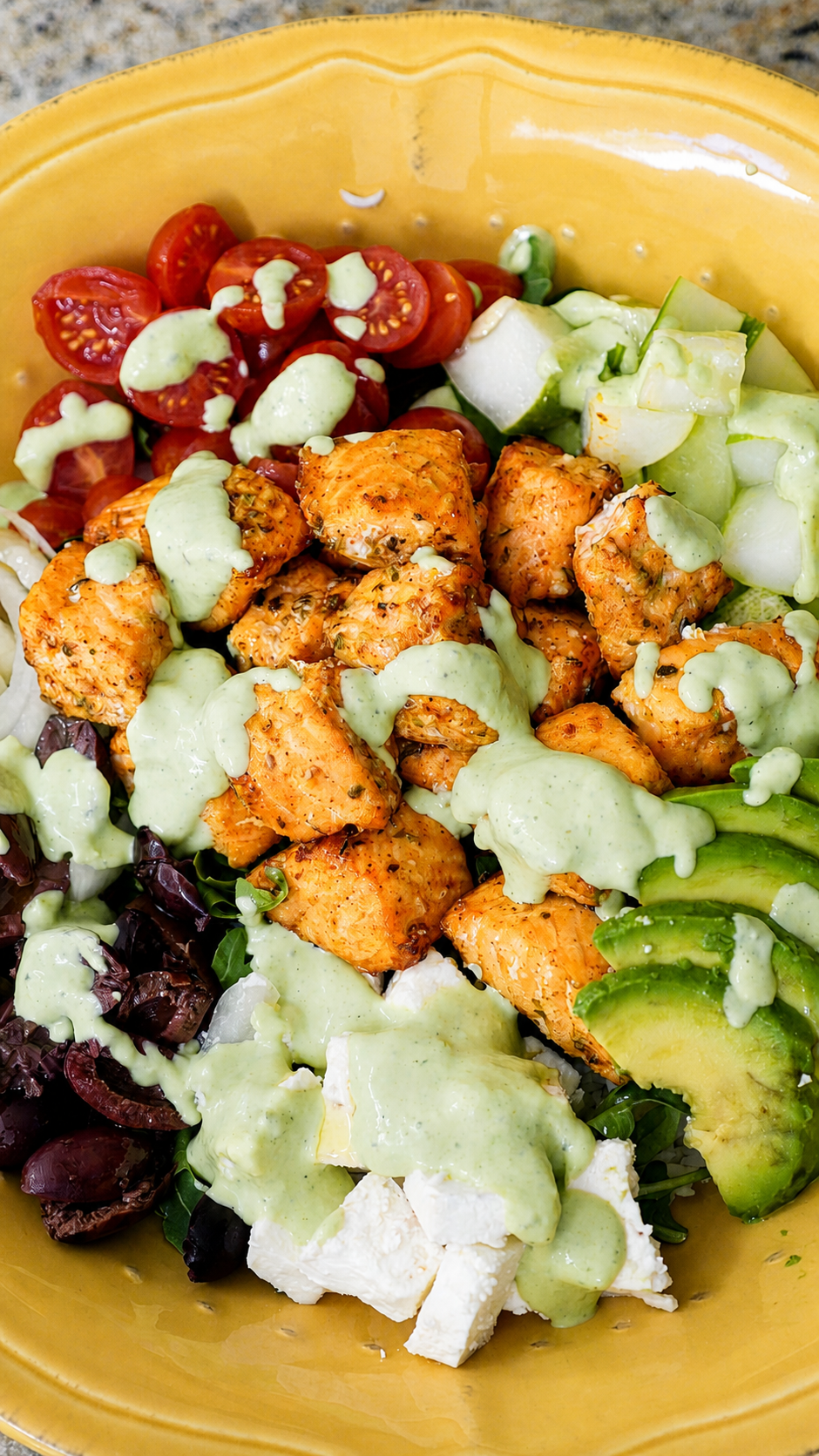
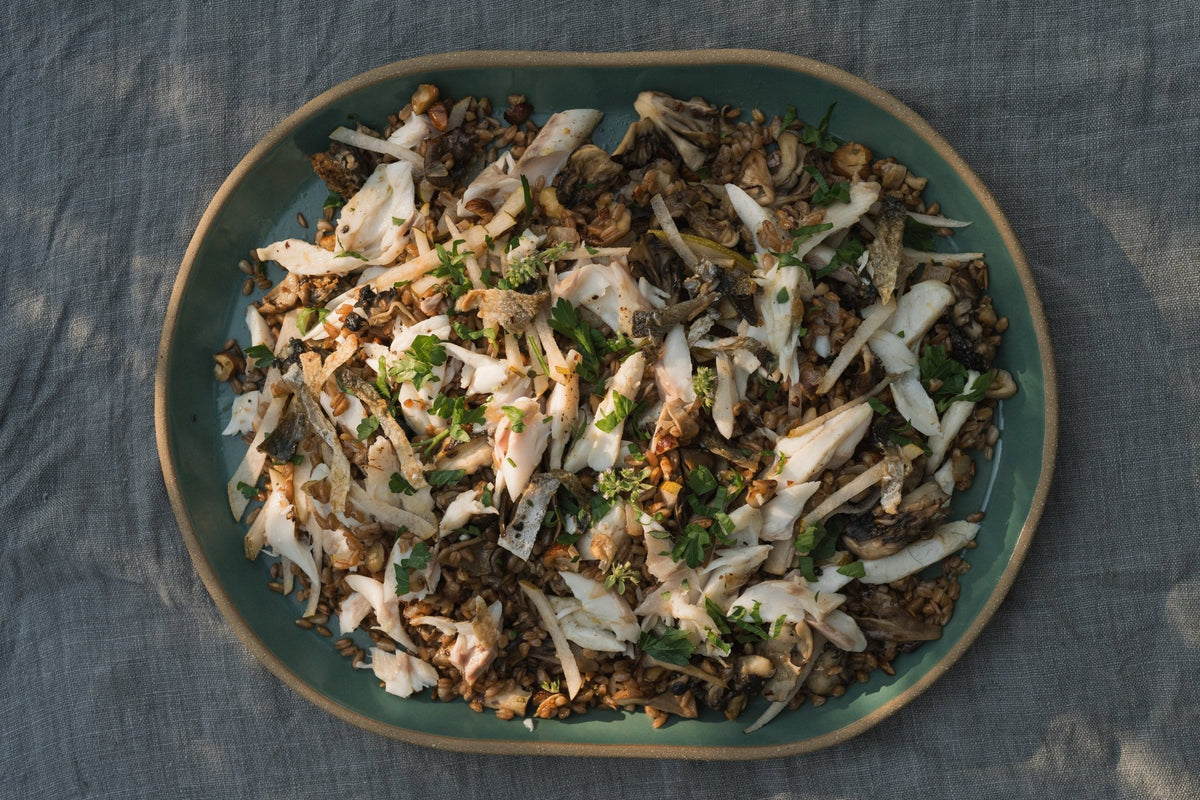
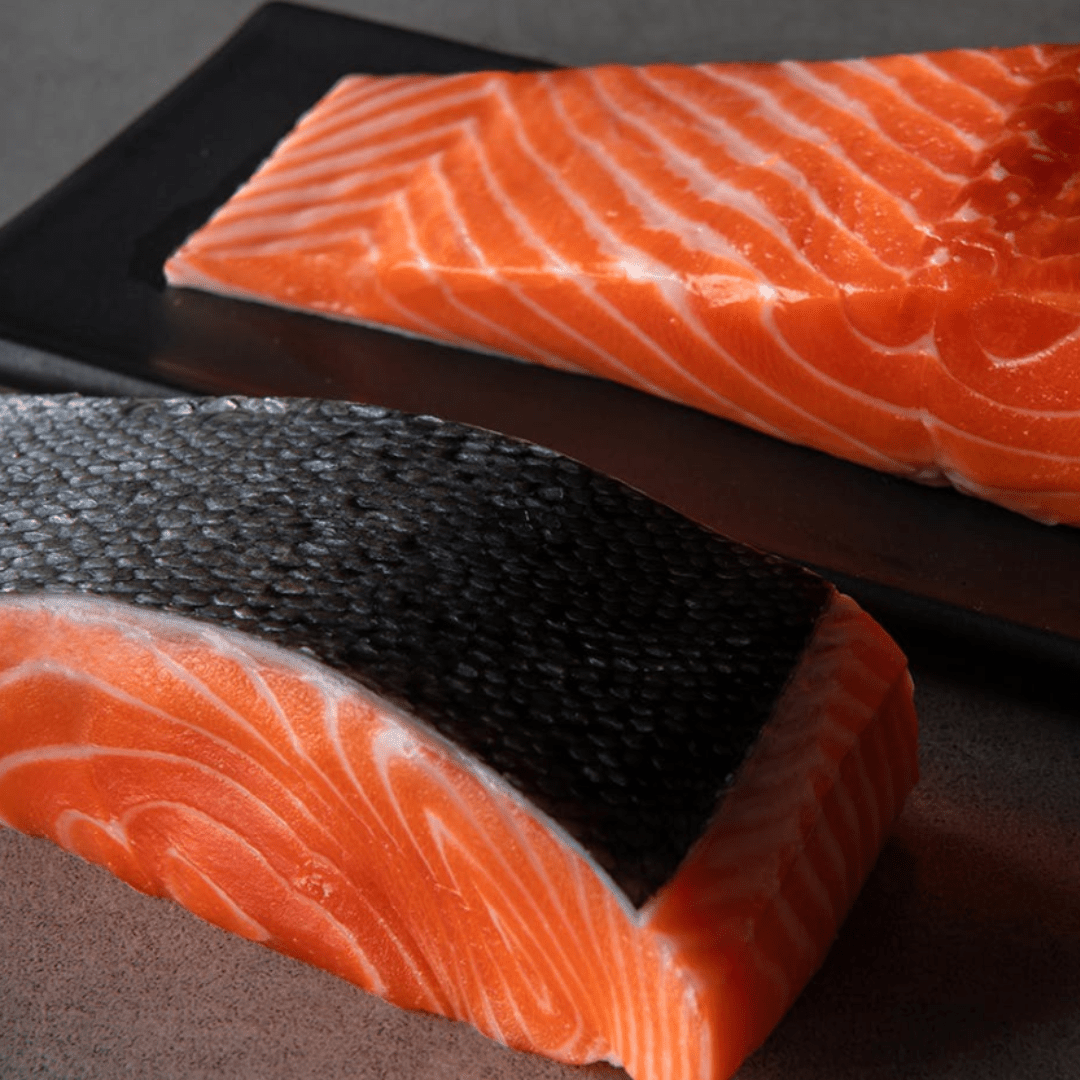
There’s also a practical footnote to this that matters at the dinner table. DHA reaches the brain most efficiently when it arrives in the natural packaging of whole seafood — carried inside a food matrix our bodies recognise — rather than as an isolated oil in a capsule. It’s one reason I trust real fish over a supplement, and why we prioritise species like King Salmon and Steelhead: they deliver the structural fats our brains were quite literally built from, and most importantly - in the form they were meant to be eaten.
The Shells Don’t Lie
However, theory is one thing; dinner is another. On the South African coast, at a sea cave called Pinnacle Point, archaeologist Curtis Marean uncovered ancient mounds of mussel, limpet, and sea-snail shells. Published in Nature, his discovery yielded what was, at the time, the earliest hard evidence of human beings harvesting the sea—dating back roughly 164,000 years.
What moves me is the context. This was a cold, dry, punishing stretch when much of Africa was near-desert and game was scarce. Small bands of our ancestors walked to the coast and learned to read the tides, timing dangerous trips to the rocks for the brief windows when the lowest spring tides bared the shellfish beds.
Beside the shells they left ground red ochre — some of the earliest evidence of symbolic thought. A reliable, brain-feeding food let them stay, and grow, and begin to imagine. It wasn’t a one-off: later sites, and even our Neanderthal cousins on the coast of Portugal, tell the same story. When the going got hardest, we went to the water, and the water kept us.
What’s Firm, and What’s Still an Open Question
I don’t want to sell you a myth — that would be the opposite of everything we stand for. So let me draw the line plainly.
The grand claim — that a single “aquatic ape” phase explains our hairlessness, our upright walk, and our breath control all at once — is rejected by most anthropologists, and their objection is fair: stretched far enough, it becomes a theory of everything, and several of its pieces have simpler explanations. The dive reflex, for one, turns up in nearly every air-breathing mammal — even dogs.
But the part that actually shapes how we should eat today has only grown stronger: marine omega-3s were essential to building the human brain, and our ancestors were eating from the shoreline at least 164,000 years ago. When Attenborough asked the old question again, he wasn’t reaching for mermaids. He was pointing at what the savanna story had underweighted for half a century — the water was always there, and it was always feeding us.
The Ocean in your Blood
Which leaves the only question that really matters now: how much of that ocean is still in you? We can measure it. The Omega-3 Index reads the share of EPA and DHA built into your red blood cell membranes — a report card for your marine nutrition, with the high-performance range sitting near eight to twelve percent. Most modern eaters fall well short of it. It is a quiet way of asking how connected, in your very cells, you still are to the sea that made us.
A Return to the Source
There’s a heartbreak buried in all of this however. Our ancestors ate from clean estuaries and shallow reefs — food low on the chain, rich in minerals, free of the burdens we’ve since poured into the water. Too much of today’s seafood comes from opaque supply chains, or from the big apex predators that concentrate mercury and microplastics. The very food that built us has, in many forms, been turned against us.
That gap is the reason Seatopia exists. We source from regenerative partners, we lab test every harvest for mercury and microplastics, and we hold to a standard clean enough to be eaten through pregnancy — so that this nutrition reaches you the way our ancestors received it. Not a story about the sea. The sea itself, verified.
You don’t have scales, and you never did. But your brain, your eyes, and your heart were all built from the gifts of the water — and that inheritance is still yours to claim, one meal at a time.
If this stirs something in you, begin where it began — at the source. Explore the Seatopia Clean Reset, and consider measuring your own omega-3 index to see exactly how much of the ocean is still living in you.
This is the Seatopia Standard™.
References
Attenborough, D. (Presenter). (2016, September). The waterside ape [Audio podcast]. BBC Radio 4. https://www.youtube.com/watch?v=heyo91foK_o.
Bower, B. (2014). Background: Aquatic ape hypothesis. Science News, 185(11), 16–17. https://en.wikipedia.org/wiki/Aquatic_ape_hypothesis.
Bradbury, J. (2011). Docosahexaenoic acid (DHA): An ancient nutrient for the modern human brain. Nutrients, 3(5), 529–554. https://doi.org/10.3390/nu3050529
Crawford, M. A., & Broadhurst, C. L. (2012). The role of docosahexaenoic acid in the marine food web and human brain development. Wiley-Blackwell. https://pubmed.ncbi.nlm.nih.gov/10419087
Crawford, M. A., Bloom, M., Broadhurst, C. L., Schmidt, W. F., Cunnane, S. C., Galli, C., Gehbremeskel, K., Linseisen, F., Lloyd-Smith, J., & Parkington, J. (1999). Evidence for the unique function of docosahexaenoic acid during the evolution of the modern hominid brain. Lipids, 34(Suppl 1), S39–S47. https://doi.org/10.1007/bf02562227
Hawks, J. (2021). Why anthropologists don’t accept the aquatic ape theory: An overview of alternative physical adaptations. John Hawks Weblog. https://www.johnhawks.net/p/why-anthropologists-dont-accept-the-aquatic-ape-theory
Joordens, J. C. A., Kuipers, Remko S., Wanink, Jan H., & Muskiet, Frits A. J. (2014). A fish is not a fish: Patterns in fatty acid composition of aquatic food may have had implications for hominin evolution. Journal of Human Evolution, 77, 107–116. https://doi.org/10.1016/j.jhevol.2014.04.004
Marean, C. W., Bar-Matthews, M., Bernatchez, J., Fisher, E., Goldberg, P., Herries, A. I., Jacobs, Z., Jerardino, A., Karkanas, P., Minichillo, T., Nilssen, P. J., Thompson, E., Watts, I., & Williams, H. M. (2007). Early human use of marine resources and pigment in South Africa during the Middle Pleistocene. Nature, 449(7164), 905–908. https://doi.org/10.1038/nature06204
Misra, R. (2020). The brine revolution: How ancient salt-making shaped human history. Hakai Magazine. https://hakaimagazine.com/features/brine-revolution/.
Roberts, P., & Maslin, M. (2016). Reality check: Did humans really evolve from "aquatic apes"? The Conversation. https://theconversation.com/sorry-david-attenborough-we-didnt-evolve-from-aquatic-apes-heres-why-65570.
The Scientist Magazine. (2016). Attenborough on the waterside ape: The legendary broadcaster explores the controversial theory of human evolution. The Scientist. https://www.the-scientist.com/aquatic-apes--67361
Wang, D. H., Ran-Ressler, R., St. Leger, J., Nilson, E., Palmer, L., Collins, R., & Brenna, J. T. (2018). Sea lions develop human-like vernix caseosa delivering branched fats and squalene to the GI tract. Scientific Reports, 8, Article 7478. https://doi.org/10.1038/s41598-018-25871-1








Share:
Seafood Versus Plants and Capsules