Raising Barramundi in Van Phong Bay, Vietnam
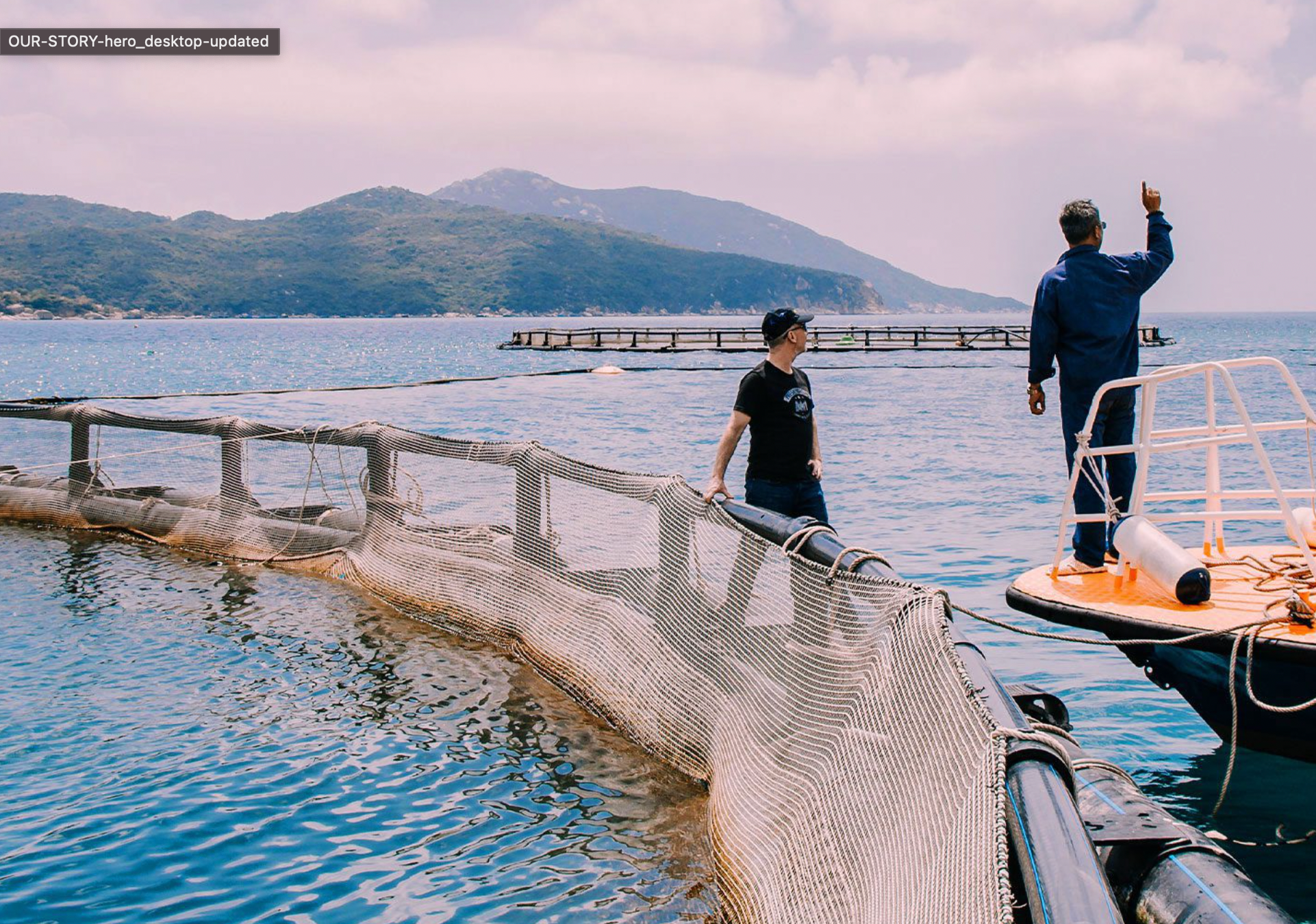
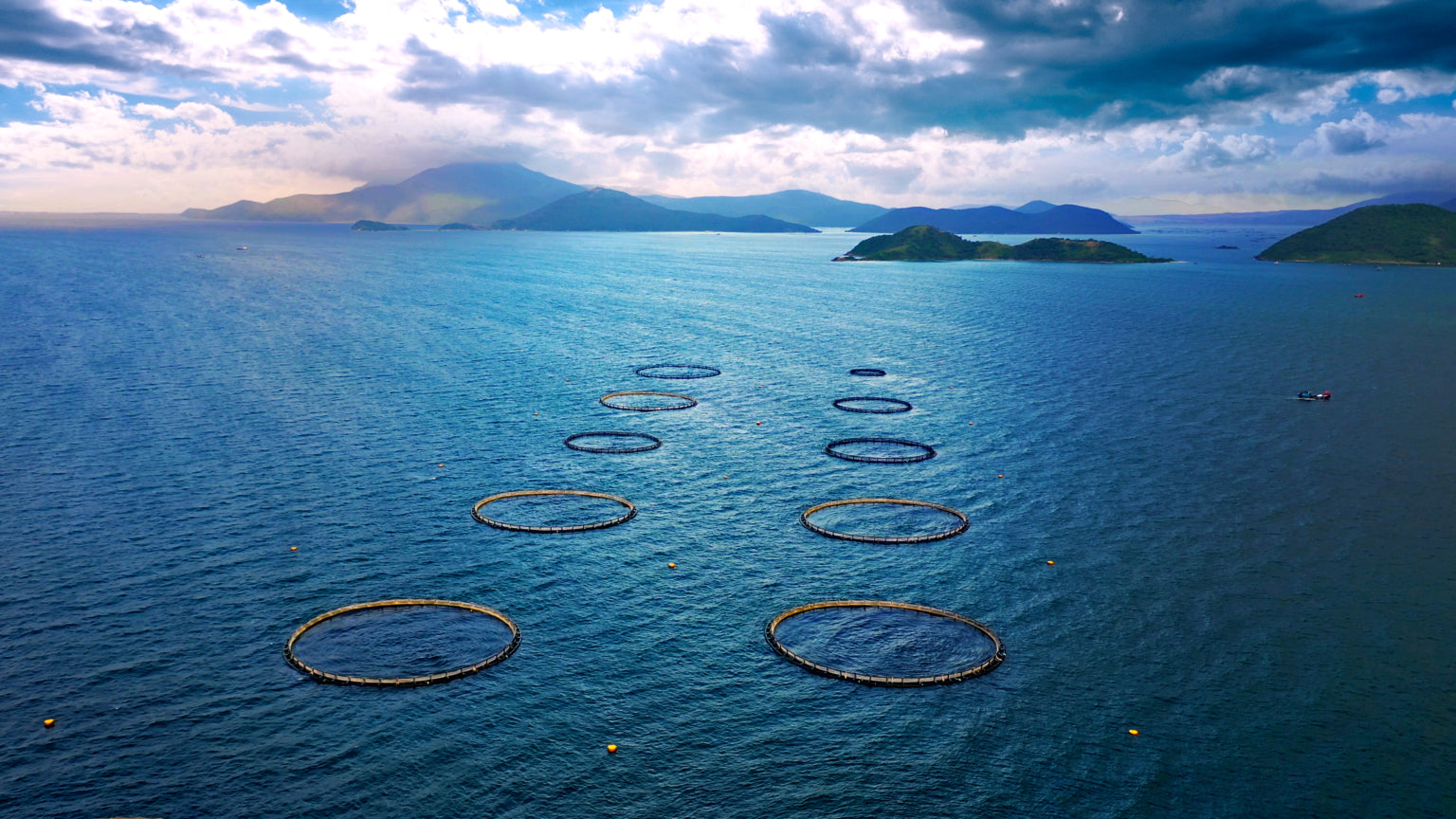
At Australis Aquaculture, barramundi are raised in the tropical waters of Vân Phong Bay, Vietnam, using a revolutionary model of climate-smart ocean farming. By cultivating one of the world’s most sustainable fish species in low-density, open-ocean pens, Australis produces seafood that’s delicious, nutrient-rich, and low impact. Barramundi offers a mild, buttery flavor, high omega-3s, earning it a Monterey Bay Aquarium “Best Choice” sustainability rating, and 4 Star BAP. This is responsible seafood for a changing planet. Loved by chefs, trusted by Seatopia, and designed to make a difference.
Tropical waters and quick currents
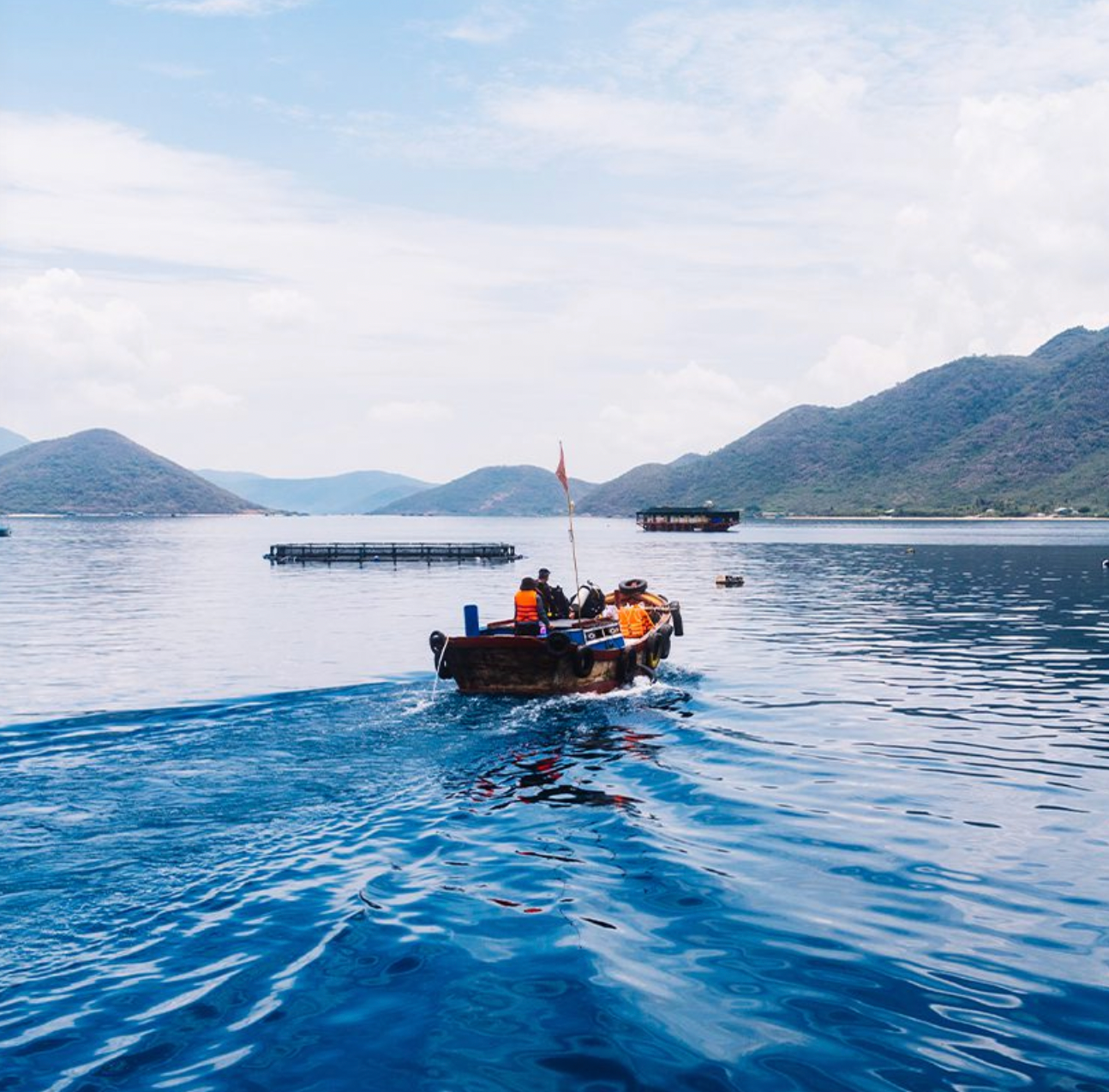
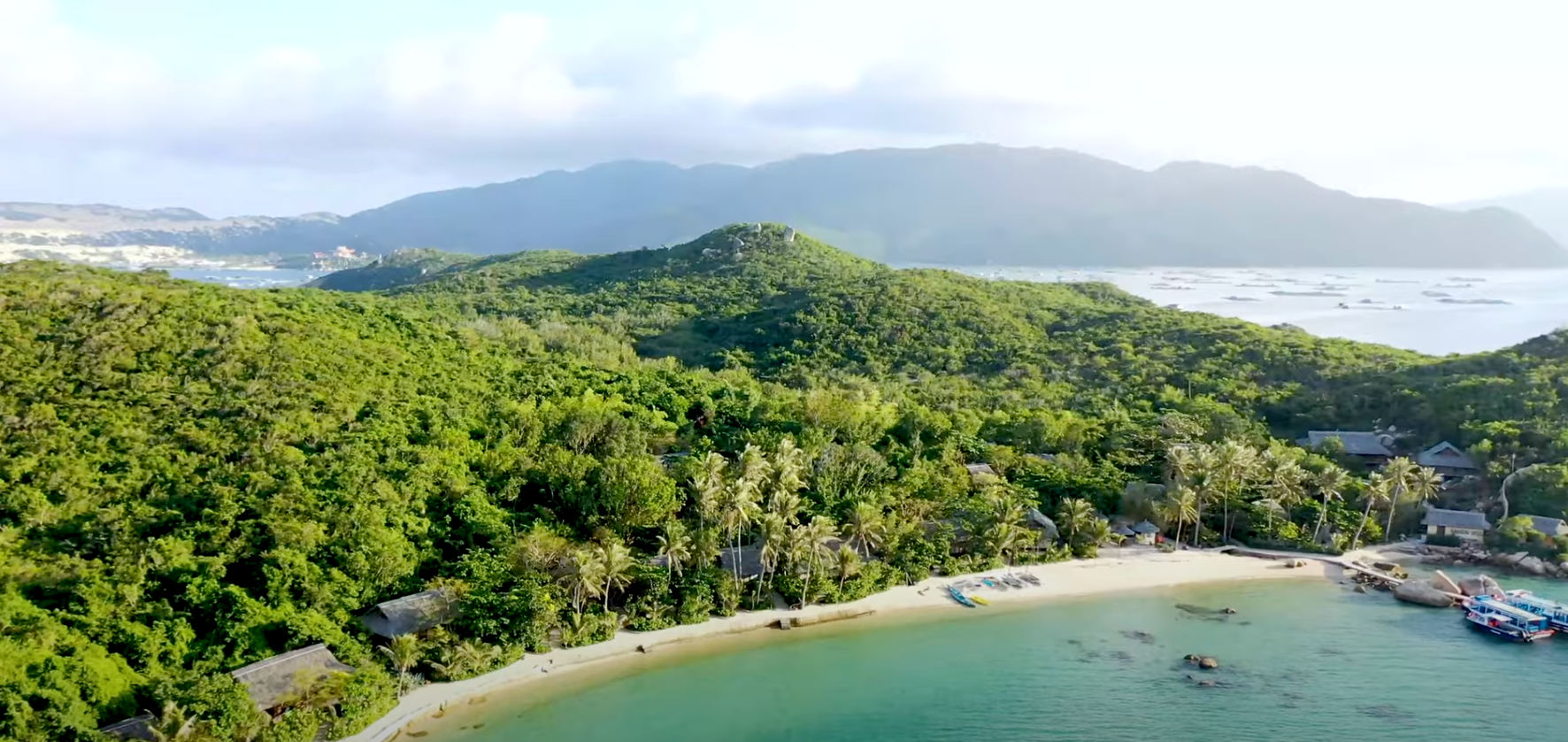
Australis operates in a marine enclave in Vietnam’s Khánh Hòa province. Sheltered by mountainous peninsulas and coral reefs, the bay provides an ideal environment for ocean aquaculture: warm tropical waters, steady currents, and excellent biosecurity. The location’s natural depth and current flow were selected to improve cleanliness and protect local ecosystems. Here, the tropical ocean itself becomes a living, breathing part of the farming system, enabling low-input, high-integrity seafood production in harmony with nature, not as a tax on it.

A 30 year journey from dorm room aquaponics to sustainable ocean farming
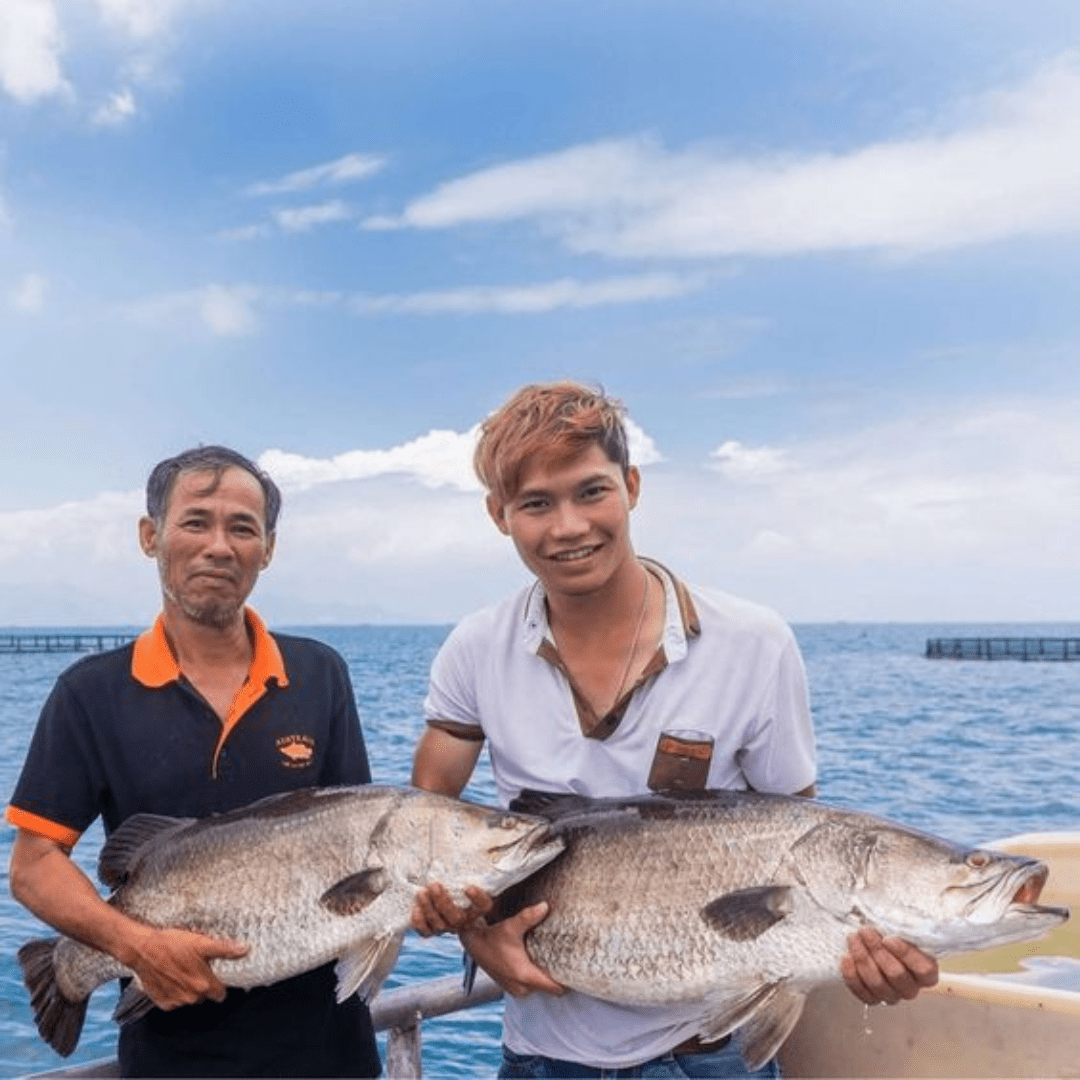
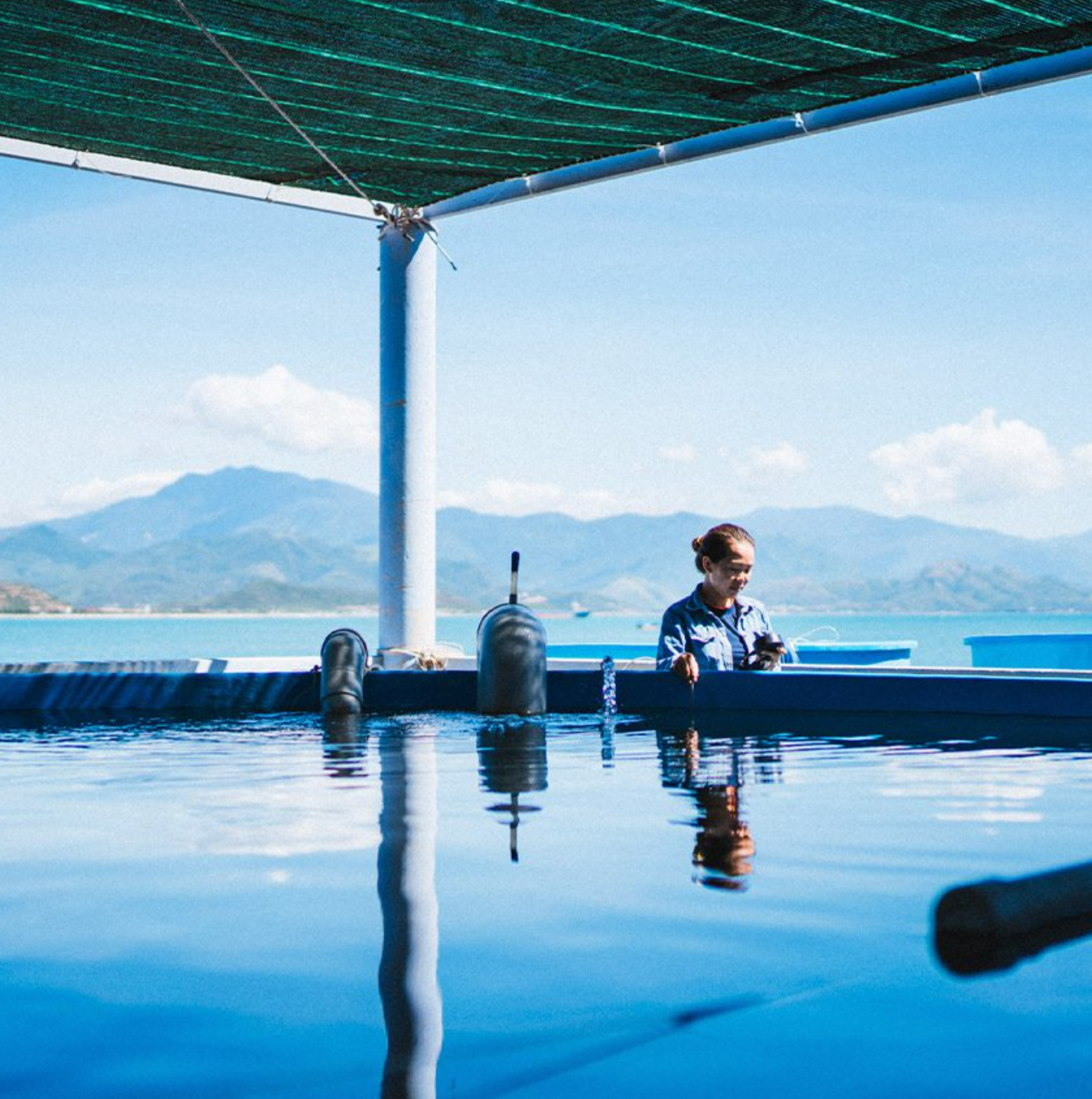
Australis is the long-term vision of Josh Goldman, a pioneer in sustainable aquaculture whose journey began with a solar-powered aquaponics experiment in his college dorm. That curiosity led to a global quest, testing over 30 species across continents, before discovering barramundi. Goldman founded Australis to bring sustainable seafood to scale and spent decades building operations from scratch, culminating in the launch of their Vân Phong Bay site. Today, a committed team of Vietnamese aquaculture experts and environmental engineers carry forward the mission, combining traditional know-how with cutting-edge techniques to farm with purpose and precision. For Seatopia, we love the innovation, but also the species: less common in the US, barramundi can be raised with relatively low inputs, which makes it a great candidate for sustainable farming.
from Australis
Barramundi
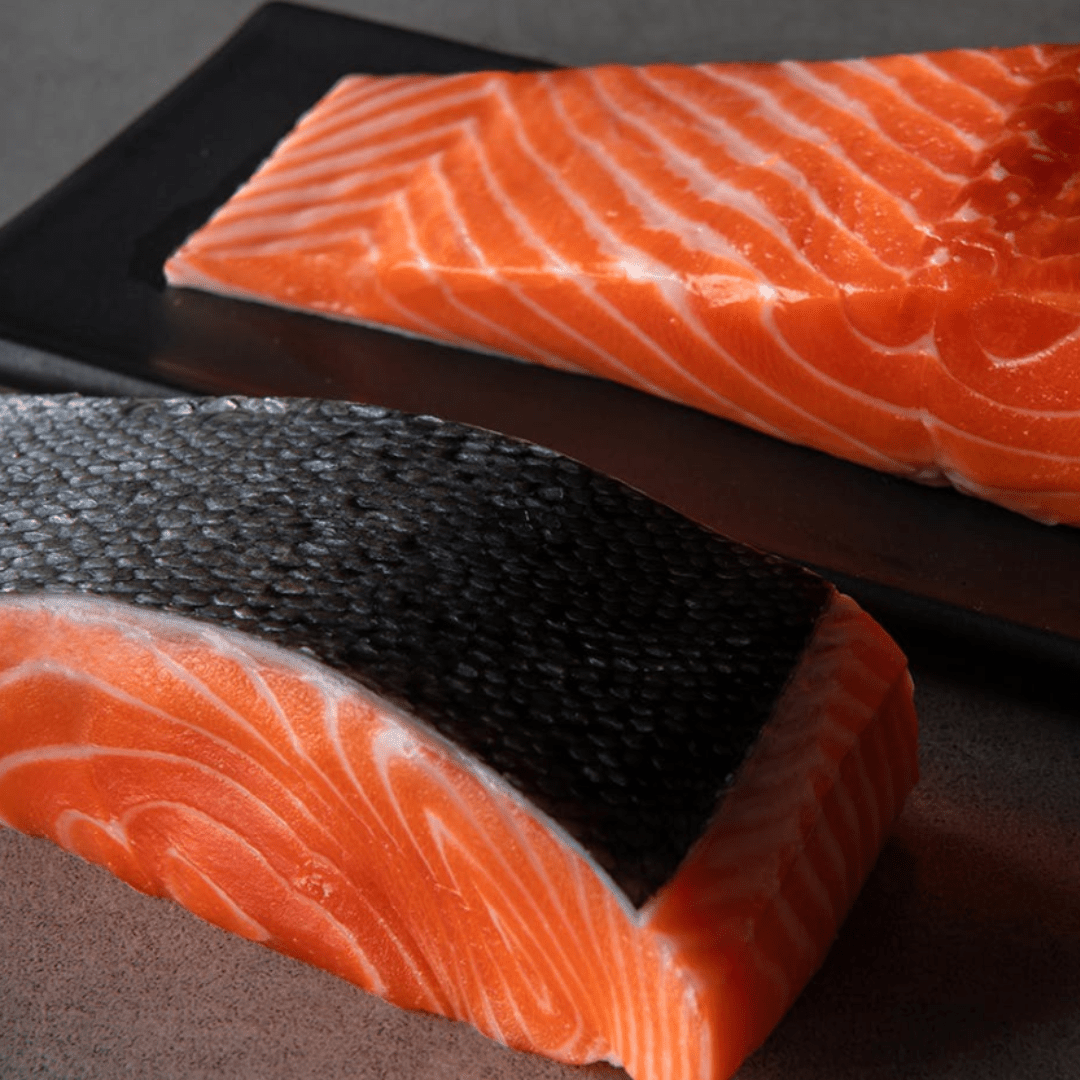
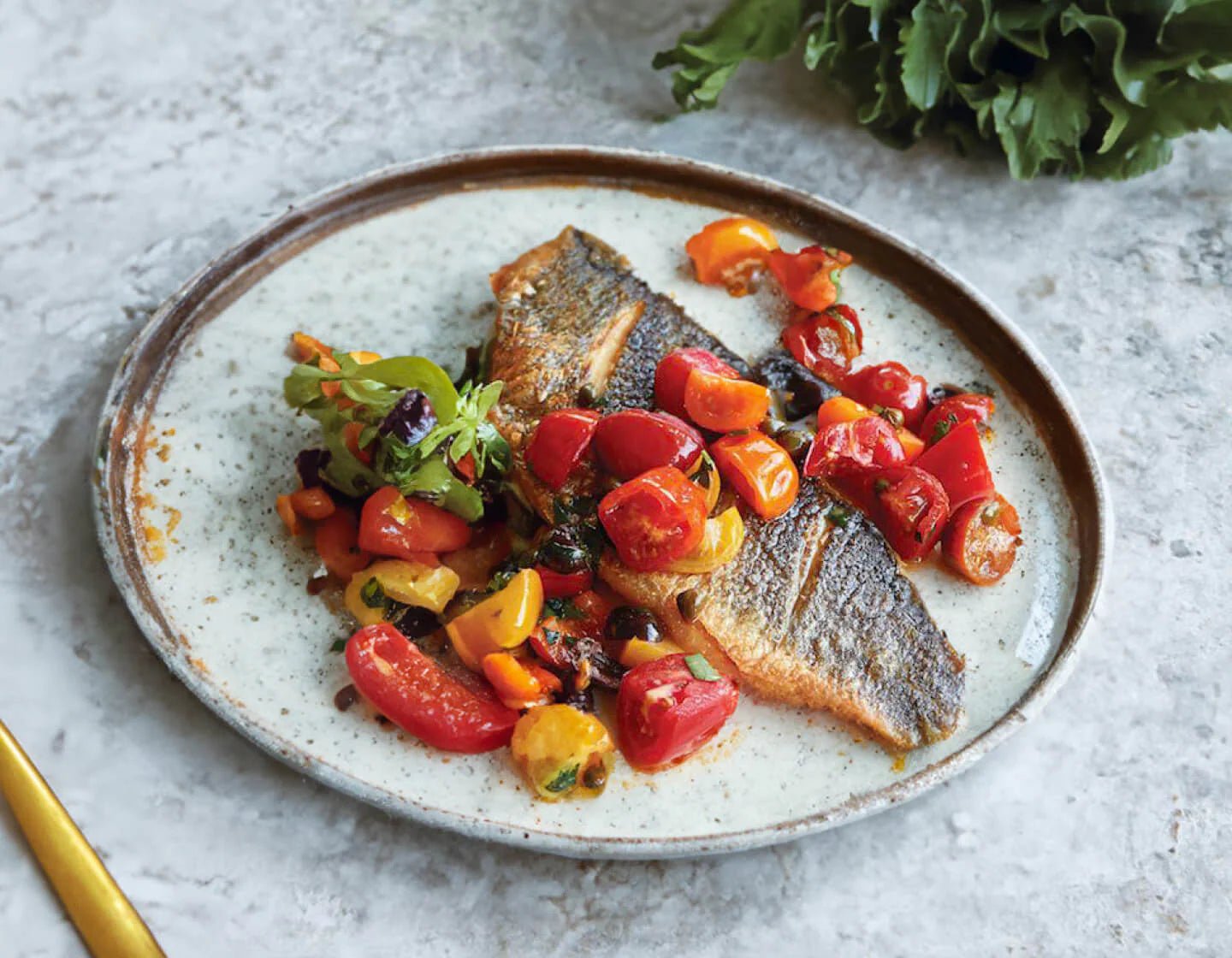
Barramundi (Lates calcarifer) is a tropical finfish native to the Indo-Pacific and one of the most responsibly seafood choices. Naturally hardy, fast-growing, and incredibly feed-efficient, barramundi thrives in a variety of salinities and requires fewer resources to raise than salmon or shrimp. Its naturally high omega-3 content, and mild, buttery taste make it a favorite among anyone; from the discerning health-conscious cook to little kids. It's a fish that checks every box: easy to cook, delicious to eat, and gentle on the environment. Whether grilled, pan-seared, or baked, barramundi delivers clean flavor and clean conscience.

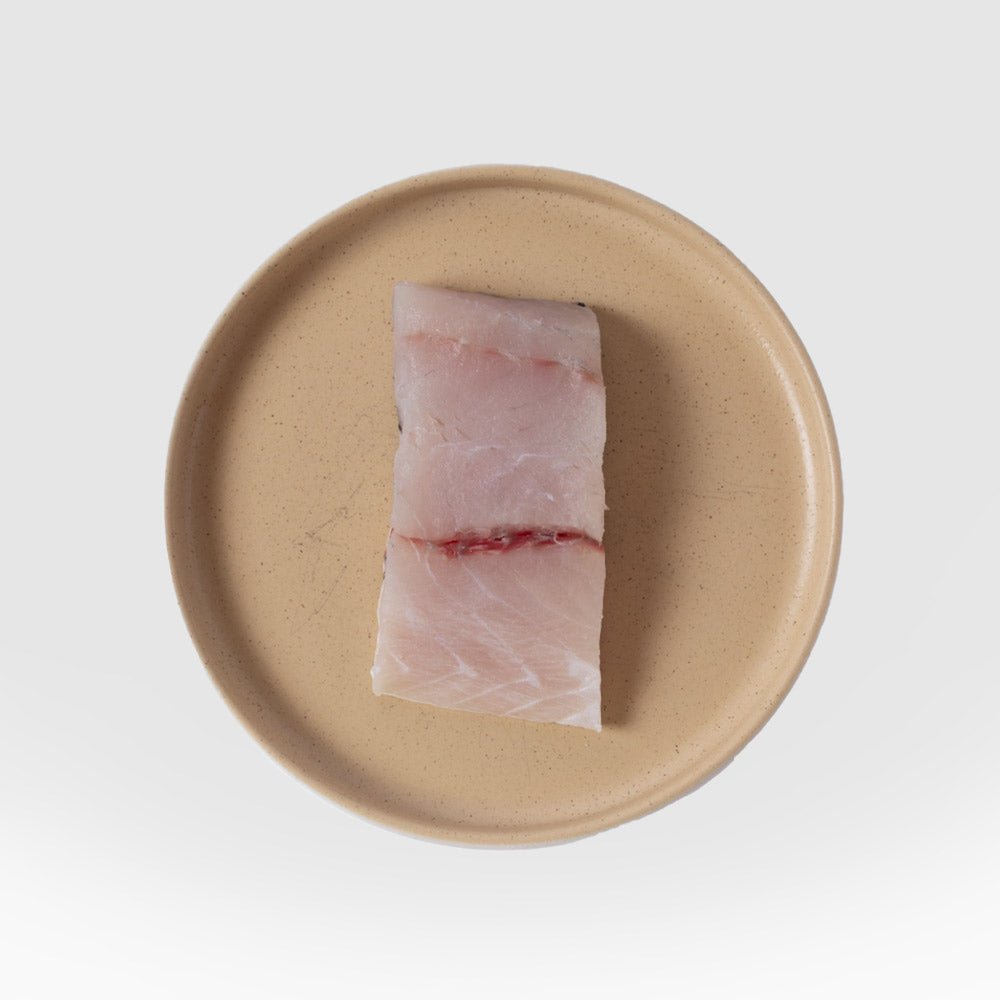
Mild, succulent - exceptional when pan seared with a crispy skin
What do the fish eat? - Fish feed FAQ
Feed is the single biggest factor in how clean and how nutritious a fish is. A fish is built from what it eats, which means the feed decides its omega-3s, its mineral profile, and how much mercury or microplastic it carries. That's why we treat feed as a sourcing requirement rather than a farm detail, and why every farm we work with has to tell us exactly what goes into the pellet.
Feed varies by farm, by species, and by stage of growth. The ingredients and the rules below hold across all of them.
What's in it?
Algae oil:
The original source of EPA and DHA omega-3s. Fish don't make omega-3s, they accumulate them from what they eat. Algae is where those fats come from in the ocean too.
Marine ingredients (fishmeal, fish oil):
Protein and fats in the form fish evolved to digest. We work to reduce this share over time, not eliminate the nutrition it provides. A large amount of marine ingredients already come from offcuts, meaning parts of fish that are not suitable for human consumption, and so reducing ocean impact further.
Plant proteins (soy, pea, barley, corn, pistachio):
Non-GMO, high-protein, highly digestible. Replaces wild-caught protein without issues for the fish, reducing ocean impact.
Amino acids and minerals:
Fills the specific nutritional gaps plant proteins leave, so nothing is missing from the diet.
Astaxanthin:
A naturally occurring carotenoid, the same one found in kelp, krill and shellfish. It's an antioxidant for the fish and the reason salmon flesh is pink.
What's never in it?
Preventative antibiotics, hormones, GMOs, synthetic colouring agents.
Why is there plant protein in fish feed?
Because the alternative is more wild fish. Aquaculture used to run almost entirely on fishmeal and fish oil, which meant catching enormous volumes of small wild fish to grow larger ones. Swapping part of that for high-protein plants takes pressure off those wild stocks while still giving the fish bioavailable protein.
There's a second reason: wild fish carry what the ocean carries. Less wild fish in the feed means less mercury, fewer microplastics and lower parasite risk arriving in your fillet. A controlled diet is what makes a clean fish possible.
Are the fish dyed?
No. Post-harvest colouring agents are prohibited across everything we sell. Colour comes from astaxanthin in the feed, a natural carotenoid found in kelp, krill and shellfish. Wild salmon get their colour the same way. So do flamingos.
Sustainably Fed, Responsibly Farmed, Lab-Tested to Meet the Seatopia Standard
Australis feed is formulated with a balanced mix of marine and plant-based proteins optimized to minimize the use of wild-captured feeder fish while maximizing nutrition for fish and people. The result is a certified, low-impact diet that nurtures both fish and ocean, without colorants, hormones, or environmental compromise. For more specific information about each ingredient and their purpose, visit this page.
Barramundi Recipes
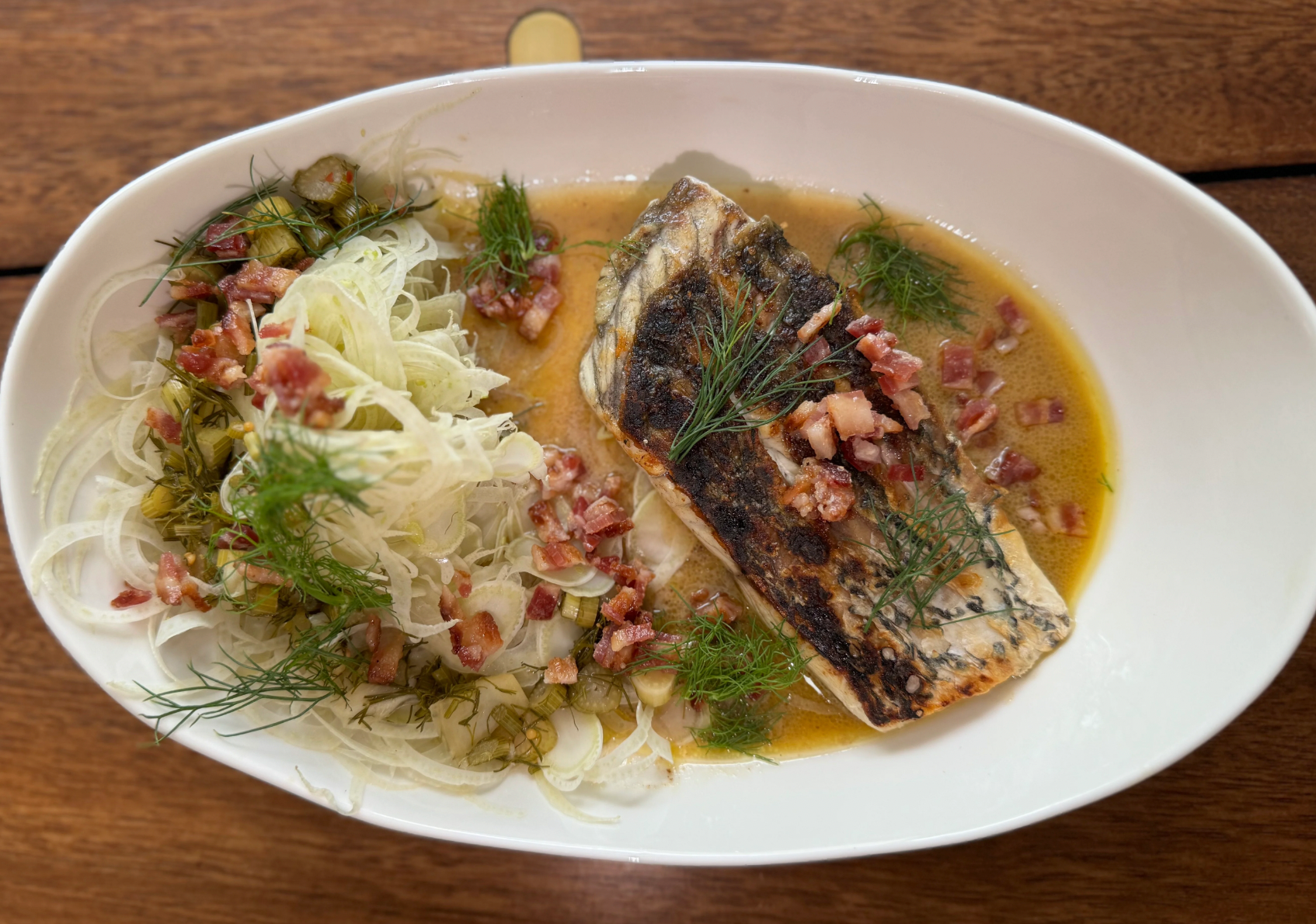
Parchment Paper Pan Sear with Shaved Fennel Salad
In this recipe we use Barramundi, but this technique using parchment paper works with any fish and should be used anytime you want to ensure the fish does not stick to the pan. This is the very best way to perfect crispy skin pan fried seafood! Give it a try and please be sure to rate or review this recipe if it was helpful!
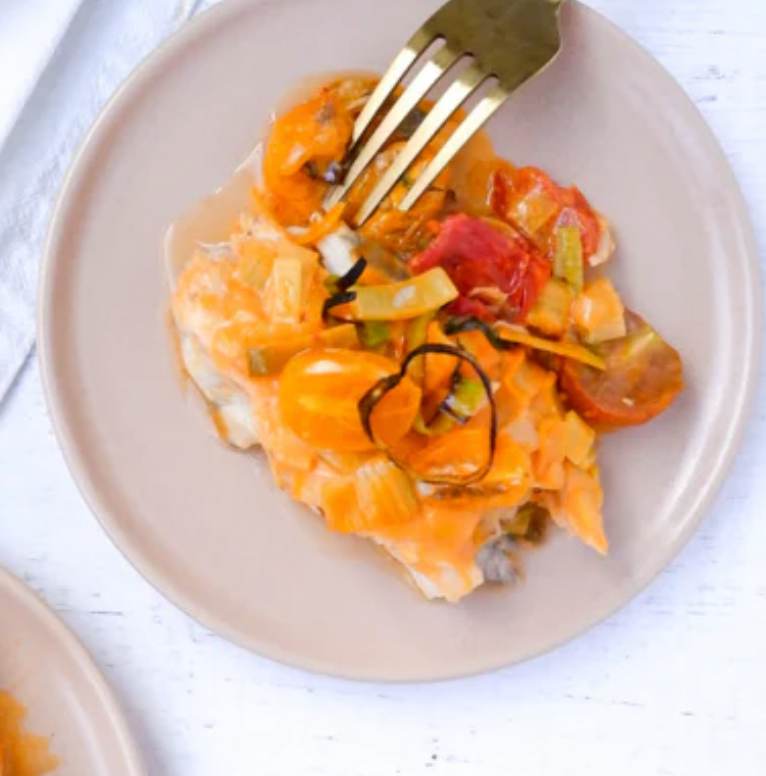
Barramundi with Light Cream and Tomato Sauce
A simple and delicious recipe with a few ingredients especially designed to enhancethe mild and buttery flavor of the Barramundi!
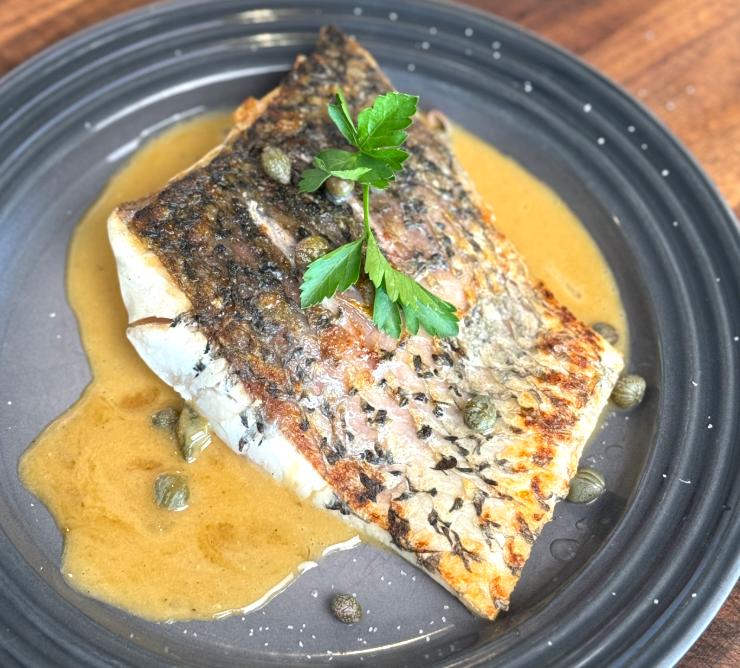
White Wine Pan Sauce With Lemon and Capers
Seared barramundi with a delightful wine, butter and capers sauce. Perfect for a special occasion or an indulgent meal at home.