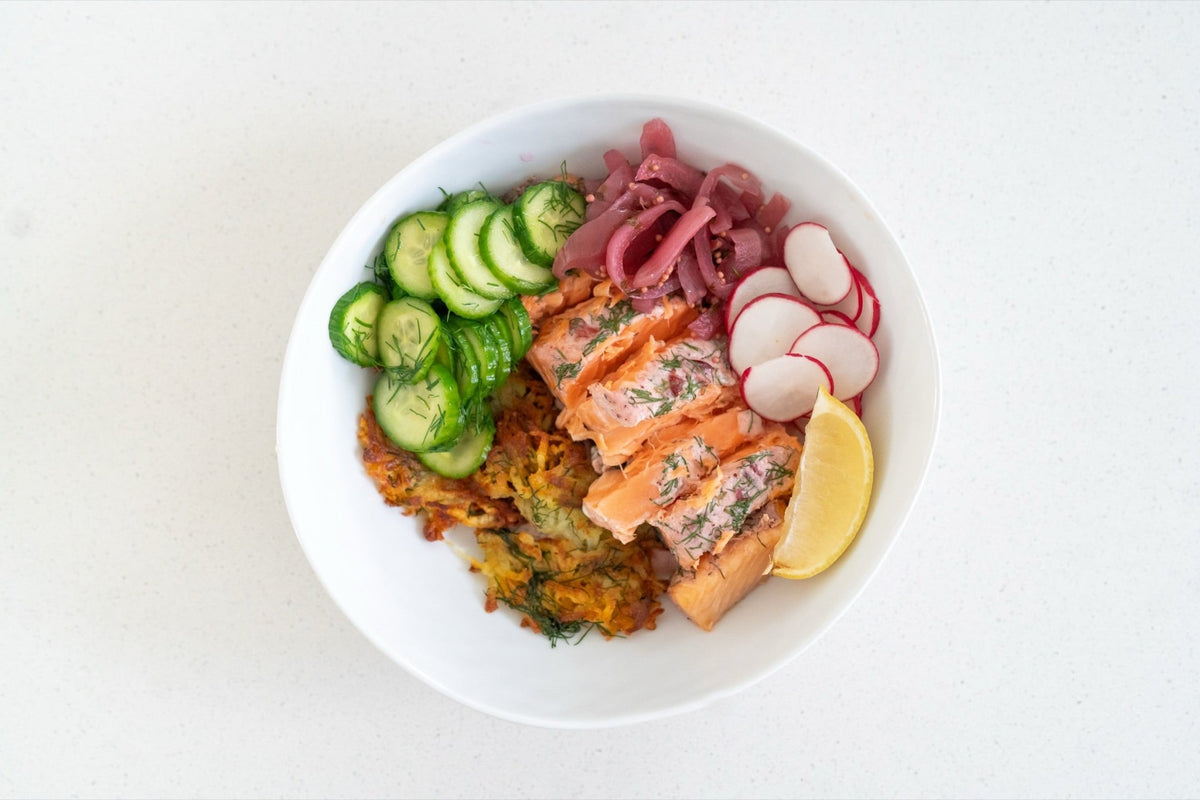
Scandinavian Crispy Salmon Rösti Bowl
- by Seatopia

Guest recipe Paid partner
Recipe by @fitwithsarahm
Developed for Seatopia using our Atlantic Salmon, in 6 oz skin-off portions from Bakkafrost
Serves 1 · about 40 minutes · air fryer or oven
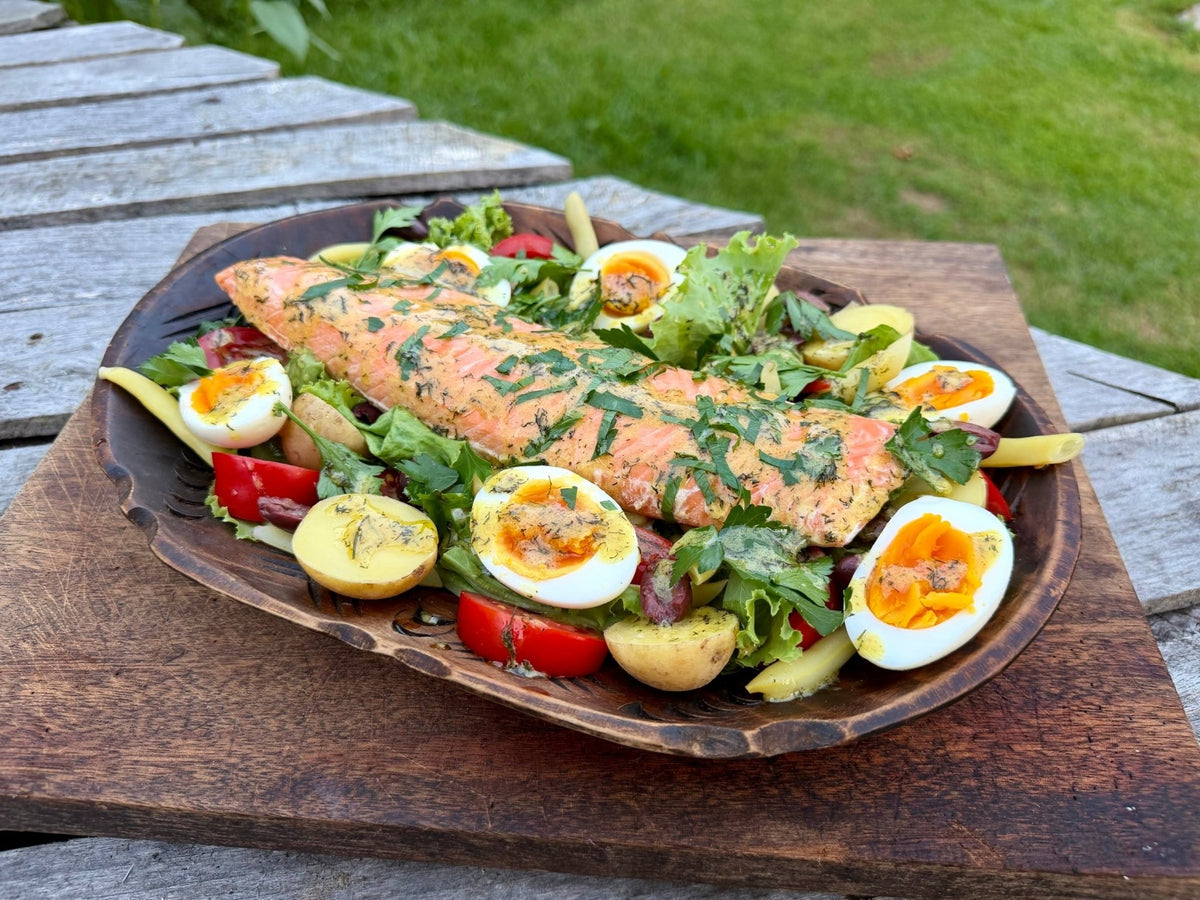
Salmon coated in a lingonberry-Dijon-yogurt sauce that caramelises lightly as it cooks, flaked over loose, craggy potato rösti and finished with quick-pickled cucumber, radish and more of the same sauce spooned over cold.
Squeeze the grated potato properly dry — that one step is the difference between crisp strands and a soft pancake. Works in an air fryer or a conventional oven.
Sarah builds the rösti bowl, start to finish.
About 50 minutes
About 40 minutes — 15 of prep and 25 of cooking. The cucumber pickles and the sauce comes together while the rösti and the salmon are in the heat, so very little of it is hands-on.
Serves 4
Serves one, from a single 6 oz Atlantic Salmon portion. It ships as a 2-Pack, so doubling everything gives you two bowls and uses the whole pack.
Blended, not reduced
The sauce is a deliberate double batch. Half coats the salmon and caramelises on it; half is spooned over cold at the end. Divide it before any of it touches raw fish.
Watch for the C
Wring the grated potato out in a towel until nothing more comes. Water is the enemy of a crisp rösti — a damp pile steams into a soft pancake instead of separating into strands.
Under a wet glaze, look at the flake
A dry-surfaced fillet tells you where it is by how far the opacity has crept up the side. This one is under a thick layer of yogurt, so that signal is covered. Go by the flake instead: press the thickest part with the back of a fork and watch whether the muscle separates. Air fryer 400°F for 7–10 minutes, oven 425°F for 8–12, and thickness matters more than either number.
Resists the fork, no separation Not yet
The glaze has set and lost its raw sheen, but the muscle underneath is still holding together as one piece. Give it two or three minutes more.
Separates into broad flakes under gentle pressure Pull it here
The fork parts the muscle without force and the centre is just opaque. The glaze has taken a little colour at the edges. Rest it two or three minutes — it keeps cooking — then flake it into large pieces.
Flakes fall apart as you touch them Last chance
Still perfectly good in a bowl where it is going to be flaked anyway, which is this recipe's saving grace. But there is no margin left and the centre has begun to dry.
White albumin beading on the surface Overcooked
That white curd is protein squeezed out of the muscle by heat. Once it appears the fish has lost moisture it cannot get back. The sauce will cover it; the texture will still be dry.
Ratings are how far along the fish is, not how good. If you are cooking the 2-Pack, the two portions are rarely identical in thickness — check the thicker one and pull them together.

@fitwithsarahm
40 minutes
A Scandinavian-inspired bowl: tender salmon glazed in lingonberry and Dijon, crisp rösti-style potatoes, bright quick-pickled cucumber and a creamy dill sauce. Savoury, fresh and textural, with the salmon as the centrepiece.
Serves 1 — one 6 oz Atlantic Salmon portion. About 40 minutes.

Make the lingonberry Dijon dill sauce. In a small bowl, combine the Greek yogurt, lingonberry preserves, Dijon, lemon juice, dill, salt and black pepper. Stir until smooth and creamy. Add water a teaspoon at a time until the sauce is thick but spoonable. Divide the sauce between two small bowls before it touches the raw salmon. Set one portion aside for serving; the other coats the fish.
Prepare and cook the salmon. Pat the thawed salmon completely dry. Spread a generous layer of the sauce over the top and sides, coating evenly. Air fryer: 400°F for 7–10 minutes, depending on thickness. Oven: 425°F for 8–12 minutes, or to your preferred doneness. The coating lightly caramelises as it cooks. Rest 2–3 minutes, then gently separate into several large flakes.
Make the crispy rösti potatoes. Coarsely grate the potato on the large holes of a box grater. Pile it into the centre of a clean kitchen towel, gather the towel and squeeze firmly over the sink to drive out as much moisture as possible — this is what makes the rösti crisp. Toss with the olive oil, garlic powder, salt and pepper. Divide into several small clusters, keeping the edges loose and irregular for plenty of crispy strands; don't pack them down. Air fryer: 390°F for 12–16 minutes, turning once, until deeply golden. Oven: on a parchment-lined sheet at 425°F for 20–25 minutes, flipping once. Finish while still hot with fresh dill and an extra pinch of salt.
Prepare the quick-pickled cucumber. While the salmon and potatoes cook, toss the sliced cucumber with the vinegar, maple syrup, salt and dill until evenly coated. Leave to pickle at least 10 minutes, then toss again and drain any excess liquid.
Assemble the bowl. Spoon a little of the reserved sauce across the bottom of a shallow bowl. Arrange the rösti over it, then the large flakes of glazed salmon. Add the pickled cucumber, radishes and pickled red onion around the salmon, keeping the components slightly separated so the colours and textures stay visible.
Finish and serve. Drizzle more of the reserved sauce over the salmon and potatoes. Finish with plenty of fresh dill, cracked black pepper and capers, if using. Add a lemon wedge alongside. Serve immediately, while the rösti is still hot. For the ideal bite, combine crispy rösti, glazed salmon, cool pickled cucumber and creamy sauce.
Our Atlantic Salmon, in 6 oz skin-off portions from Bakkafrost. Everything else is a greengrocer and a store cupboard — Yukon Gold potato, Greek yogurt, lingonberry preserves, Dijon, cucumber, radish and a lot of dill.
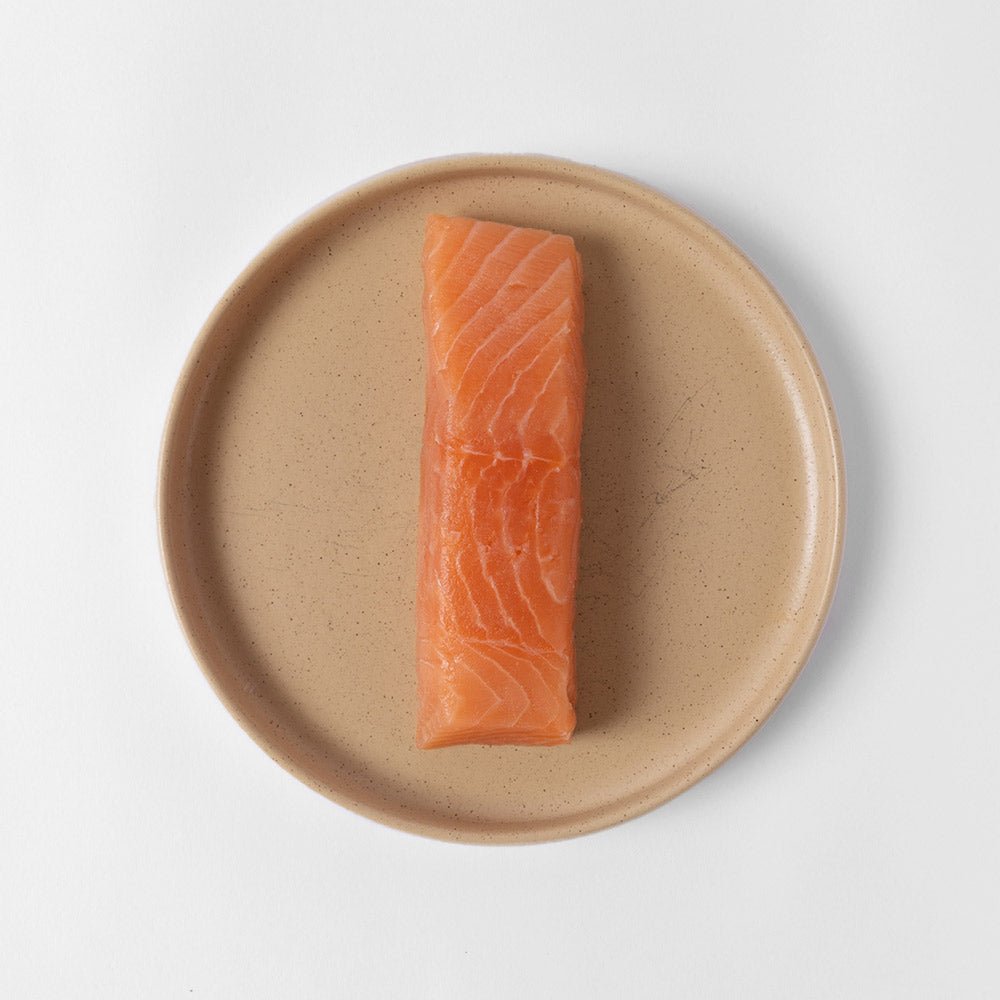
A buttery well marbled classic - ideal for everyday
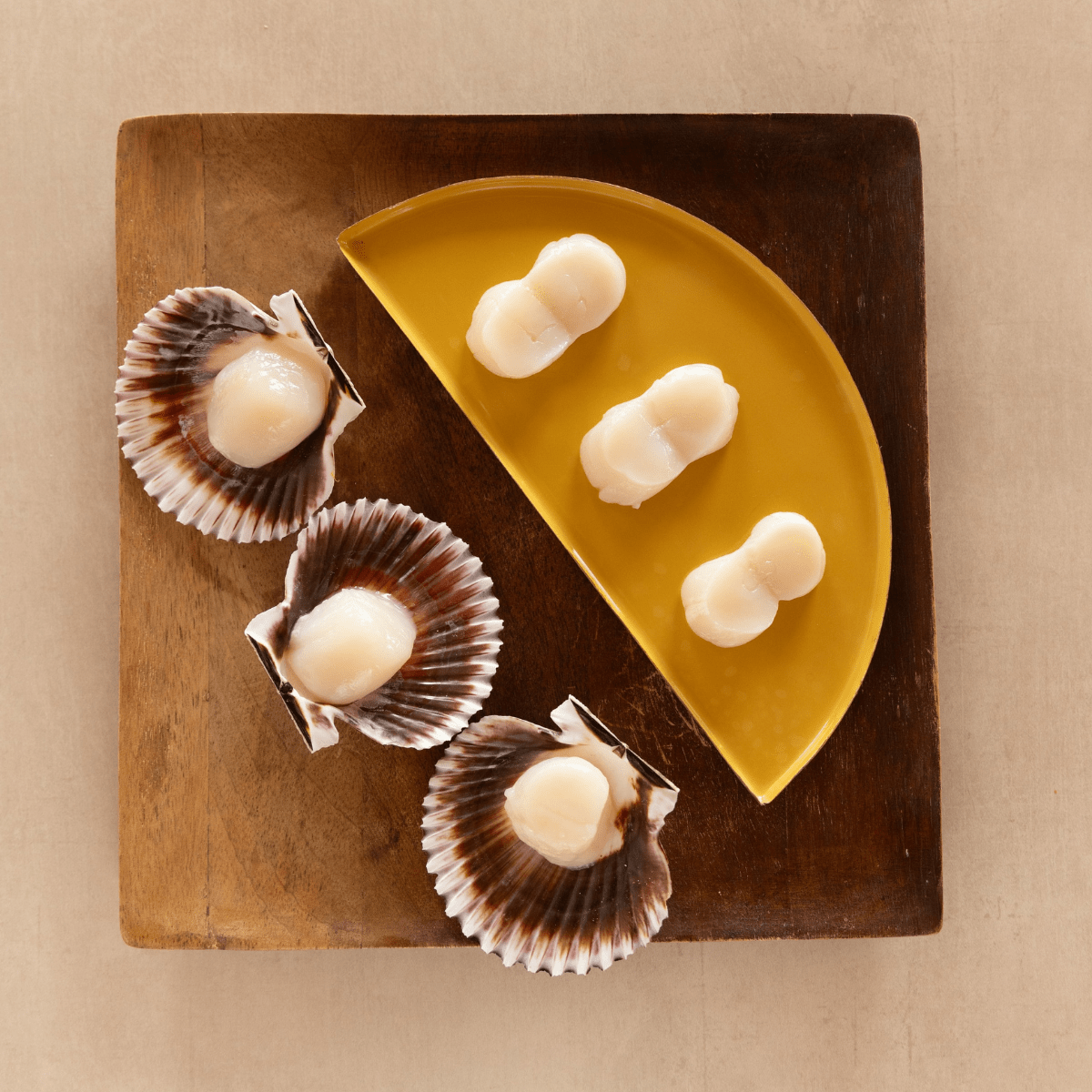
A celebration of clean flavor and coastal elegance. Contains salmon, whitefish, and peruvian scallops.

Freshwater elegance — tender, nutty, and superb when pan-fried with herbs or gently smoked
How the sauce actually gets used
The same yogurt, lingonberry and Dijon mixture does two completely different things here. Half of it goes on the raw salmon and cooks, where the sugar in the preserves catches and the yogurt tightens into a glaze. The other half never sees heat and is spooned over at the end, cold and loose. That is the whole trick, and it only works if you divide it first.
Yogurt, lingonberry preserves, Dijon, lemon, dill, salt and pepper in one bowl. Loosen it with cold water a teaspoon at a time until it is thick but still spoonable — too thin and it will run off the fish instead of coating it.
Before anything touches raw salmon. Once a spoon has gone from the fish back into the bowl, the whole batch is raw-fish contact and none of it can be served uncooked. This is the step people skip and then cannot undo.
Spread the first half thickly over the top and sides of the fillet and cook it. Keep the second half in the fridge and spoon it over the assembled bowl, where the contrast between the warm caramelised glaze and the cold fresh sauce is the point.

The method holds whatever you put through it — roast something sweet, blend it with something rich, bloom a warm spice in fat, and add the protein last.
| As written | Easy swap | What changes | |
|---|---|---|---|
| The fish | 1 × 6 oz Atlantic Salmon | Any Seatopia salmon, or steelhead | Thicker cuts want the top of the time range |
| The preserve | 4 tsp lingonberry preserves | Cranberry sauce or redcurrant jelly | Both are sweeter — start at 3 tsp and taste |
| The yogurt | ½ cup nonfat Greek yogurt | Skyr, or full-fat Greek | Full-fat is richer and needs less water to loosen |
| The potato | 6 oz Yukon Gold | Russet | Starchier, so it crisps harder and browns faster — check early |
| The cucumber | ½ Persian cucumber | English or Kirby | Seed a larger cucumber first or the pickle goes watery |
| The herb | Fresh dill throughout | Fennel fronds, or chives | Fennel keeps the Nordic register; chives push it sharper |
| The method | Air fryer, 390°F then 400°F | Oven at 425°F throughout | Slower, but both components run at one temperature |
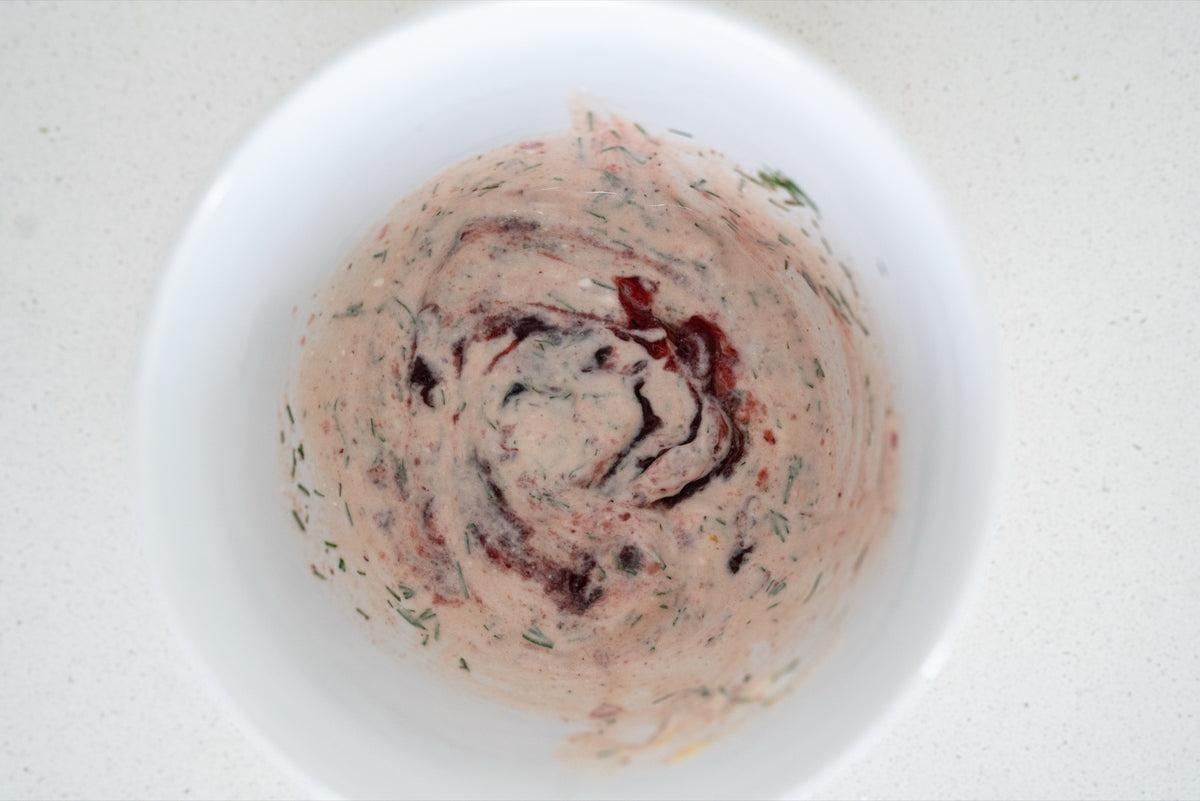
The sauce keeps three days in the fridge, so make the full batch ahead and divide it when you cook. The cucumber is better pickled at least ten minutes before serving and holds overnight. The rösti is the one part that will not wait — it is at its best straight out of the heat and softens within minutes, so grate, squeeze and cook it last.
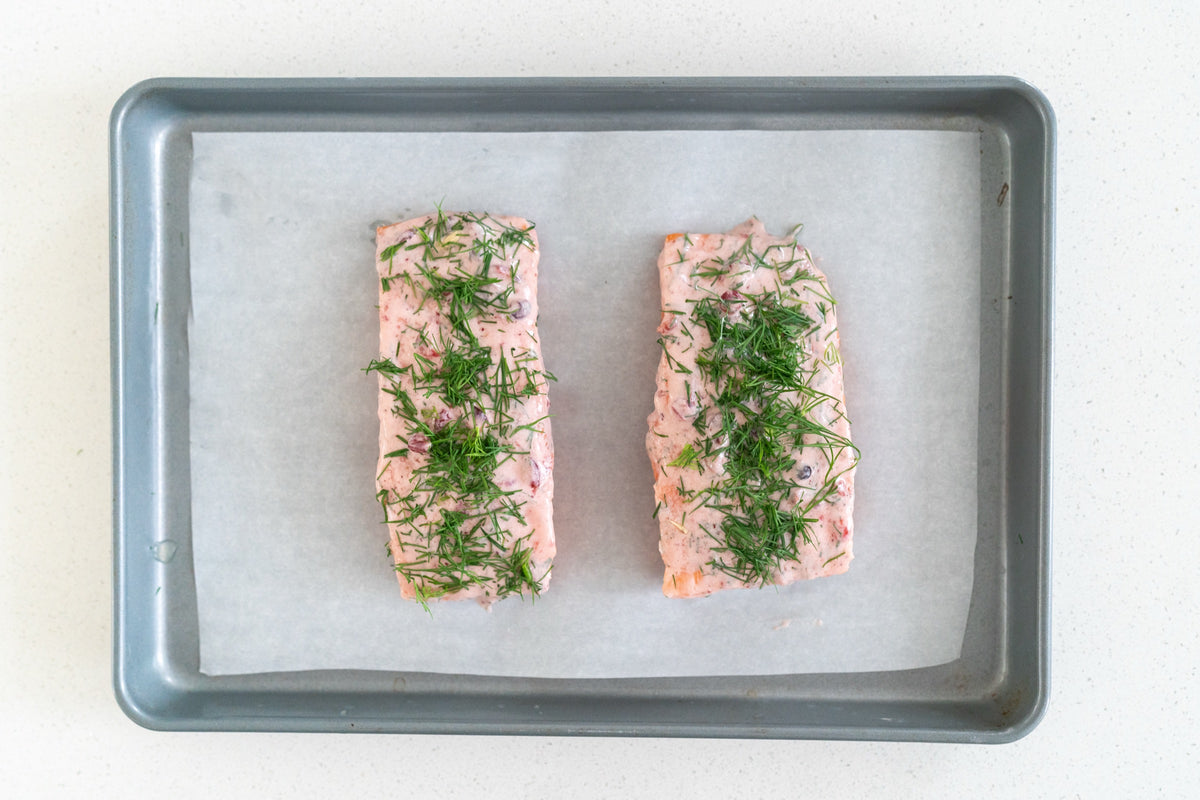
Atlantic salmon carries enough fat to stay moist under a thick, wet coating at high heat, and it flakes into broad pieces rather than shredding — which is what you want when the fish is going over rösti in large flakes rather than being served whole. The skin-off portion is the right cut here, because the sauce needs to sit against the flesh on every side.
Ours comes from Bakkafrost in the Faroe Islands, blast-frozen to -10°F at harvest and vacuum sealed. Every supplier is tested before we approve them, then randomly audited to ensure consistent compliance with the Seatopia Standard — third-party lab tested for nutrition, mercury and microplastics, and sourced from best-in-class aquaculture. Farms named, panels published.
Because water steams. Grated potato holds a surprising amount of it, and any moisture left in the pile has to boil off before the strands can brown — by which point they have fused into a soft cake. Pile the gratings into a clean towel, gather it, and wring it hard over the sink. You should be able to get a startling amount out. That one step is the difference between crisp strands and a pancake.
The air fryer crisps the rösti harder and faster, and it is the better tool if you only care about one thing. The oven is easier if you are cooking both components at once, because everything runs at 425°F instead of two temperatures. If you have one air fryer, do the potatoes first at 390°F and the salmon after at 400°F — the rösti holds its crunch for a few minutes and the salmon needs a rest anyway.
Yes, up to three days. Make the full batch, keep it covered in the fridge, and divide it into two bowls when you are ready to cook. Do not divide it after it has touched the raw fish — that is the one thing that cannot be walked back, because the reserved half is served without cooking.
By the flake, not the colour. The coating hides the usual visual cue, so press the thickest part with the back of a fork: it is ready when the muscle separates into broad flakes under gentle pressure. Air fryer 400°F for 7–10 minutes, oven 425°F for 8–12, and thickness matters more than either figure. Rest it two or three minutes before flaking.
Cranberry sauce is the closest common substitute and redcurrant jelly works too. Both are sweeter than lingonberry, which is quite tart, so start with three teaspoons rather than four and taste before you add more. IKEA sells lingonberry preserves if you have one nearby, and most Scandinavian and specialty grocers carry it.
Overnight in the refrigerator in the sealed pack, about 12 hours, then pat it completely dry before the sauce goes on. In a hurry, submerge the sealed pack in cold water and change the water every 20 minutes. Never thaw fish on the counter or out of its pack — it takes on water, and a wet surface stops the glaze sticking.
Recipes from our kitchen and from the people who cook with us. Every Seatopia box includes a FREE virtual cooking class where we work through a dish like this one together.

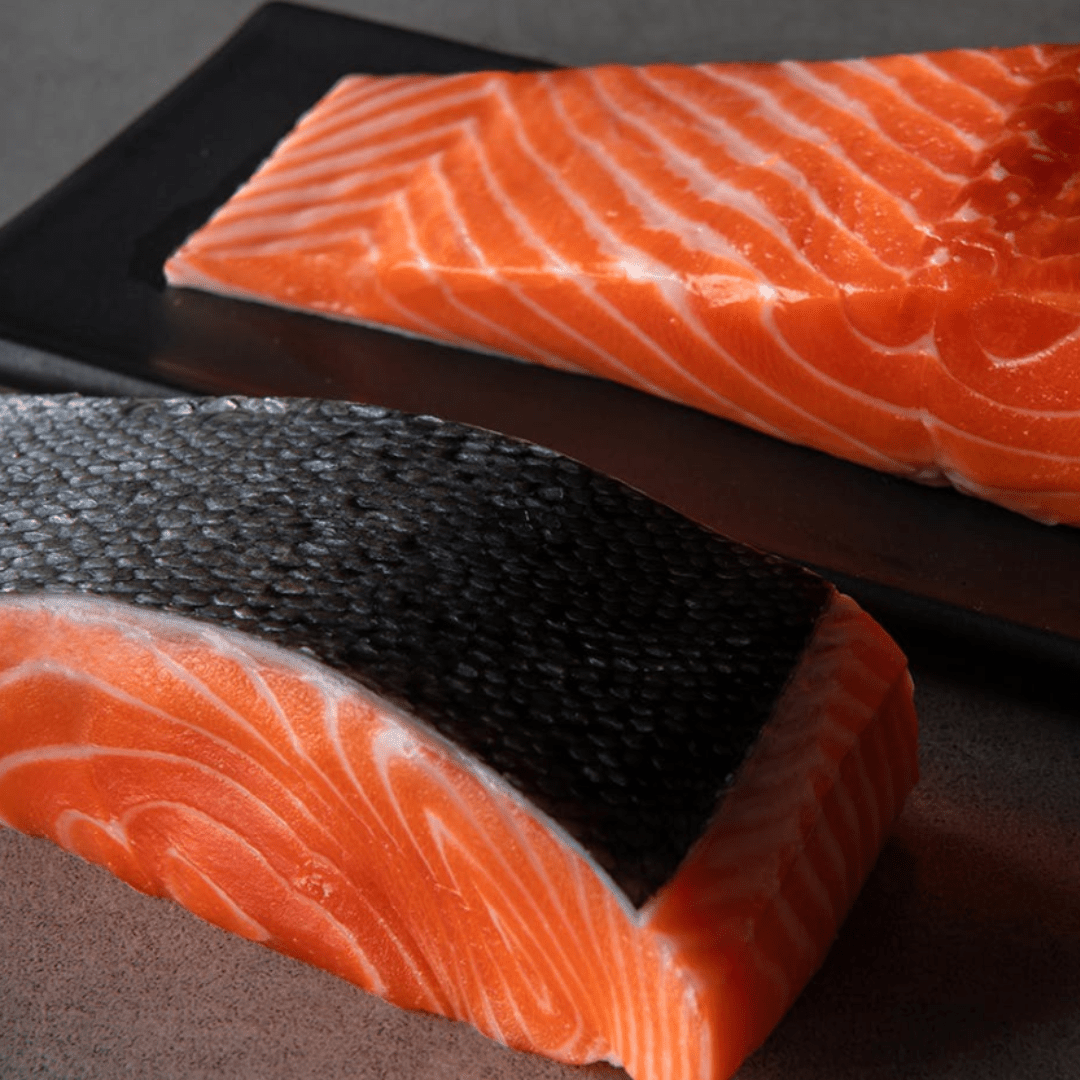
Rich flavor carrying oceanic depth and gentle sweetness across the palate. Contains a selection of King, Atlantic, and Steelhead.

A celebration of clean flavor and coastal elegance. Contains salmon, whitefish, and peruvian scallops.
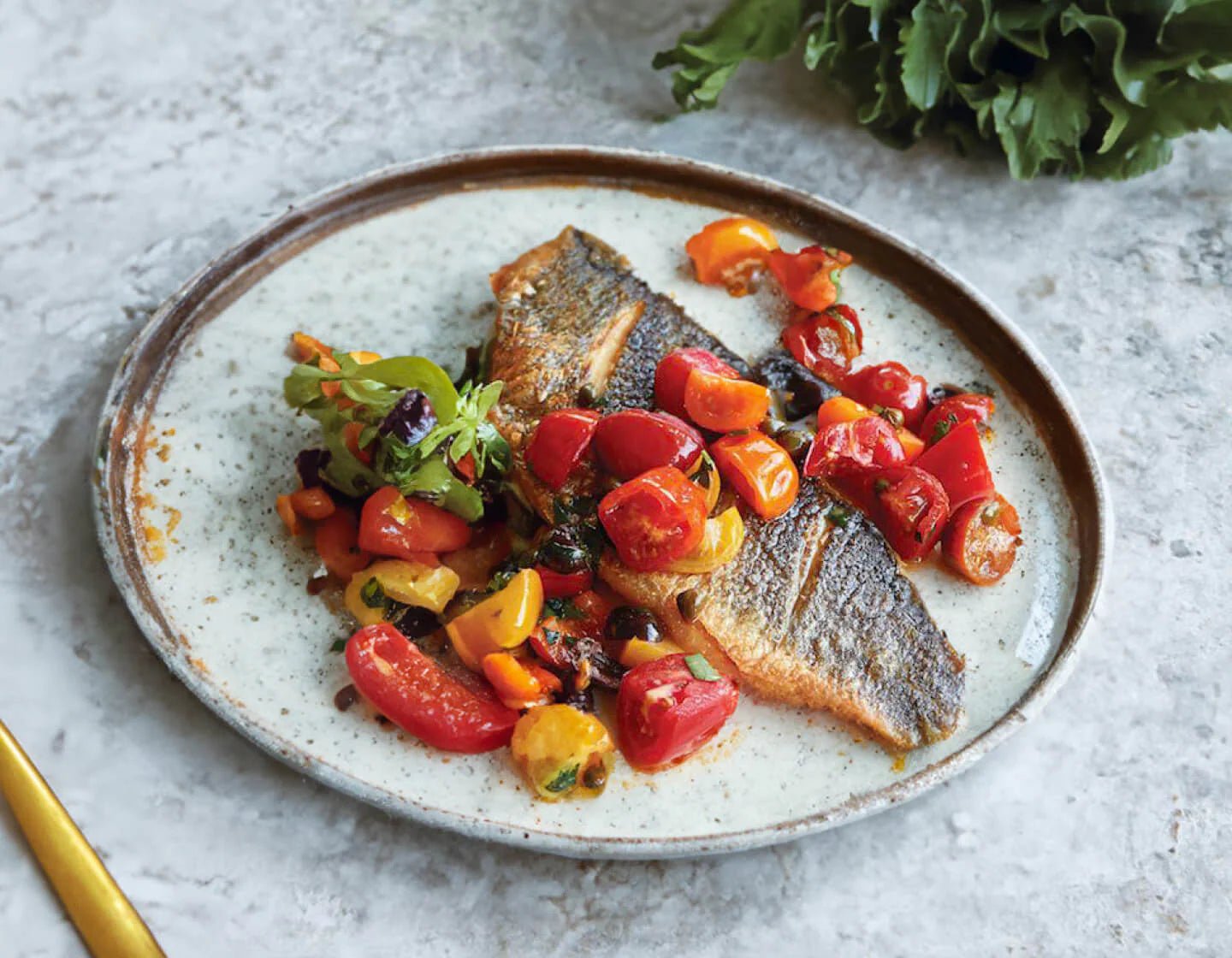
Expressive flavors from the clean, flavorful fish. Contains a selection of bream, branzino, yellowtail, and barramundi.