10-Minute Build-Your-Own King Salmon Poke Bowls
- by Seatopia

Guest recipe Paid partner
Recipe by @itsnicolepaggi
Nicole Paggi, cooking with our King Salmon
Serves 4 · 10 minutes · everyone builds their own
Nicole calls these her stupid-simple dinner for nights when there is no time and nobody feels like cooking. They are on repeat in her house almost every week: her girls build their own bowls, and you get all the flavors of sushi night without the work.
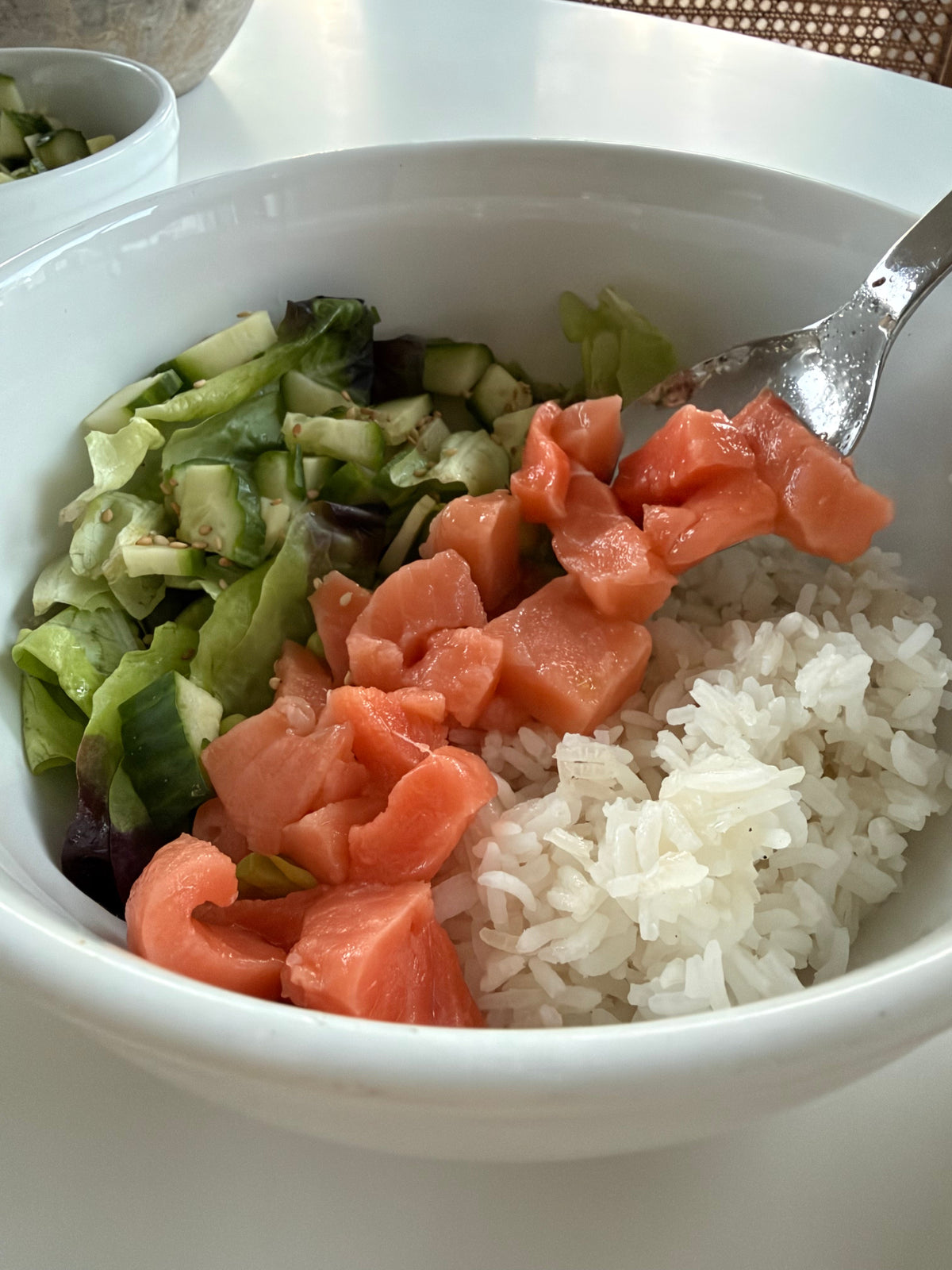
Warm rice on one side, baby lettuces in a simple sesame dressing on the other, cubes of raw King Salmon down the middle, and a spread of toppings to finish. “When it comes to fish, I want to know where it’s coming from,” Nicole says. “Their seafood is traceable to named farms, their suppliers are third-party tested, and it takes the guesswork out of buying high-quality fish.”
There is no right or wrong way to build one. Use what you love, skip what you don’t, and make it your own.
10 minutes
With the salmon thawed overnight. The rice and edamame take two or three minutes to heat; everything else is chopping.
Serves 4
One bowl each, from four portions of King Salmon. Adjust the salmon to your appetite.
Build your own
Set out rice, the sesame salad, the salmon and the toppings, and let everyone make their bowl the way they like it.
Keep the fish cold
The salmon is served raw, so keep it in the fridge until the bowls are ready, and cube it last.
Build your bowl
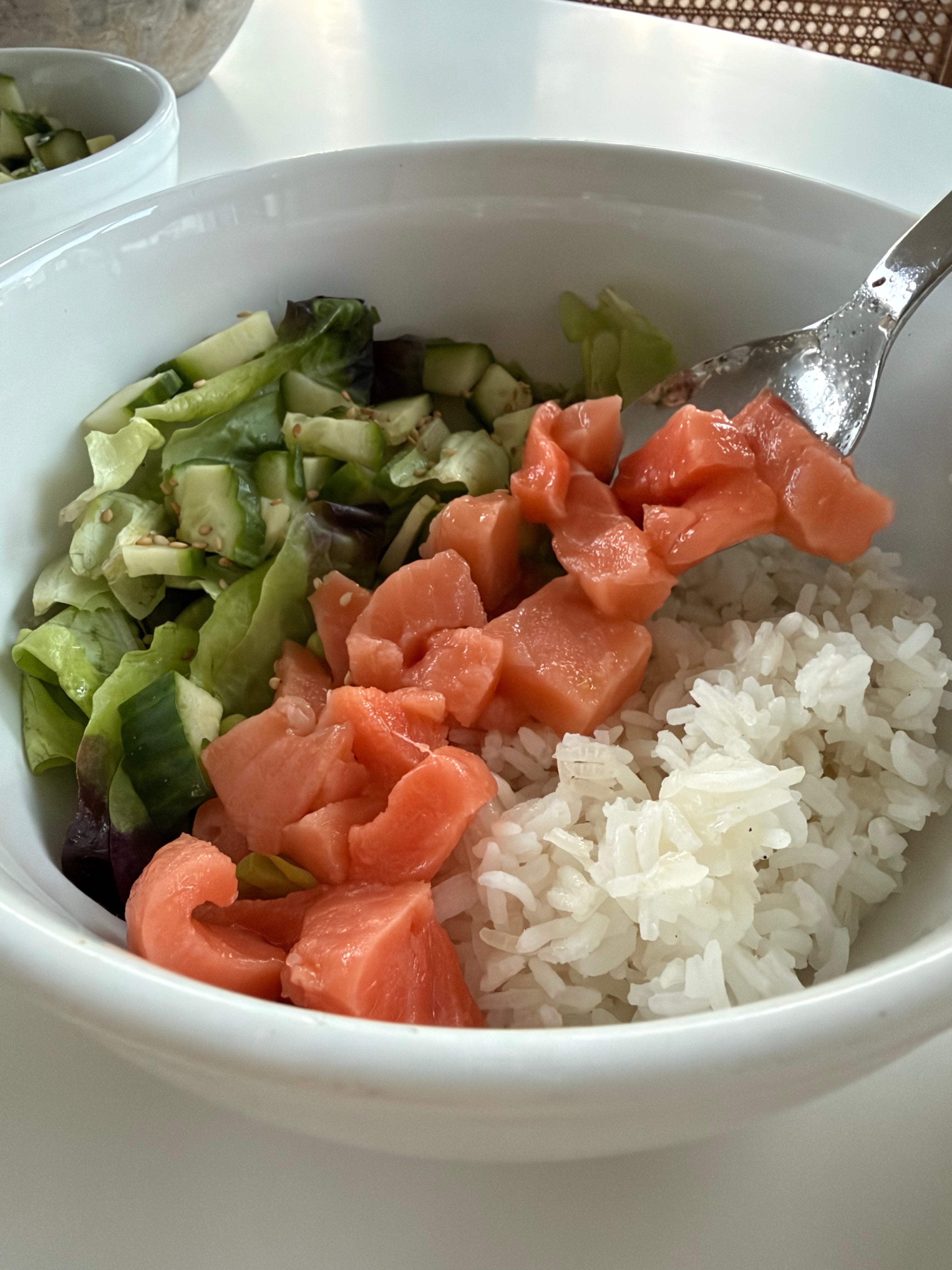
Set everything out and let everyone build their own. This is just how Nicole does it: rice on one side, salad on the other, and the salmon right down the middle.
Rice Half the bowl
Step 1Warm, lightly salted and fluffed with a fork. Fill one half of each bowl.
Sesame salad The other half
Step 2Baby lettuces tossed by hand in just enough sesame dressing to coat them.
Cucumber & avocado Over the lettuce
Step 3Diced Persian cucumber and ripe avocado, scattered over the salad side.
King Salmon & edamame Down the center
Step 4Bite-sized cubes of cold, raw King Salmon down the middle, with the edamame alongside. No marinade needed.
Toppings, then tamari The finish
Step 5Green onion, toasted sesame seeds, gochugaru, chili crisp and furikake if you like, then a splash of tamari or coconut aminos.
Keep the salmon in the fridge until the last step, then serve the bowls right away.

Nicole Paggi
4
10 minutes
3 minutes
Another stupid-simple recipe for nights when you don't have time, don't feel like cooking, but still want something delicious that everyone will eat. These poke bowls are on repeat almost every week in Nicole's house: her girls love building their own, and you get all the flavors of sushi night without all the work. There's no right or wrong way to make them. Use what you love, skip what you don't, and make it your own.

Prepare the rice. Add the rice to a saucepan with a splash of water, cover and heat according to the package instructions (frozen cooked rice is a big timesaver). Add a little sea salt if you like, fluff with a fork and let it cool while you prep everything else.
Prep the vegetables. Cook the edamame according to the package instructions and let it cool. Dice the cucumbers and avocados. Wash and dry the lettuces if needed.
Make the sesame salad. Whisk together the sesame oil, rice vinegar and a pinch of sea salt. Gently toss the lettuces with just enough dressing to lightly coat them. Use your hands so you don't crush the delicate leaves.
Prepare the salmon. Keep the thawed King Salmon in the fridge until you're ready to serve. Pat it dry and cut it into bite-sized cubes with a sharp knife. No marinade needed.
Build your bowls. Fill half of each bowl with rice and the other half with the dressed lettuces. Arrange the cucumber and avocado over the lettuce. Place the salmon down the center, with the edamame alongside.
Top and finish. Sprinkle with green onion, sesame seeds, gochugaru, chili crisp and furikake if using. Finish with tamari or coconut aminos, and let everyone customize their own.
Our King Salmon is the star. Yellowtail Sashimi Loin is the swap if you want a leaner cube, and a spoonful of Salmon Roe Caviar on top makes it sushi night. The rest is rice, Persian cucumbers, avocados, baby lettuces, shelled edamame, green onion, sesame oil, rice vinegar, sesame seeds, gochugaru, chili crisp, and tamari or coconut aminos.
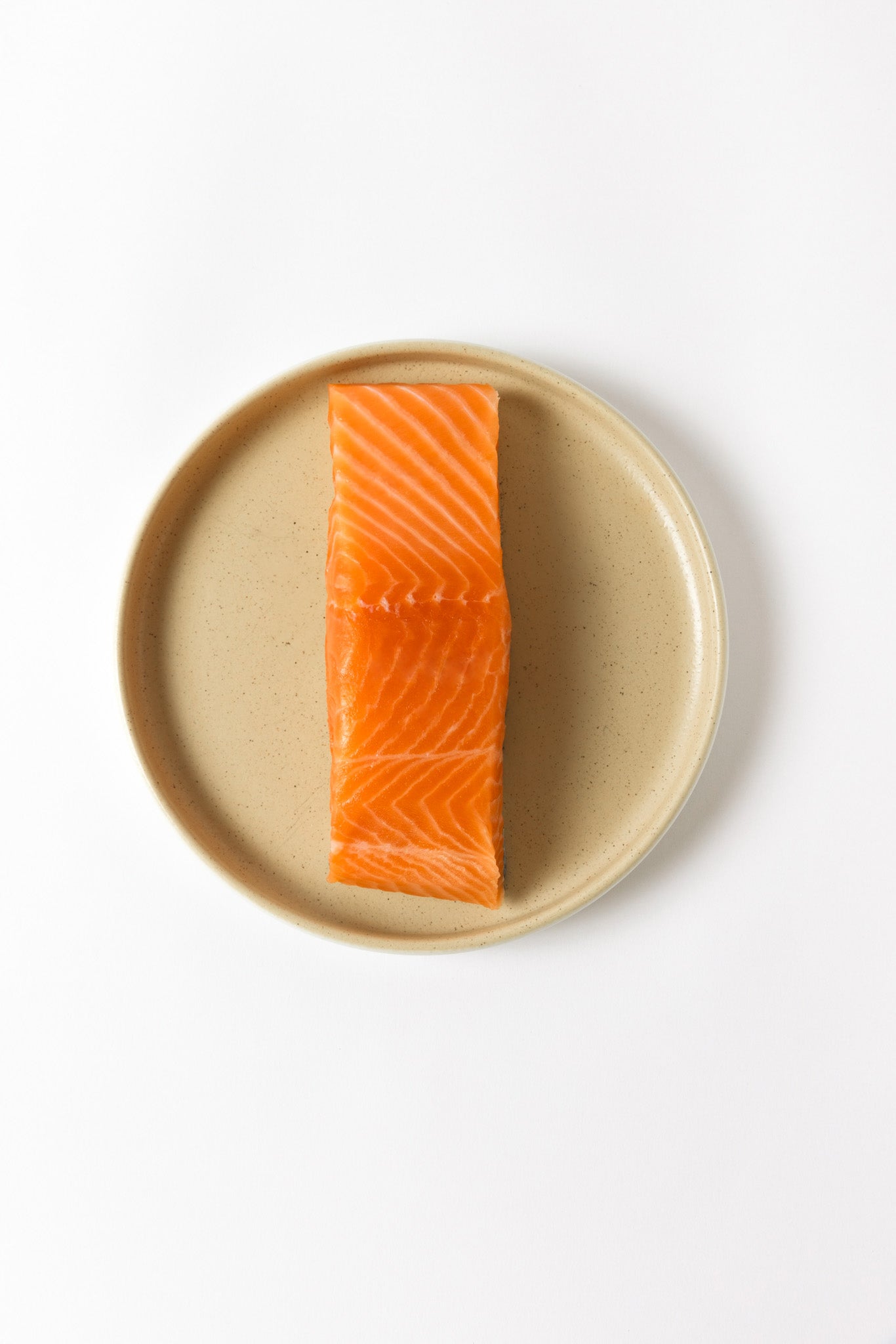
Unapologetically rich and velvety—Ōra King salmon, the gold standard for celebratory seafood
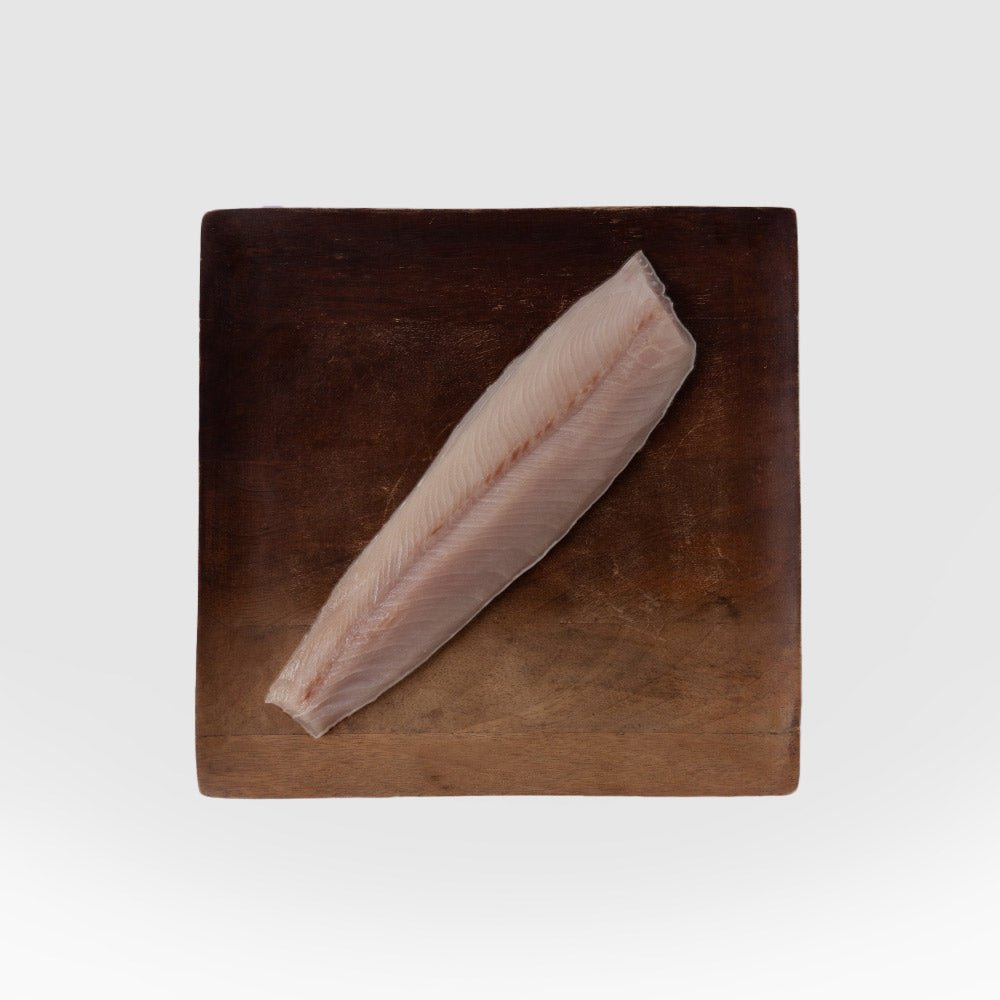
Bright, clean, and high in healthy fat — built for raw preparations like sashimi, ceviche, or crudo
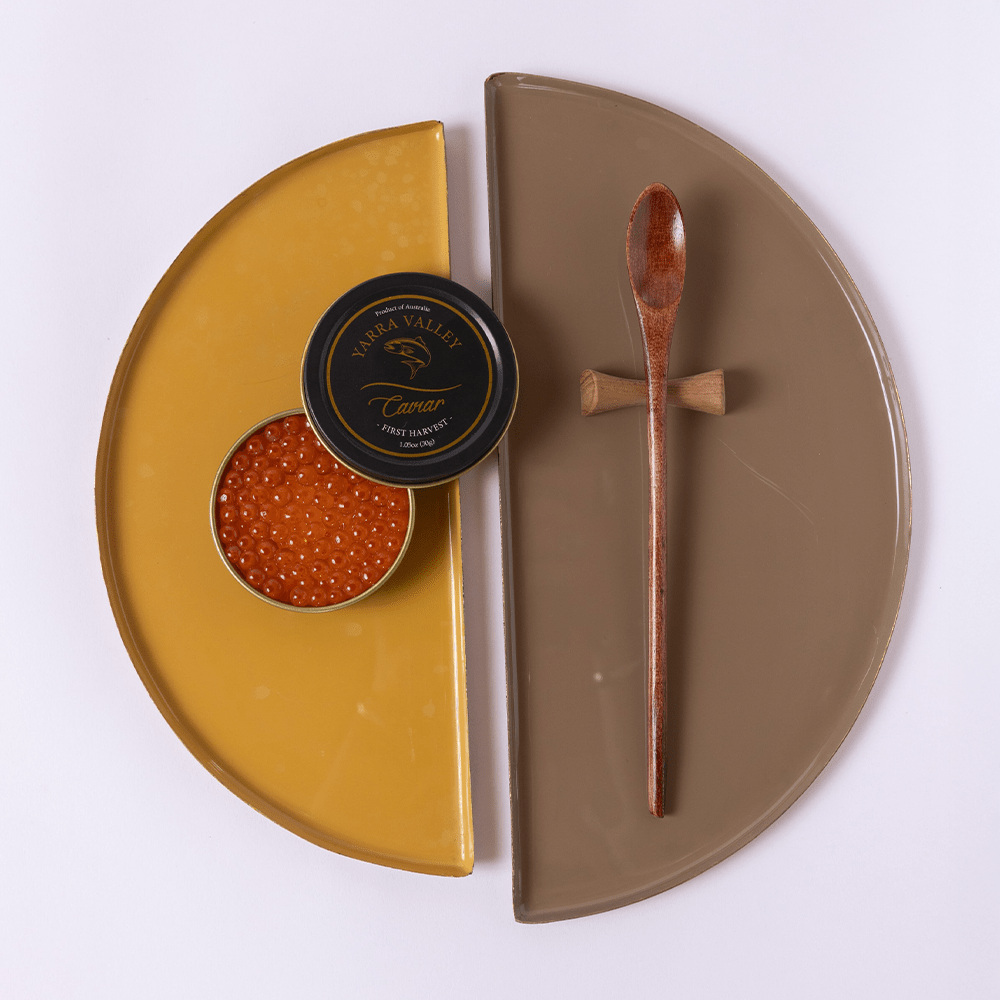
Plump, briny pearls bursting with oceanic flavor. Adorn sushi and sashimi with these gourmet gems
The simple sesame dressing
That ratio is the whole recipe, plus a pinch of sea salt. Make as much or as little as your lettuce needs, and dress the salad lightly so the leaves stay crisp.
Three parts sesame oil to two parts rice vinegar, with a pinch of sea salt. Whisk until it comes together.
Add just enough to the baby lettuces to lightly coat them, and toss with your hands so you don’t crush the delicate leaves.
Toss the salad right before the bowls are built. Butter lettuce and baby romaine wilt quickly once they are dressed.

Nicole’s bowls are a starting point. Use what you love, skip what you don’t, and swap in whatever you have.
| As written | Easy swap | What changes | |
|---|---|---|---|
| The fish | King Salmon | Yellowtail Sashimi Loin | Leaner and firmer, with a clean, mild flavor |
| Extra protein | Edamame | Edamame and cubed tofu | Heartier bowls; Nicole adds tofu when she wants more |
| The sauce | Tamari | Coconut aminos | Sweeter and milder; one of Nicole’s girls prefers it |
| The greens | Butter lettuce and baby romaine | Any tender mixed greens | Dress them lightly either way |
| The heat | Gochugaru and chili crisp | Just one of them | Gochugaru is a dry, fruity heat; chili crisp adds oil and crunch |
| The rice | Warm cooked rice | Rice cooked ahead and chilled | Fine for meal prep; see the make-ahead note below |
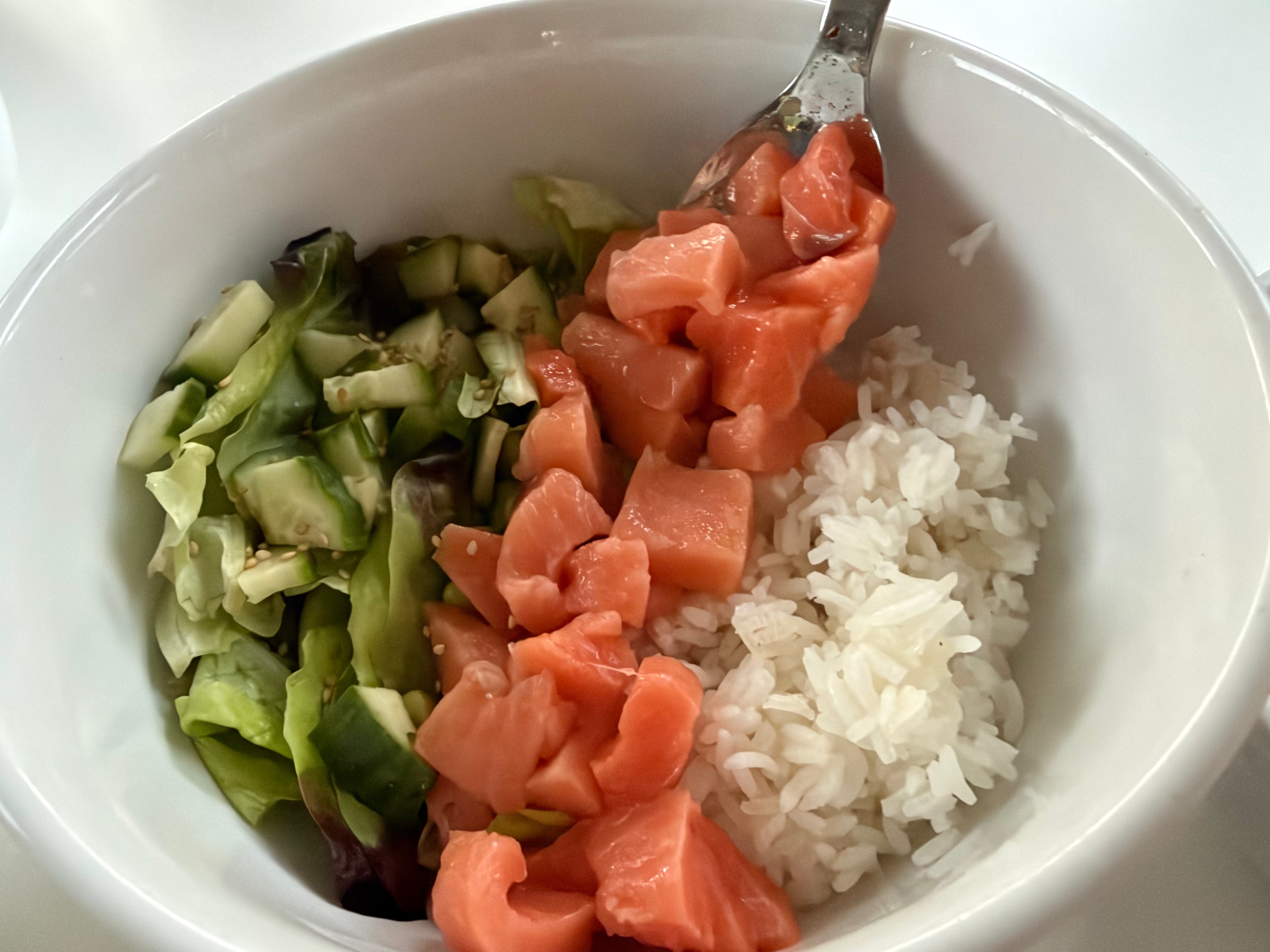
Move the King Salmon from the freezer to the fridge the night before, in its sealed pack. When the bowls are almost ready, take it out, pat it dry and cut it into bite-sized cubes with your sharpest knife. No marinade needed. Keep it in the fridge until the last step, and serve the bowls right away.
There is no official or regulated definition of “sashimi-grade” or “sushi-grade” fish in the United States. Sellers use the terms to signal that fish is safe to eat raw, but they are not a certification or a legal standard. So here is ours.
All of our seafood is vacuum sealed and blast frozen to -10 °F at peak freshness, which preserves taste, texture and colour, and is processed in an accredited facility. It is lab tested for mercury and microplastics. Farmed fish raised on formulated feed are exempt from the FDA Food Code’s parasite-freezing rule, and we blast-freeze at harvest anyway. That is what sashimi-grade means to us.
There is always some risk in eating anything raw or undercooked. If you are concerned or particularly sensitive, consult your doctor. The FDA conservatively suggests cooking to an internal temperature of 145 °F.
Nicole serves it raw here. Read what sashimi-grade means to us above. Eating raw or undercooked meat, poultry, seafood, shellfish or eggs may increase your risk of foodborne illness, especially with certain medical conditions. Consult your doctor if you think you may be sensitive.
In the refrigerator, in its sealed pack, overnight. Never on the counter or in warm water. Keep it cold until you cube it, and eat it the day you thaw it.
Yes. Sear or roast the salmon, let it cool a little, then flake it over the bowls. The FDA conservatively suggests cooking seafood to an internal temperature of 145 °F.
Prepare the rice, edamame and vegetables ahead and refrigerate them separately. Cool cooked rice promptly, refrigerate it within an hour, and use it within 24 hours. Keep the salmon chilled and cube it just before serving.
Use gluten-free tamari or coconut aminos, and check the labels on the furikake, chili crisp and other seasonings.
Nicole thaws four portions of King Salmon for her family of four, one per bowl. Our King Salmon portions are 8.5 oz each, so use less per bowl if your crew eats lighter.
Recipes from our kitchen and from the people who cook with us.

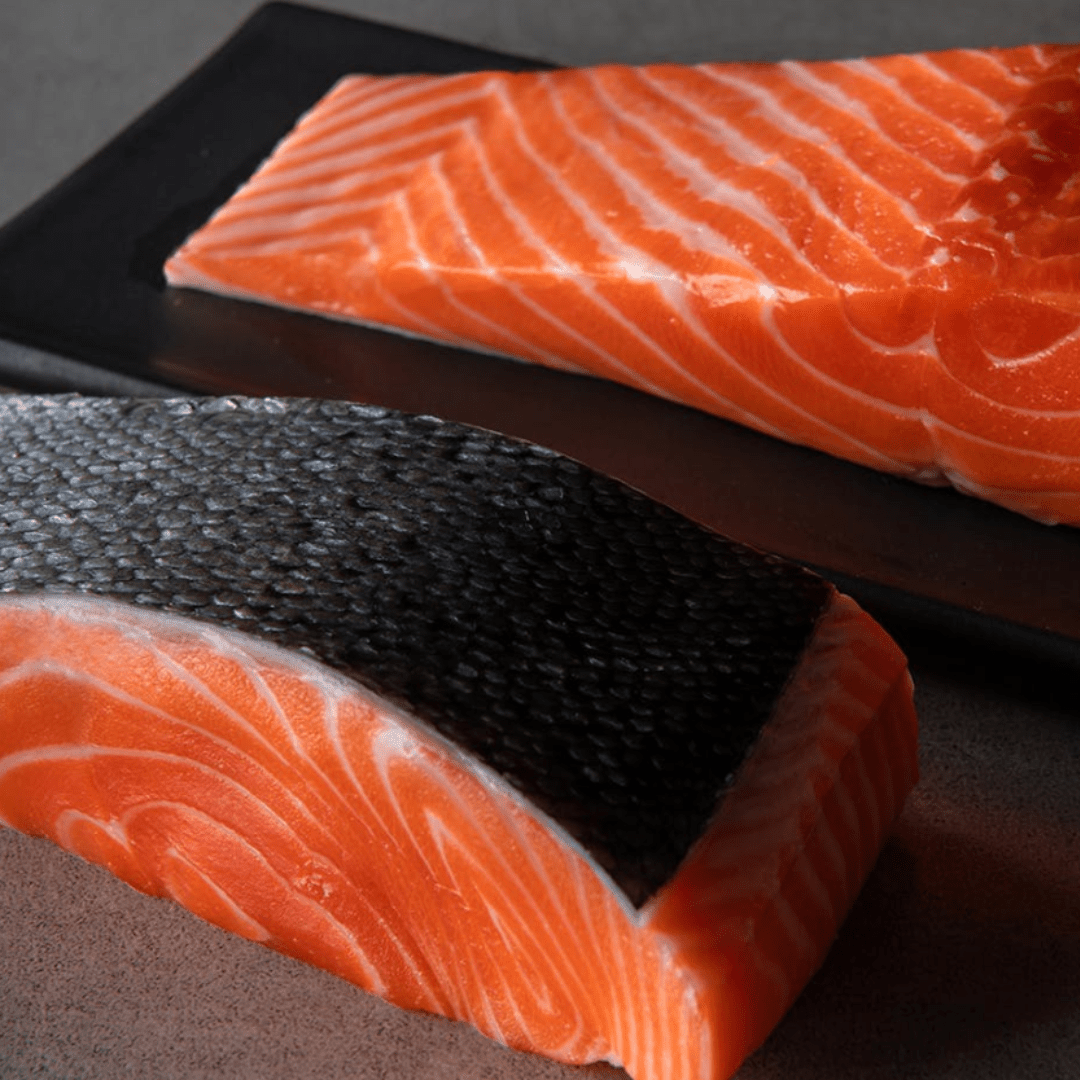
Rich flavor carrying oceanic depth and gentle sweetness across the palate. Contains a selection of King, Atlantic, and Steelhead.

A celebration of clean flavor and coastal elegance. Contains salmon, whitefish, and peruvian scallops.
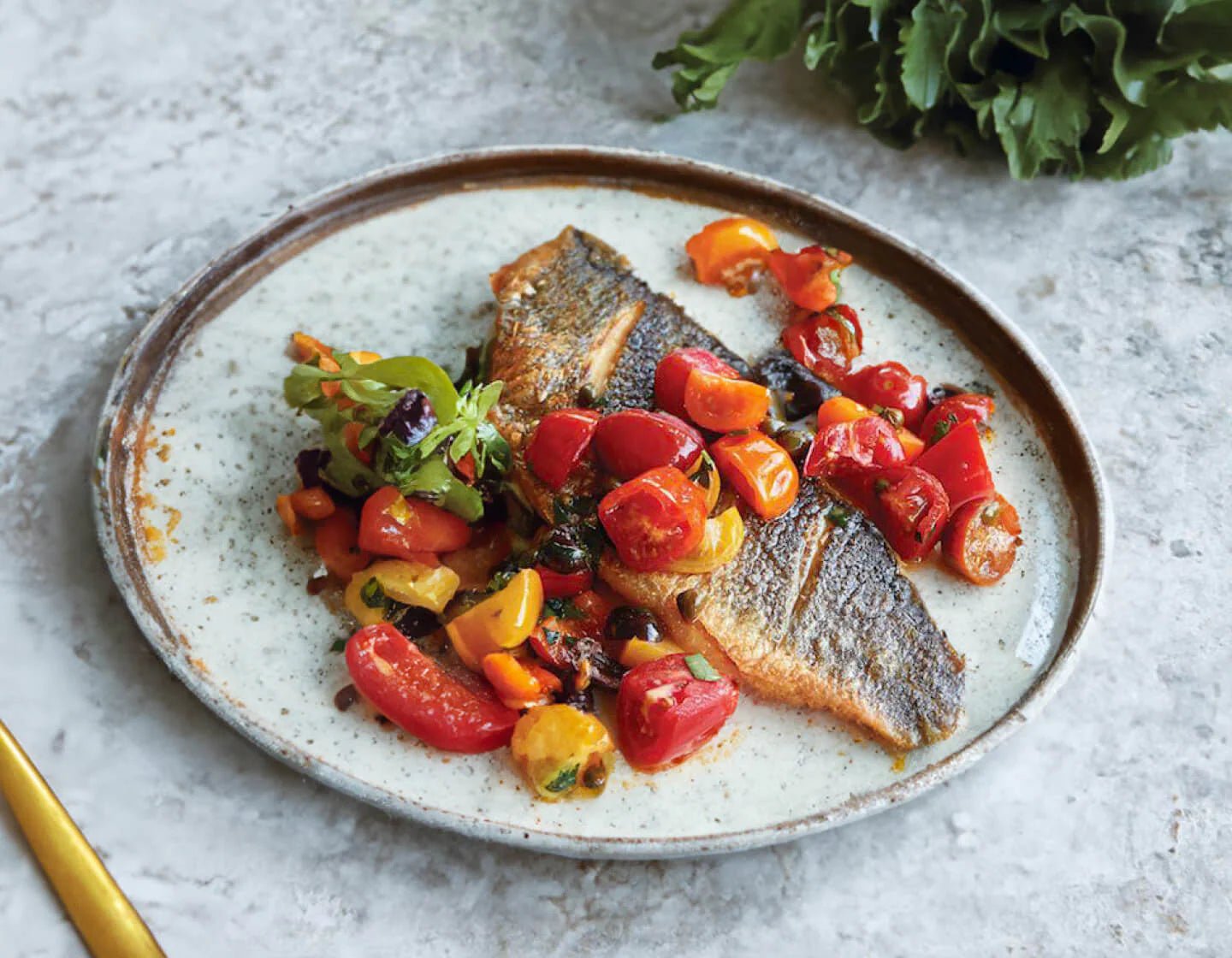
Expressive flavors from the clean, flavorful fish. Contains a selection of bream, branzino, yellowtail, and barramundi.