Seatopia · A practical guide
A practical guide to getting more omega-3s from your food.
omegamaxxing
omegamaxxing
A practical guide to getting more omega-3s from your food: what to buy, how to cook it, and how to test.
This guide takes a functional medicine approach. Instead of one number for everyone, it looks at what’s happening in your body: how much omega-3 actually reaches your cells, how well you absorb it, and what’s competing with it.
Chapter 1
Omega-3 basics
What is an omega-3?
An omega-3 is a type of fat (a polyunsaturated fatty acid). It’s called essential because your body can’t make it on its own, so you have to get it from food or supplements.
The three types
- ALAthe plant omega-3
- Flax, chia, walnuts, canola oilYour body has to convert it into EPA and DHA, and it does this poorly.
- EPAa marine omega-3
- Fatty fish, already formedOne of the two marine omega-3s. We publish how much is in every product.
- DHAa marine omega-3
- Fatty fish, already formedDHA is one of the main structural fats in the brain. We publish how much is in every product.
This guide focuses on EPA and DHA, the two “marine” omega-3s. Fish already contains them in the form your body uses, so there’s no conversion step.
Why they matter
EPA and DHA do two jobs.
They build your cells.
They’re part of the outer layer (membrane) of every cell, where they keep it flexible and working well.
They send signals.
Your body uses them to make signaling molecules.
Chapter 2 · Your numbers
Test, don’t guess.
Guidelines count servings. We think you should count what’s in your blood.
Functional medicine starts with testing. One at-home finger-prick test gives you two numbers that tell you more than any food log.
Your Omega-3 Index
The percentage of EPA+DHA in the membranes of your red blood cells. Red blood cells live about 120 days, so the result shows your average intake over the past 3–4 months, not what you ate yesterday.
Your omega-6 to omega-3 ratio
How the two families of fat compare. You improve it from both sides: eat more EPA and DHA, and cut back on refined seed oils and ultra-processed foods.
Researchers who study the omega-3 index measure blood levels rather than servings, and target higher intakes than general guidelines.
Takeaway
There’s a finger-prick test for your omega-3 index. Take it, change one thing, retest in four months.
Chapter 2 · Your numbers
The five levers
Getting more omega-3s isn’t just about eating more fish. Five things work together:
Chapter 3
Omega-6s and reading labels
The main omega-6 in the Western diet is linoleic acid, and most of it comes from refined seed oils. These oils show up in almost everything packaged: alternative milks, dressings, snacks, baked goods and restaurant fryers.
Whole foods like nuts and seeds also contain omega-6, but they come with fiber, vitamin E and antioxidants. The focus here is refined oils in processed food.
| Safflower oil (regular) | ~75% | Limit — highest |
|---|---|---|
| Grapeseed oil | ~70% | Limit |
| Sunflower oil (regular) | ~65% | Limit |
| Corn oil | ~55% | Limit |
| Cottonseed oil | ~50–55% | Limit |
| Soybean oil / “vegetable oil” | ~50–55% | Limit — the most common |
| Rice bran oil | ~35% | Moderate |
| Peanut oil | ~30% | Moderate |
| Canola / rapeseed oil | ~20% | Middle ground; also has some plant omega-3 |
| High-oleic sunflower or safflower | ~5–15% | Better choice |
| Olive oil, avocado oil | ~10% | Good choice |
| Coconut oil, butter, ghee | ~2–3% | Low omega-6 (but mostly saturated fat) |
Chapter 3 · Omega-6s and reading labels
Label phrases to watch for
“Vegetable oil”
“Vegetable oil” or “contains one or more of the following: soybean, corn…” usually means the cheapest high-omega-6 oils.
“Sunflower oil”
“Sunflower oil” or “safflower oil” without “high-oleic.” High-oleic versions are bred to be low in omega-6, so that word matters.
“Expeller-pressed”
“Expeller-pressed” or “cold-pressed” describes how the oil was extracted, not what’s in it. Expeller-pressed sunflower oil is still high in omega-6.
Position in the list
Ingredients are listed by weight. An oil in the top three is a real source; near the end, it’s minor.
Takeaway
Check the oil on the label. Choose olive, avocado or high-oleic oils, which are more heat-stable, and cut back on products made with soybean, corn, sunflower or “vegetable” oil.
Chapter 4
Choosing your seafood
Rule of thumb for shopping
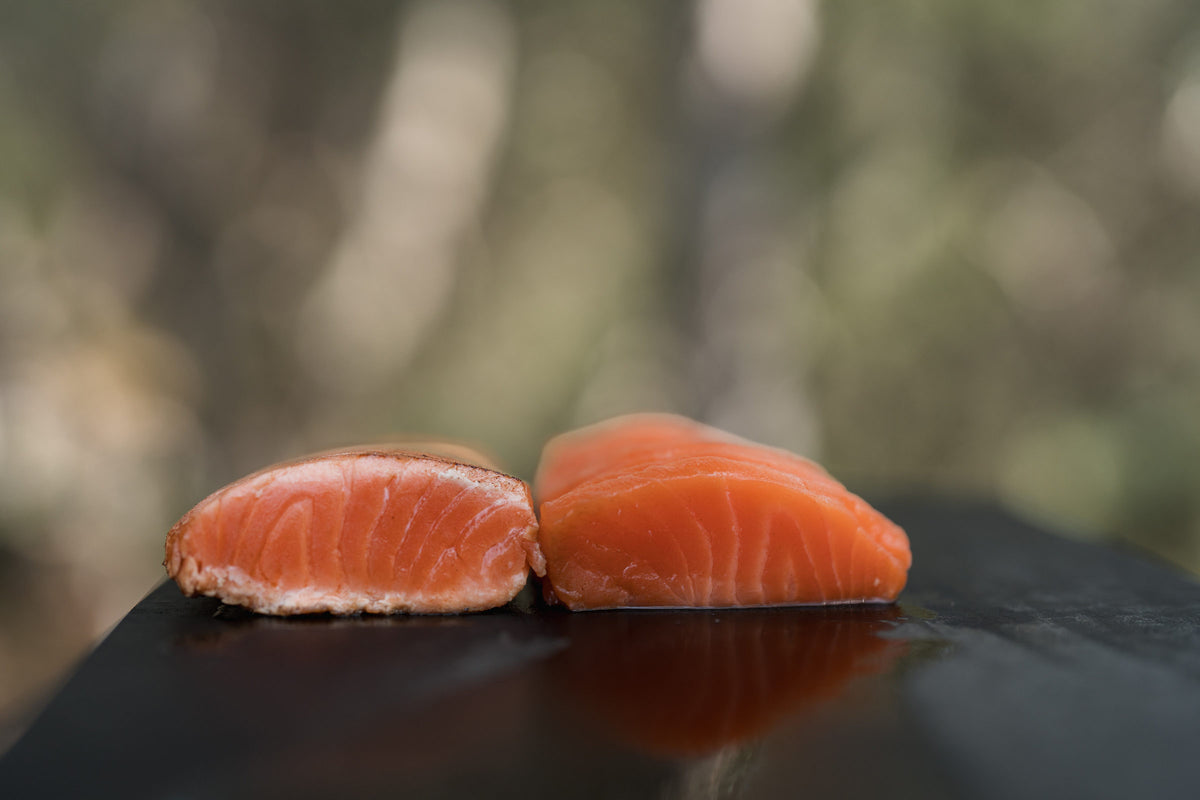
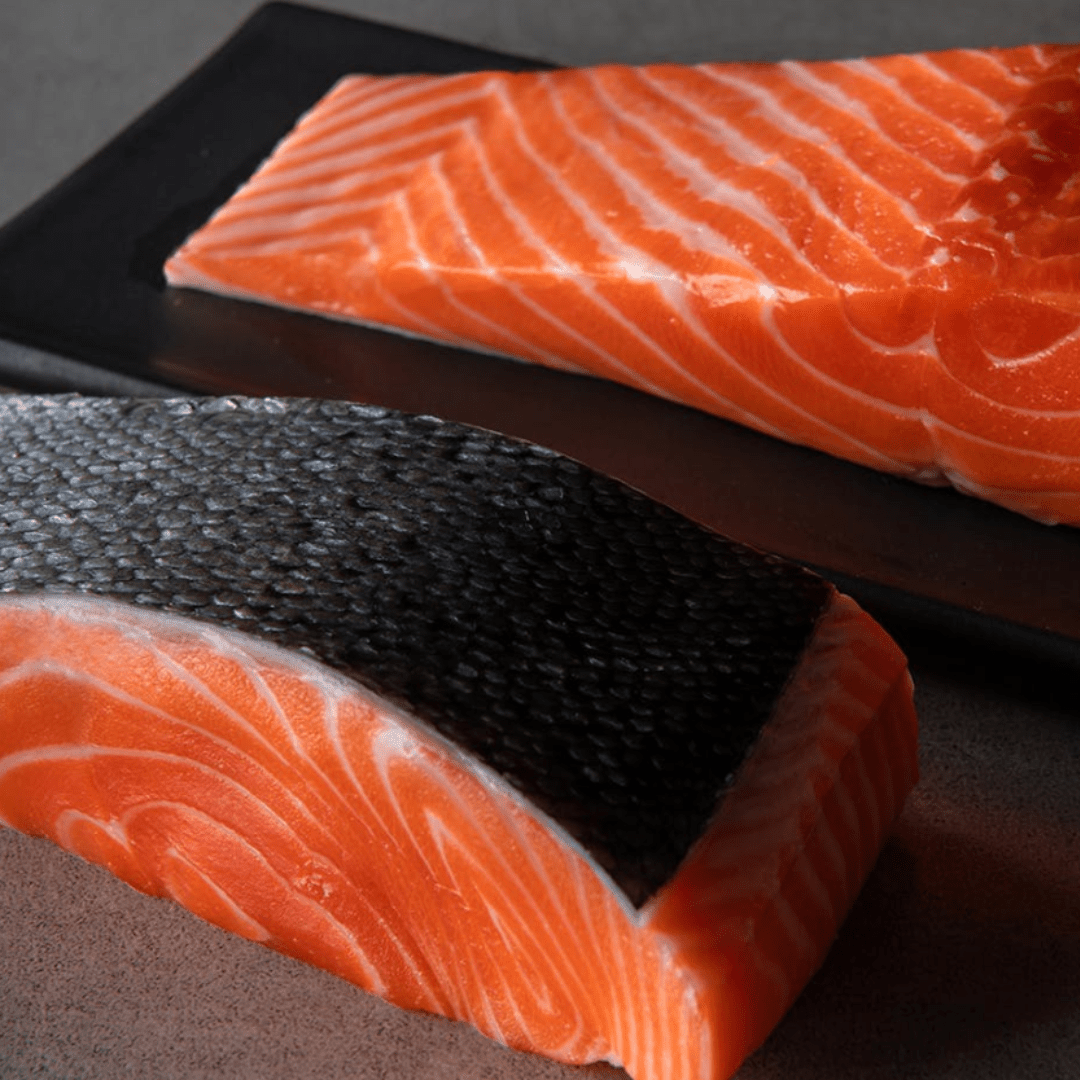
Fattier, cold-water fish (king salmon, steelhead, Atlantic salmon) carry more omega-3s per ounce than lean whitefish or shellfish. If your goal is more EPA/DHA, build your week around salmon and steelhead. Treat whitefish and shellfish as flavor and variety, not your main omega-3 source.
Why lab-tested numbers matter
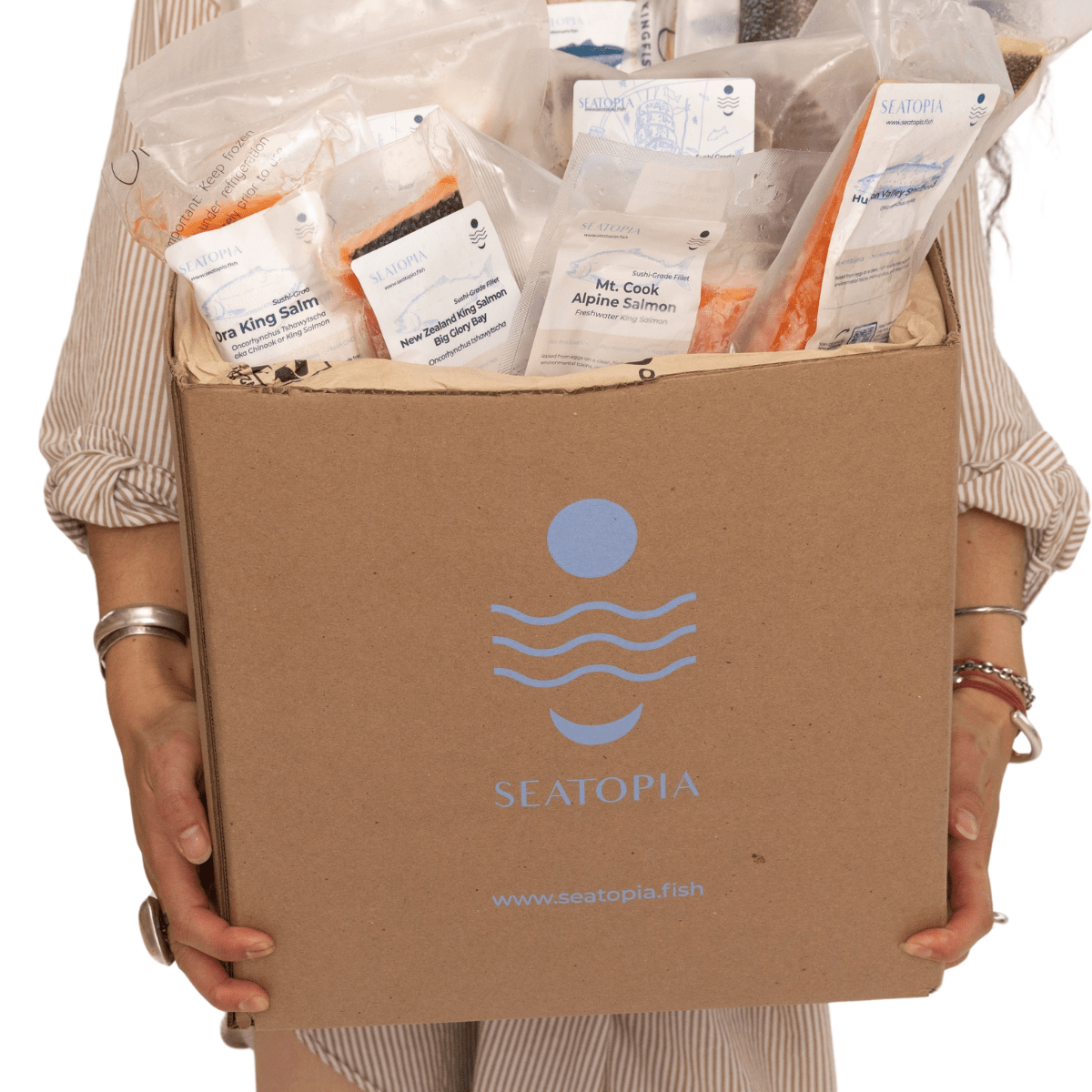
We publish lab-tested omega-3 values for our products, backed by third-party Certificates of Analysis from Edacious. That lets you compare options by the number.
Published result
Our King Salmon tested at 2,414 mg EPA+DHA per 6 oz serving. Values vary by sample and season.
Every supplier is third-party tested for nutrition, mercury and microplastics, then randomly audited to ensure consistent compliance with the Seatopia Standard.