Seatopia · A kitchen guide
Fewer unknowns on your plate: tested seafood, simple ingredients, and a week of recipes.
the seatopia reset
The Seatopia Reset
A practical way to rebuild a week of eating around food you know more about.
This isn’t a diet plan, and it doesn’t promise anything about your body. It’s a reset of what goes on your plate: seafood with published lab results, more vegetables and whole foods, and cooking that keeps things simple.
If you’re changing how you eat for a health reason, do it with your doctor. They can tell you what to measure and what the numbers mean for you.
Chapter 1
Start with what you choose
FDA and EPA sort fish by mercury into “Best Choices,” “Good Choices” and “Choices to Avoid.” Salmon, trout, scallops and shrimp are all on the Best Choices list. [1]
Low mercury, tested to a tenth of the FDA action level. Every supplier is third-party tested for nutrition, mercury and microplastics, then randomly audited to ensure consistent compliance with the Seatopia Standard.
Scan the QR on the box and the farm page opens with its panels. Farms named, panels published.
The takeaway
FDA and EPA recommend 2 to 3 servings a week. Most Americans eat fish about once. [2]

Chapter 2
The framework
Six habits that change what’s on the plate. None of them needs a supplement, a special drink or a day of not eating.
The takeaway
Small, repeatable changes beat a strict week you won’t repeat.
Swap in tested seafood
Make two or three meals a week seafood with published lab results. Every recipe below starts with one.
Fill the plate with plants
Build the rest around vegetables, herbs, beans and whole grains: leafy and bitter greens, broccoli and cabbage, lemons and plenty of herbs.
Cook it gently
Poach, steam or bake at moderate heat. It’s quick, it’s forgiving, and it suits delicate fish.
Read the oil on the label
Cook with olive oil, and check which oils are in packaged foods. Omegamaxxing explains how to read labels.
Keep it simple in the kitchen
Store and reheat leftovers in glass or ceramic, and keep a few staples ready: frozen fish, grains, lemons, greens.
Plan the week, not the meal
Thaw tomorrow’s fish in the fridge tonight, and poach or bake extra for lunches.
Chapter 3
Nutrients you can count
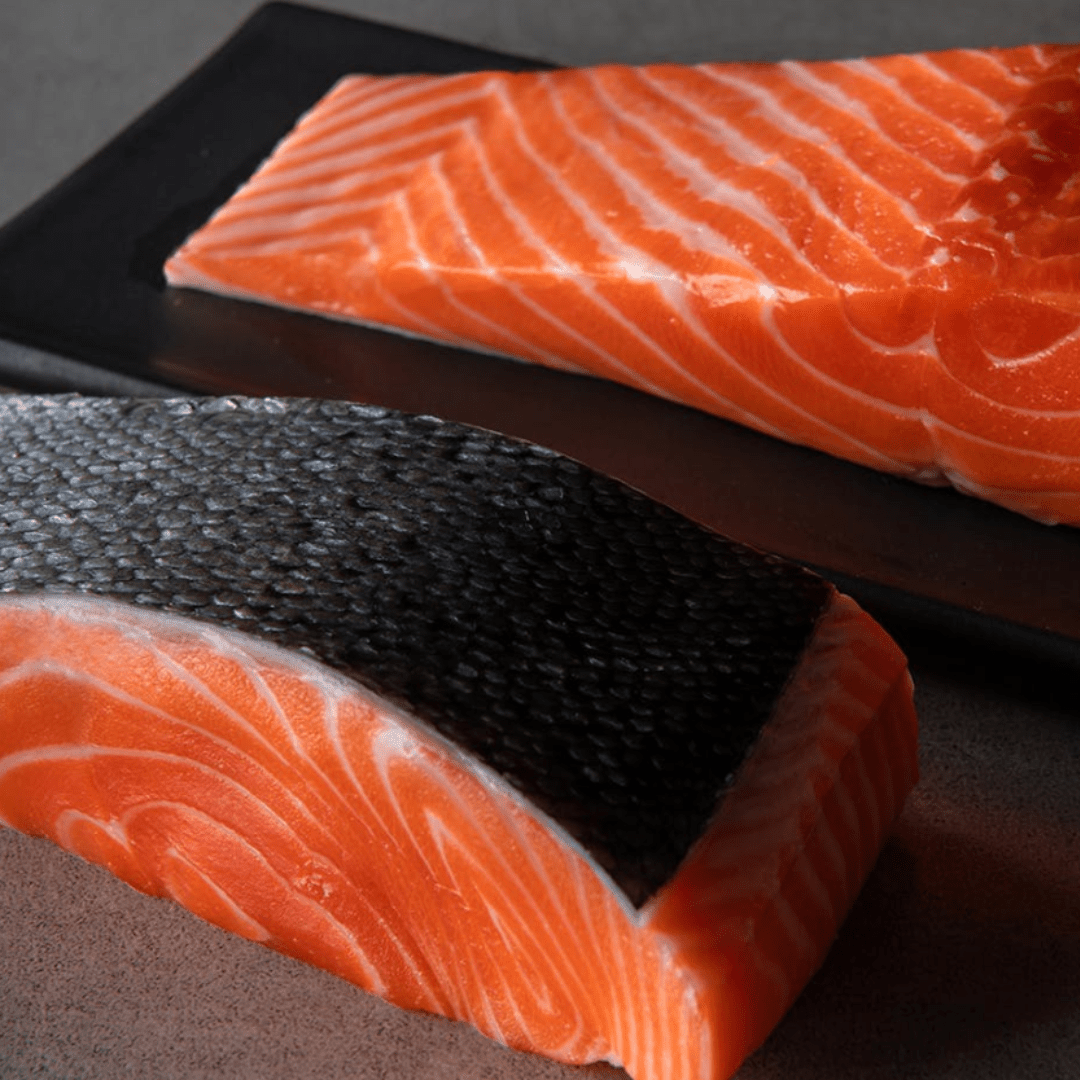
Our King Salmon tested at 1,140 mg EPA and 2,290 mg DHA, about 3,430 mg of marine omega-3s, plus 64 mcg selenium, per 8.5 oz skin-on portion. Values vary by sample and season.
Our Half-Shell Scallops tested at about 8 g protein and 7 mcg selenium per 2 oz serving. Values vary by sample and season.
We consider one portion to be 4 to 6 ounces of cooked fish, which matches the FDA’s definition of a serving of seafood. That is the guideline behind how much fish by weight goes into a box described in servings. Some of our fish, such as king salmon, come in larger pieces of 7.5 to 8.5 oz, so a single piece can be two nutritional servings.
Many of our members work with a nutritionist or practitioner, or use an app, to decide what they should be eating for protein, fats or specific nutrients. The right amount and frequency for you is personal, and our job is to give you the data that makes the decision easy.

Chapter 4
Measure, don’t guess
Guidelines count servings. We think you should count what’s in your blood.
There’s a finger-prick test for your omega-3 index. Take it, change one thing, retest in four months. See the Omega-3 Index Plus test.
If you want to know your own mercury level, ask your doctor about a blood test.
Recipes
A week of recipes
Recipes from our kitchen and our partners, each built around one tested seafood and a lot of plants.
 Recipe
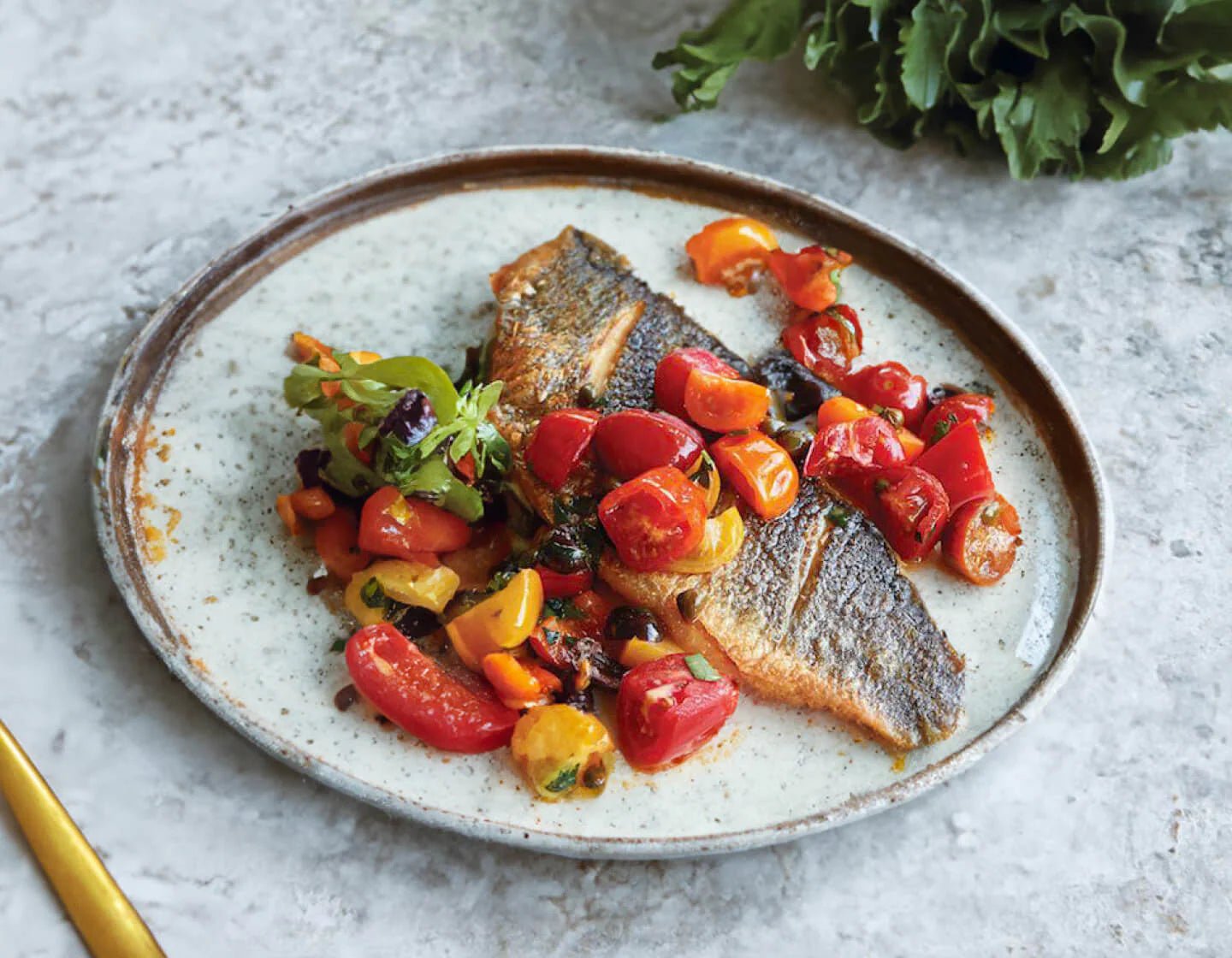
Rainbow Salad with Lemon-Bay Poached King Salmonfrom Miriam Thom
 Recipe
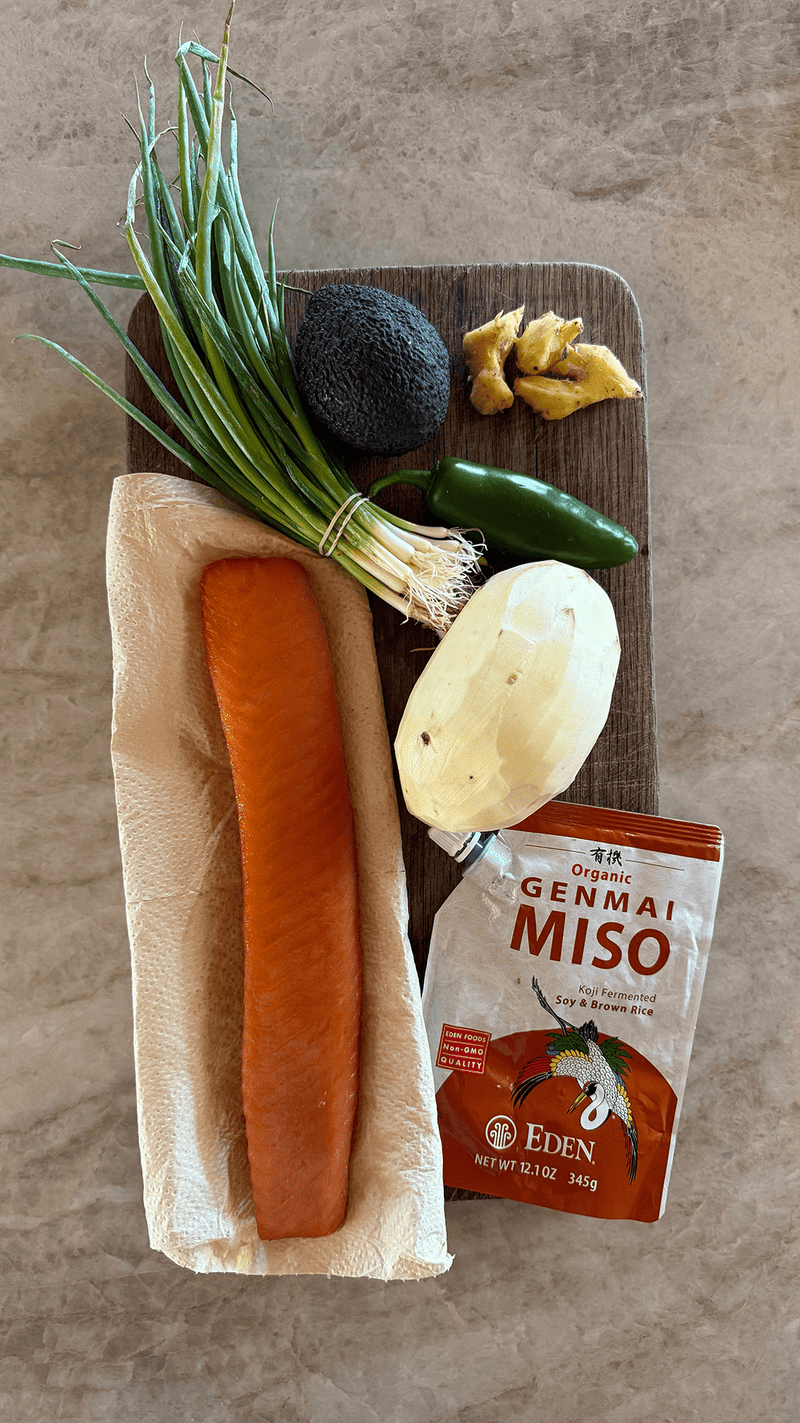
Poached Steelhead in a Miso-Ginger Brothfrom Miriam Thom
 Recipe
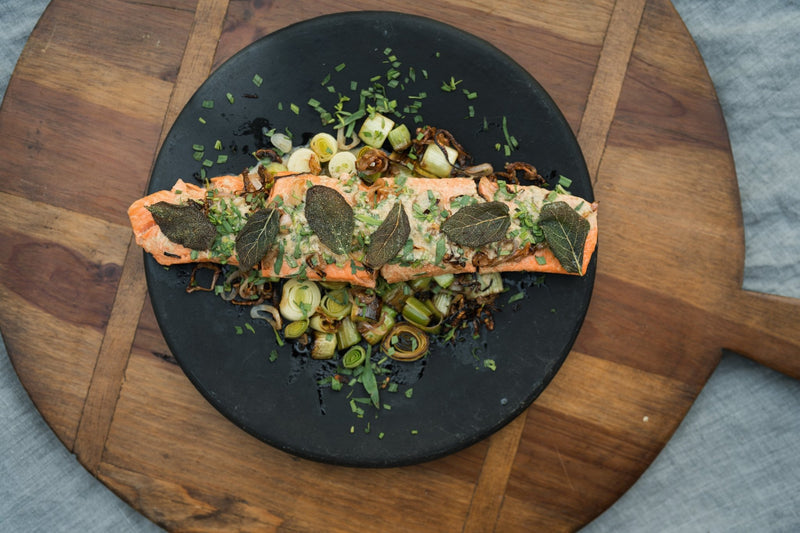
Apple Cider Poached Steelhead with Braised Leeks and Brown Butter Tarragon Mustardfrom Miriam Thom
 Recipe
French Niçoise Steelhead Saladfrom Jason Pabst
 Recipe
Black Tiger Shrimp Vietnamese Fresh Rollsfrom Miriam Thom
 Recipe
Harvest Quinoa Bowl with Honey Cinnamon Salmon & Turmeric Tahinifrom Erica Casavecchia
 Recipe
Persimmon & Passion Fruit Scallop Cevichefrom Miriam Thom
 Recipe
10-Minute Build-Your-Own King Salmon Poke Bowlsfrom Nicole Paggi
Eating raw or undercooked seafood may increase your risk of foodborne illness. The FDA conservatively suggests cooking to an internal temperature of 145 °F.
 The Seatopia Reset
Free download
Take the guide with you
The whole guide as a PDF: what to choose, the six habits, nutrients per portion, and a week of recipes.
That didn’t go through. Check the email address and try again.
You’re in. Your guide is ready, and we’ve added you to our emails.
Download the PDFBy unlocking the guide you agree to receive emails from Seatopia. Unsubscribe anytime. Privacy policy.
Sources
- U.S. Food and Drug Administration and U.S. Environmental Protection Agency. Advice about eating fish.
- U.S. Department of Agriculture and U.S. Department of Health and Human Services. Dietary Guidelines for Americans, 2020–2025.
- Seatopia. Lab results published on each product page, from third-party Certificates of Analysis by Edacious and EMSL.