Seafood Dr. Hyman keeps in his freezer.
Third-party tested for nutrition, mercury and microplastics. Results published.
Code HYMAN: $50 off your first order of $200+
Dr. Mark Hyman is a paid partner and a long-time customer.

- Third-party Certificates of Analysis from Edacious and EMSL
- Our limit is 0.1 ppm methylmercury – a tenth of the FDA action level
- Zero microplastics detected
- Farms named, panels published

From Mark’s Kitchen
“I tell my patients to eat more seafood, and finding a source I trust has made it easier to follow my own advice.”
“That’s why Seatopia is always in my freezer. I can thaw exactly what I need to help meet my goal of eating fatty fish 3–4 times a week.”
Mark Hyman, MDPaid partner and long-time customer
We lab-test our seafood and show you the results.
Every supplier is third-party tested for nutrition, mercury and microplastics, then randomly audited to ensure consistent compliance with the Seatopia Standard. We test and publish omega-3, protein, selenium, vitamin D and B12.
Our King Salmon tested at 2,414 mg EPA+DHA per 6 oz serving. Values vary by sample and season.
Our limit is 0.1 ppm methylmercury – a tenth of the FDA action level.
Tested for microplastics down to 1 micron. Third-party Certificates of Analysis from EMSL.
Farms named, panels published.
The box in Dr. Hyman’s note
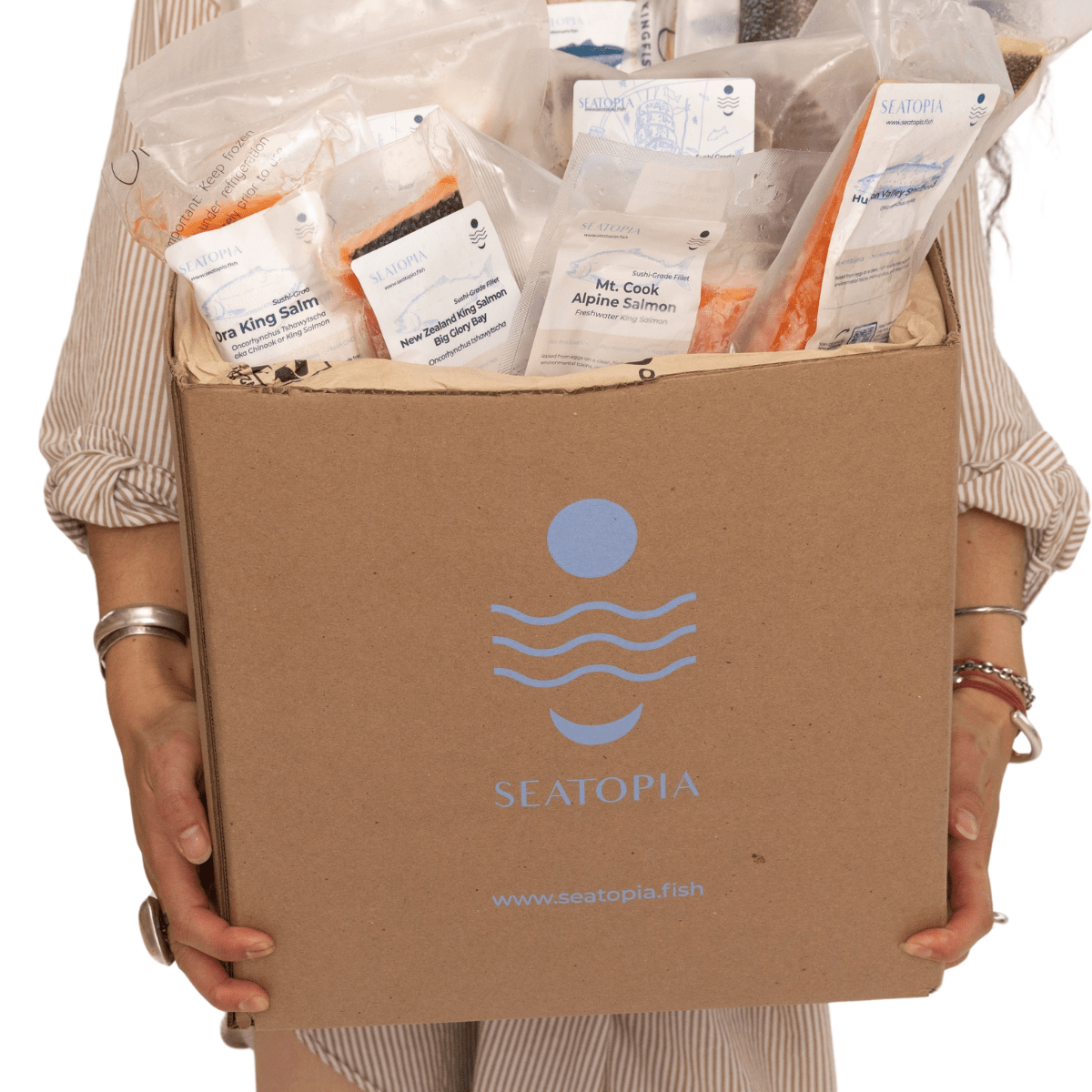
The Salmon Lover's Box
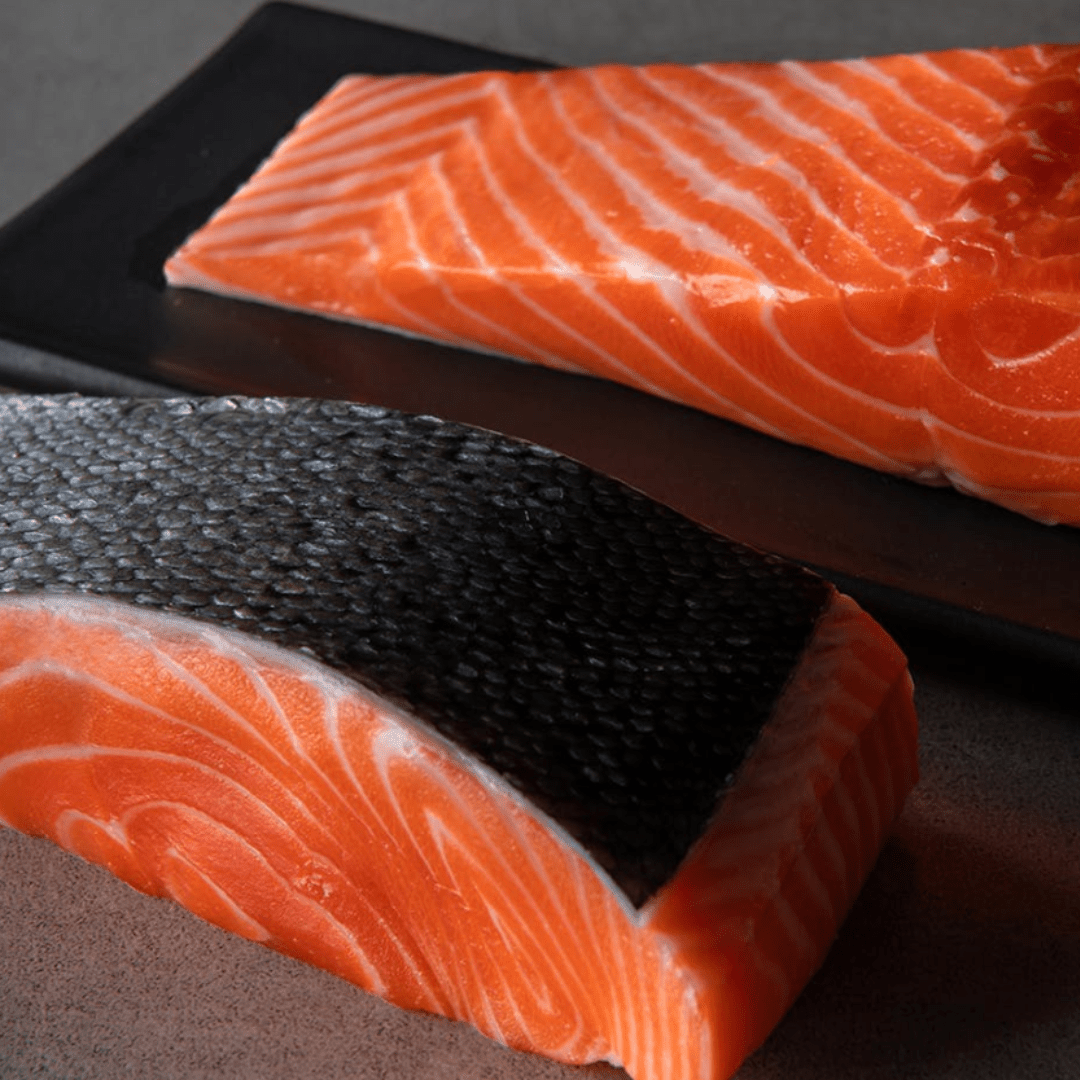
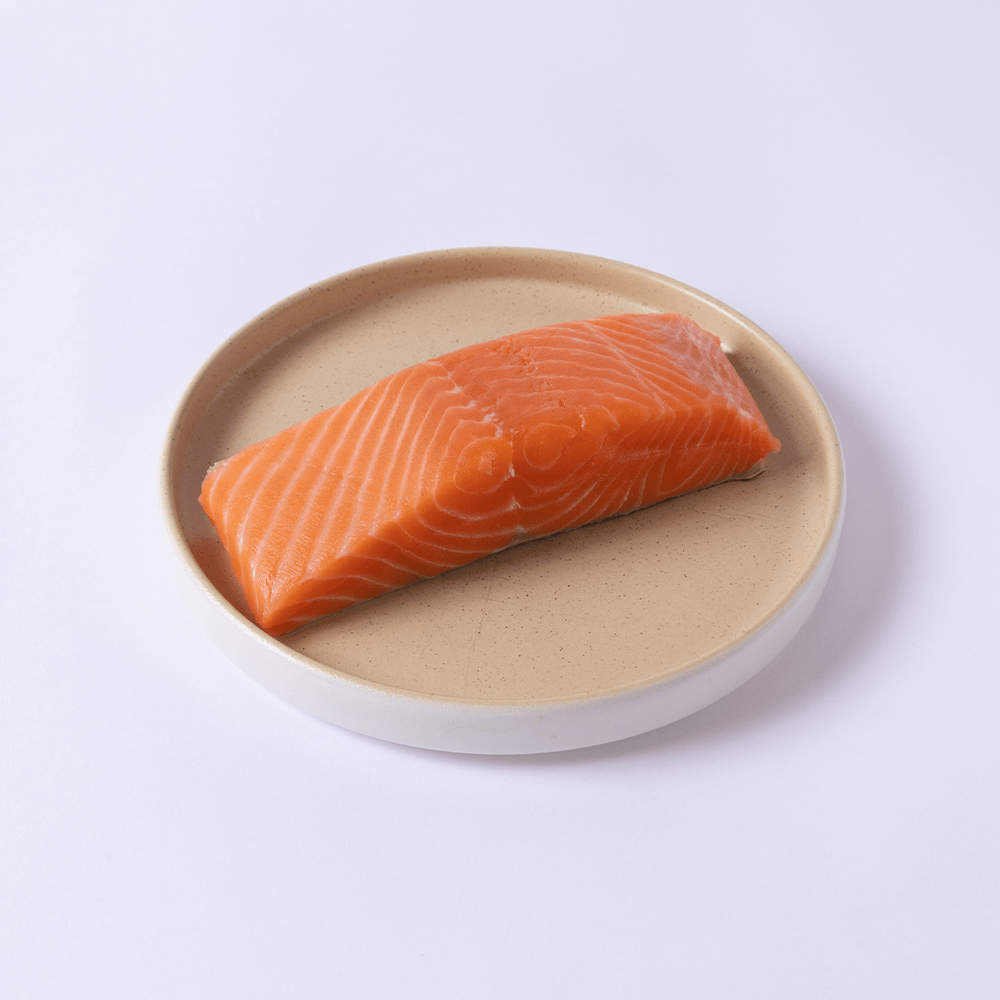
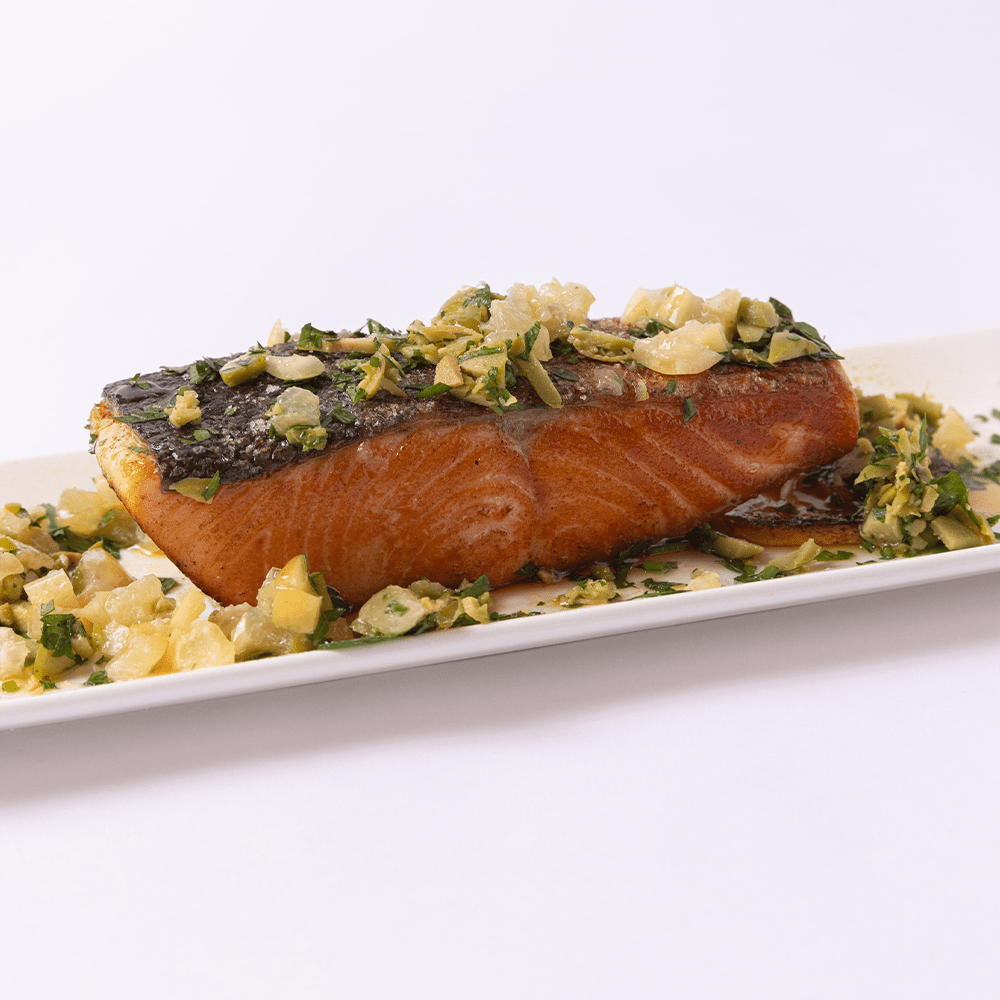
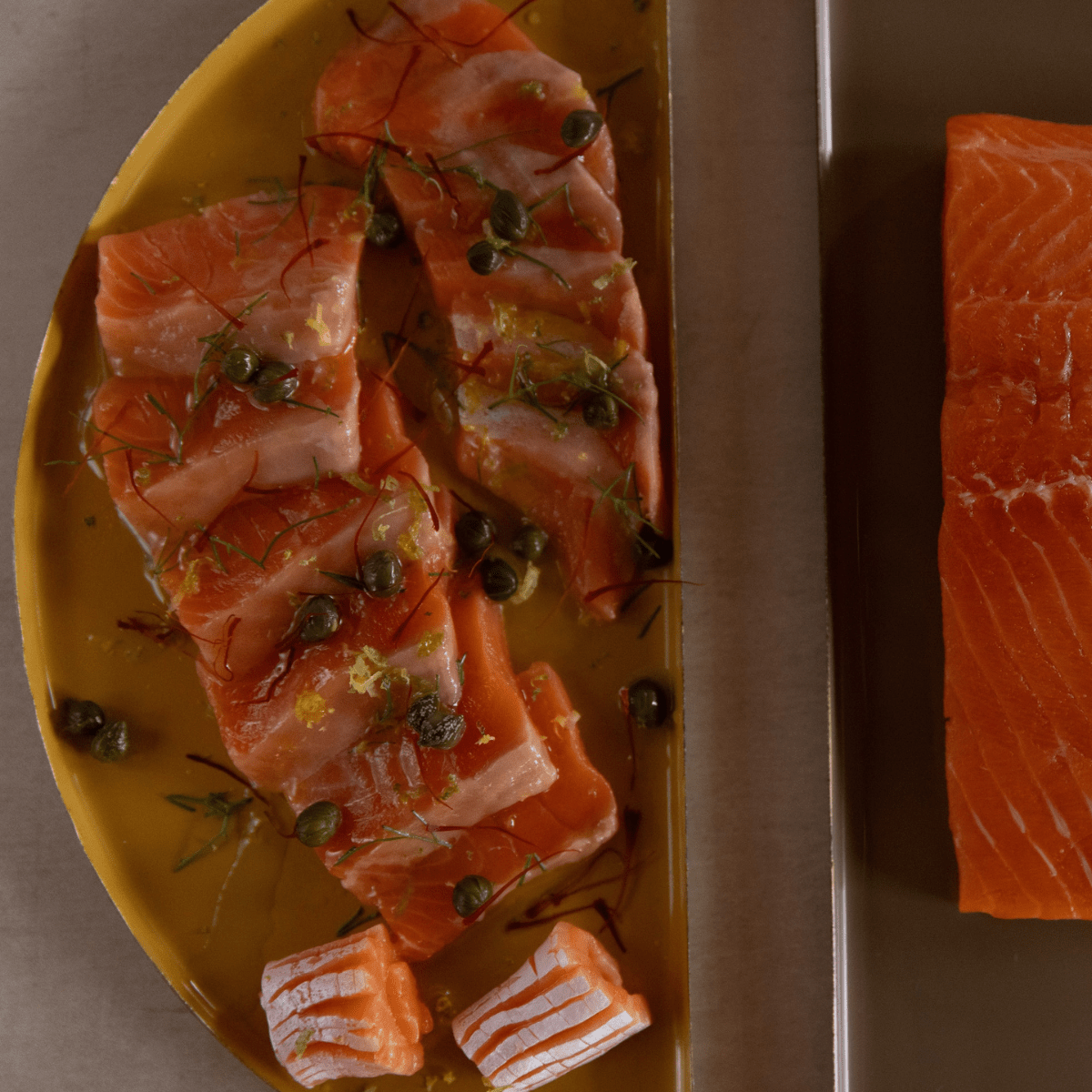
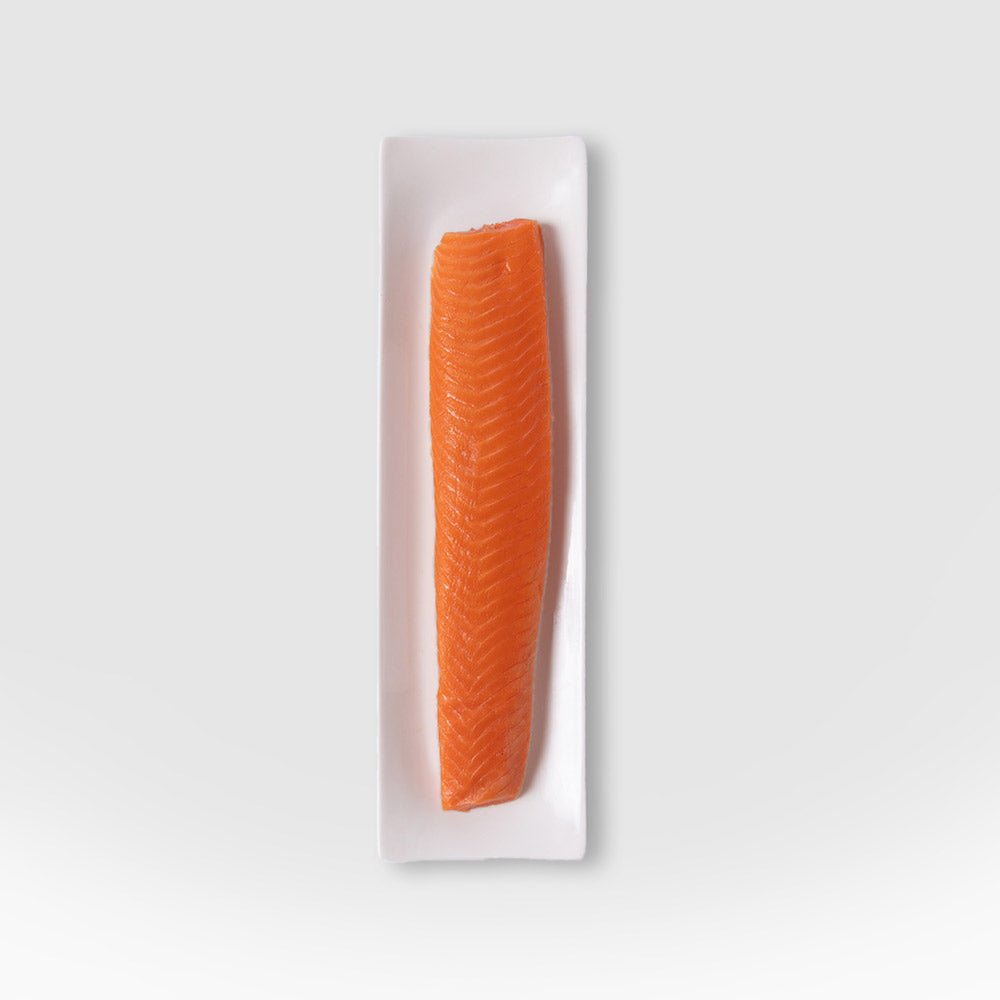
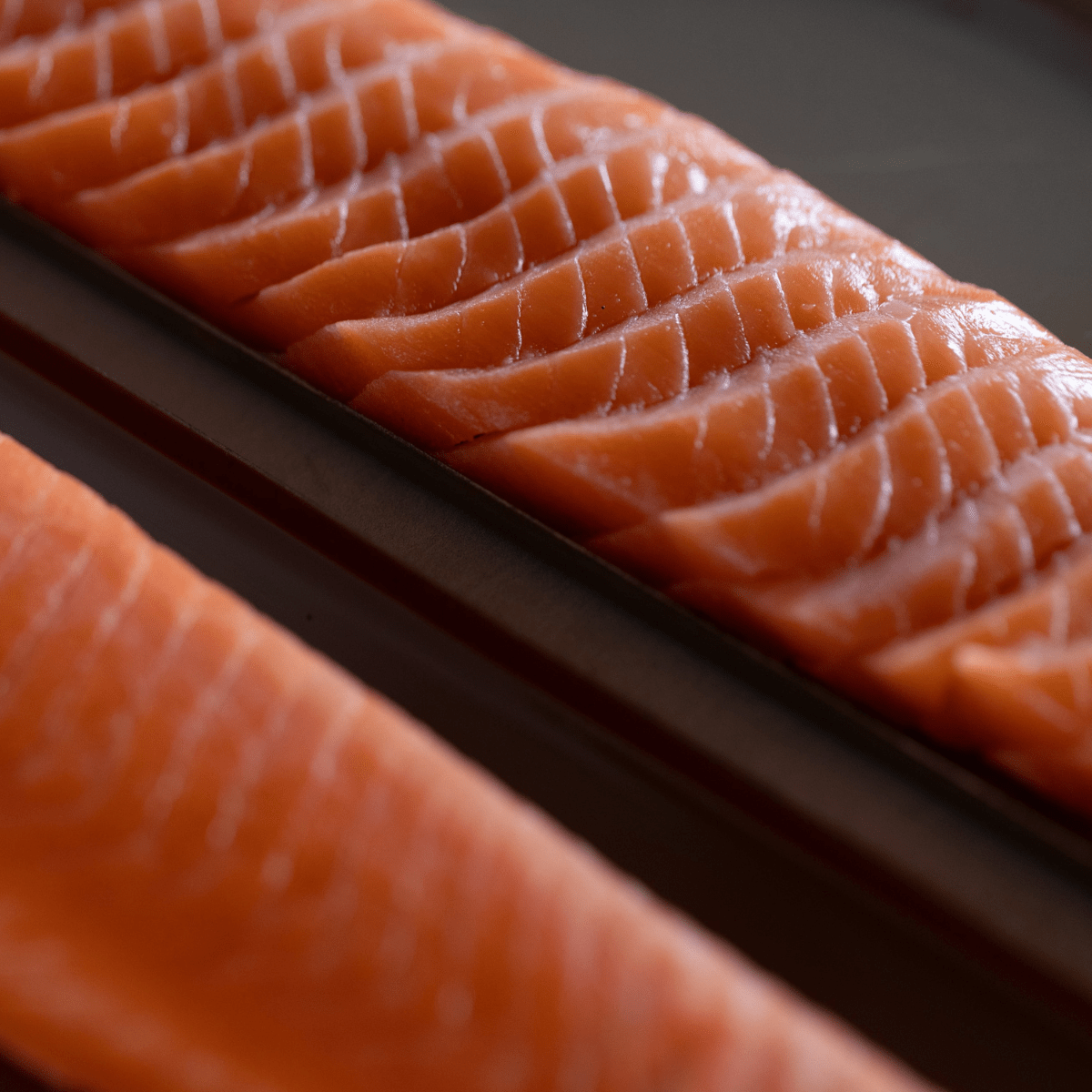
King salmon, Atlantic salmon and steelhead in individually sealed portions, blast-frozen to -10°F at harvest and vacuum sealed, so you thaw exactly what you need. Choose 12, 18 or 24 portions, once or on a subscription.
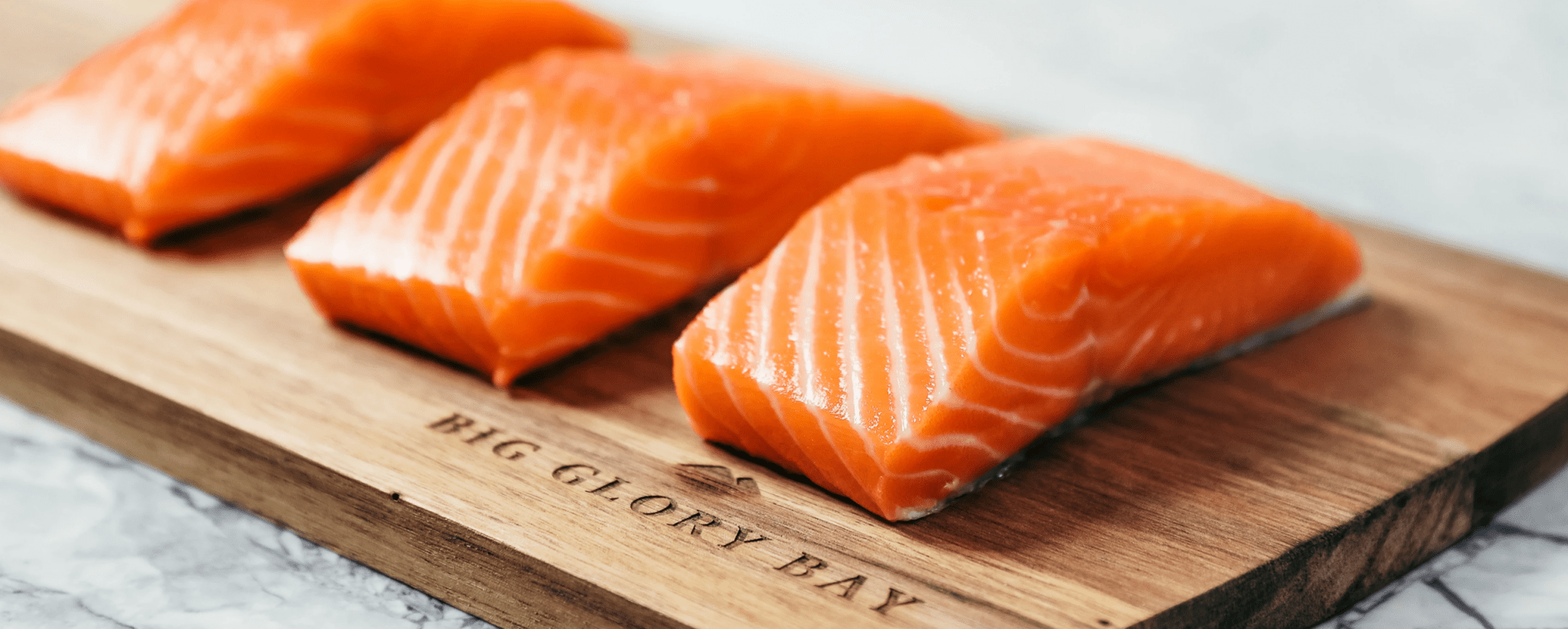
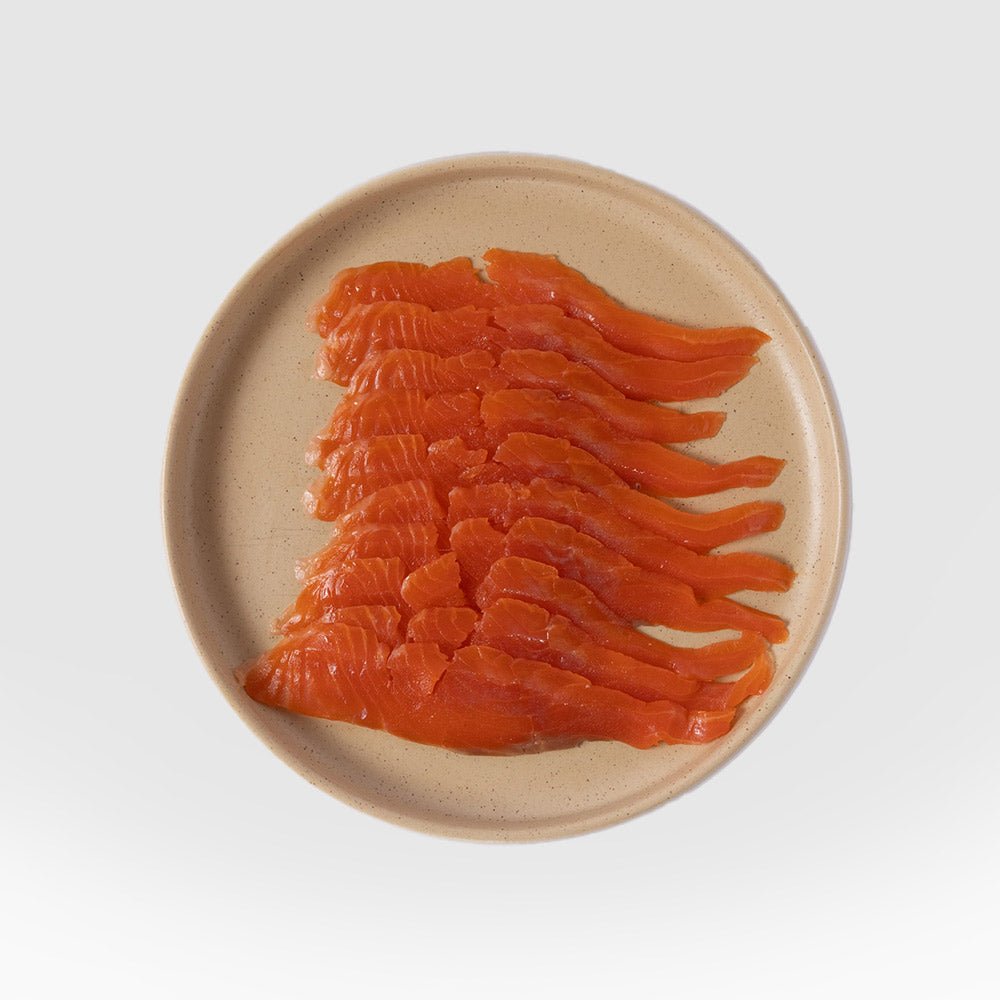
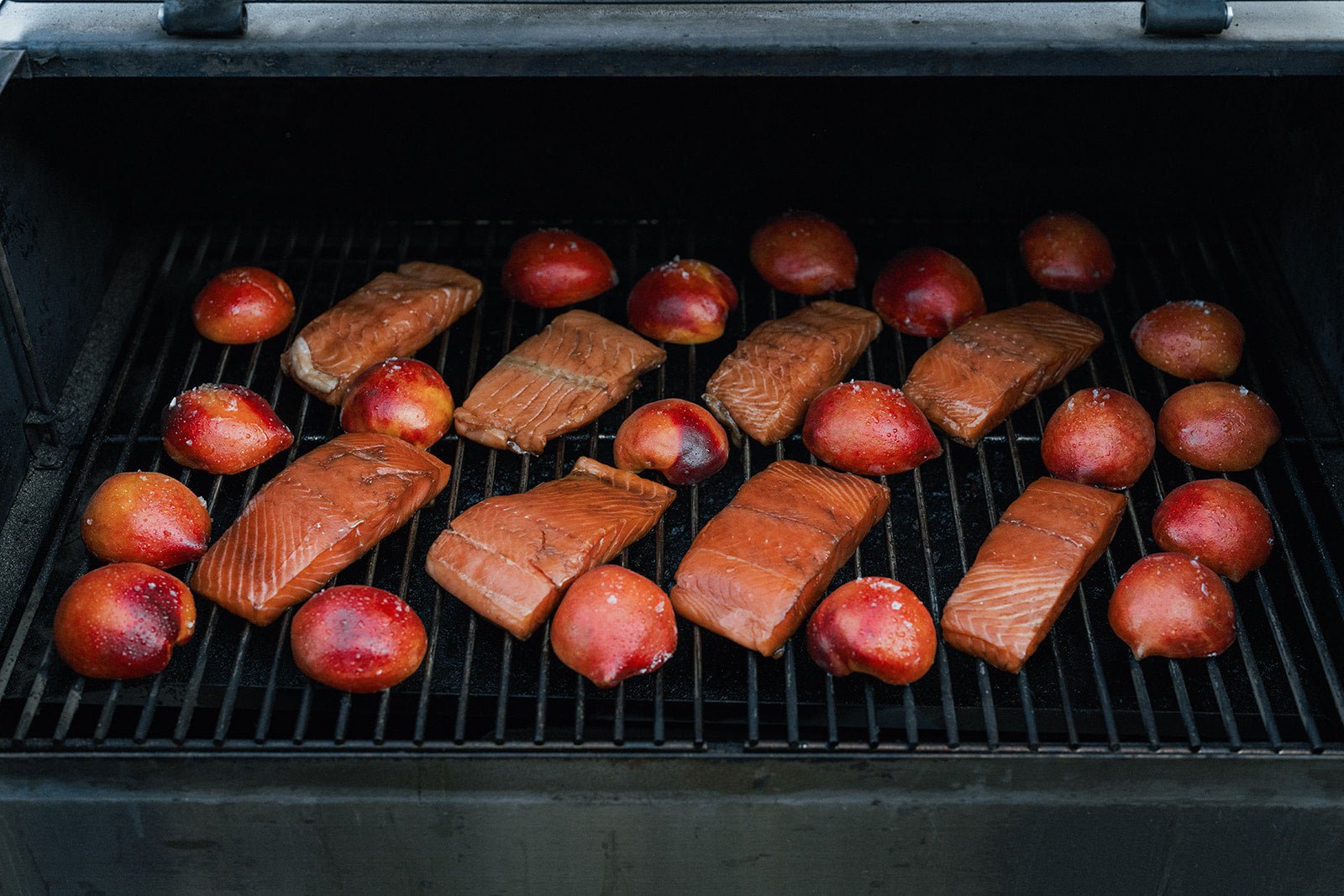
Salmon Lover's Box
A curated selection of premium red fish, including king salmon, Atlantic salmon, and steelhead. Individually sealed portions.
Note: May include both skin-on and skin-off portions, and cold-smoked lox. For specific cuts, please see our Build Your Own Box page. Individual products subject to seasonal availability.
Responsibly farmed and blast-frozen at peak freshness.
Blast-frozen, with a frozen delivery guarantee
Every supplier is third-party tested for nutrition, mercury and microplastics
Orders ship Tuesday and Wednesday

This week from Mark’s Kitchen
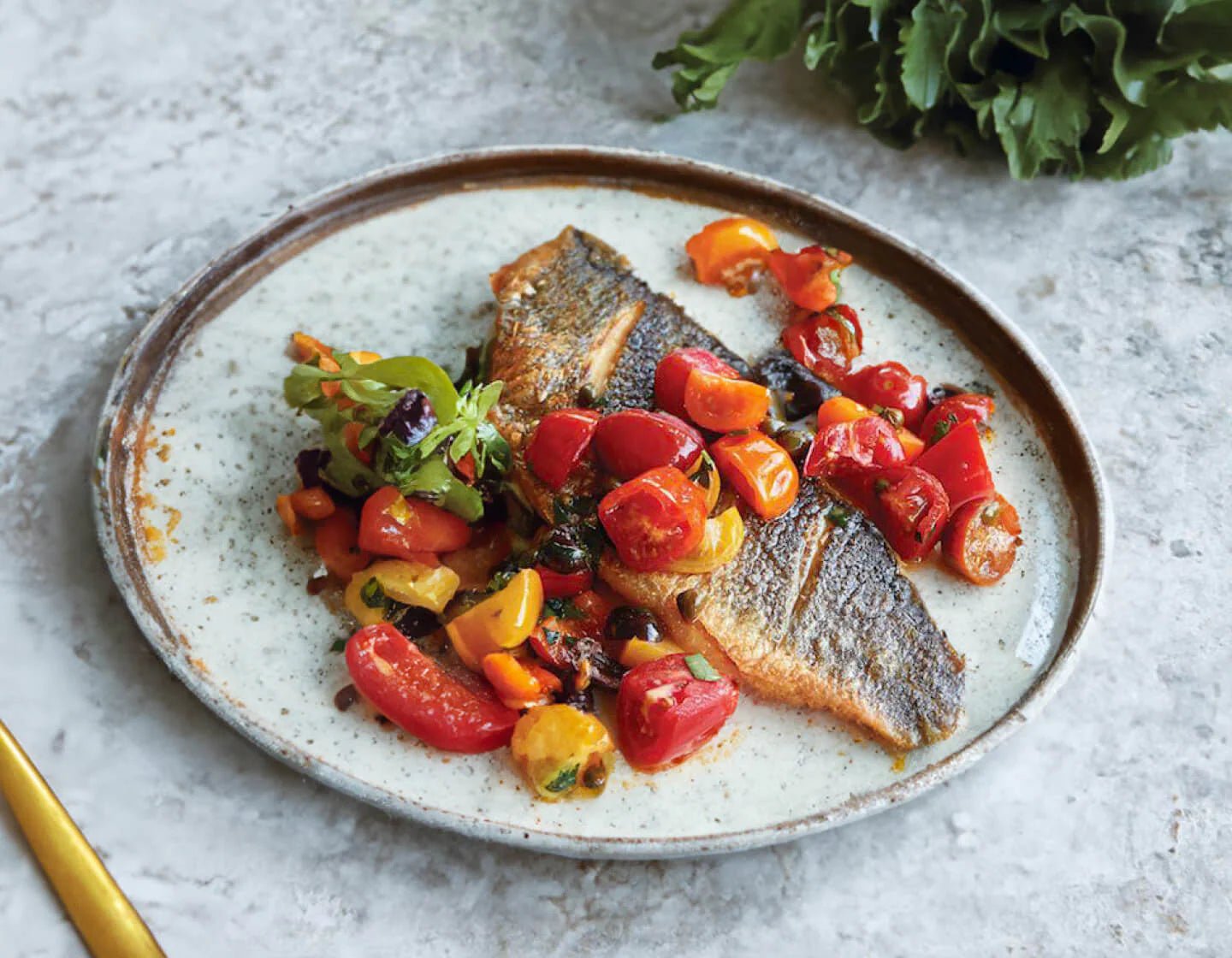
One-Pan Seafood Skillet
Salmon, branzino and shrimp with cannellini beans, kale and jammy tomatoes. “When the weather cools down, this is my kind of dinner,” Dr. Hyman writes: warming, satisfying, and fewer dishes.
Trusted by Dr. Hyman and thousands of subscribers
Reviews from verified buyers, in their own words.
-
I look forward to every meal from Seatopia. Each of the different versions of Salmon is unique and tasty. I highly recommend the Salmon Lover's box for quality and taste.
James J.Verified buyer -
I would typically only eat wild fish, but then I tasted the salmon at Seatopia. Now I’m completely hooked!
Andreia W.Verified buyer -
Heard James on the Hyman podcast. Raving fan — already turned my trainer on to it.
Gaith T.Verified buyer
Stock your freezer for the holidays.
Our favorites, then the specialty boxes. Code HYMAN takes $50 off a first order of $200 or more.
Build your own boxFavorites
 Salmon Lover’s BoxFrom $250
King salmon, Atlantic salmon and steelhead. 12, 18 or 24 portions.
Favorites
 Fish & Shell Variety BoxFrom $215
Salmon, whitefish and Peruvian scallops. 12, 18 or 24 portions.
Favorites
 White Fish BoxFrom $230
Bream, branzino, yellowtail and barramundi. 12, 18 or 24 portions.
Specialty
 The Seatopia Longevity Box$350
Steelhead lox and sashimi loins, Ōra King salmon, branzino, black tiger shrimp and salmon roe. About 6.45 lb.
Specialty
Shrimp and Salmon Box$350
Salmon and black tiger shrimp, together in one box.Specialty
 The Pregnancy BoxFrom $225
King salmon, Atlantic salmon, steelhead loin and salmon roe. FDA and EPA recommend 2 to 3 servings a week, 4 oz each, from their “Best Choices” list for people who are pregnant or breastfeeding. Salmon is on that list.


-
≤ 0.1 ppm Mercury
Tested to ≤ 0.1 ppm mercury — a tenth of the FDA action level.
-
No Microplastics Detected
No microplastics detected in third-party testing.
-
Omega-3s Quantified
We test and publish omega-3, protein, selenium, vitamin D and B12.
-
Certificate of Analysis Published
Every result published — named labs, named analytes, pass/fail thresholds.

The farm behind the fish
Dr. Hyman visited this farm in 2011.
He went to Veta la Palma, in the marshlands of southern Spain: the farm chef Dan Barber described in his talk “How I fell in love with a fish.” It operates today as Esteros Lubimar, one of Seatopia’s farm partners, and it is where the branzino in this week’s skillet comes from.
Dinner gets simple again.
-
 01
Choose a curated box, or build your own
Order by Tuesday 12pm EST for delivery that week, or start a subscription.
-
 02
Your seafood arrives at your door
Blast-frozen, with a frozen delivery guarantee.
-
 03
Prepare dinner in minutes.
Every portion is sealed on its own, so you thaw only what you need. Our recipes take it from there.


Questions, answered
How does code HYMAN work?
Code HYMAN takes $50 off your first Seatopia order of $200 or more. Arriving from this page adds it to your cart for you, and your cart shows the saving; you can also enter it at checkout.
How often do you test?
All new species from new farms are tested before joining the Seatopia portfolio. For example, branzino is a species we buy from Esteros Lubimar, a farm. We then test multiple samples from all suppliers at random to make sure they stay compliant with the standard.
Testing random samples is the best way for us to keep products compliant today. As testing costs come down we will increase both the frequency and the number of analytes.
Is your seafood mercury free?
Most fish naturally contain trace amounts of mercury, and it is close to impossible to find seafood that is genuinely “mercury free.” Mercury can sit below what a test can detect, so “mercury free” may not be true even when a result reads zero.
That is why we talk about mercury safe instead, and why we define it: our standard is 0.1 ppm methylmercury or below, a tenth of the FDA’s 1.0 ppm action level. Every supplier is tested against that standard before we approve them, then audited at random to make sure they stay compliant.
We also test selenium and look at the selenium-to-mercury ratio, because selenium in fish binds mercury so that less of it is absorbed.
FDA and EPA recommend 2 to 3 servings a week, 4 oz each, from their “Best Choices” list for people who are pregnant or breastfeeding. Salmon is on that list.
Is it microplastic free?
We do not claim to be “microplastic free.” As with mercury, particles could exist below what a test can detect, and some scientists think nanoparticles may be everywhere on earth.
What we can say is that samples from every farm in the Seatopia portfolio have been tested and no microplastics were detected, which means no particles showed up down to 1 micron: a thousandth of a millimetre. We ship samples straight from our warehouse to the lab, so it is the same fish that gets shipped to you, already cut, blast frozen and vacuum sealed in its packaging.
Our fish is vacuum-sealed for freshness and safety, and the best available science suggests microplastics come more from what is inside the fish than from what it is wrapped in. Microplastics usually enter a fish through the food chain, when it eats contaminated prey or feed. That is why we lab test the edible portion of the fish itself. If a sample does not pass our microplastic threshold, we do not sell that fish.
Is this sashimi grade?
There is no official or regulated definition of “sashimi-grade” or “sushi-grade” fish in the United States. Sellers use the terms to signal that fish is safe to eat raw, but they are not a certification or a legal standard. So here is ours.
All of our seafood is vacuum sealed and blast frozen to -10 °F at peak freshness, which preserves taste, texture and colour, and is processed in an accredited facility. It is lab tested for mercury and microplastics. Farmed fish raised on formulated feed are exempt from the FDA Food Code’s parasite-freezing rule, and we blast-freeze at harvest anyway. That is what sashimi-grade means to us.
There is always some risk in eating anything raw or undercooked. If you are concerned or particularly sensitive, consult your doctor. The FDA conservatively suggests cooking to an internal temperature of 145 °F.
What counts as a serving?
We consider one portion to be 4 to 6 ounces of cooked fish, which matches the FDA’s definition of a serving of seafood. That is the guideline behind how much fish by weight goes into a box described in servings. Some of our fish, such as king salmon, come in larger pieces of 7.5 to 8.5 oz, so a single piece can be two nutritional servings.
Many of our members work with a nutritionist or practitioner, or use an app, to decide what they should be eating for protein, fats or specific nutrients. The right amount and frequency for you is personal, and our job is to give you the data that makes the decision easy.
What don’t you test for yet?
We want to test for PCBs, PFAS, histamines and pesticides, and they are on our testing roadmap. Every Seatopia purchase helps us pay for more comprehensive testing and more frequent testing.
Dr. Mark Hyman is a paid partner and a long-time customer. Nutrition results describe tested samples; values vary by sample and season. Frozen delivery guarantee terms.