Scallops raised in harmony with nature
SeaCorp’s regenerative farmed scallops are a culinary and environmental triumph—raised in the nutrient-rich waters of Sechura Bay, Peru, using centuries-old aquaculture traditions refined through modern sustainability practices. Suspended in the clean, oxygenated flow of the Humboldt Current, these sushi-grade scallops develop exceptional sweetness, pristine flavor, and buttery texture, all while helping to restore marine ecosystems. Filter-feeding naturally on plankton and minimal exposure to synthetic additives or contaminants means that SeaCorp’s scallops are not only clean and delicious - they're part of a food system that actively sequesters carbon and improves ocean health. A natural work of art, ready to plate.
Raised in the cold, rich waters of the Humbolt current
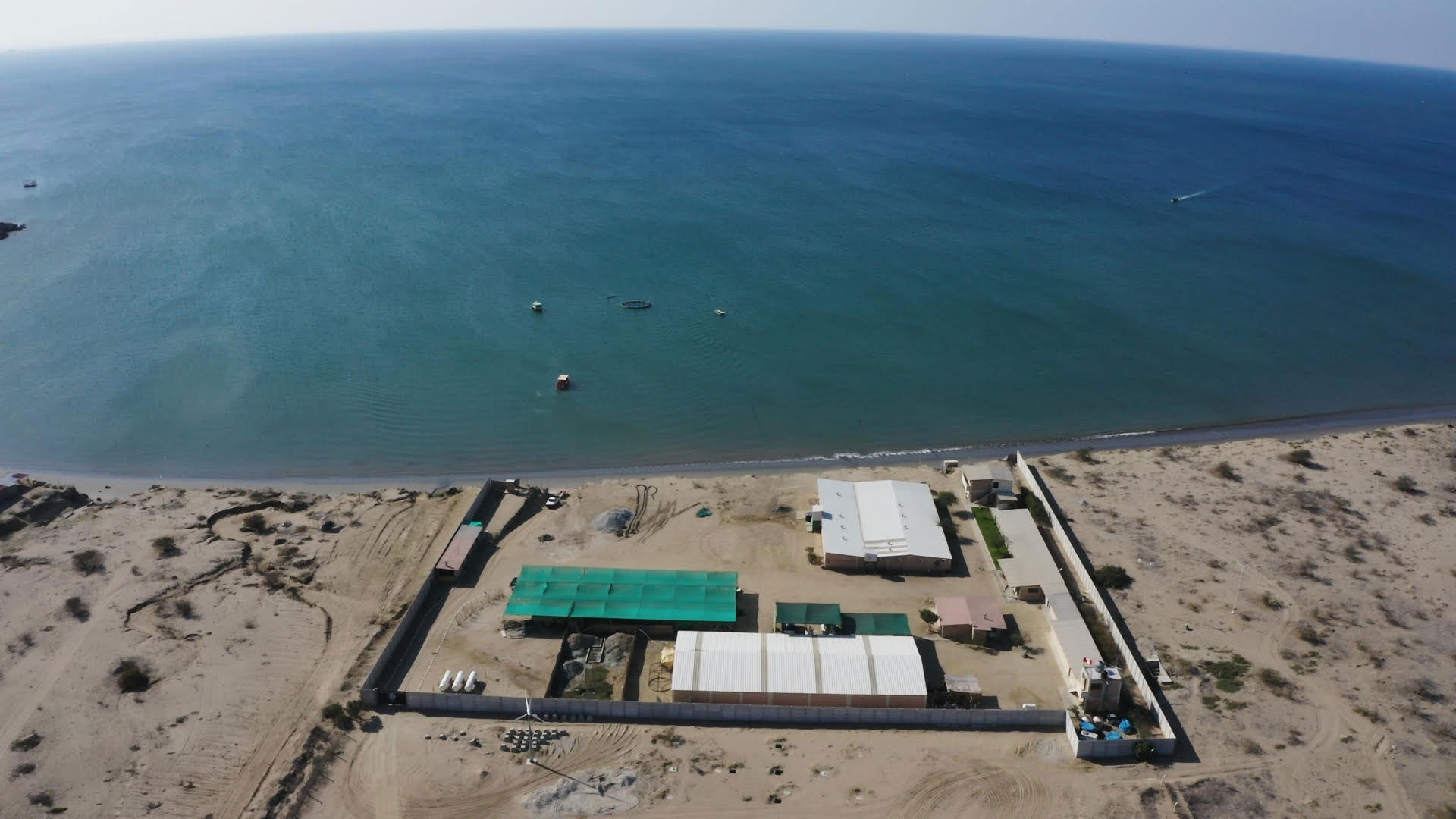
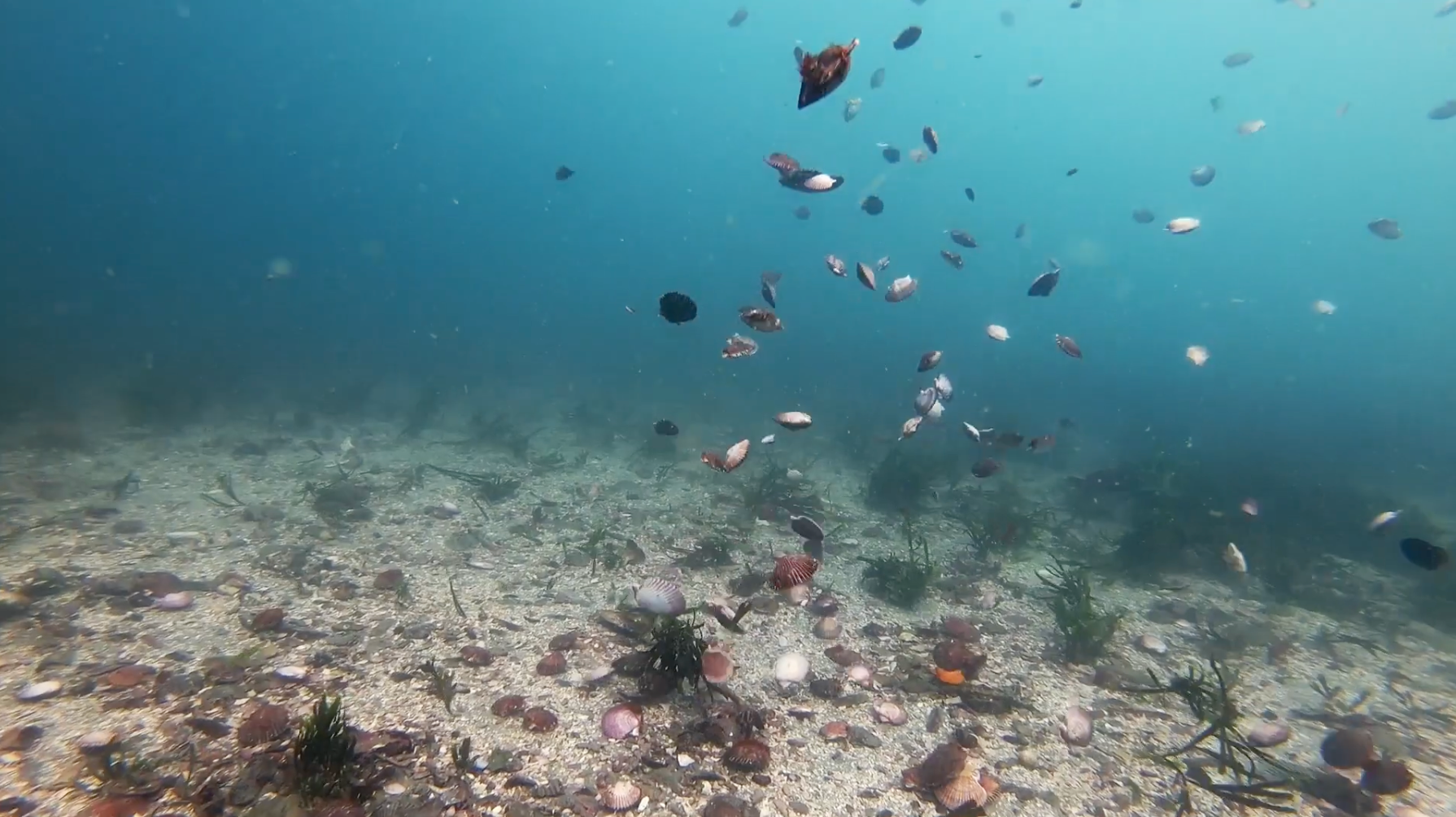
Nestled along the northern coast of Peru, Sechura Bay has supported aquaculture for over a millennium. Enriched by the cold, plankton-dense waters of the Humboldt Current, the bay offers ideal conditions for raising bivalves in harmony with nature. SeaCorp’s farm operates in these pristine waters, where constant tidal movement provides natural filtration and nutrition for scallops without artificial inputs. The region’s unique ecology and cultural heritage make it a remarkable site for regenerative aquaculture—where time-tested knowledge and biodiversity converge to create food that feeds both people and the planet.
A new wave of farming rooted in old wisdom
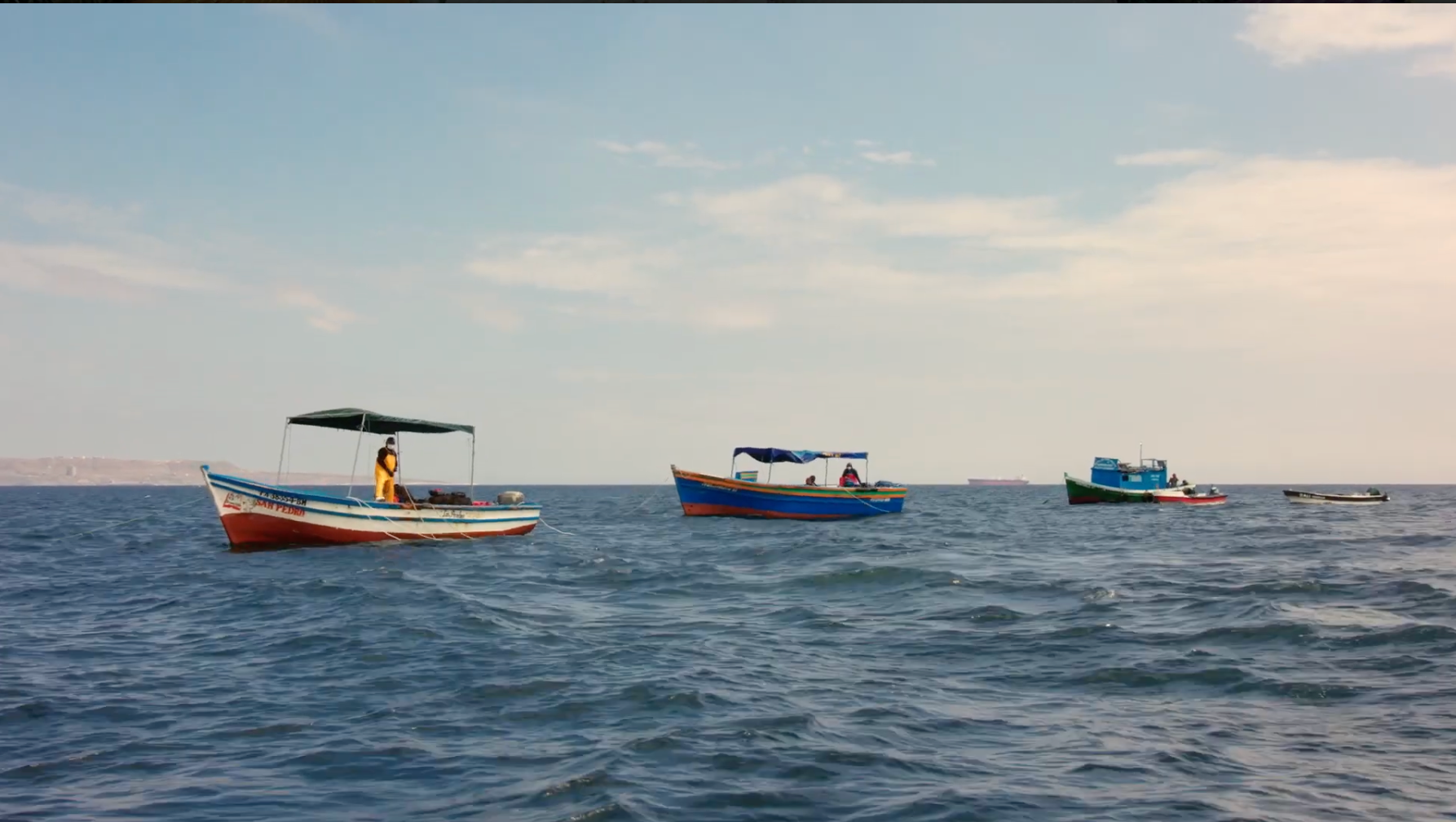
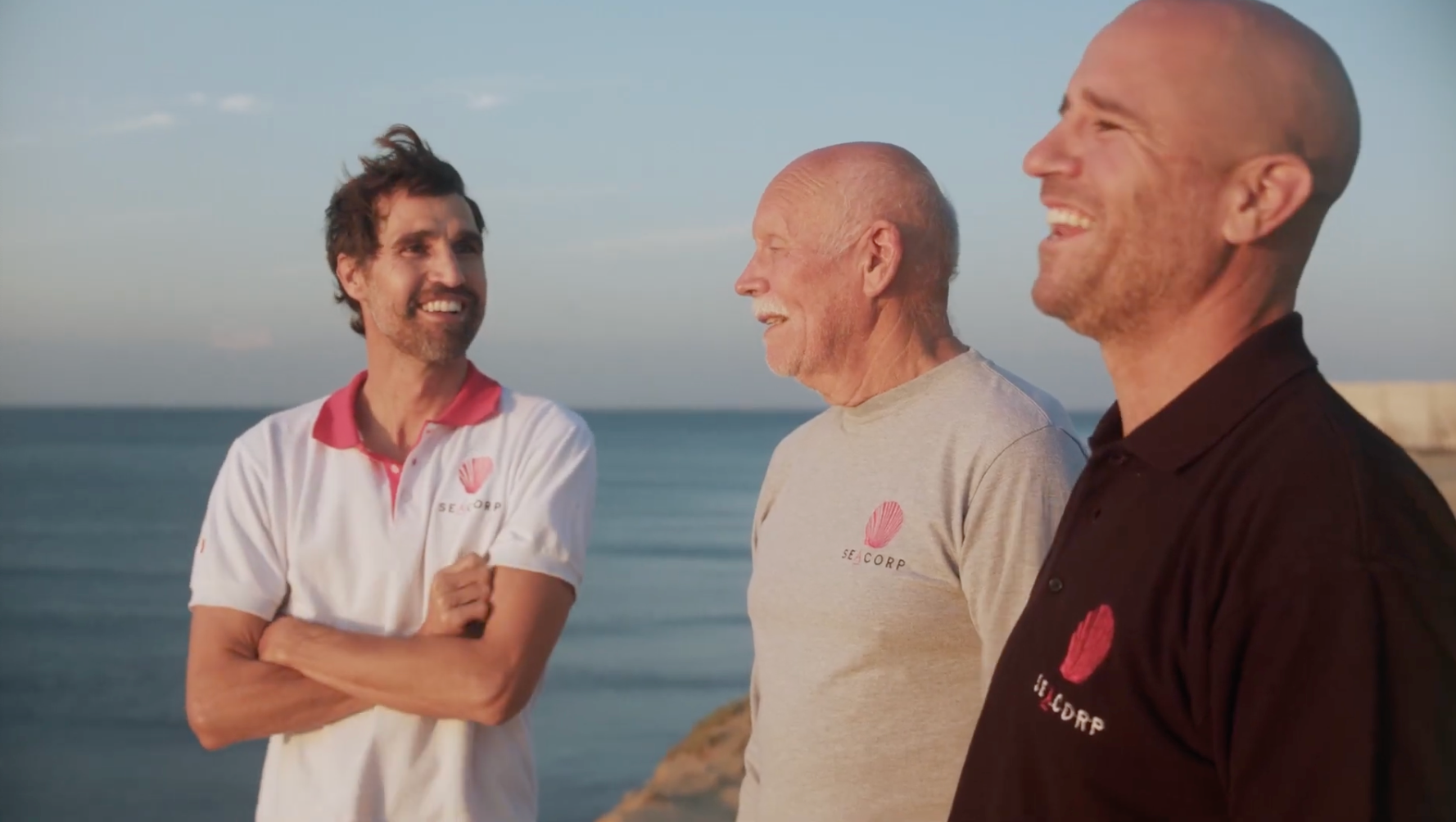
SeaCorp is a Peruvian company founded with a deep commitment to sustainability, community, and culinary excellence. Led by local aquaculture experts and environmental stewards, the team operates from Lima and Sechura with boots on the ground and hearts in the water. The team oversees the entire lifecycle—from hatchery to harvest—ensuring traceability, quality, and environmental integrity at every step. With over 1,000 years of aquaculture history behind them and modern certifications like ASC and Friends of the Sea guiding their work, the people of SeaCorp embody a new generation of seafood farmers rooted in old wisdom and future-forward thinking.
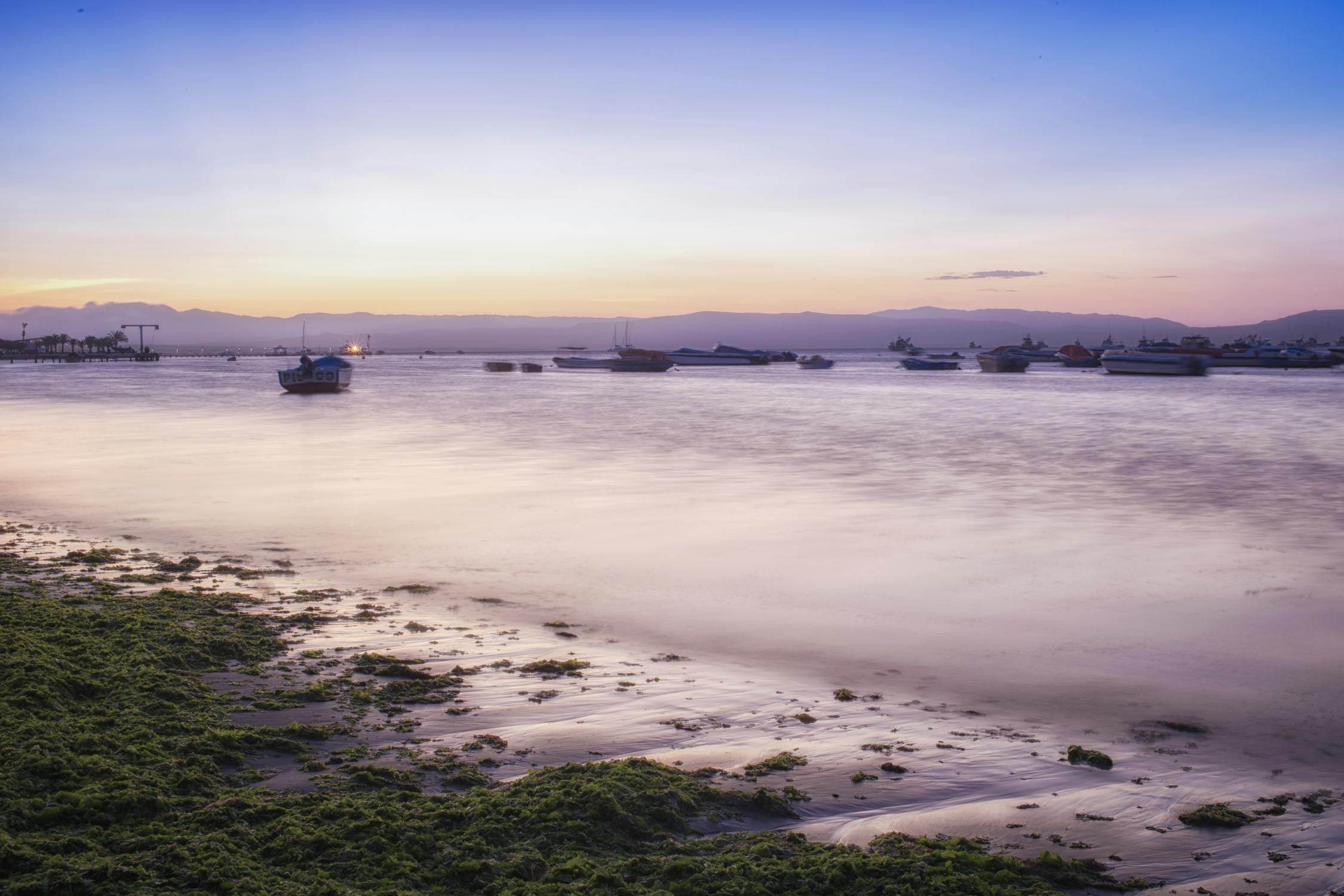
from Seacorp Peru
Peruvian Scallops
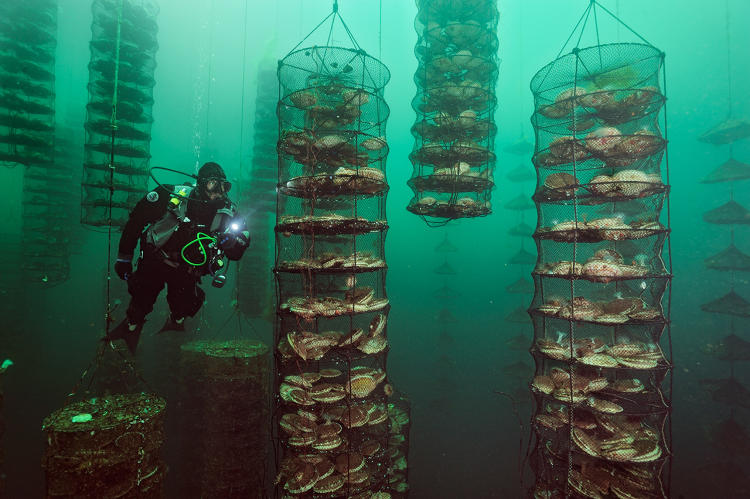
Scallops (Argopecten purpuratus) are unique among bivalves—natural swimmers with up to 200 tiny iridescent eyes and a high glycogen content that gives their meat a signature sweetness. Unlike oysters or clams, which are eaten whole, scallops are prized for their muscle only—the part that gives them power to swim. That glycogen caramelizes beautifully when seared, creating the iconic golden crust chefs crave. Grown suspended in mid-water “lantern nets” away from seabed pollutants, SeaCorp’s scallops filter phytoplankton from clean ocean currents, making them a sustainable, low-impact, and flavorful protein source from the ocean.

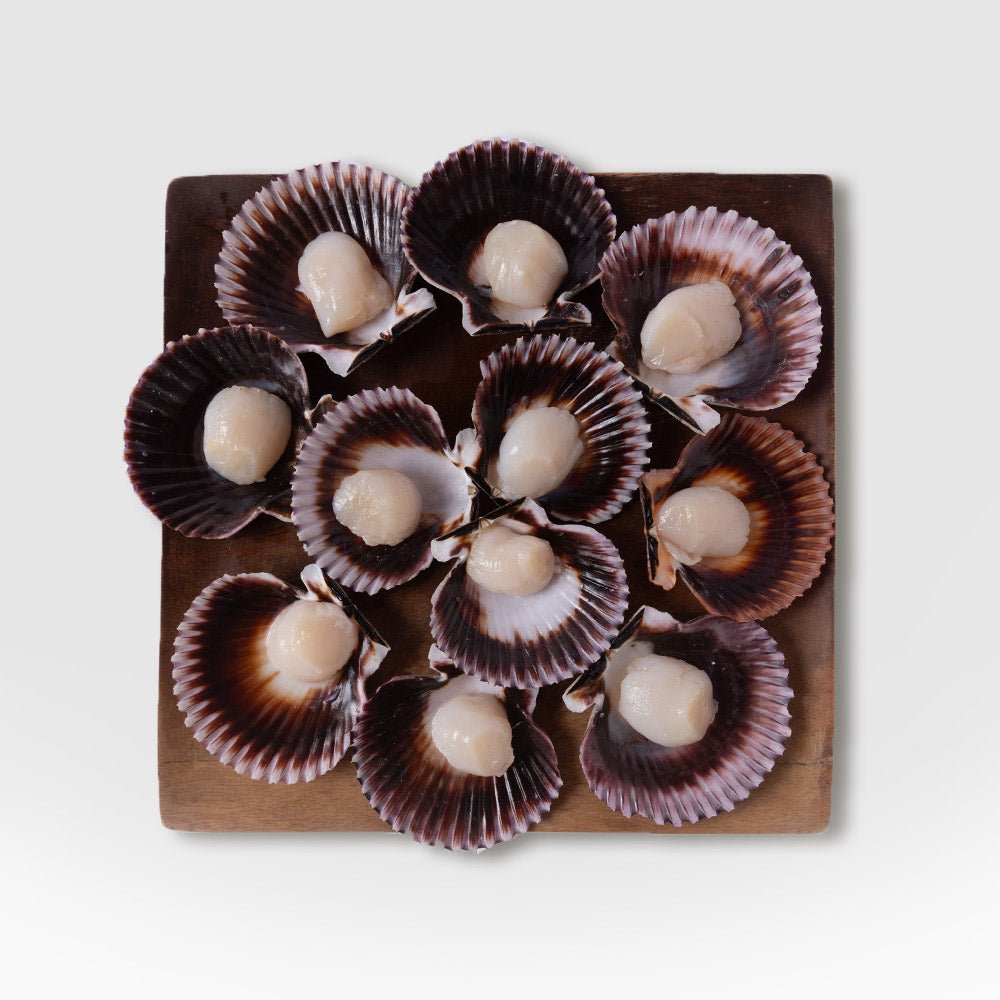
On the half shell. Naturally sweet with a creamy bite — stunning raw, lightly torched, or nestled in citrus-forward ceviches
What do the fish eat? - Fish feed FAQ
Feed is the single biggest factor in how clean and how nutritious a fish is. A fish is built from what it eats, which means the feed decides its omega-3s, its mineral profile, and how much mercury or microplastic it carries. That's why we treat feed as a sourcing requirement rather than a farm detail, and why every farm we work with has to tell us exactly what goes into the pellet.
Feed varies by farm, by species, and by stage of growth. The ingredients and the rules below hold across all of them.
What can be in it?
Algae oil:
The original source of EPA and DHA omega-3s. Fish don't make omega-3s, they accumulate them from what they eat. Algae is where those fats come from in the ocean too.
Marine ingredients (fishmeal, fish oil):
Protein and fats in the form fish evolved to digest. We work to reduce this share over time, not eliminate the nutrition it provides. A large amount of marine ingredients already come from offcuts, meaning parts of fish that are not suitable for human consumption, and so reducing ocean impact further.
Plant proteins (soy, pea, barley, corn, pistachio):
Non-GMO, high-protein, highly digestible. Replaces wild-caught protein without issues for the fish, reducing ocean impact.
Amino acids and minerals:
Fills the specific nutritional gaps plant proteins leave, so nothing is missing from the diet.
Astaxanthin:
A naturally occurring carotenoid, the same one found in kelp, krill and shellfish. It's an antioxidant for the fish and the reason salmon flesh is pink.
What's never in it?
Preventative antibiotics, hormones, GMOs, synthetic colouring agents.
Why is there plant protein in fish feed?
Because the alternative is more wild fish. Aquaculture used to run almost entirely on fishmeal and fish oil, which meant catching enormous volumes of small wild fish to grow larger ones. Swapping part of that for high-protein plants takes pressure off those wild stocks while still giving the fish bioavailable protein.
There's a second reason: wild fish carry what the ocean carries. Less wild fish in the feed means less mercury, fewer microplastics and lower parasite risk arriving in your fillet. A controlled diet is what makes a clean fish possible.
Are the fish dyed?
No. Post-harvest colouring agents are prohibited across everything we sell. Colour comes from astaxanthin in the feed, a natural carotenoid found in kelp, krill and shellfish. Wild salmon get their colour the same way. So do flamingos.
Lab tested to ensure it meet's the Seatopia Standard
SeaCorp’s scallops are raised without any added feed. As filter feeders, they thrive on naturally occurring plankton flowing through the Humboldt Current—a zero-input food source that requires no fishmeal, no antibiotics, and no human intervention. Farming takes place in hanging lantern nets, where scallops are gently suspended off the seafloor for optimal water flow and cleanliness. Within 14 months at sea following a one-month hatchery phase, the scallops are harvested and individually quick frozen within 3 hours—preserving freshness without the use of chemical preservatives like sodium triphosphate. As they grow, their shells lock carbon out of the water column in the form of calcium carbonate, quietly helping mitigate ocean acidification. It’s seafood that’s good for the body, the palate, and the planet.
Seacorp Peruvian Scallop Recipes
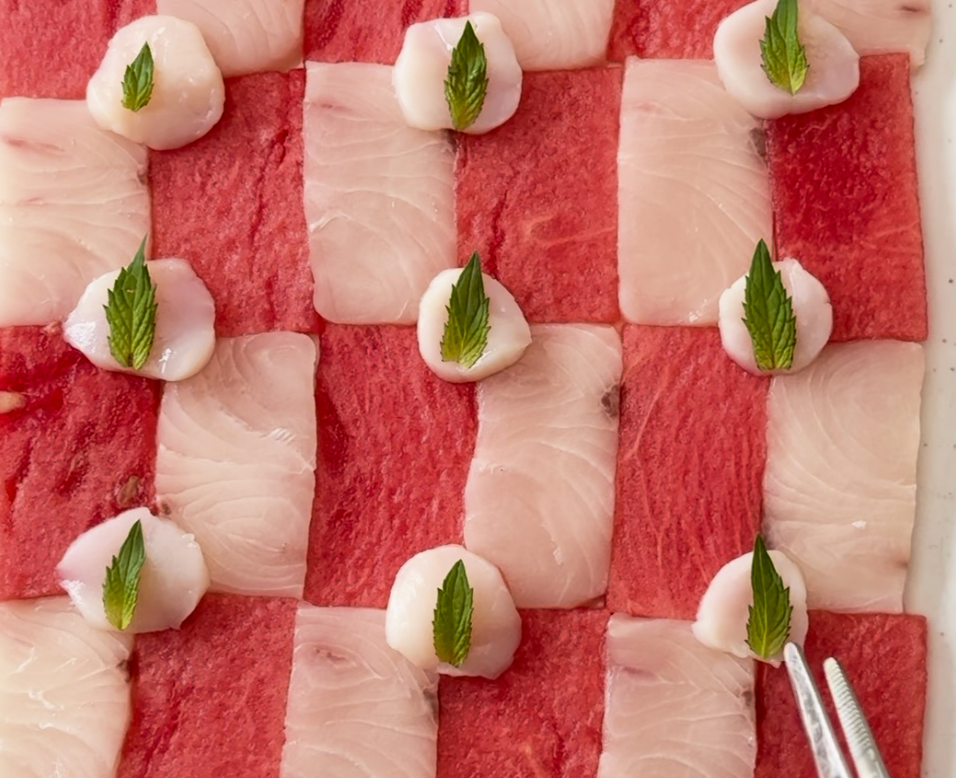
Scallop Crudo with Watermelon
Meticulously cut yellowtail and watermelon with thinly sliced Peruvian scallops for a touch of luxury. The dish is finished with a spritz of citrus ponzu and a sprinkle of homemade seasoning, making it a true masterpiece on the plate.
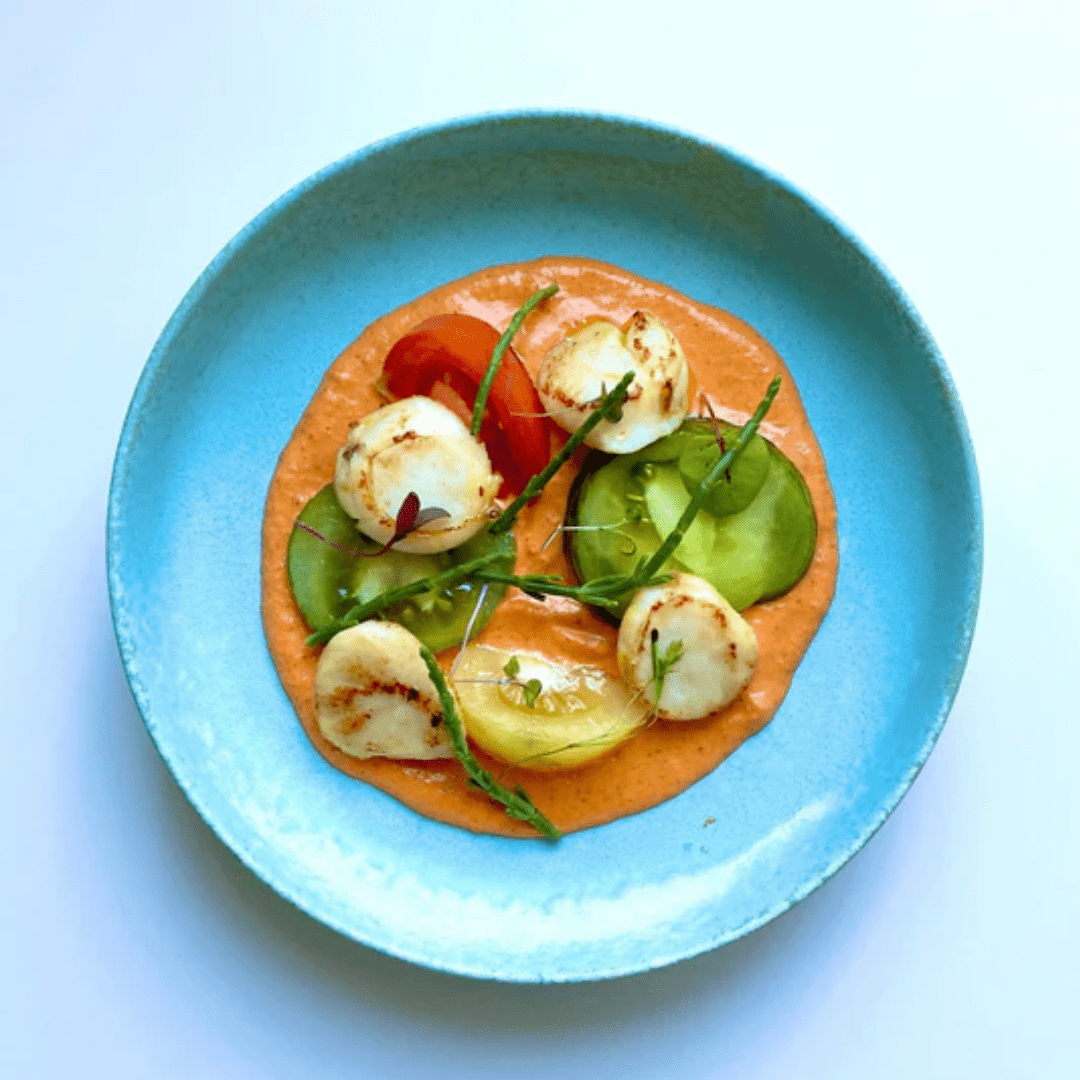
Scallops with Romesco
A super easy light starter to counter the heavy mains of a big dinner. It’s a cold starter (apart from the cooking of the scallops) so the preparation of this dish can be done in advance. There’s a lot of late season tomatoes knocking around in grocery stores. Heritage tomatoes have more bite and texture which works perfect for this dish.
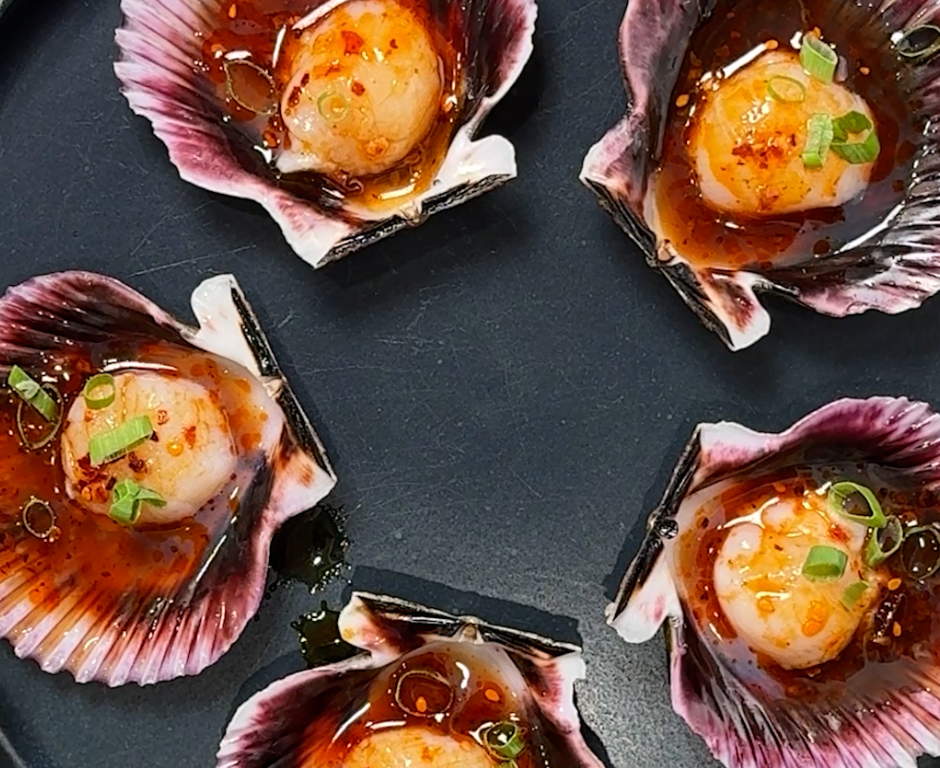
Scallop Crudo with Citrus Soy
Rich in omega-3 fatty acids crucial for optimal brain function and carefully lab-tested to ensure they're low mercury and zero microplastics detected in third-party testing, these scallops offer gourmet indulgence paired with peace of mind.