- by Chef James
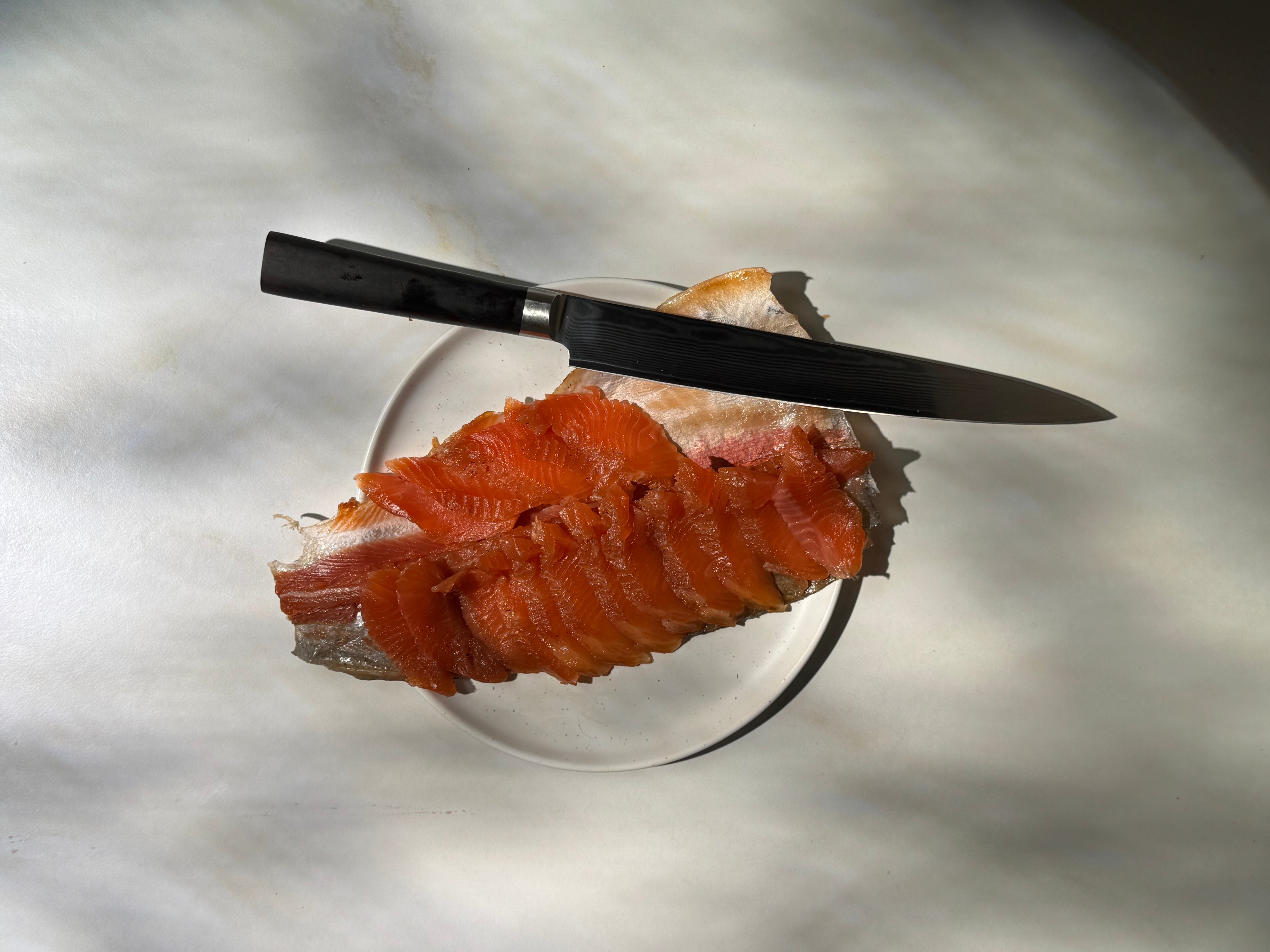
Insect-Cured Steelhead Sashimi
- by Chef James
Halloween celebrates the strange — the unseen, the misunderstood, the things that make us squirm.
But beneath the cobwebs and costumes lies something far older: Samhain, the Celtic festival marking the end of harvest and the beginning of darkness — a season when the veil between worlds thins and we’re reminded that life depends on decay.
At Seatopia, we believe the same is true of our food system. For too long, farmed fish and insects as food have been treated like monsters under the bed of modern nutrition — unfamiliar, unappetizing, maybe even unnatural.
But when we look closely — past the fear and into the biology — we see something else entirely.
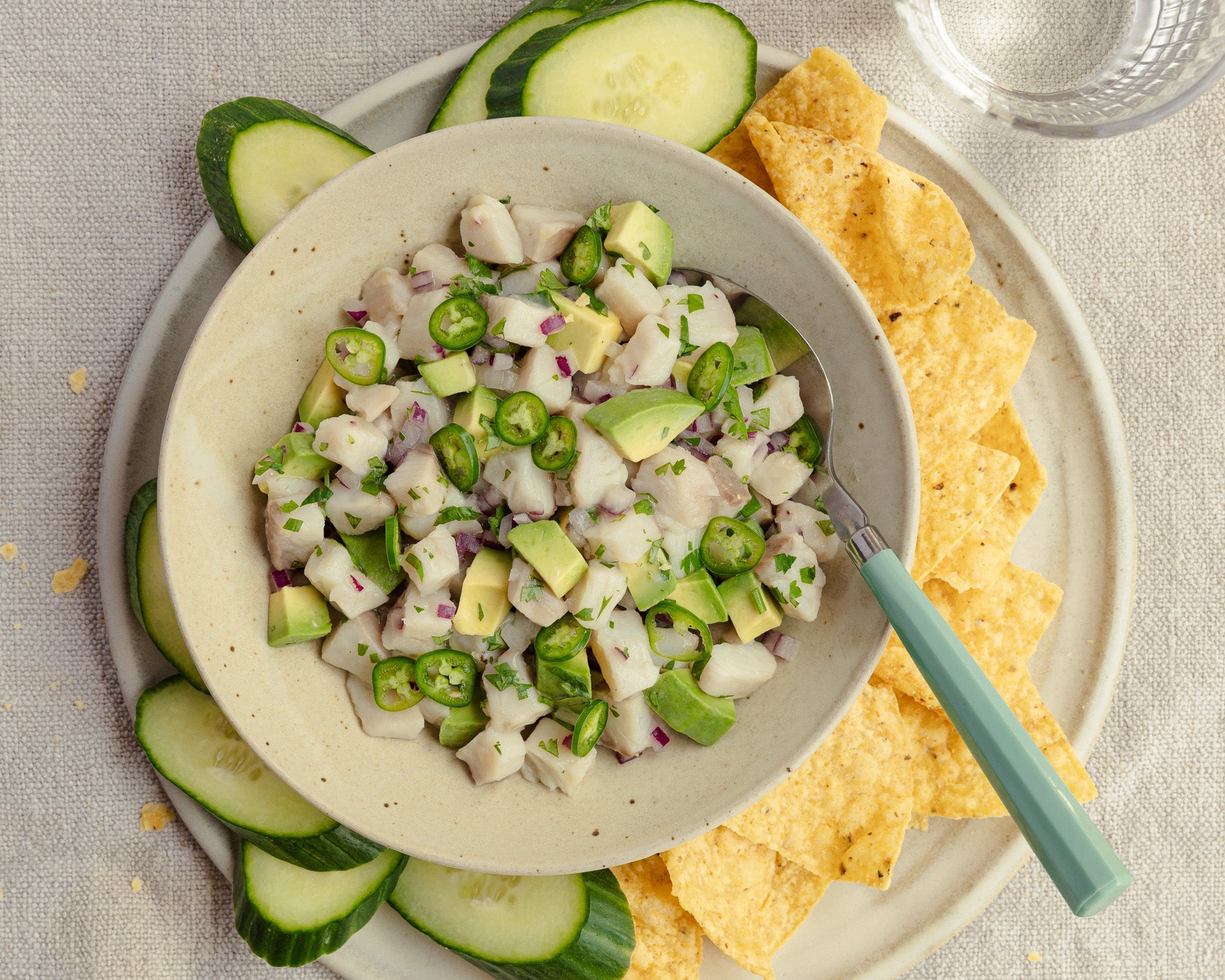
Not a horror story, but a restoration of balance.Make our chef-inspired Citrus Pan-Seared Yellowtail with peach and cucumber—clean, regenerative, sushi-grade seafood tested to the Seatopia Standard™.
Insects and algae are nature’s most efficient recyclers.They convert what’s left behind into life itself — producing clean, nutrient-dense energy with almost no waste.
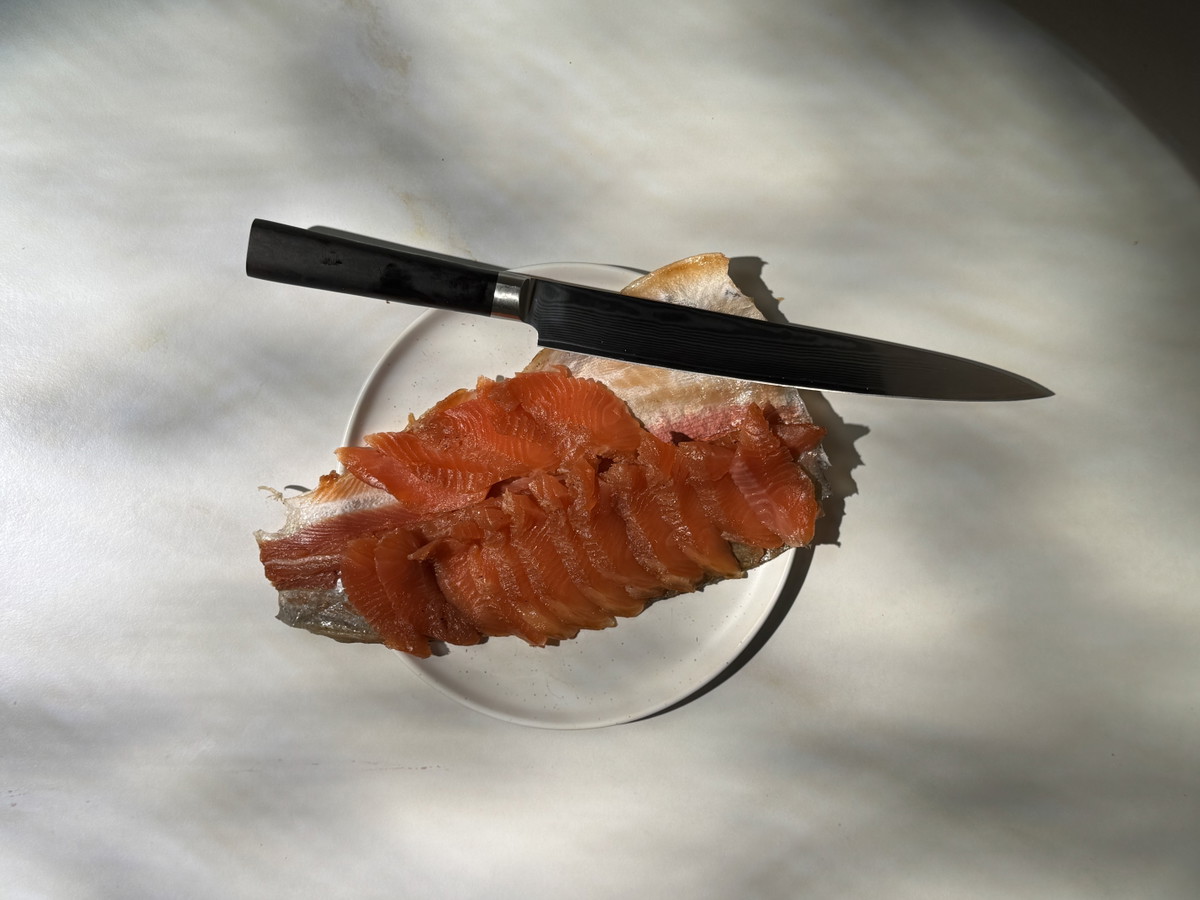
This creation combines the earthy, nutty flavor of Chicatana ants with coconut brown sugar and Seatopia’s pristine steelhead loin. Perfectly cured and sashimi-sliced, this dish is as daring as it is delicious.
Process 100g of Chicatana ants into a fine powder. The flavor profile of Chicatanas includes notes of smoked cacao, nut brittle, and a bold, washed-rind cheese, offering a salty and smoky taste that pairs well with mezcal or in a salsa chicatana
In a bowl, combine the processed ants with 50g of coconut brown sugar and 100g of microplastic-free salt. Mix thoroughly.
Properly defrost the Seatopia steelhead loin in the refrigerator or under cold water. Pat dry with a paper napkin to remove excess moisture. On a sheet of parchment paper, create a bed of the ant cure mixture, ensuring it is evenly distributed.
Lay the steelhead loin on top of the cure mix. Cover the fillet generously with more of the cure mix and a handful of whole Chicatana ants.
Wrap the fish tightly in the parchment paper, burrito-style, ensuring no air can enter. Place the wrapped fish in a hermetically sealed box or container.
After 48 hours, remove the steelhead from the cure and clean thoroughly using water and napkins.
Carefully remove the skin from the fish using a sharp knife.
Use a sashimi knife to slice the steelhead thinly, cutting against the grain for the best texture.
Remove any pin bones using tweezers.
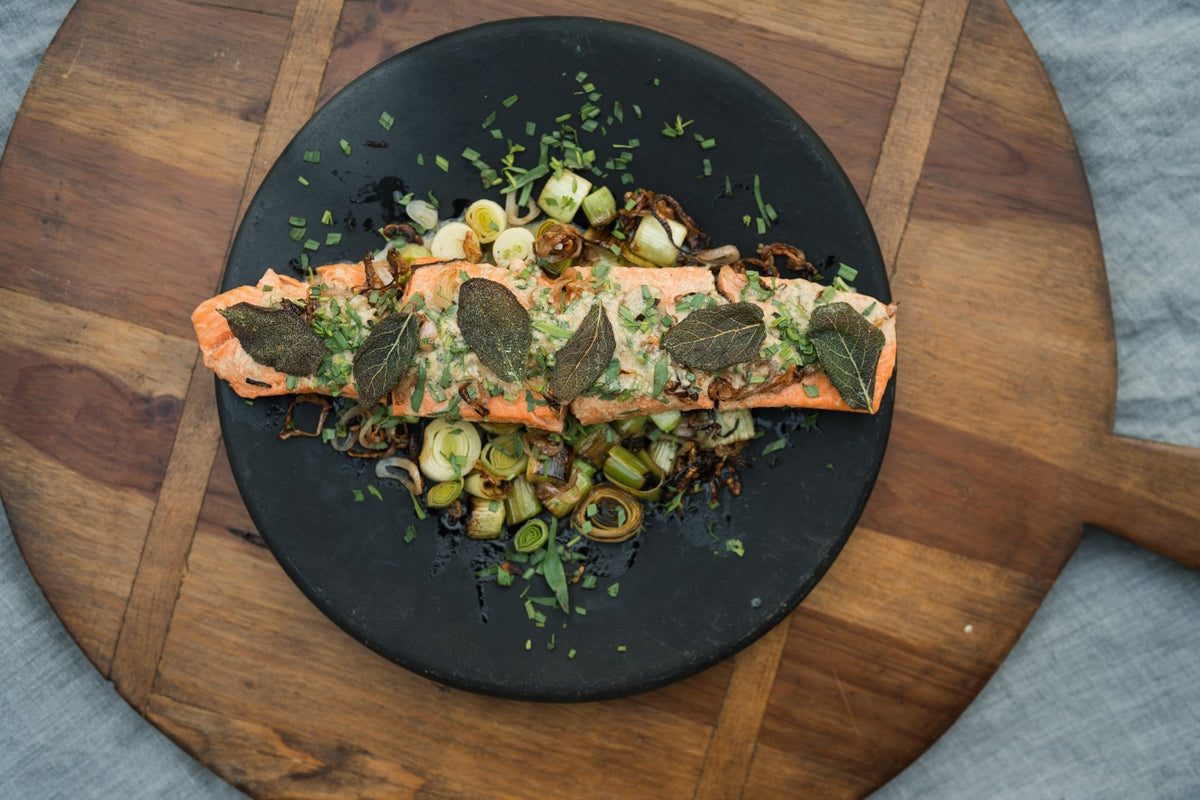
Lay the cleaned fish skin flat on the plate to serve as the base. Place the sashimi slices side by side on top of the skin for a dramatic presentation.
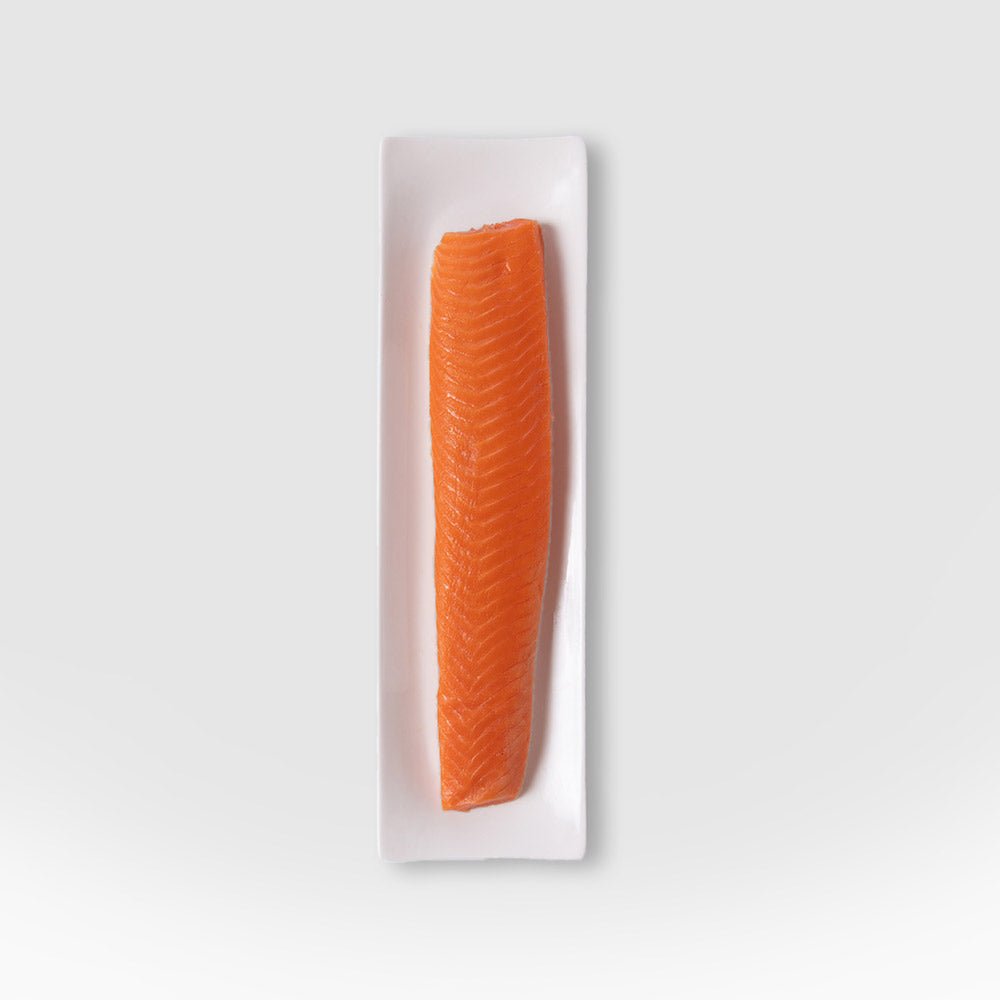
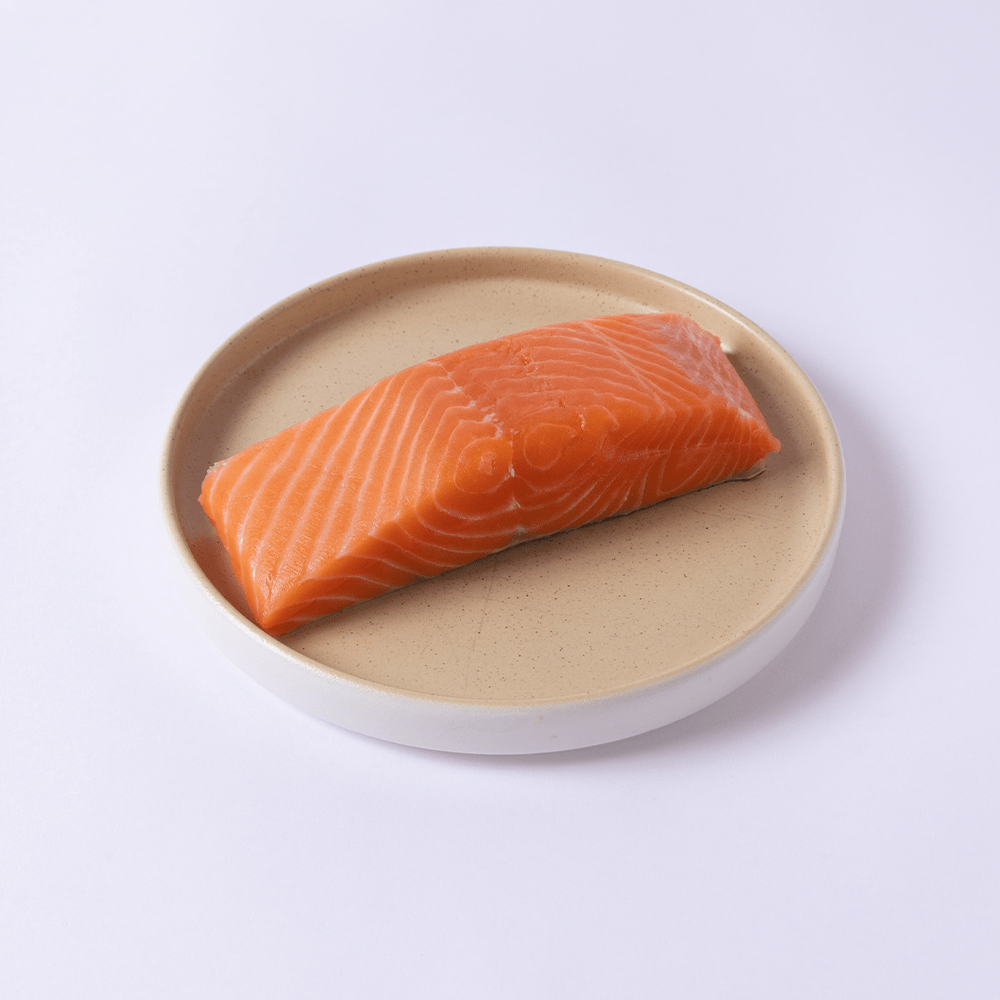
Rich flavor carrying oceanic depth and gentle sweetness across the palate. Contains a selection of King, Atlantic, and Steelhead.
Love this Yellowtail recipe? There's more. We 💙 inspiring you to prepare clean seafood at home. Don't forget forget, every Seatopia box comes with a FREE Virtual Cooking Class where you will learn more about preparing delicious Yellowtail fish recipes at home.
“Yellowtail” is a common name that refers to several species of amberjack fish in the Seriola genus. These fish are known for their firm texture, rich flavor, and signature yellow stripe or tail.
Almost! Hamachi is the Japanese name for Seriola quinqueradiata, also called Japanese yellowtail. It’s typically a younger fish (harvested at ~10–15 lbs) with a buttery, delicate flavor—often used in sushi.
Dutch yellowtail – also Seriola lalandi, sustainably farmed in the Netherlands under pristine conditions. Seatopia sources this variety—it’s clean, regenerative, and sushi-grade.
California yellowtail – Seriola dorsalis, a wild Pacific species found off the U.S. West Coast, often used in poke or grilled dishes.
The best sushi-grade yellowtail comes from clean, low-density farms like those partnered with Seatopia—where fish are raised without antibiotics or pollutants and lab-tested for mercury and microplastics.
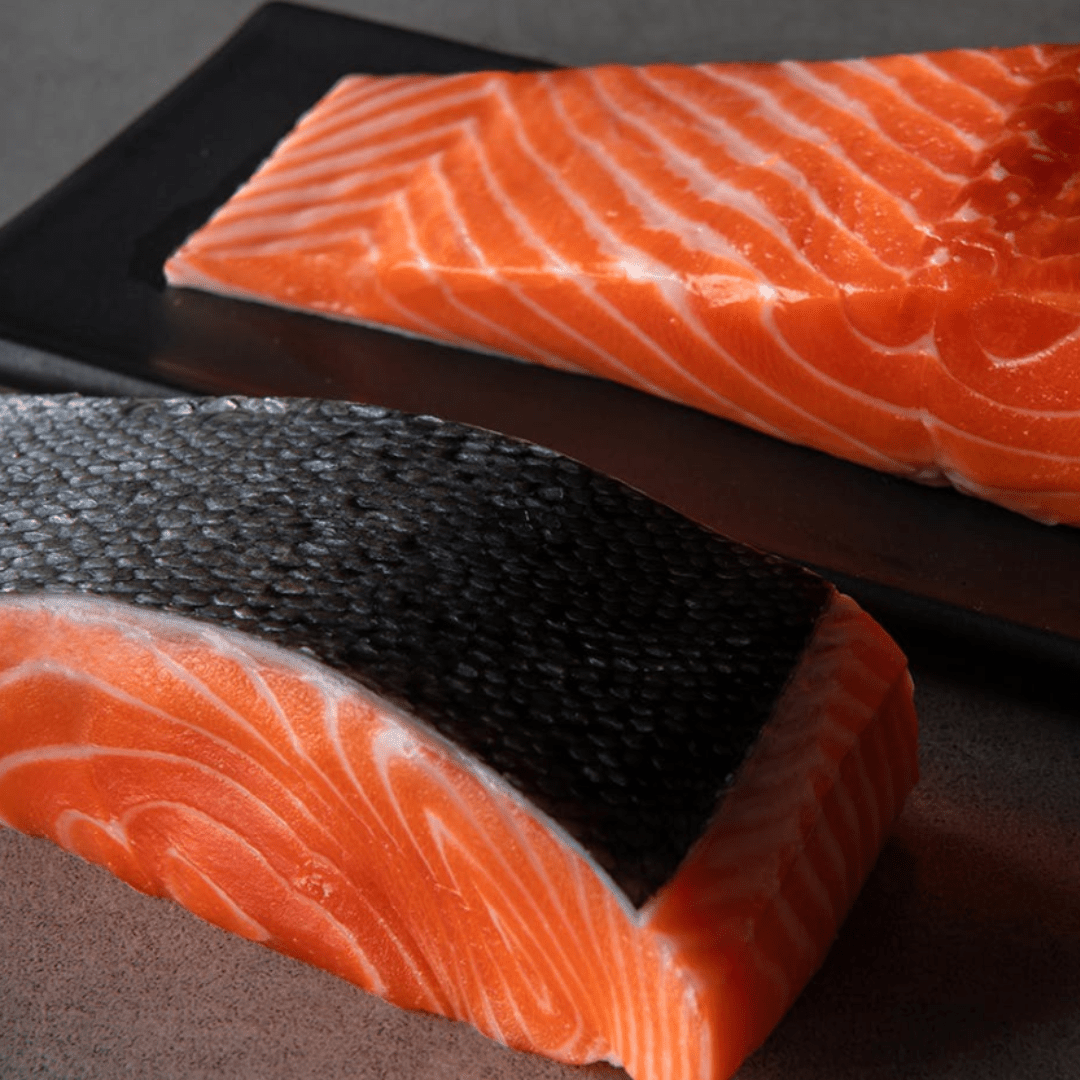
Rich flavor carrying oceanic depth and gentle sweetness across the palate. Contains a selection of King, Atlantic, and Steelhead.

A celebration of clean flavor and coastal elegance. Contains salmon, whitefish, and peruvian scallops.
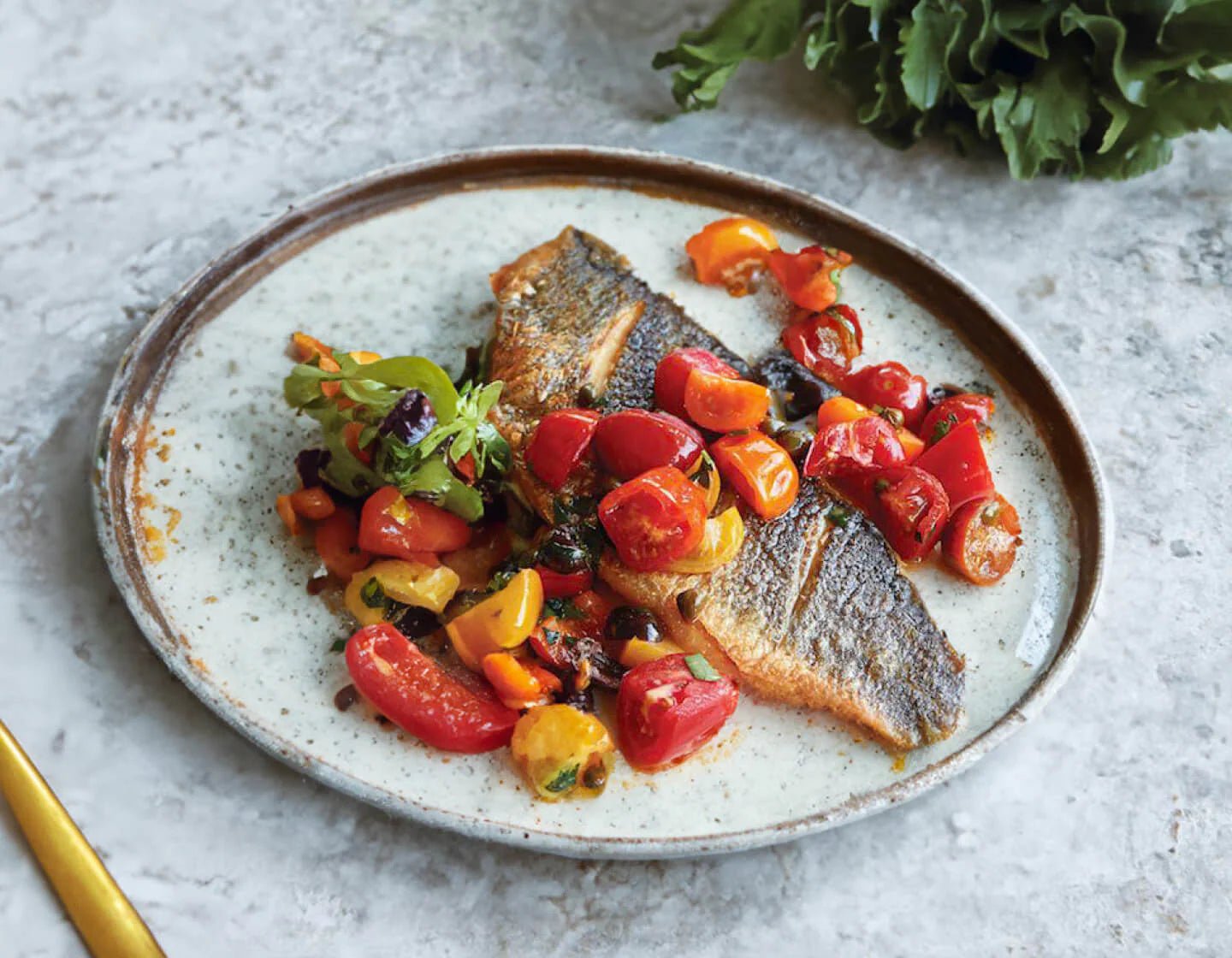
Expressive flavors from the clean, flavorful fish. Contains a selection of bream, branzino, yellowtail, and barramundi.