- by Miriam Thom
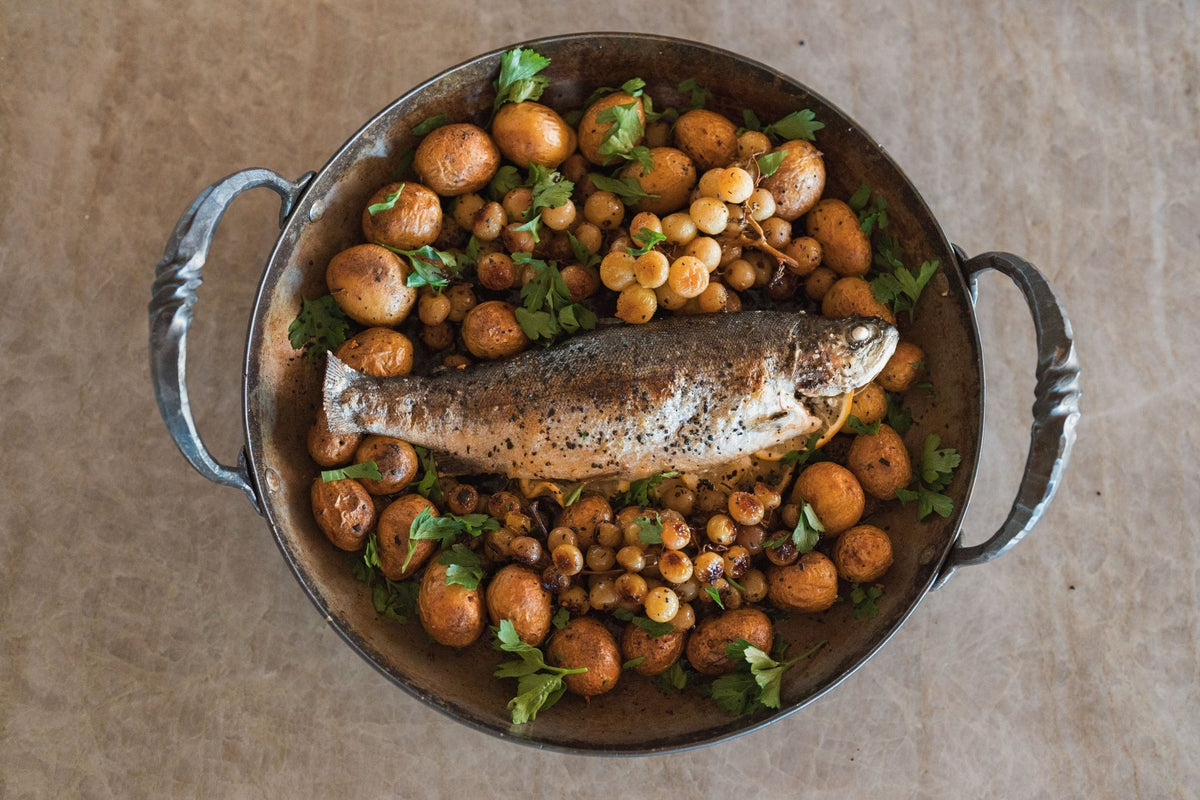
Whole Roasted Trout with Blistered Grapes and Baby Potatoes
- by Miriam Thom

From the Seatopia kitchen In-house
Recipe by Miriam Thom
Culinary Education at Seatopia — she develops the recipes that ship with the boxes and teaches the member cooking classes
Serves 2 · about 50 minutes · one sheet pan, one small skillet for the almond butter
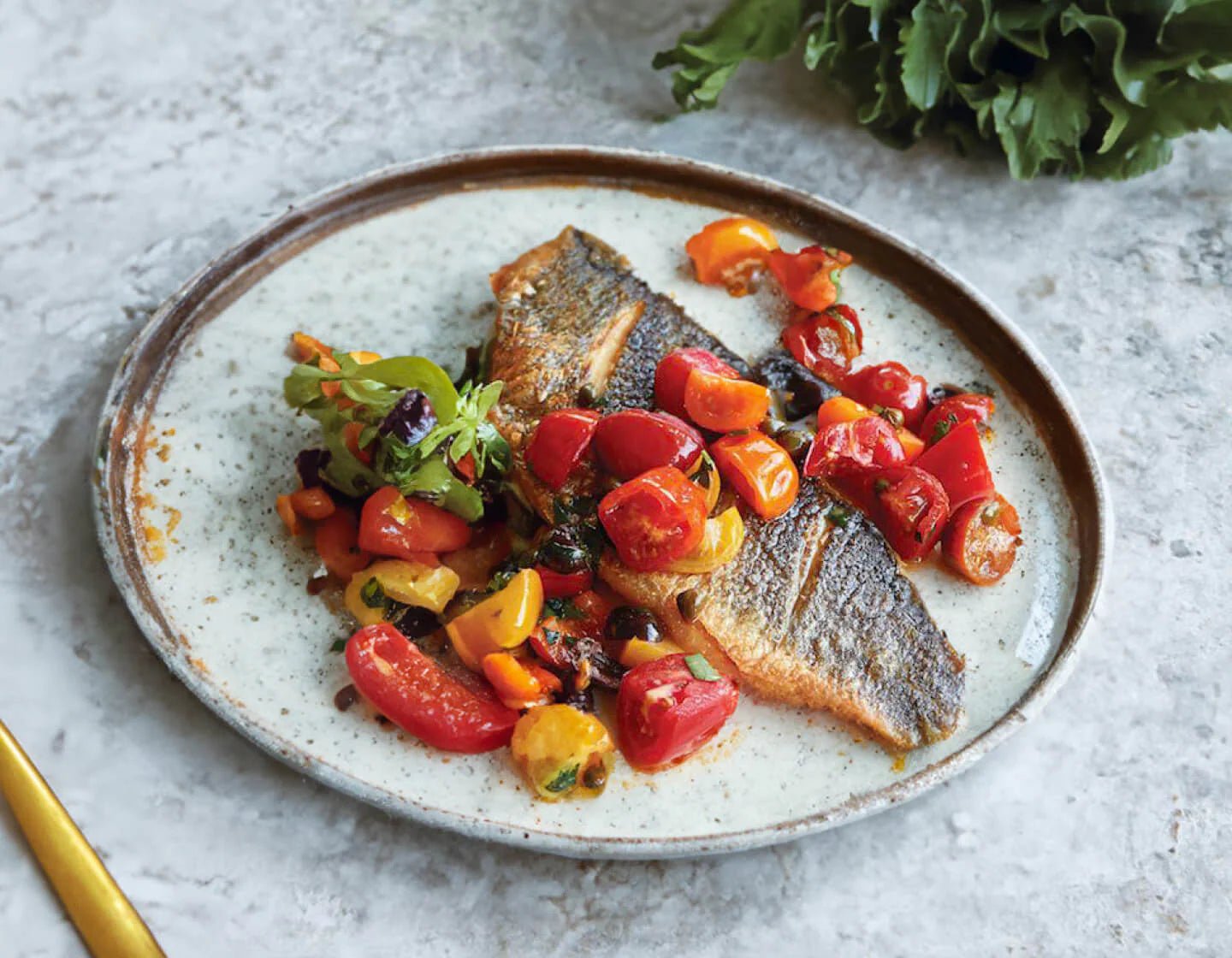
Parboiled potatoes and burnished grapes wrap a border around an aromatic, stuffed trout. If you feel intimidated by cooking a whole fish, this is a great recipe to put that anxiety at ease — it is really just two moves: give the potatoes a head start so everything lands at once, then a flash under the broiler to blister the grapes.
The result is flawless fish alongside the most unexpected duo of grapes and potatoes. And the part nobody tells you about — getting a whole trout off the bone at the table — is three movements, which is further down the page.
About 50 minutes
Fifteen minutes of prep and thirty-five in the oven, nearly all of it unattended. The only moments that need you are the two additions and the broiler.
Serves 2
One whole trout, with the potatoes and grapes doing real work rather than sitting alongside as a garnish. It comes to the table in the pan it roasted in.
Nothing goes in together
Potatoes at zero, fish at fifteen minutes, grapes at twenty-seven, broiler at the very end. That stagger is the recipe.
135°F, behind the head
The one number to measure. Slash the flesh before it goes in and you get a window to check the flake without taking the fish apart.
One pan, three different clocks
A whole trout, halved baby potatoes and grapes want very different amounts of oven, and the only difficulty in this dish is getting all three to finish together. Stagger them and it is genuinely easy. Put them all in at once and you get one of three failures, every time.
Baby potatoes — in first 0 min
About 38 minutes of oven in total. They get a 15-minute head start alone, and halved they need every bit of it — potatoes are the only thing here that is forgiving at the top end.
The trout — joins at 15 min Start the clock
About 23 minutes. A stuffed 12 oz whole fish at 425°F needs it. Twelve minutes, which is the number people reach for, leaves it raw along the spine.
The grapes — join at 27 min Last
Ten to twelve minutes, no more. Put them in with the potatoes and they spend nearly half an hour in the oven and collapse into jam. You want them holding their shape and just splitting.
The broiler — final 1–2 min Watch it
Long enough to blister and caramelise the grape skins, short enough not to scorch the fish. Broilers vary more than ovens do, so stand there and watch rather than trusting a timer.
Ratings are how much oven each component wants, not how much attention. The trout is the one to measure: 135°F at the thickest part behind the head, and the flesh should flake when you look into one of the slashes.

Miriam Thom
15 minutes
35 minutes
Parboiled potatoes and burnished grapes wrap a border around an aromatic, stuffed trout. If you feel intimidated by cooking a whole fish, this is a great recipe to put that anxiety at ease — it's really just two moves: give the potatoes a head start so everything lands at once, then a flash under the broiler to blister the grapes. The result is flawless fish alongside the most unexpected duo of grapes and potatoes.
Serves 2 — one whole trout, with the potatoes and grapes doing real work. About 50 minutes.

Heat the oven to 425°F.
Toss the potatoes with 2 tbsp olive oil, 2 rosemary sprigs, 2 smashed garlic cloves and a generous pinch of salt. Spread them on a sheet pan and roast for 15 minutes.
Meanwhile, pat the trout very dry inside and out. Slash the flesh two or three times on each side, cutting down to the bone — it helps the fish cook evenly and gives you somewhere to check it later. Season generously with salt inside and out, and rub the skin with the remaining 1 tbsp olive oil. Stuff the cavity with half the lemon, sliced, plus the remaining 2 rosemary sprigs and 2 garlic cloves.
Push the potatoes out to the edges of the pan and lay the trout down the middle. Roast for 12 minutes.
Scatter the grapes among the potatoes and roast 8–10 minutes more, until the trout reads 135°F at the thickest part behind the head and the flesh flakes when you look into one of the slashes. Switch on the broiler for 1–2 minutes, until the grapes blister and start to caramelise — watch it closely, broilers vary.
While the fish finishes, melt the butter in a small skillet over medium heat. Add the almonds, chopped rosemary and Urfa pepper and cook, swirling, until the almonds are golden and the butter smells nutty, 3–4 minutes.
Let the trout rest on the pan for 3–4 minutes. Transfer everything to a serving platter, spoon the almond butter over the top, and finish with parsley and a squeeze of lemon.
One whole trout, head-on and gutted, from Smoke in Chimneys. Everything else on the pan is a greengrocer — potatoes, grapes, a lemon and some rosemary.

Freshwater elegance — tender, nutty, and superb when pan-fried with herbs or gently smoked
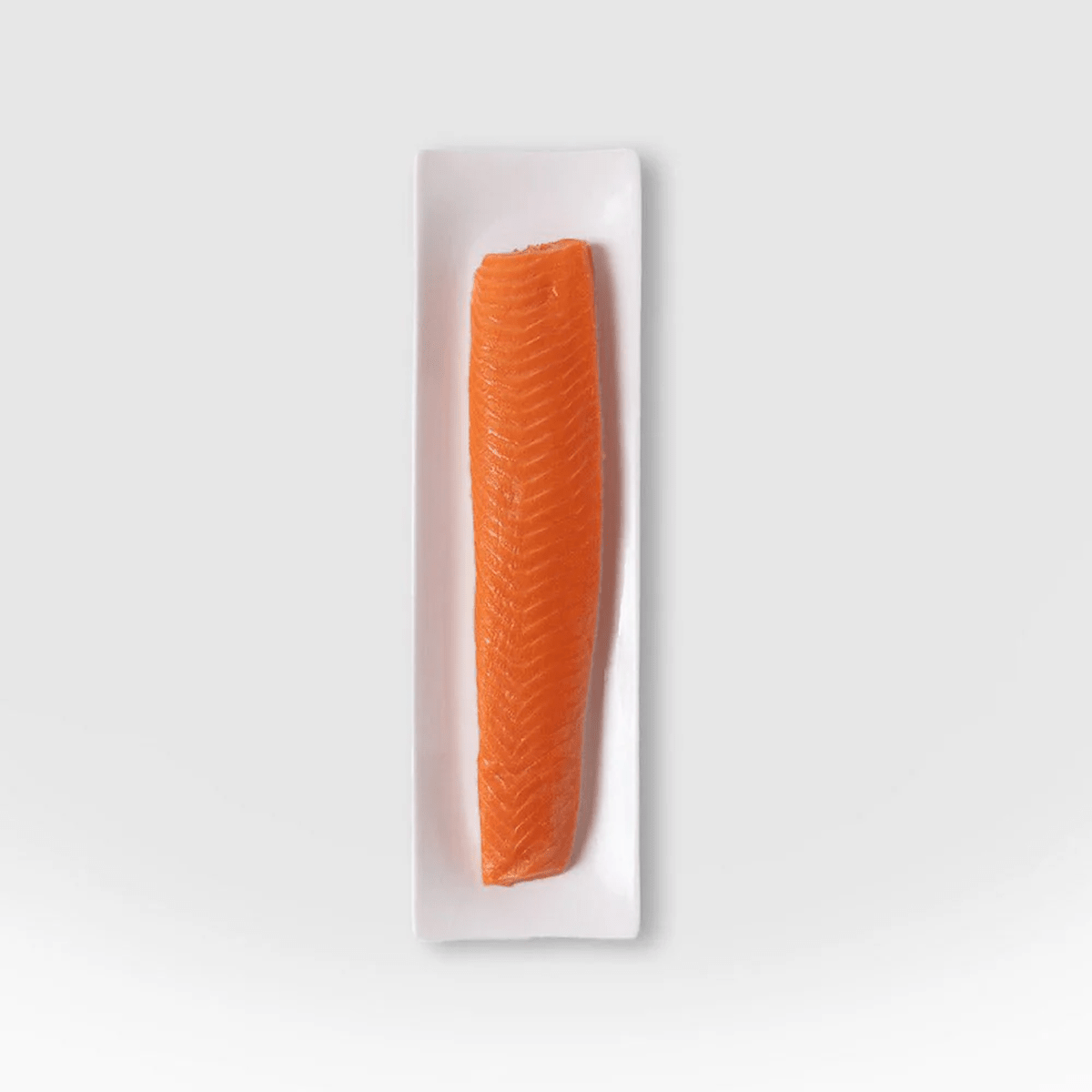
Silken texture and bright flavor — sushi-grade and sensational for sashimi, crudos, or poke bowls
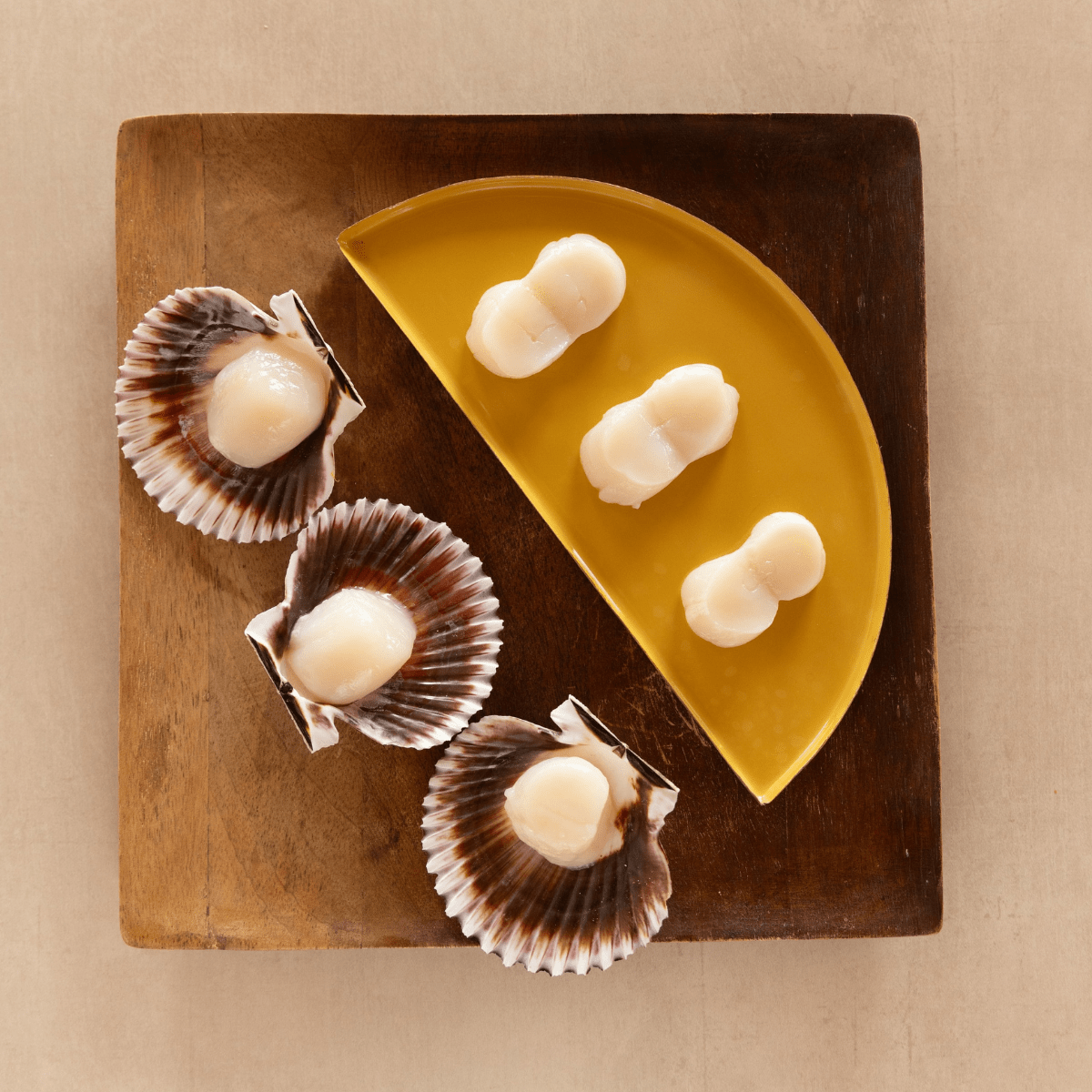
A celebration of clean flavor and coastal elegance. Contains salmon, whitefish, and peruvian scallops.
The part that actually intimidates people
Roasting a whole fish is easy. Serving one is where most people lose their nerve, and it is the reason whole fish stays a restaurant order rather than a Tuesday. A cooked trout comes apart along its own structure — you are not carving anything, you are unbuttoning it. Do this at the table and it looks like a trick.
One shallow cut along the length of the backbone, from behind the head to the tail. You are scoring a seam, not cutting through — the knife should stop when it meets bone.
Slide the knife flat under the fillet and lift it off in one piece. It should come away cleanly; the bones all run the other direction. Set it on a plate.
Take the tail end of the backbone and lift the whole frame up and away. The head comes with it, the bottom fillet stays on the platter, and you are done.

The stagger is fixed. What sits on the pan is not — the method works for any whole fish of about this size, and for most firm fruit you would happily roast.
| As written | Closest swap | If you are improvising | |
|---|---|---|---|
| The fish | 1 Whole Trout (12 oz), head-on and gutted | Branzino or sea bream, whole, same size | Two 6 oz fillets — skip the stagger and give them 12–14 minutes total |
| The potatoes | ¾ lb baby potatoes, halved | Fingerlings, split lengthways | Any waxy potato in bite-size pieces; floury ones fall apart on the pan |
| The grapes | 1 cup seedless red or purple | Green grapes — less colour, same blister | Halved fresh figs or plums, added at the same point |
| The nut | ¼ cup sliced almonds | Pine nuts, watched closely — they catch fast | Chopped hazelnuts, or pepitas for a nut-free version |
| The Urfa | ½ tsp Urfa pepper | Aleppo pepper, a little brighter | Smoked paprika with a pinch of chili — different, but the same job |
| The herb | Rosemary in the pan and cavity | Thyme, used the same way | Oregano or bay in the cavity; keep rosemary for the potatoes |
| The finish | Parsley and a squeeze of lemon | Chervil, or dill for something softer | A spoonful of aioli at the table, or good olive oil poured over |

Two or three cuts on each side, down to the bone. It is not decorative. A whole fish is thick behind the head and thin at the tail, and the slashes let heat into the deepest part so the whole thing finishes at roughly the same moment instead of overcooking at one end.
They also give you somewhere to look. Rather than hacking into the fish to see whether it is done, you open one slash and check whether the flesh flakes — alongside 135°F at the thickest point, that is the whole doneness test.
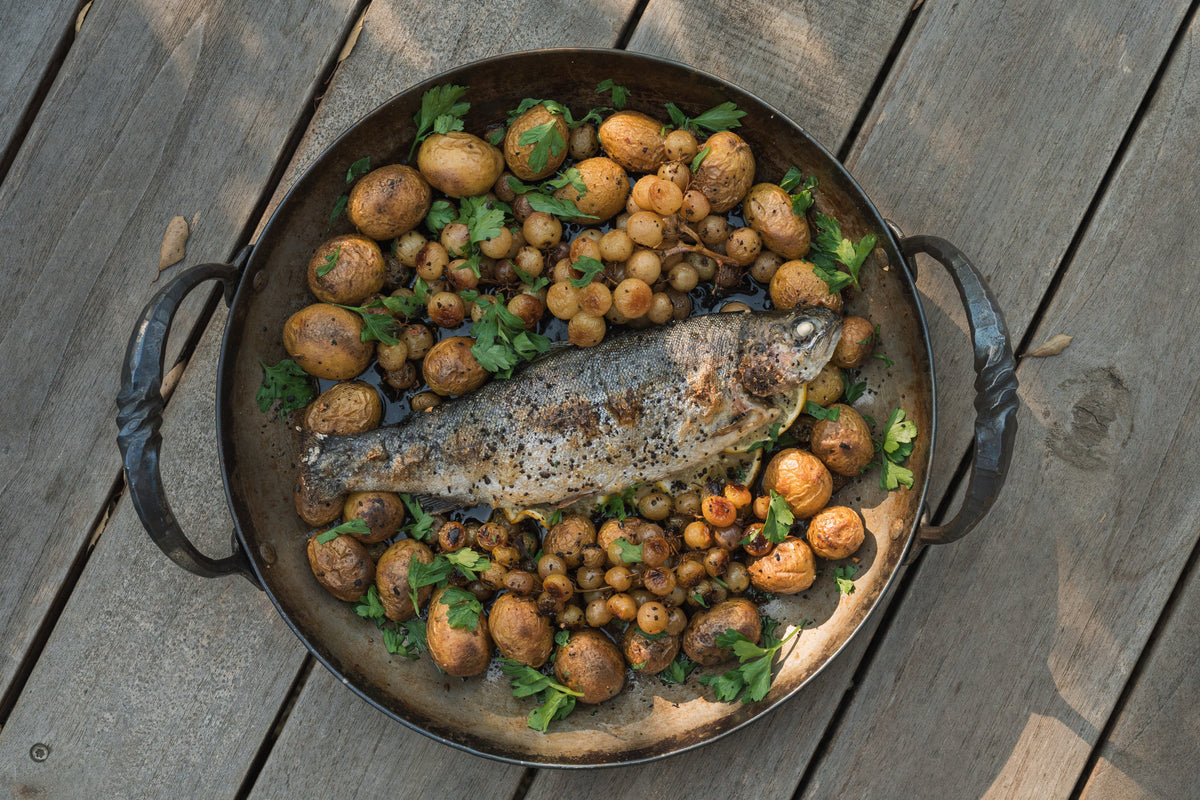
The bones and skin do the work a fillet needs you to do for it. Cooked on the frame, the flesh keeps its moisture and picks up everything in the cavity — lemon, rosemary, garlic — from the inside out. It is also the cheaper way to buy fish per edible ounce, and it is the format that makes a sheet pan look like an occasion.
This one is sashimi-grade, blast-frozen to −10°F at harvest and vacuum sealed. Every supplier is tested before we approve them, then randomly audited to ensure consistent compliance with the Seatopia Standard — third-party lab tested for nutrition, mercury and microplastics, and sourced from best-in-class aquaculture. The Urfa pepper in the almond butter also turns up in our Urfa pepper king salmon, if you want another use for the jar.
Yes, and for a specific reason: a sheet pan gives you no chance to fuss. There is no flipping, no pan to stick to and no window where it can go wrong quickly. The roasting is easier than a fillet. The only genuinely new skill is getting it off the bone afterwards, and that is three movements — see the section above.
135°F at the thickest part, just behind the head, which is the last place to come up to temperature. Without a thermometer, look into one of the slashes you cut before roasting — the flesh should be opaque and flake away from the bone rather than clinging to it.
You can, and you will get one of three problems. The grapes will have spent nearly half an hour in the oven and collapsed into jam, or the fish will be raw at the spine, or the potatoes will be undercooked. The stagger exists precisely because the three want different amounts of heat.
Really. Roasted, they stop being sweet in a fruit way and turn jammy and slightly savoury — closer to a warm dressing than to dessert. They burst against the potatoes and the almond butter, and the acidity does the same job a squeeze of lemon would. It is the least obvious thing on the pan and the thing people ask about.
No, but it helps. The head holds the cavity open so the aromatics stay put, it gives you something to grip when you lift the skeleton out, and it keeps moisture in the collar, which is the best bite on the fish. If it bothers you at the table, take it off after roasting rather than before.
Overnight in the refrigerator in the sealed pack, about 12 hours, then pat it very dry inside and out. In a hurry, submerge the sealed pack in a bowl of chilled water for 20 to 30 minutes, changing the water once. Never at room temperature.
Recipes from our kitchen and from the people who cook with us. Every Seatopia box includes a FREE virtual cooking class where we work through a dish like this one together.

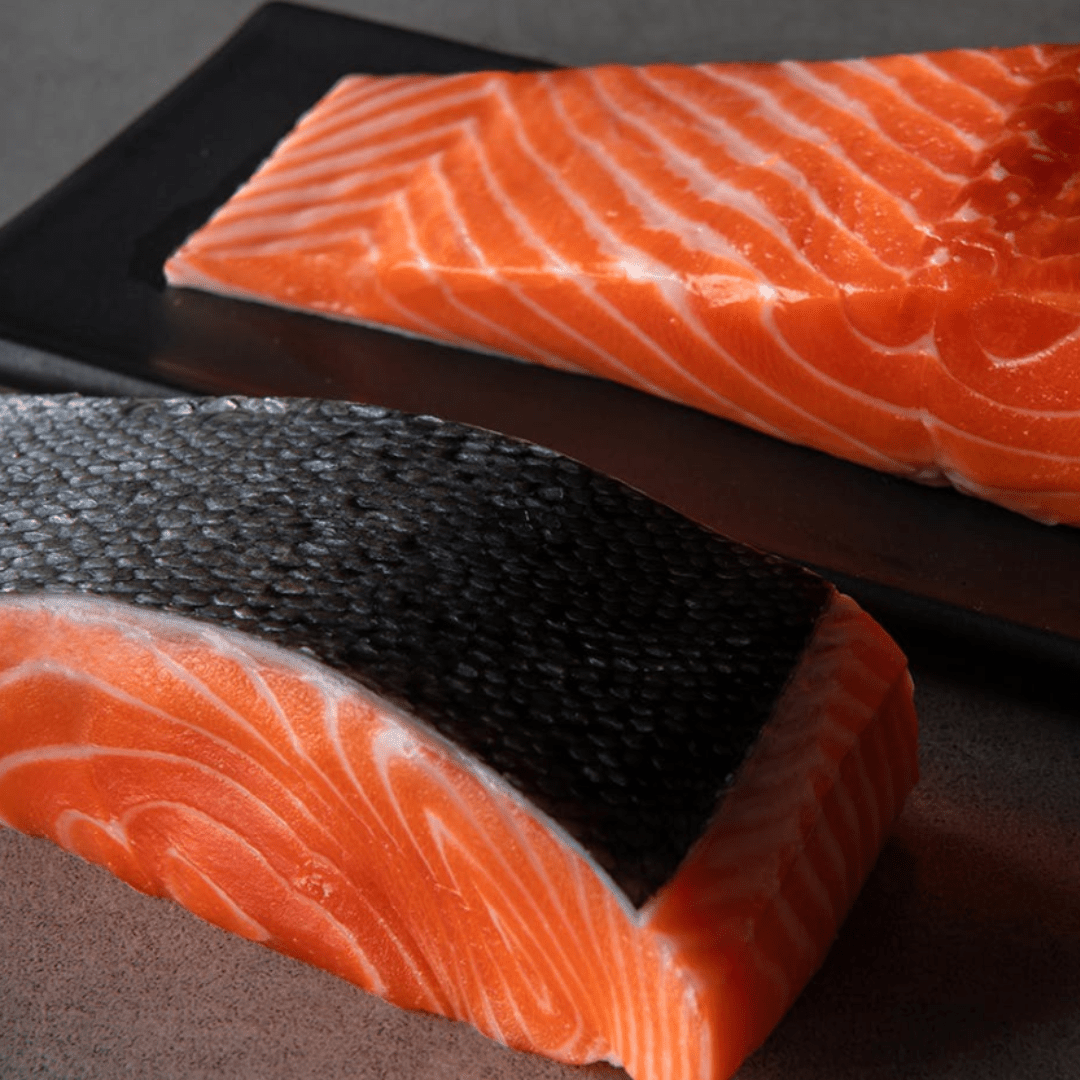
Rich flavor carrying oceanic depth and gentle sweetness across the palate. Contains a selection of King, Atlantic, and Steelhead.

A celebration of clean flavor and coastal elegance. Contains salmon, whitefish, and peruvian scallops.
Expressive flavors from the clean, flavorful fish. Contains a selection of bream, branzino, yellowtail, and barramundi.