



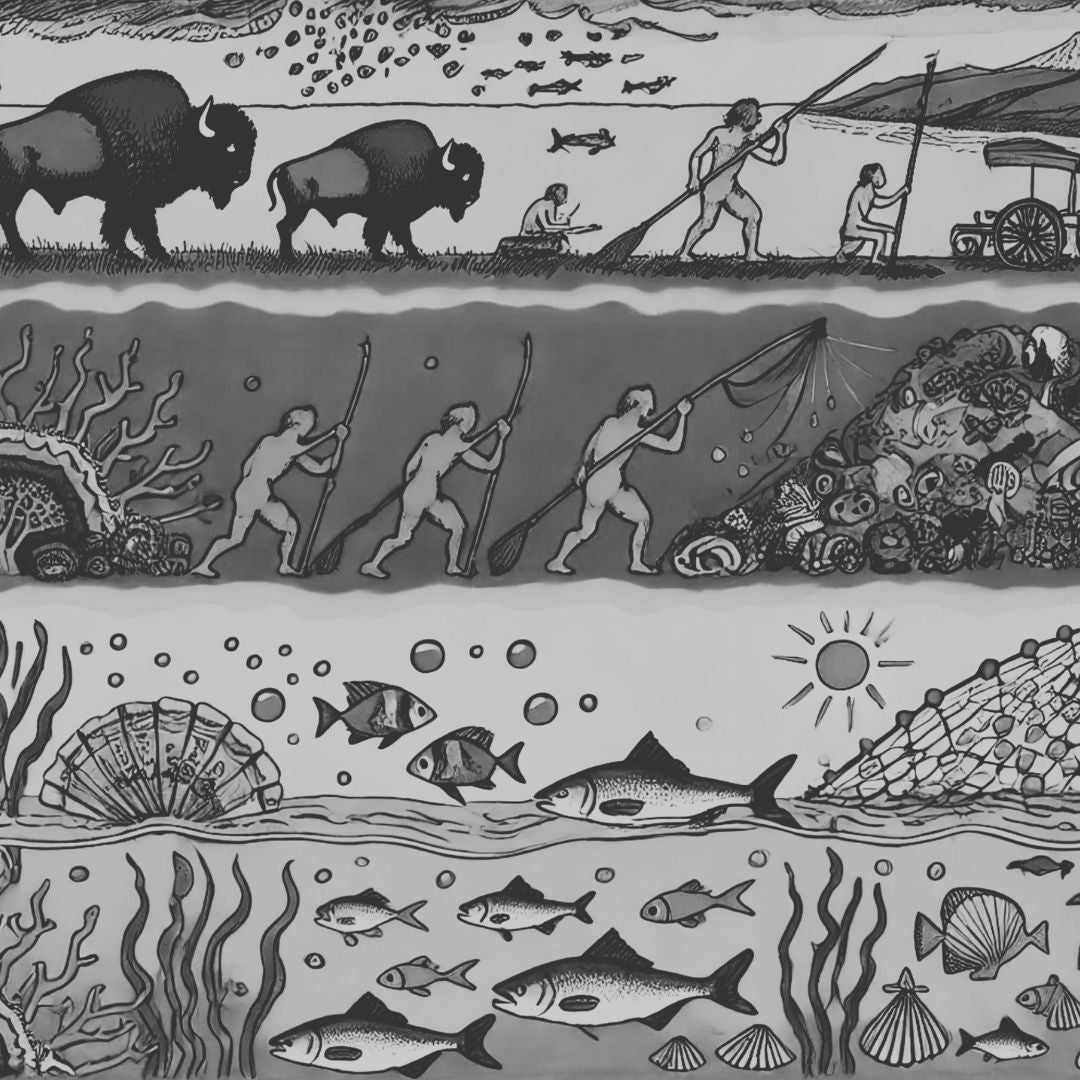
Let me tell you a story about one of the greatest environmental achievements in history—the comeback of the American buffalo.
In 1858, the year former president Theodore Roosevelt was born, there were about 30 million buffalo roaming America. By 1900, however, humans had driven them to near extinction, with only a remnant herd of around 40 wild buffalo left in Yellowstone National Park.

Roosevelt, an avid conservationist, took action. He championed restrictions and established the National Parks system, creating a public land estate of 230 million acres (10 percent of America) that helped bring buffalo back from the brink of extinction. Today, bison farming is a growing source of protein, prized for its nutritional benefits.
This comeback story is worth celebrating because it demonstrates how intentional conservation efforts can reverse the damage caused by overexploitation. Now, we farm land animals responsibly, and most of us understand that there’s a wide gulf between industrial factory farming and regenerative, pasture-raised farms.
The Catalina Connection
Interestingly, there’s a local story that mirrors the buffalo’s journey. Catalina Island, off the coast of Southern California, is home to its own unique herd of buffalo. Originally brought to the island for a 1920s film, they were left behind and have since become a beloved, if unusual, part of the island’s ecosystem. Nowadays, the herd is carefully managed by the Catalina Island Conservancy, balancing the island’s ecology with the preservation of these iconic animals. Recently, with fewer people visiting the island, the buffalo have been spotted enjoying Catalina’s beaches—a reminder of how adaptable these animals are and how we can coexist with wildlife in unexpected ways.

The Similar Story of Our Oceans
But what does this have to do with seafood? The story of fish is remarkably similar to that of land mammals, just a bit behind. For centuries, we’ve hunted ocean fish like cod and sardines as though the oceans were an endless resource. Over time, however, we’ve learned the hard way that they are not.
The Rise and Fall of Cod
For centuries, cod was one of the most economically important fish species in the North Atlantic. It sustained entire coastal communities in on both sides of the Atlantic, providing food and jobs. But by the late 20th century, technological advances in fishing allowed for massive catches, pushing cod populations to collapse by the early 1990s. Communities that relied on cod were left devastated, and the loss of this resource impacted entire ecosystems.

This is a clear echo of the buffalo story: we hunted cod to the brink for economic gain. This overfishing harmed not only the cod but also disrupted the balance of marine life and ecosystems.
The Monterey Sardine Boom and Bust
The Monterey Bay sardine fishery offers another cautionary tale. In the early 20th century, sardines were one of California’s most valuable resources. The town of Monterey thrived on its sardine canneries, which were famously memorialized by author John Steinbeck. But, like cod, sardines were overfished, and by the 1950s, their populations had collapsed, leaving once-thriving canneries abandoned.

These stories teach us that natural resources are not infinite and that unchecked exploitation has severe consequences. However, they also present an opportunity for us to rethink how we interact with ocean resources.
From Hunting to Farming in the Sea
Much like our shift from hunting buffalo to farming cattle, we are now at a crossroads for ocean resources. We have an opportunity to transition from “hunting” the oceans to farming them sustainably. But, the real question is: what kind of sea farms do we want?
For those who value sustainable seafood, regenerative aquaculture represents a turning point. Traditional fish farms earned a poor reputation for polluting and damaging ecosystems. But a new generation of ocean farmers is pioneering regenerative practices that work in harmony with nature, much like regenerative agriculture does on land.

At Seatopia, we’re proud to support farms that don’t just aim to be “sustainable” but actively restore ocean health. For instance, Integrated Multi-Trophic Aquaculture (IMTA) practices create balanced ecosystems by cultivating fish alongside kelp and shellfish. This approach reduces pollution, fosters biodiversity, and even has potential to absorb excess carbon, addressing climate change. Innovative feed solutions—like those made from microalgae and insect protein—further reduce the environmental footprint of these farms.
Conclusion: A New Story of Regeneration
The buffalo conservation story showcases the power of conscious stewardship on land. Regenerative aquaculture offers a hopeful narrative for the sea. We have the chance to rebuild fish populations, enhance ecosystems, and sustainably meet the demand for seafood. The lessons of cod and sardines illustrate the dangers of overexploitation, but they also inspire us to make different choices today.
At Seatopia, we’re on the frontier of this movement, creating a regenerative seafood supply chain that allows you to make informed, impactful choices. Every meal sourced from regenerative aquaculture is a step toward a healthier ocean, reminding us that humans can adapt and make choices that benefit the planet.
If you’re curious about how this approach differs from traditional fish farming, check out the TED Talk “How I Fell in Love with a Fish” by Dan Barber. It’s a great introduction to the potential of aquaculture done right.
Thank you for supporting Seatopia and a brighter future for our oceans. Remember, whenever you start to lose hope, think of the buffalo’s comeback story. Humans can be selfish, but we can also be wise. Together, we can make a difference.















Share:
Introducing Esteros Lubimar: A Regenerative Approach to Exceptional Seafood
61 Full Moons to 2030: Protecting Our Oceans with the 30x30 Campaign