The power of clean seafood
Conventional seafood can be highly nutritious — but it often comes with uncertainty. Large predator fish may contain elevated mercury, raw fish can carry parasite risk, and weak cold-chain handling can compromise safety long before it reaches the plate.
The fear is founded. Mercury is real. Microplastics are everywhere. Factory-farmed fish raised on synthetic feed are a legitimate concern. Pregnant women have been told — correctly — to be careful.
And so most of them have moved away from Seafood and turned to supplements as their primary source of Omega 3 for their growing babies. It feels like the safe choice. But something vital is being lost in that decision.
Disclaimer: Seafood consumption during pregnancy should follow guidance from your healthcare provider. While Seatopia seafood is sourced and tested to strict internal standards, all seafood carries inherent risks (including foodborne illness if improperly handled or prepared). Pregnant individuals should take appropriate precautions, including proper storage and preparation.
Consuming raw or undercooked seafood may increase the risk of foodborne illness, especially for pregnant individuals, young children, older adults, and those with compromised immune systems.

What is wrong with conventional seafood?
Conventional seafood can be highly nutritious — but it often comes with uncertainty. Large predator fish may contain elevated mercury, raw fish can carry parasite risk, and weak cold-chain handling can compromise safety long before it reaches the plate.
Most seafood is sold with broad claims and very little proof. You rarely see batch-level testing, selenium-to-mercury ratios, or verified parasite protocols. In pregnancy, that lack of transparency is exactly the problem.
Why is seafood so beneficial in pregnancy?
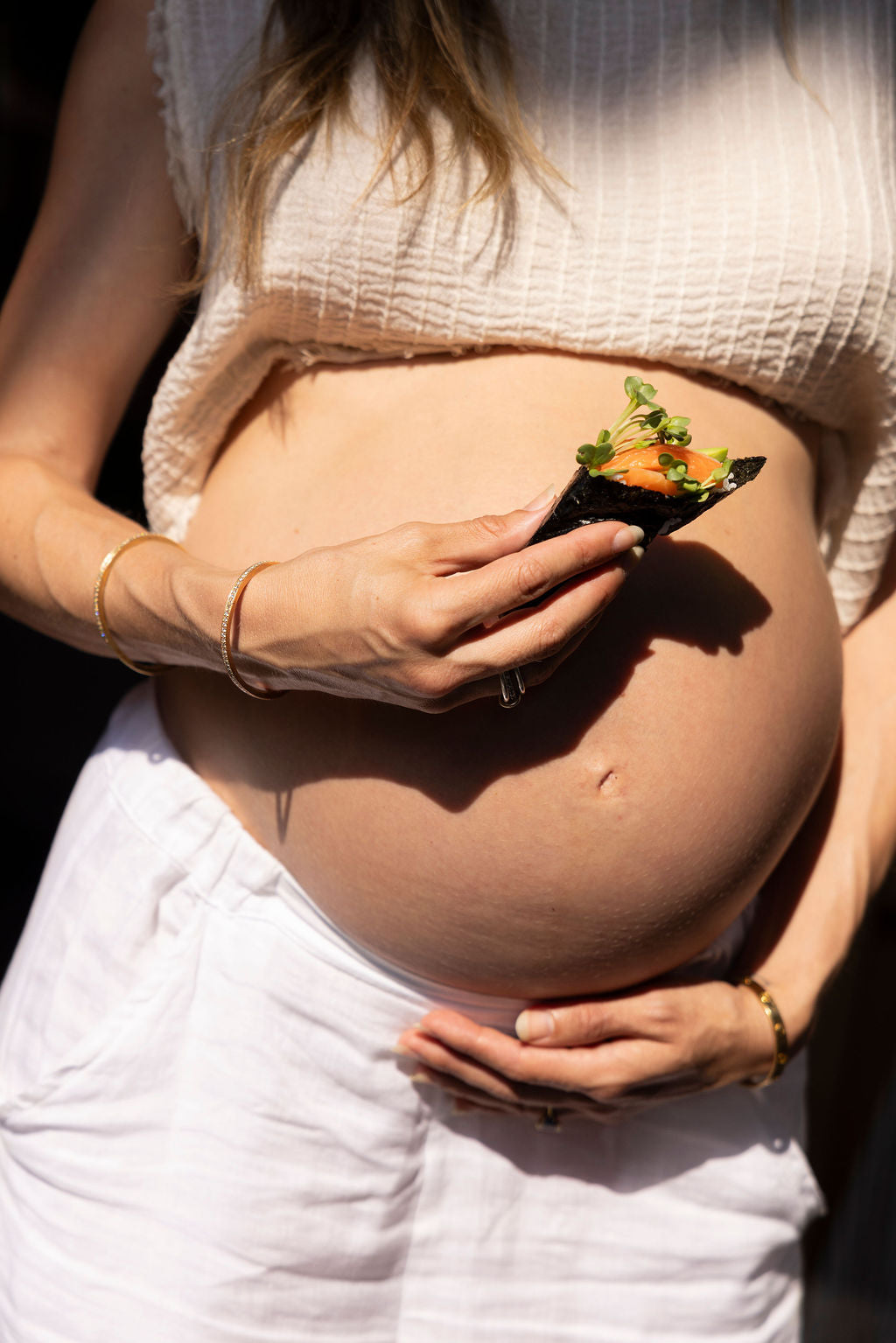
Pregnancy is not the time to avoid seafood altogether. It is the time to choose better seafood — lower in mercury, rich in omega-3s, and handled to a standard you can trust.
During pregnancy, your body is building an entirely new human system by system. Clean seafood provides bioavailable omega-3 fats, protein, iodine, selenium, and vitamin D that help support fetal brain development, eye development, thyroid function, tissue growth, and maternal recovery.
DHA is one of the most important structural fats in the developing brain and retina. 97% of all omega-3 fats in the developing brain are DHA, sourced almost entirely from what the mother eats, transferred through the placenta. When a pregnant mother consumes seafood rich in DHA and EPA, she is supplying critical building blocks for neurological and visual development.
Seafood also supports the mother, not just the baby. Its protein helps build maternal and fetal tissue, omega-3s support inflammatory balance, iodine supports thyroid hormones, and selenium contributes antioxidant protection during a period of intense metabolic demand.
The key is cleanliness. Nutrient-dense seafood is beneficial because it delivers what pregnancy needs most. Clean seafood helps you access those benefits without the same toxicological concerns associated with high-mercury or poorly controlled sources.
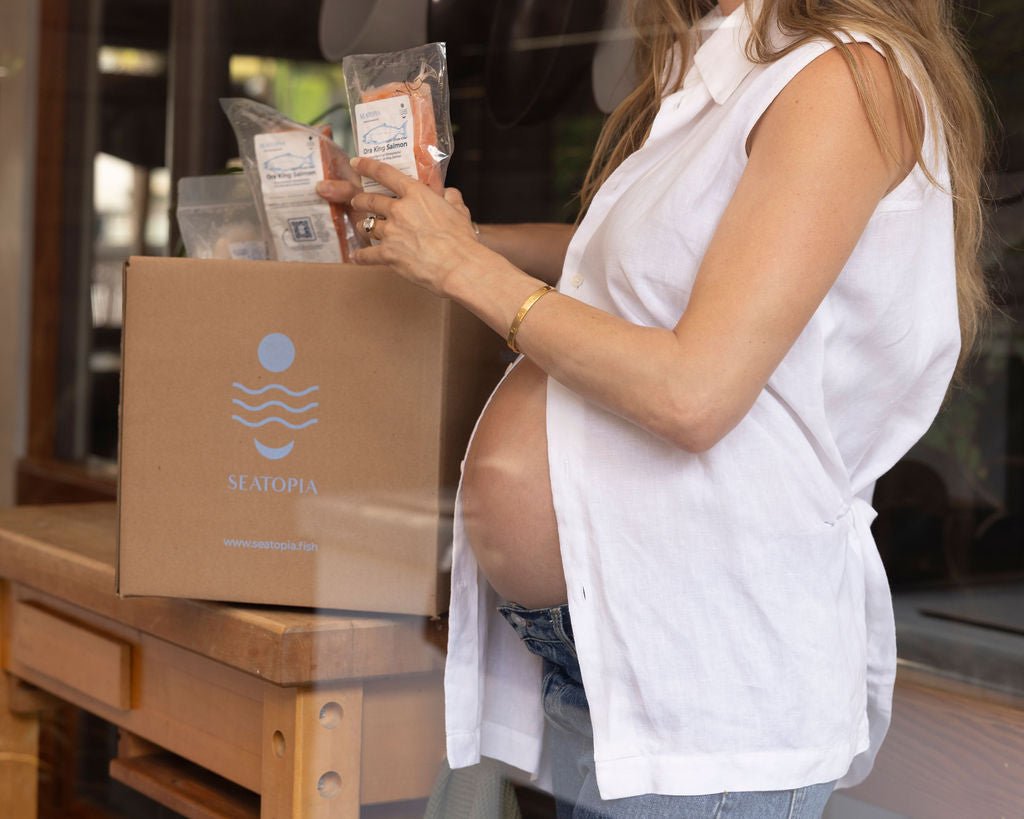
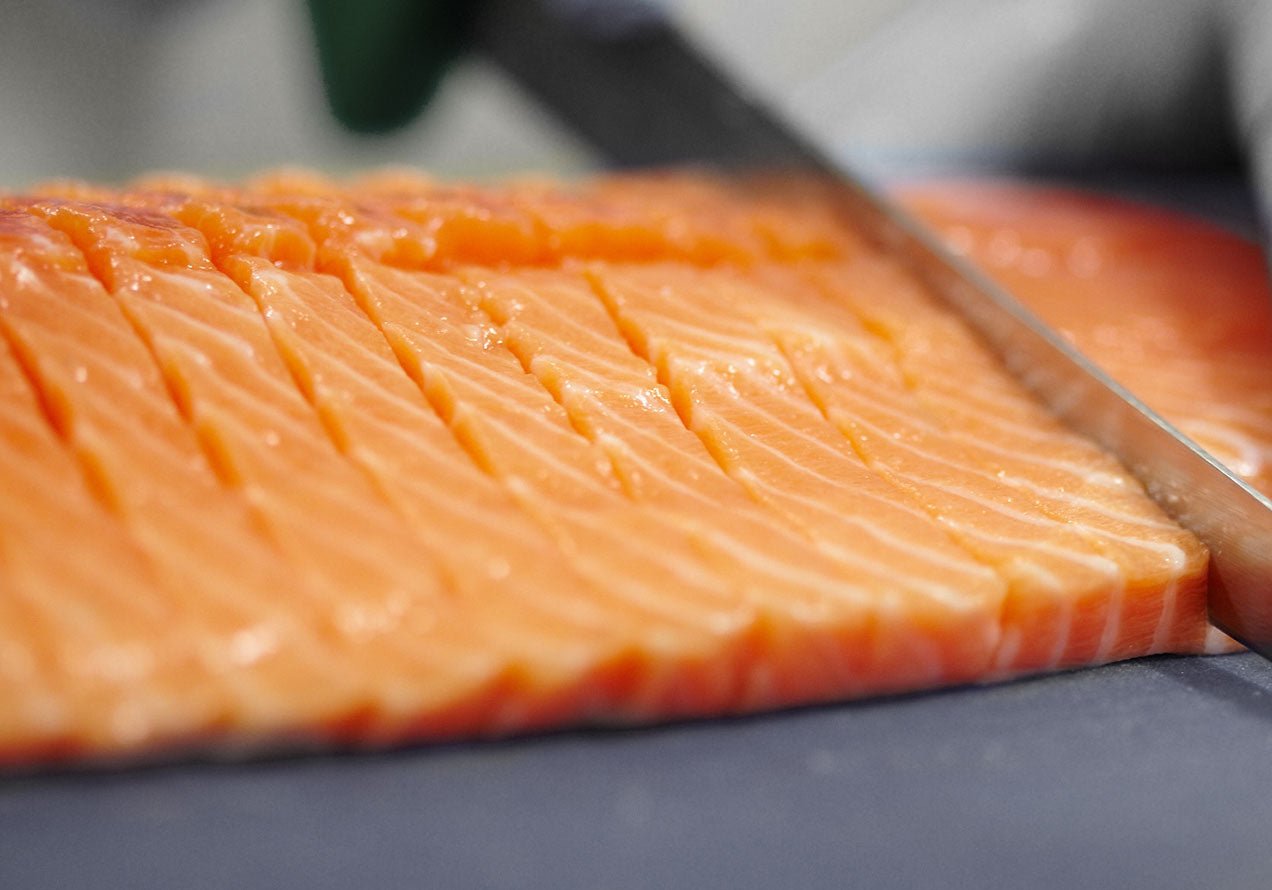
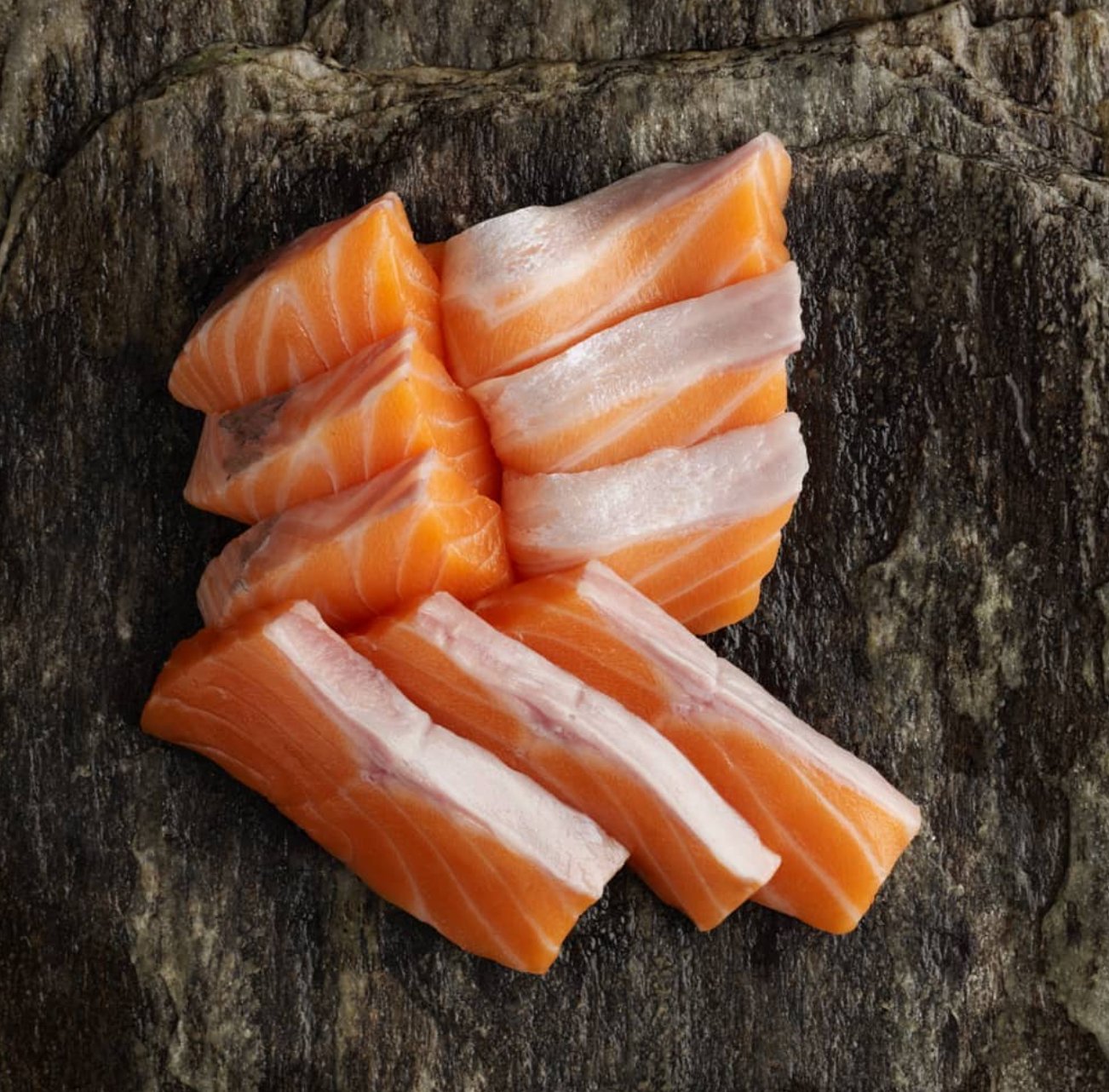
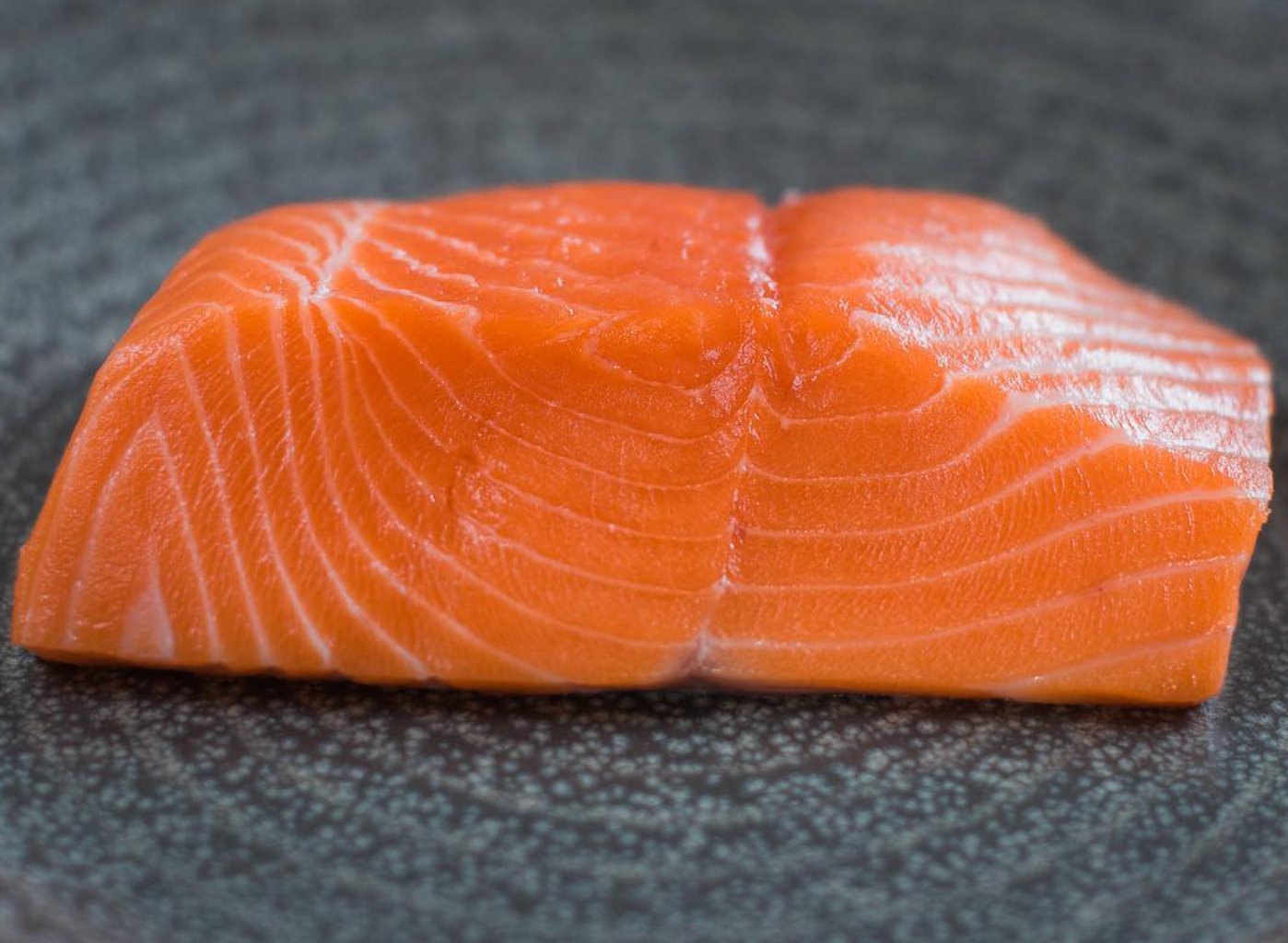
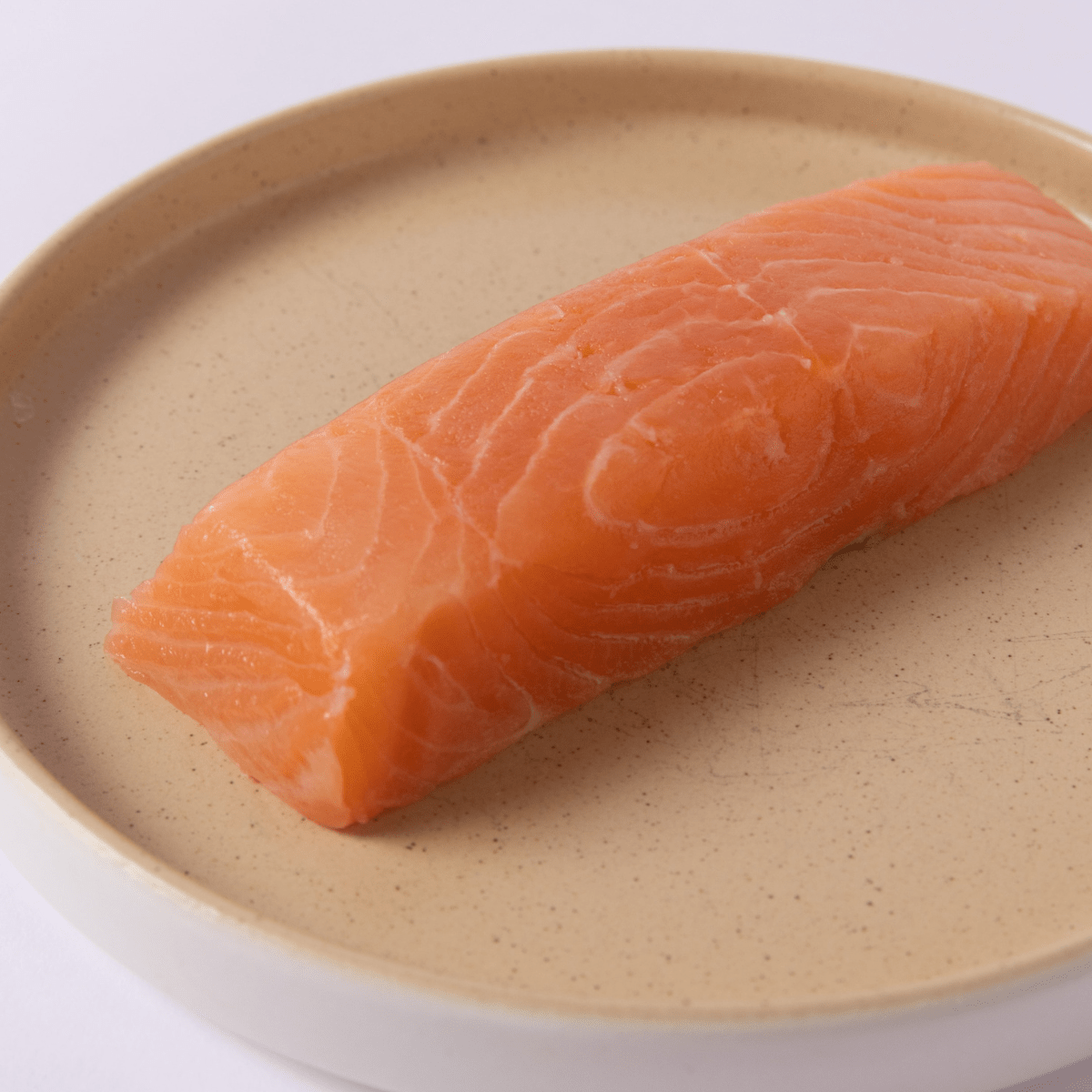

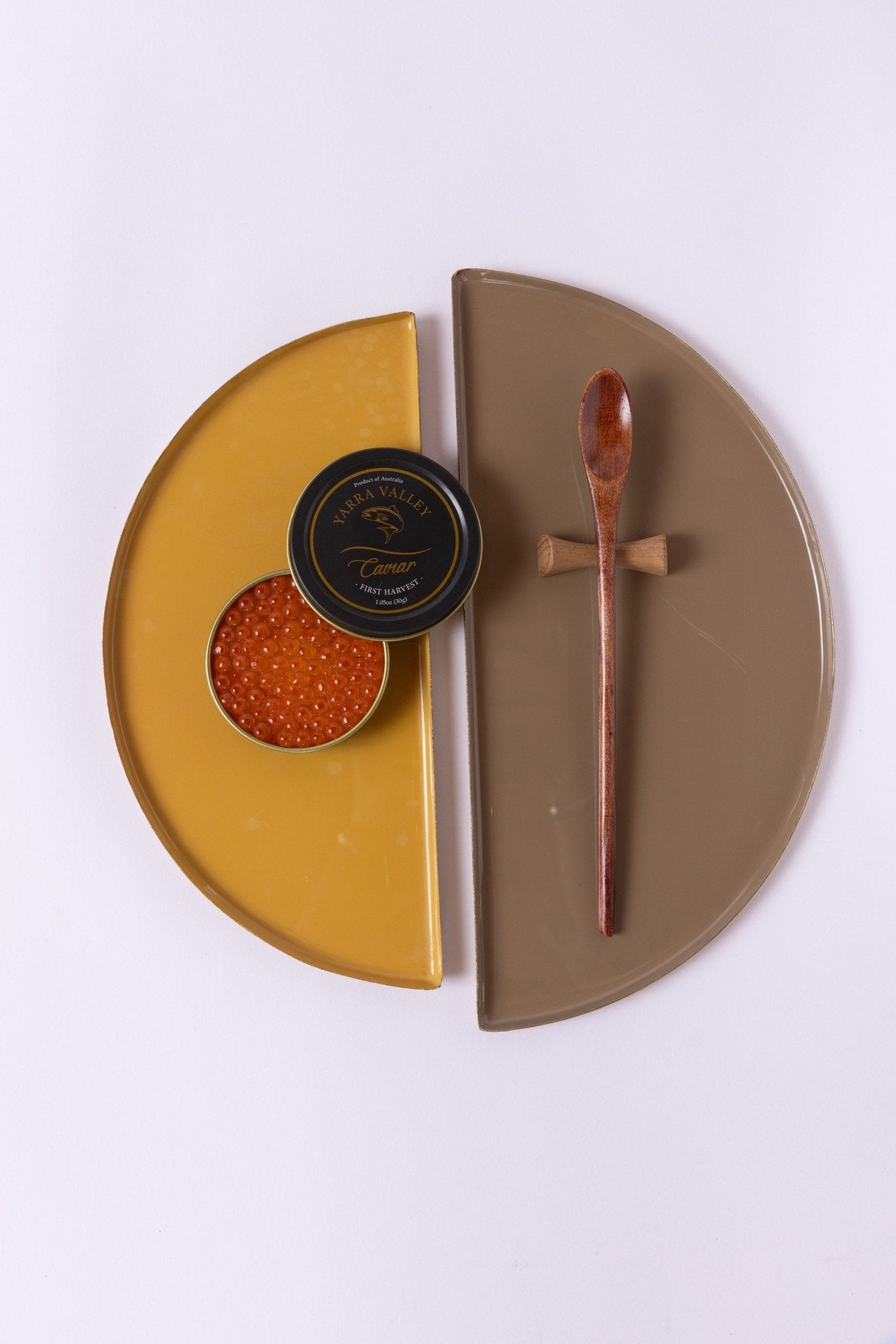
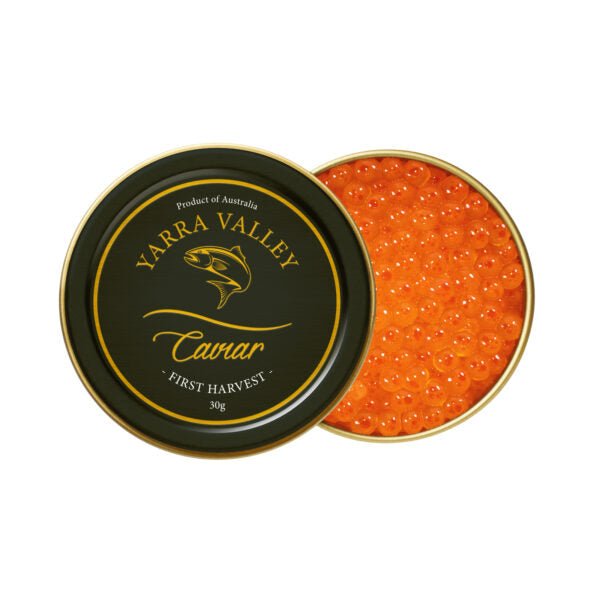
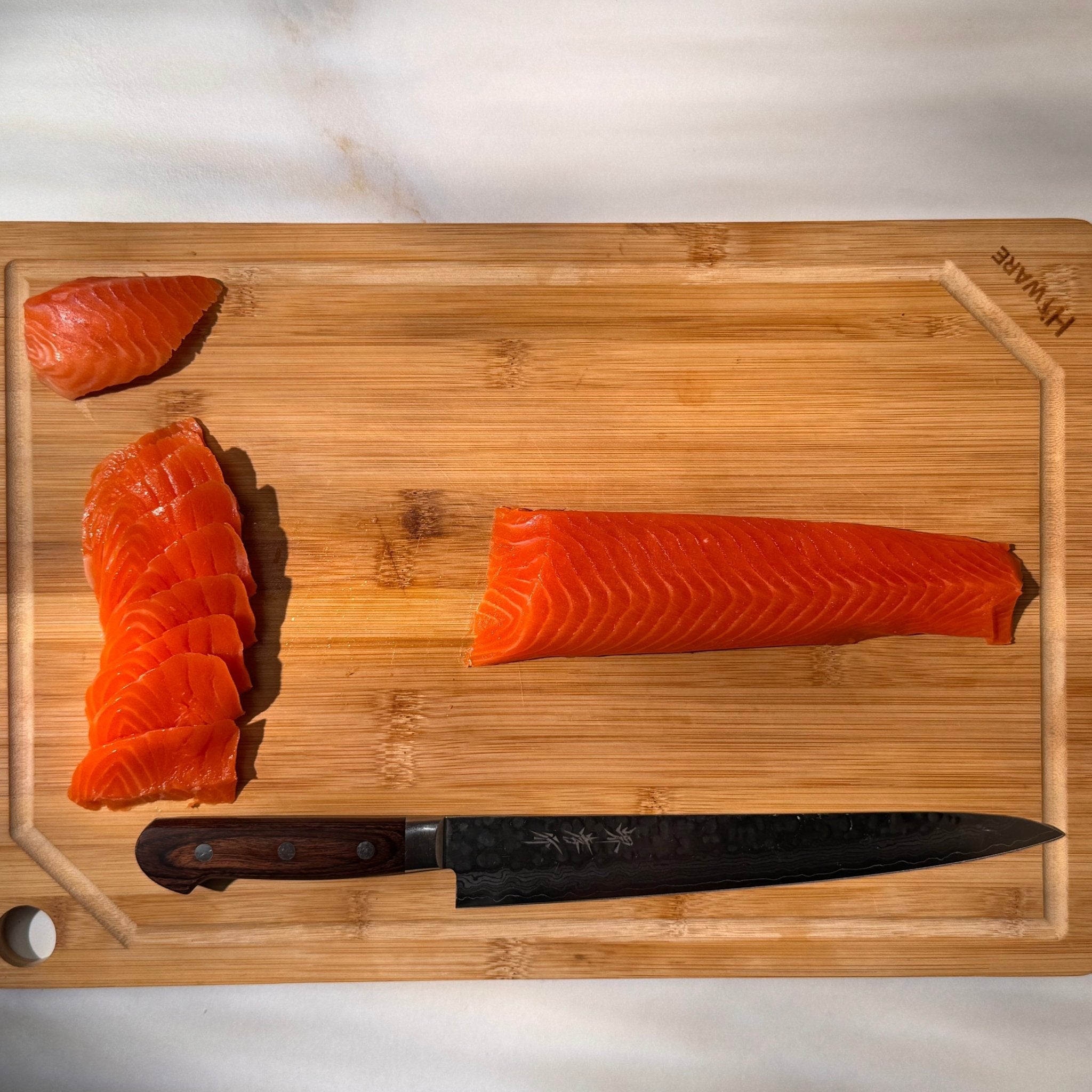
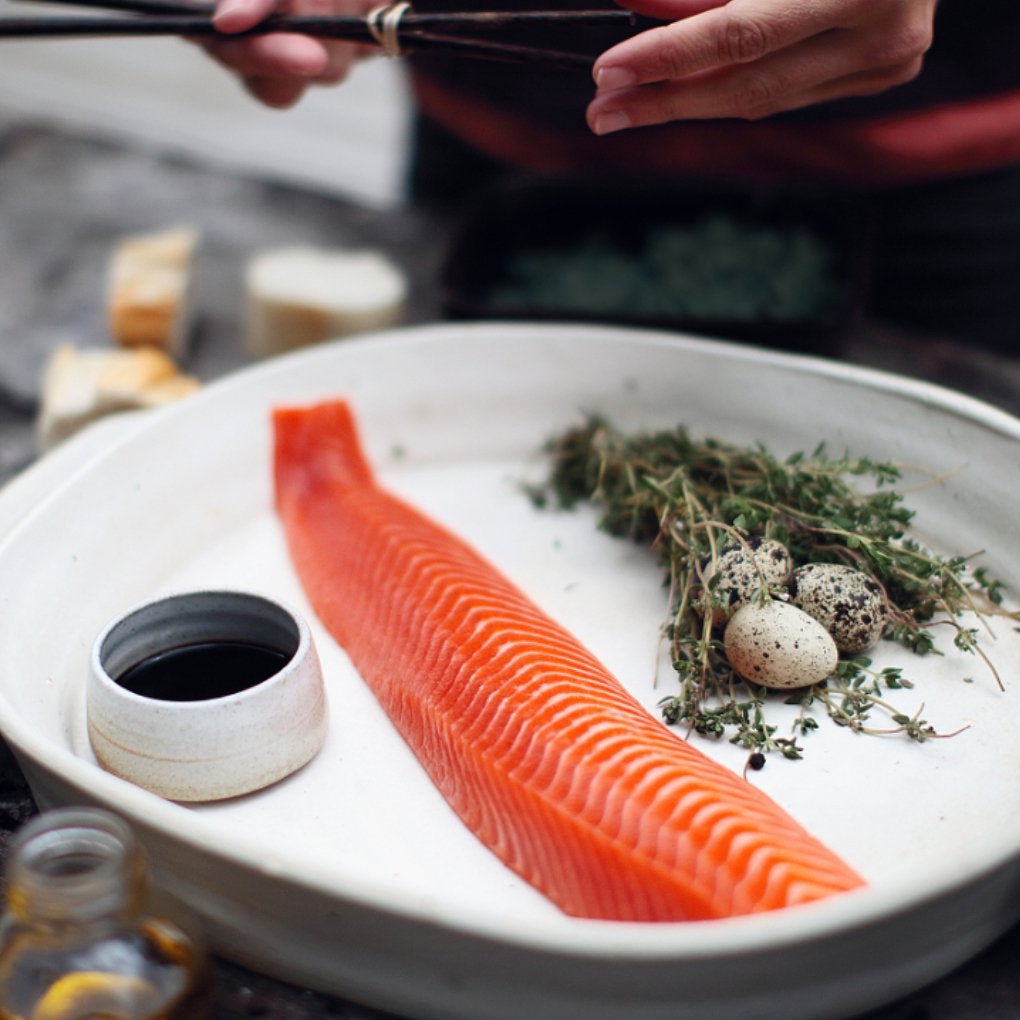
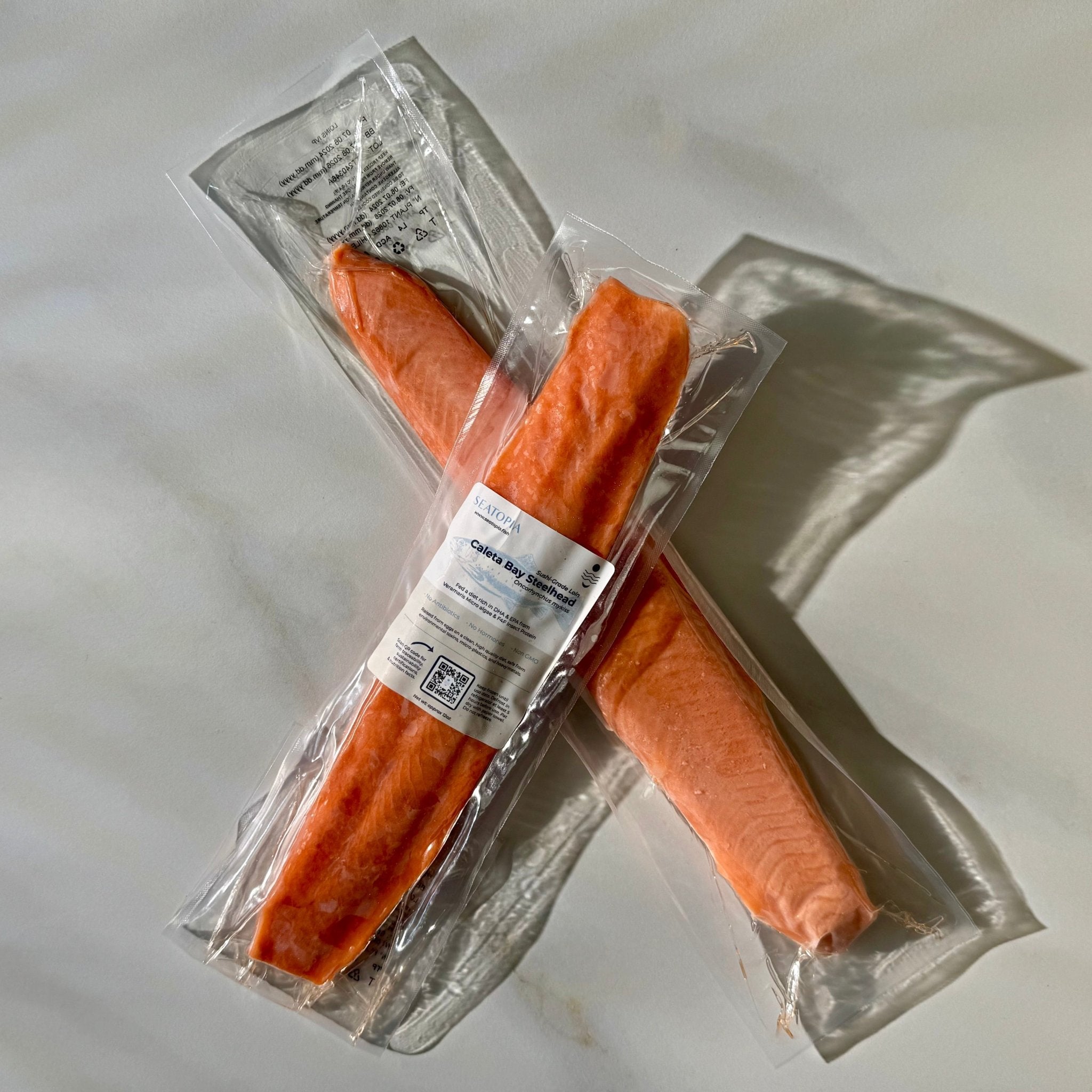
The Pregnancy Box
An omega-rich seafood collection of four selections, chosen for nutrient density and gentle flavour.
Third-party lab tested for nutrition, mercury and microplastics. We test and publish omega-3, protein, selenium, vitamin D and B12. Low mercury, tested to a tenth of the FDA action level; zero microplastics detected in third-party testing, down to 1 micron.
What’s inside:
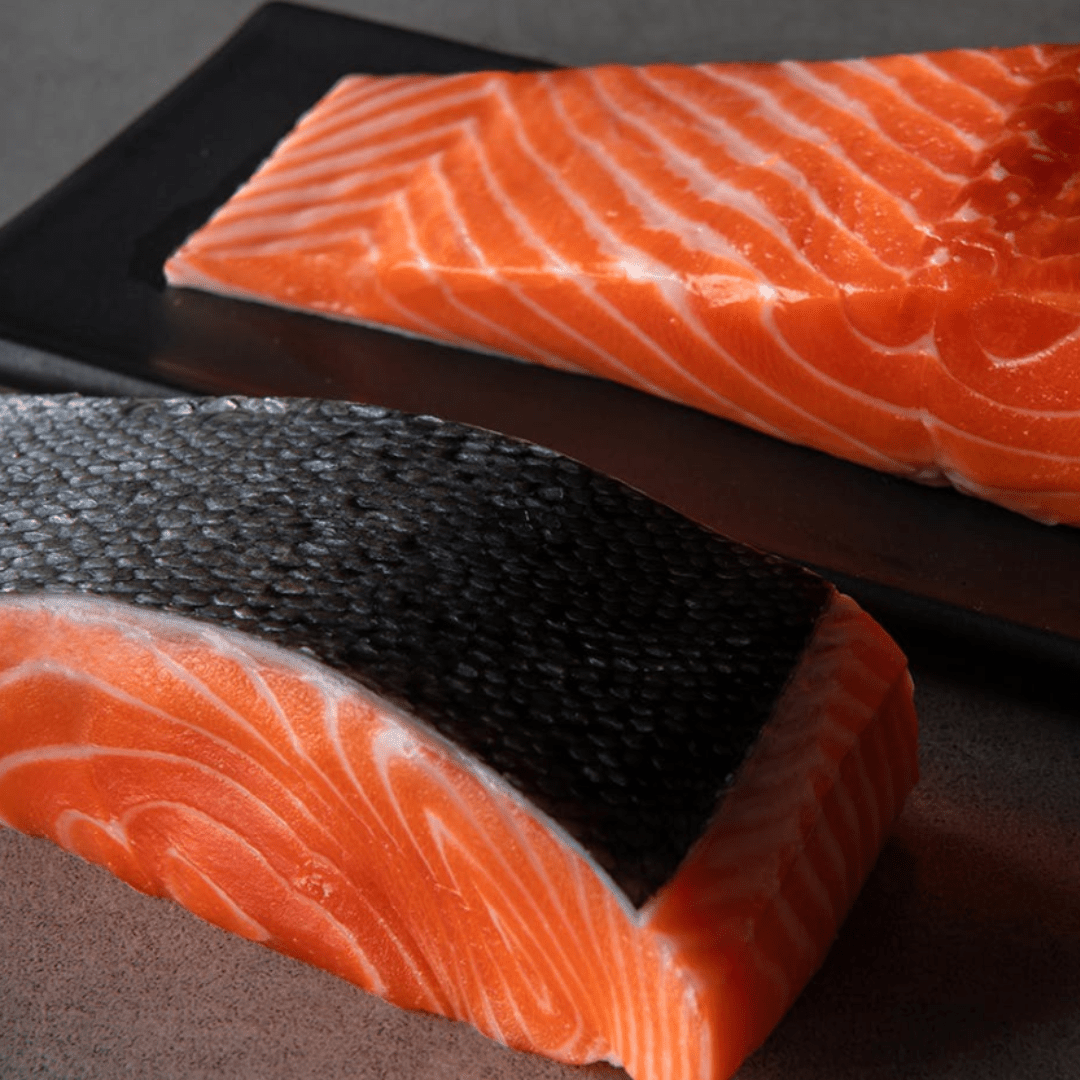
- Mt Cook King Salmon
- Atlantic Salmon
- Caleta Loin
- Yarra Valley Salmon Roe Caviar
Responsibly farmed and blast-frozen at peak freshness. Farms named, panels published.
For guidance on eating fish during pregnancy, see the FDA and EPA’s Advice About Eating Fish.
Individual products subject to seasonal availability.
A mom's nutrition toolbox
Here are our pregnancy seafood picks, selected for nutrient density and omega content first

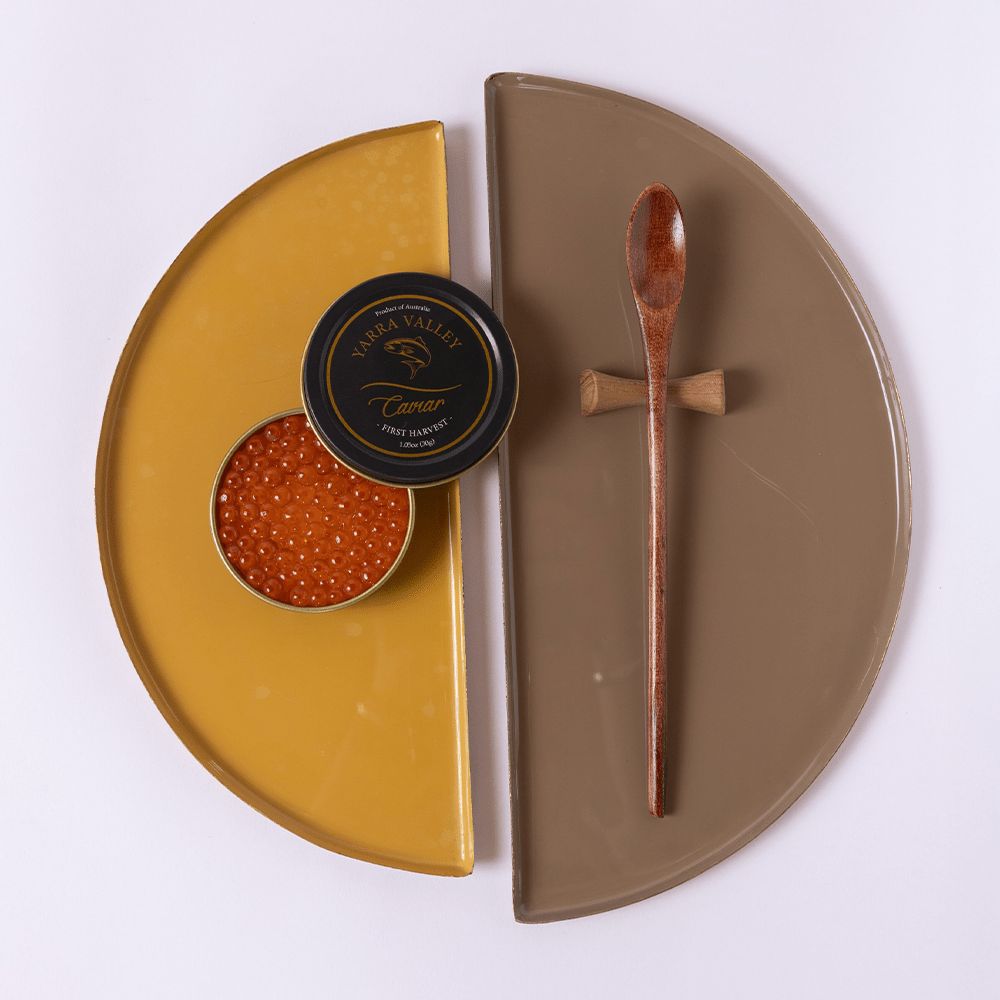
Plump, briny pearls bursting with oceanic flavor. Adorn sushi and sashimi with these gourmet gems

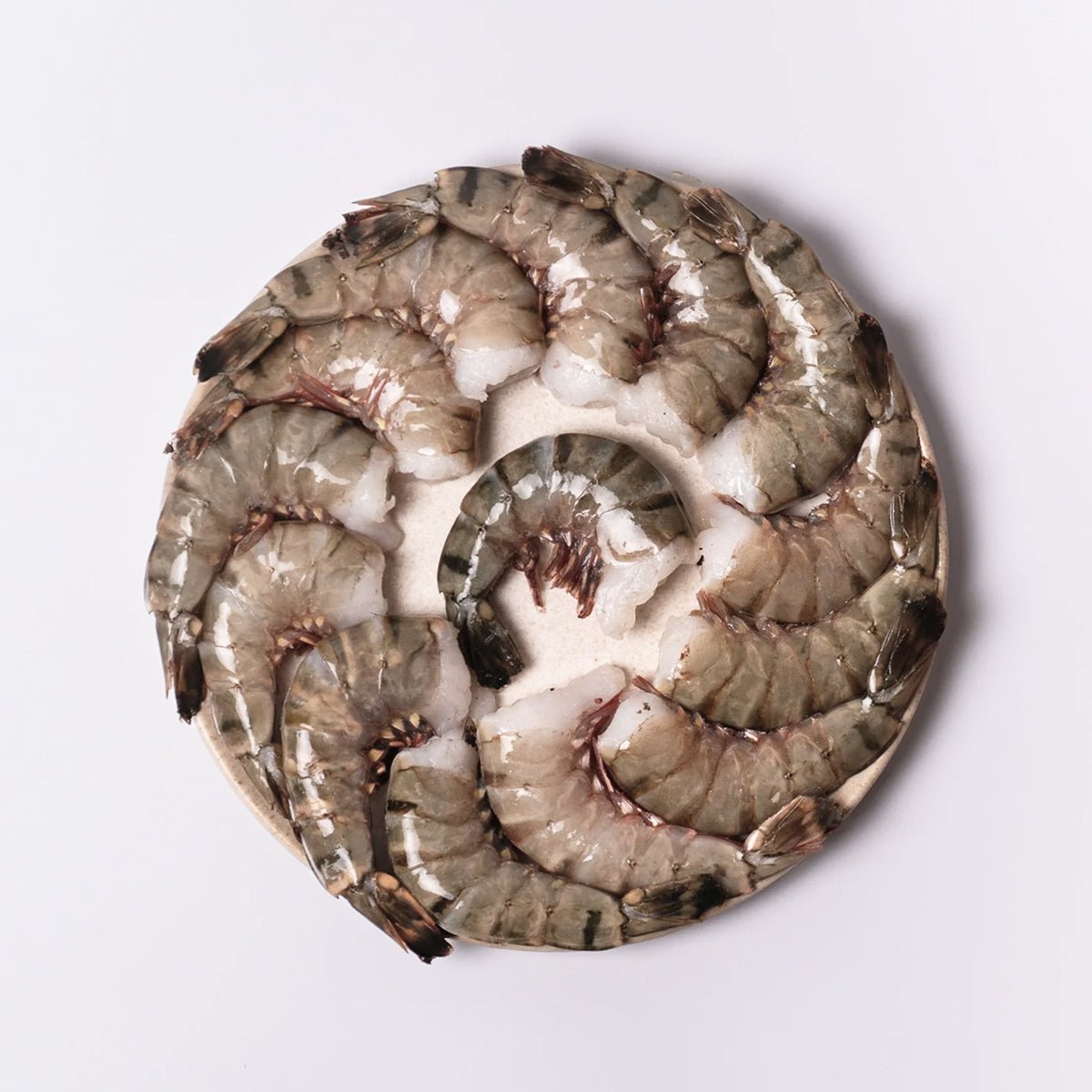
Sweet, briny shrimp with a natural richness, best enjoyed quickly seared for a delicate snap or pan-fried to preserve their depth.
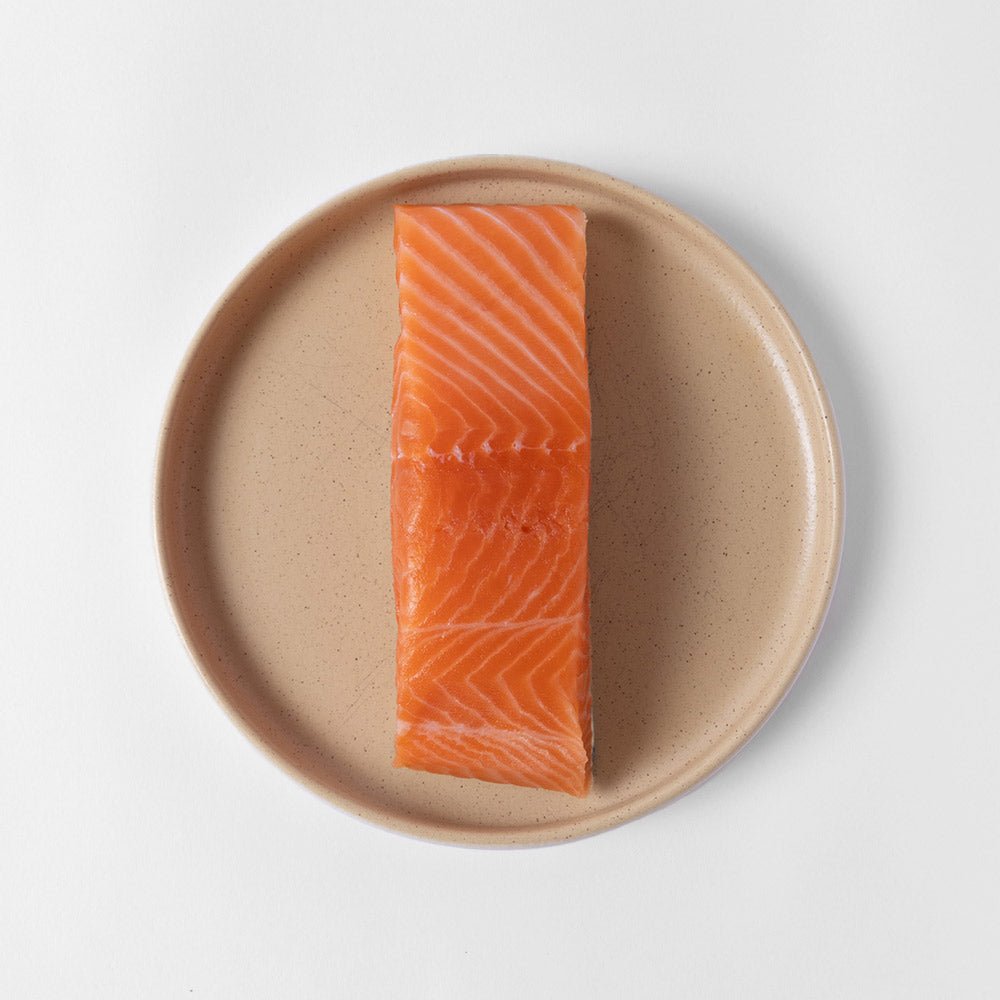
Unapologetically rich and velvety—Ōra King salmon, the gold standard for celebratory seafood
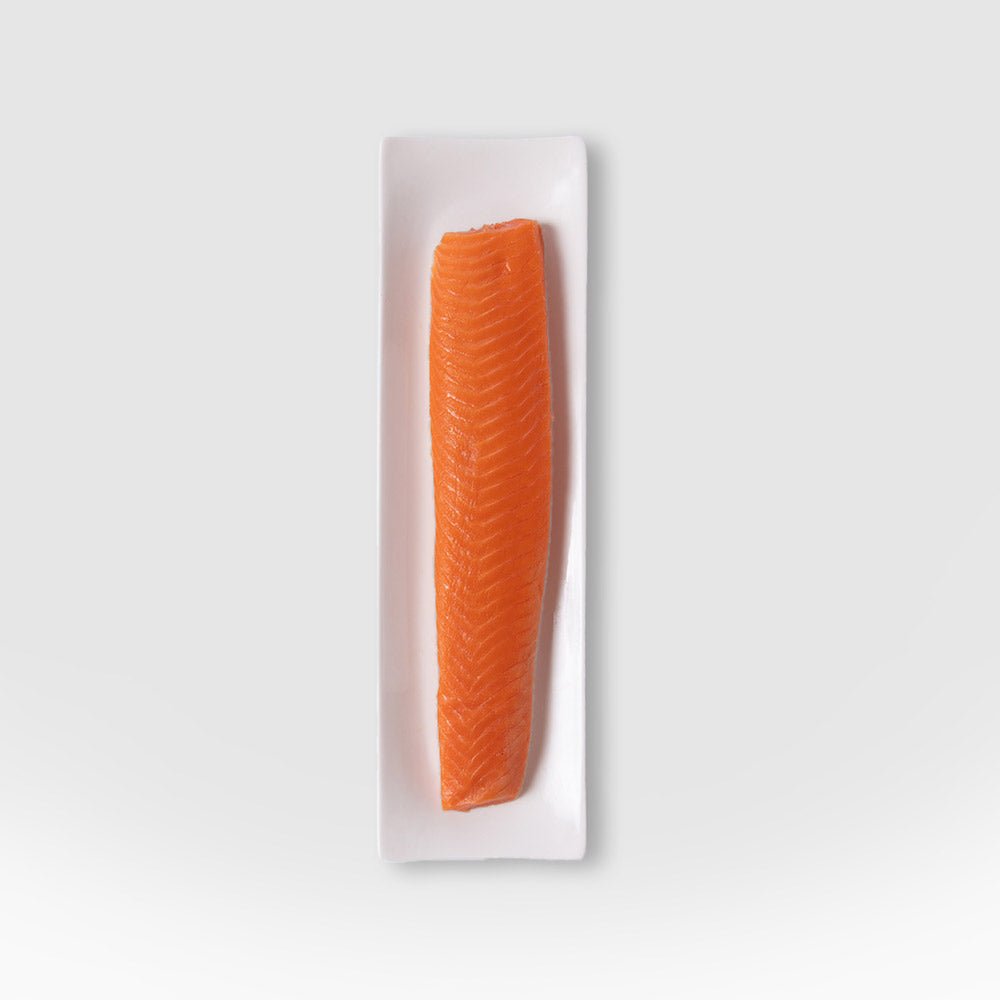
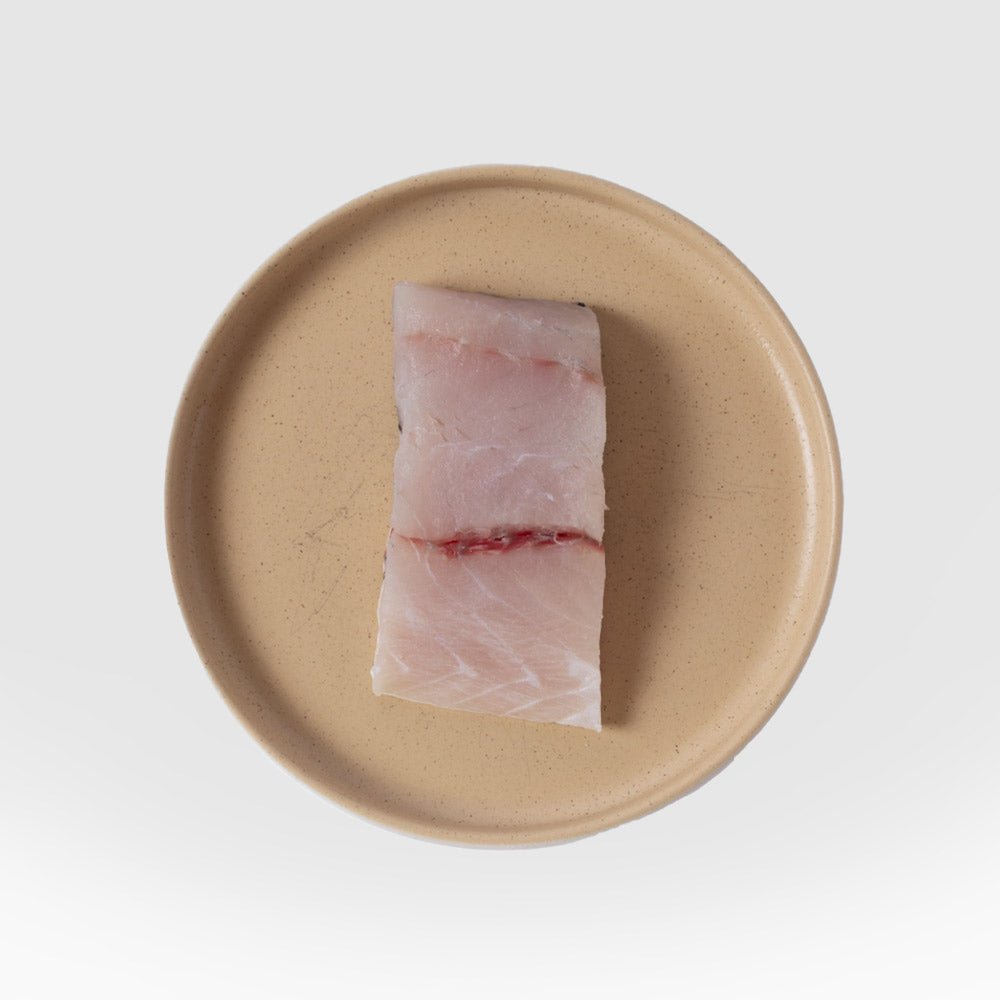
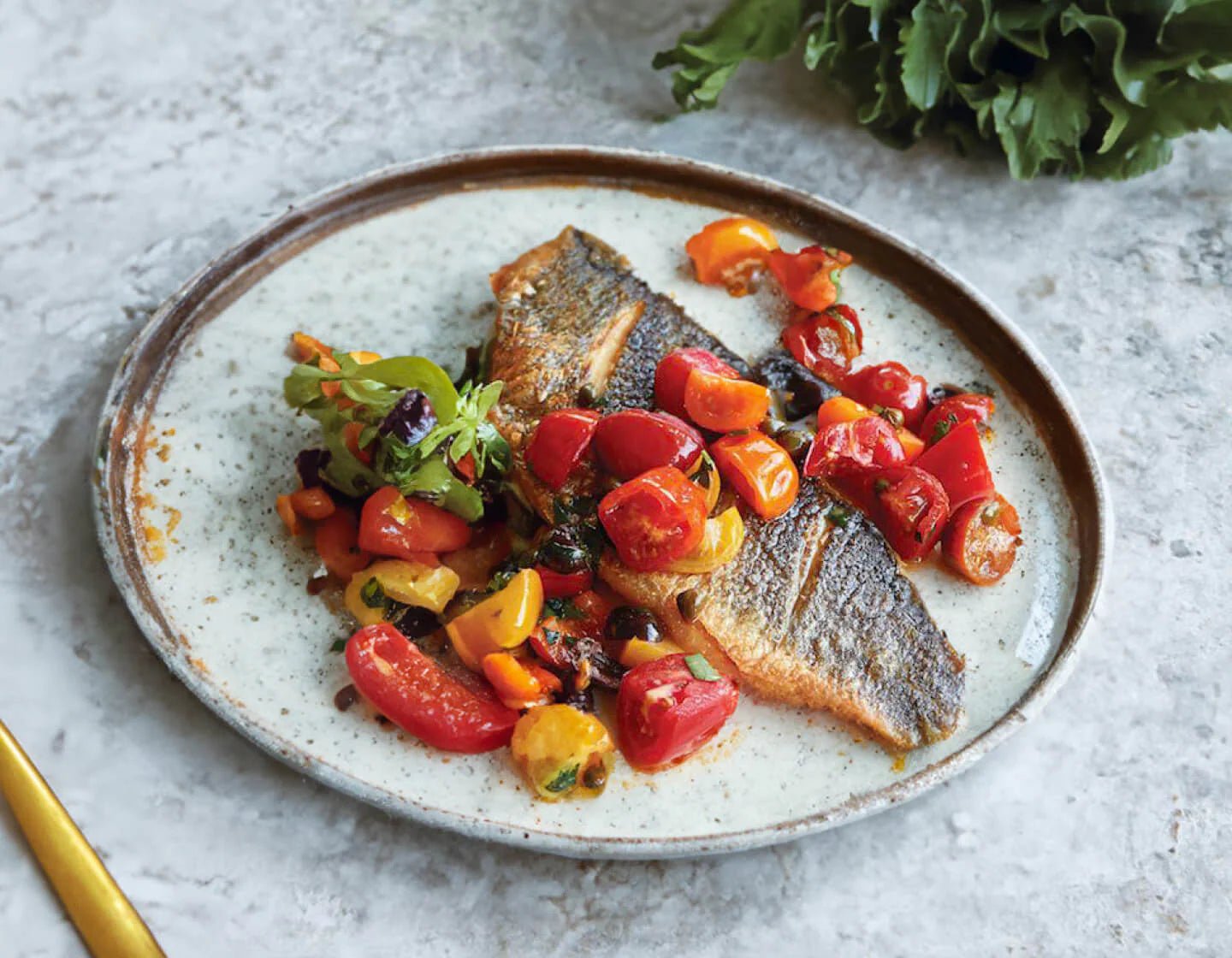
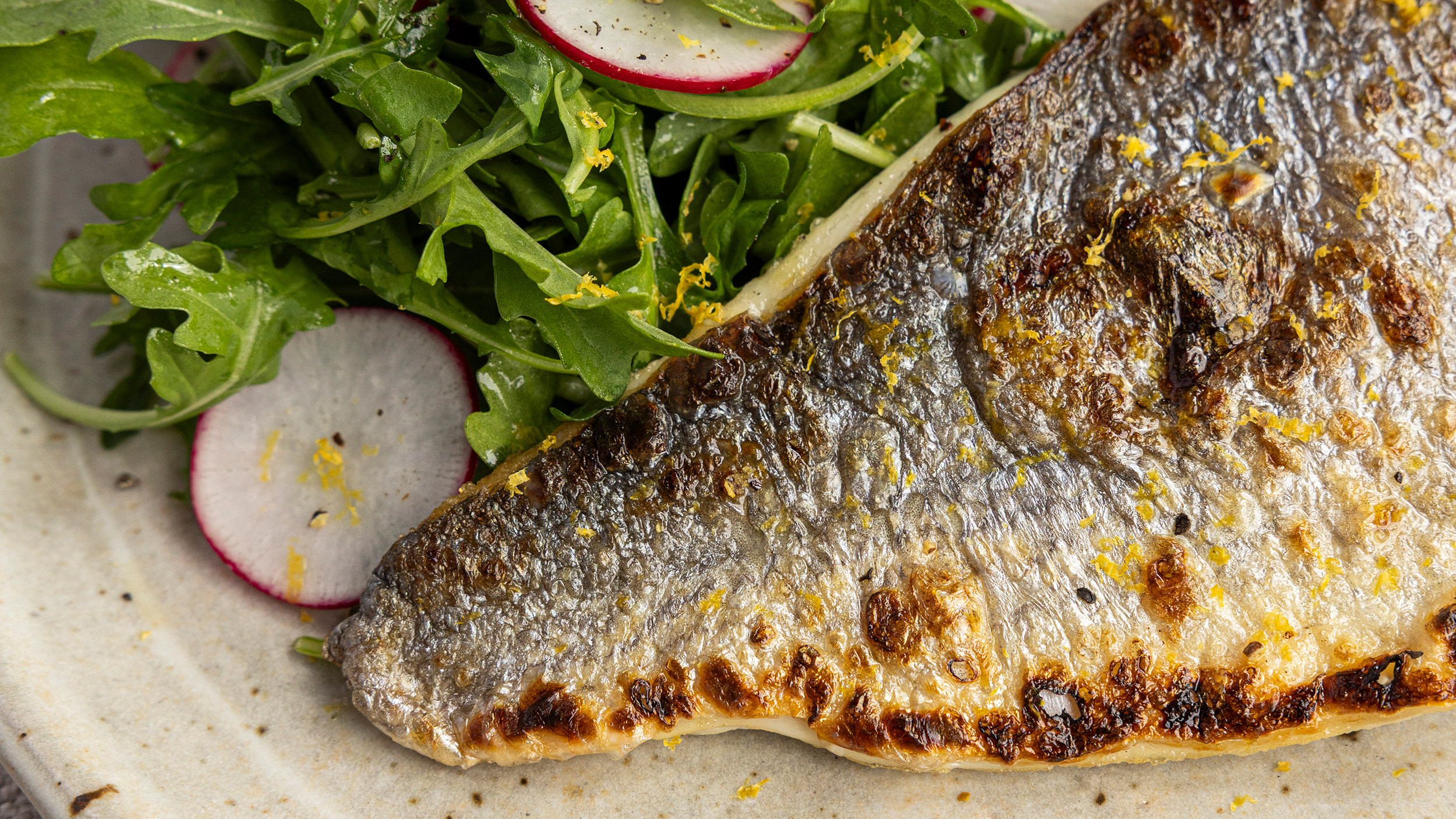
Mild, succulent - exceptional when pan seared with a crispy skin
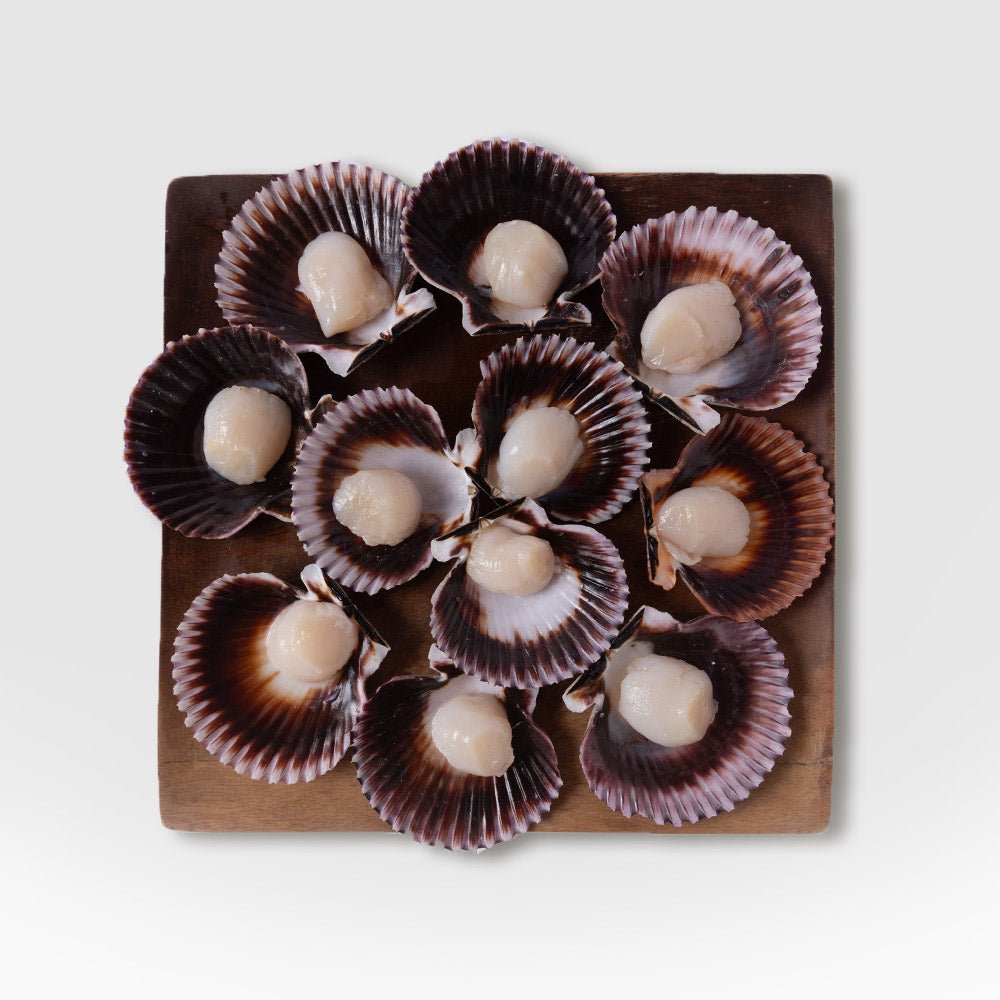
On the half shell. Naturally sweet with a creamy bite — stunning raw, lightly torched, or nestled in citrus-forward ceviches
But what are all those nutrients?
DHA & EPA
Omega-3 fatty acids DHA and EPA are central to brain and eye development. They are also associated with healthy neurological development and may support a healthy pregnancy trajectory, including helping reduce the risk of suboptimal gestational outcomes.
Iodine
Iodine is essential for thyroid hormone production, which plays a major role in fetal brain development and maternal metabolic regulation during pregnancy.
Selenium
Selenium is an antioxidant trace mineral that supports cellular protection and helps maintain healthy thyroid function. It is also especially relevant in seafood because it contributes to a more favourable nutritional context alongside mercury exposure.
Vitamin D
Vitamin D supports bone development, immune regulation, and maternal health. It works in concert with other nutrients to support growth and resilience during pregnancy.
Protein
High-quality protein provides the amino acids needed to build fetal tissue, placenta, maternal blood volume, and the structures required for healthy development.
B12 and other micronutrients
Seafood also delivers vitamin B12 and other essential micronutrients that support red blood cell formation, energy metabolism, and nervous system health.

The Seatopia Detox Guide
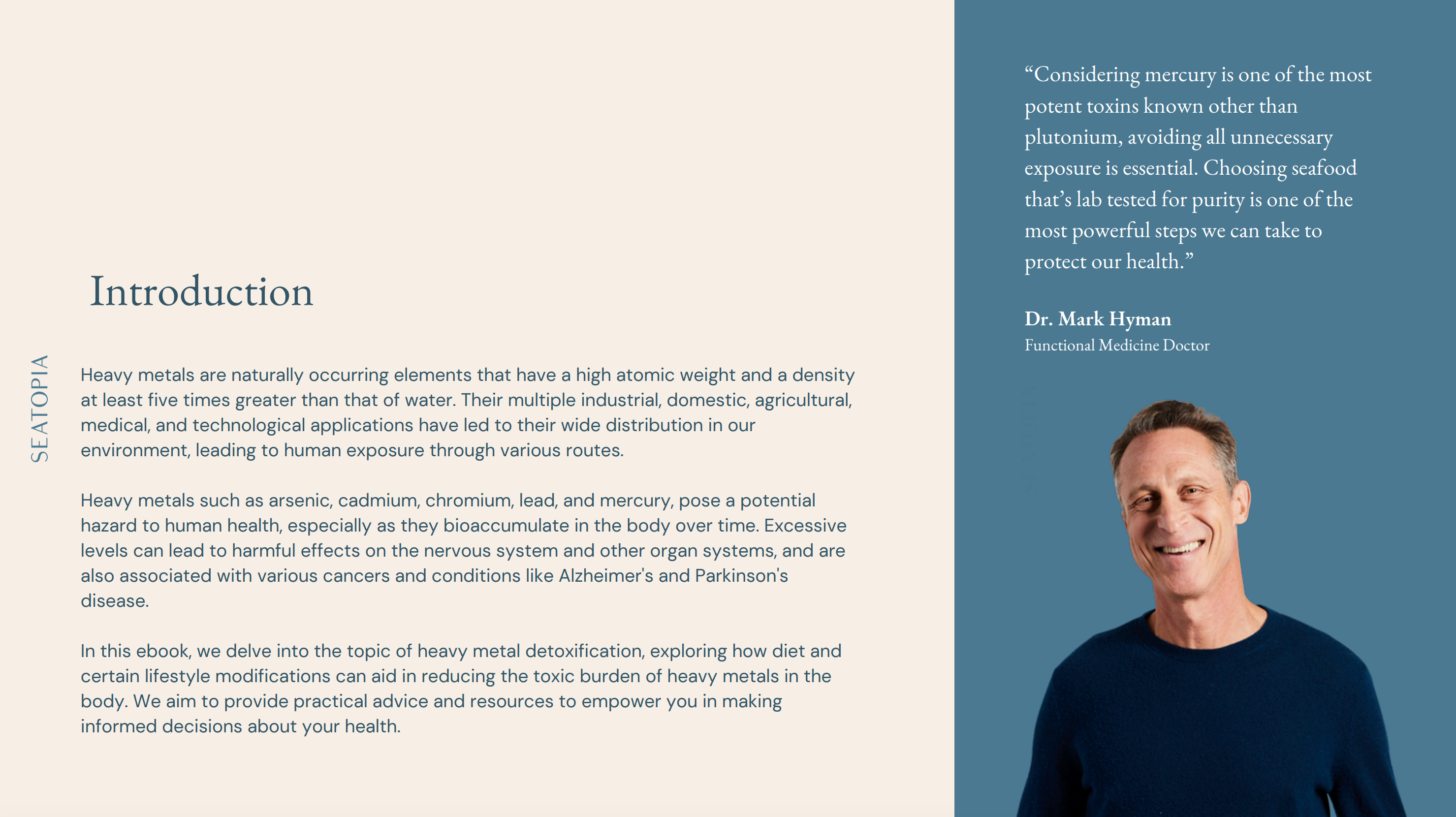
Heavy metals such as arsenic, cadmium, chromium, lead, and mercury, pose a potential hazard to human health, especially as they bioaccumulate in the body over time. Learn about heavy metals in seafood and how to detox in this eBook.
How much should a pregnant mother consume?
For most pregnant mothers, seafood should be a regular part of the weekly diet, not an occasional extra. The goal is consistent intake of low-mercury, nutrient-dense seafood that provides omega-3s, protein, and key micronutrients without unnecessary risk.
A practical approach is to consume 2 to 3 servings per week of clean, low-mercury seafood, choosing species known for strong DHA and EPA content and reliable safety standards.
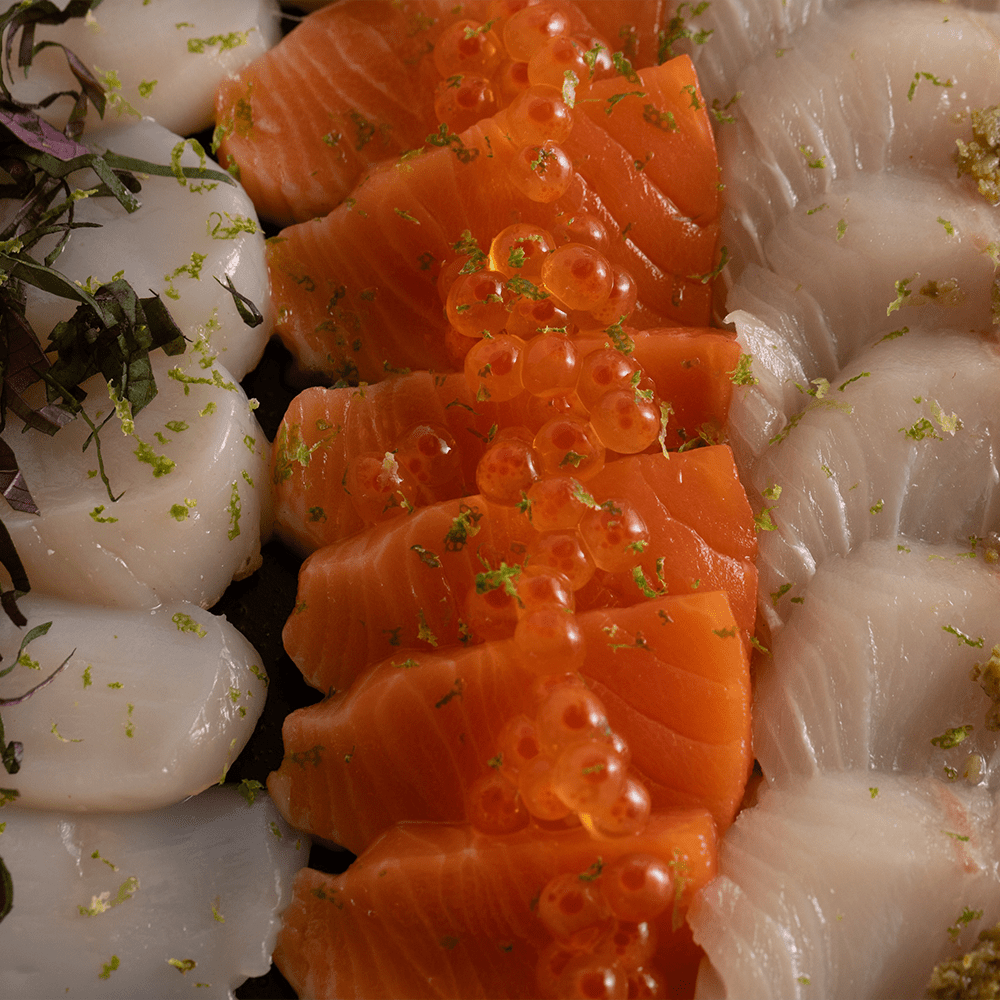
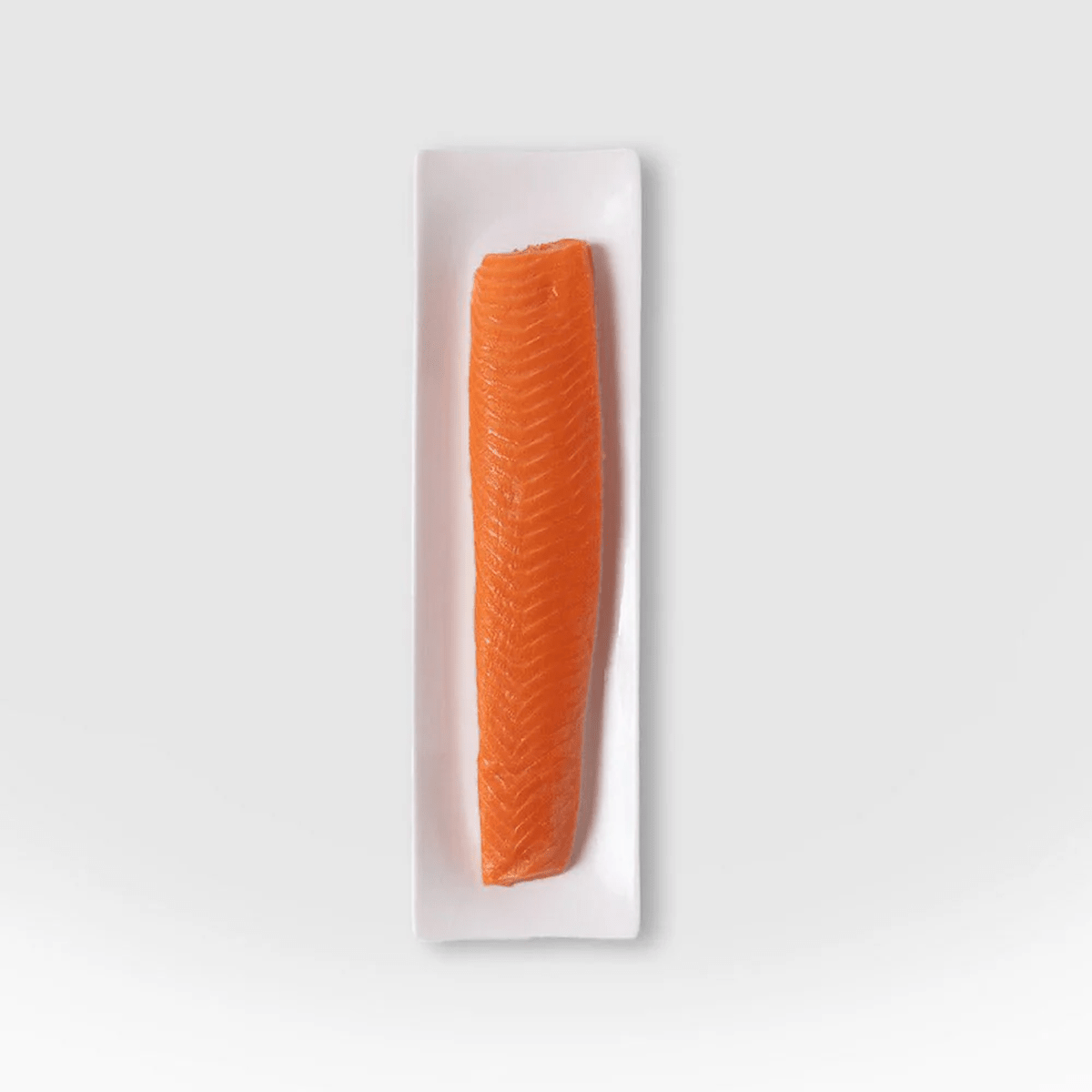
Clean salmon and steelhead are among the strongest options for DHA and EPA. Branzino offers a lighter but still meaningful omega-3 contribution, while Scallops provide lean protein and micronutrients in a very low-mercury format.
A special tip? What is good for fish babies also does wonders for human babies: Salmon Roe Caviar has off the charts nutrient density and can be used almost everywhere.
Try it on eggs, as a salad condiment or on your sashimi!

Our community trusts us for clean, healthy seafood
Join a community that is transforming their health

“I’m cooking with seafood from this company I found called Seatopia that does all sustainable seafood, and mercury tests all their products which is really good!
Gwenyth Paltrow
Celebrity & Wellness Guru

"If you want healthy, gourmet-style seafood, in the comfort of your own home, seafood that goes above and beyond any you've tasted before, you need Seatopia in your life!"
Ben Greenfield
Health & Fitness Coach
FAQs
Please read our FAQs page to find out more.
Can I customize my box?
We are essentially a farmers market for artisanal aquaculture. In that sense, our Seatopia curated boxes are like a CSA box. We offer our curated boxes as a way to highlight what is seasonally available and introduce our members to new seafood and farm partners they might be interested in. So, they cannot be customized.
But we do offer custom boxes! Members can order a custom box through the a la cart section of our website. Subscription members can mix and match items in their portal and take advantage of member-only items and offers.
Do I have to subscribe to place an order?
No! But becoming a subscriber is the best way to support aquaculture farmers raising fish the right way.
Your subscription helps us with planning harvest timelines and scheduling ocean freight, helping us move the industry away from unsustainable practices of flying fresh fish around the world. Subscribers also have early access to preferred pricing, exclusive add-ons and limited time offers.
You will never be locked in to a subscription - you may change the order, the frequency or cancel anytime.
Do you offer discounts?
As a general rule, we do not offer discounts, aside from a small thank you for first time customers. We offer the same incentive if you find us through one of our affiliate friends or supporters. Both are only available to first time customers.
Rather than ask our members to search the internet for discounts and coupons, we always offer the lowest prices we can.
The best way to save is by becoming a monthly subscriber. Our subscription members receive a small price incentive for helping us to reliably and predictably support artisan, regenerative aquaculture.
What about antibiotics?
At Seatopia, we have a strict zero-tolerance policy for the use of preventative antibiotics in our feed, and our partner farms do not use preventative antibiotics.
In extreme cases where a veterinarian prescribes antibiotics for an individual animal's treatment, that animal is quarantined for a sufficient period, typically at least 30 days, to ensure no detectable levels of antibiotics remain before it can be reintegrated or harvested.
However, these instances where antibiotics are prescribed are rare, and typically only realistically possible in open-ocean aquaculture.
Many of our land-based (RAS) farms use zero antibiotics under any circumstances. More information about these and our other farms can be found on individual farm pages.
We are always able to answer any additional questions via email at nemo@seatopia.fish
What is a portion?
Many in our community are cooking for households or meal planning around specific protein requirements. For that reason, we sell our curated boxes in portions, not pieces.
A portion is typically 5.5-8oz for filets. For other items, like scallops or smoked trout, a portion can be considered 3-4oz, which is the recommended portion size per the professional chefs and nutritionists that we work with.
So, a 12 serving box will contain 4.5-5.5lbs of raw seafood.