Recirculating Aquaculture at its Finest
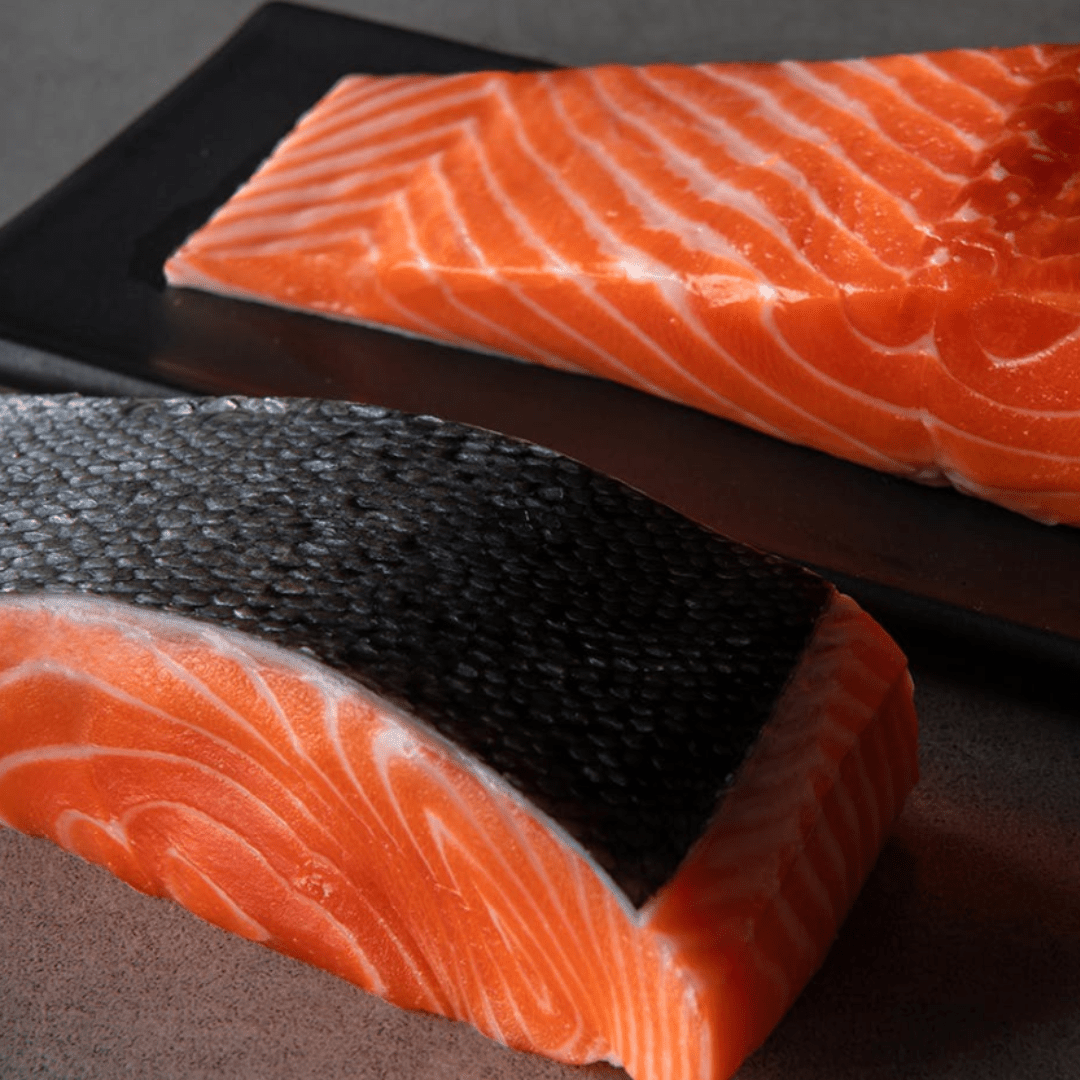
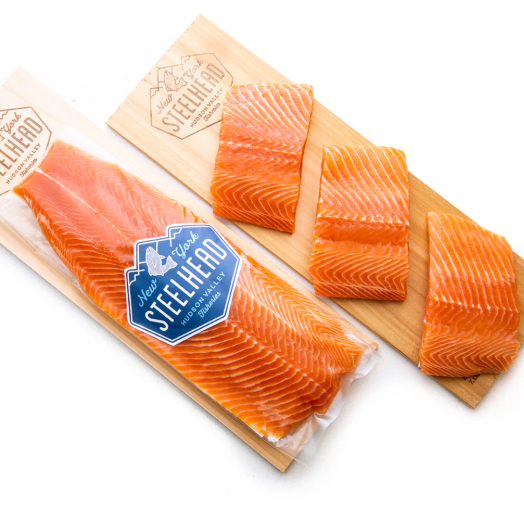
Hudson Valley Fisheries raises sushi-grade steelhead trout in a land-based recirculating aquaculture system (RAS) in the heart of New York’s Hudson Valley. With zero risk of escape into wild ecosystems or use of antibiotics, this is aquaculture done with precision and purpose. The result is steelhead with a buttery, mild flavor, firm texture, and beautiful color. Rich in omega-3s and favored by New York chefs for its versatility. Raised with care from egg to harvest in an indoor facility powered by smart water recycling and clean feed, this steelhead trout offers the integrity of local, traceable production with the culinary quality of the finest seafood in the world.
A Model for Farming Near Densely Populated Markets in New York
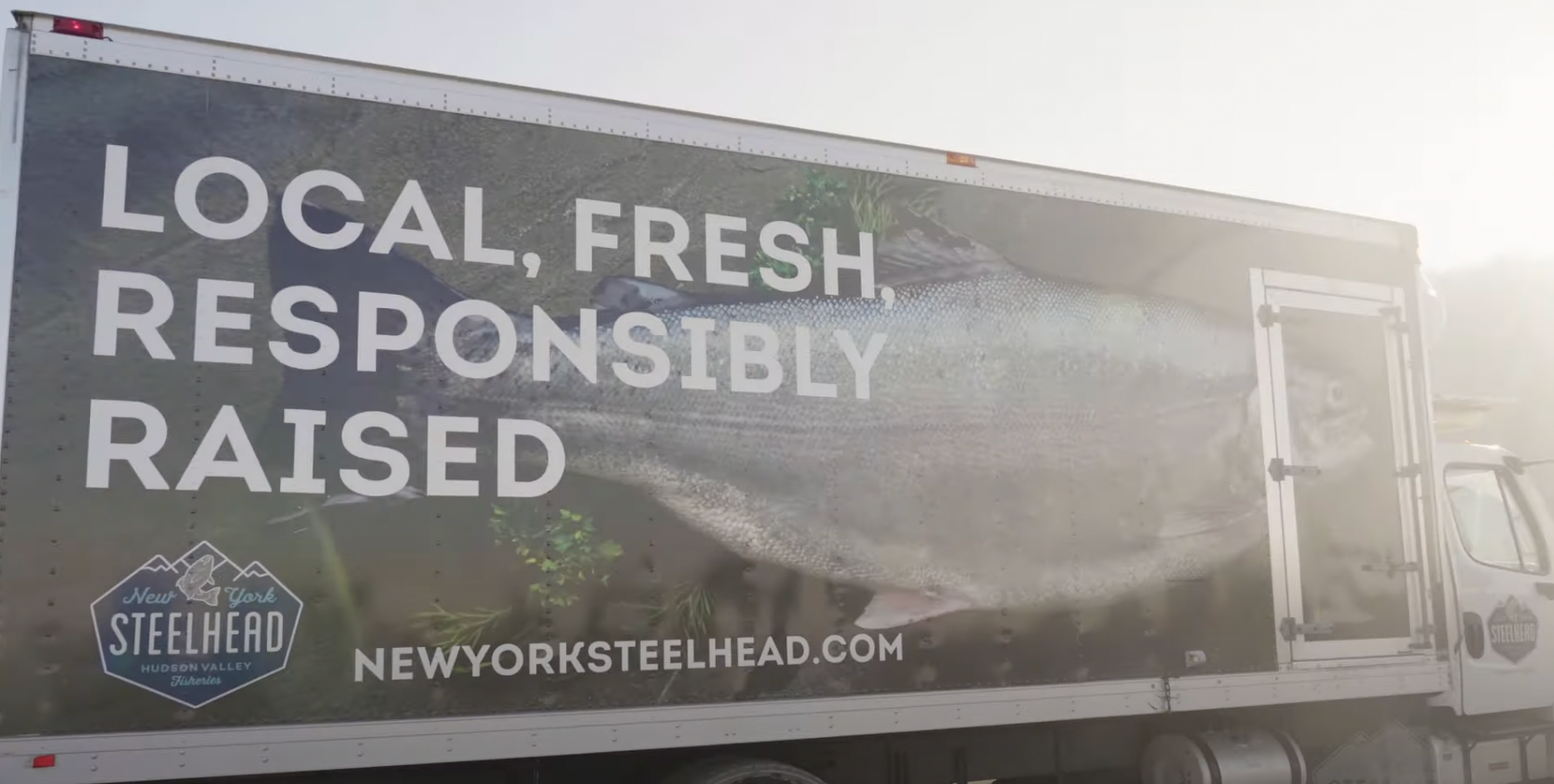
The facility sits in Columbia County, just a few hours from New York City, where it draws city water into a fully closed-loop RAS system. This biosecure environment keeps fish safe from outside pathogens and predators while eliminating environmental discharge and escapes. It’s a climate-controlled ecosystem that recycles almost 100% of its water, filters solids into organic potting soil, and even shares nutrient-rich wastewater with a neighboring farm. Locating the farm near major food markets not only ensures unbeatable freshness but significantly reduces the carbon footprint compared to remote sea farms or long-haul imports.
Seafood Watch's "Best Choice" Steelhead Trout
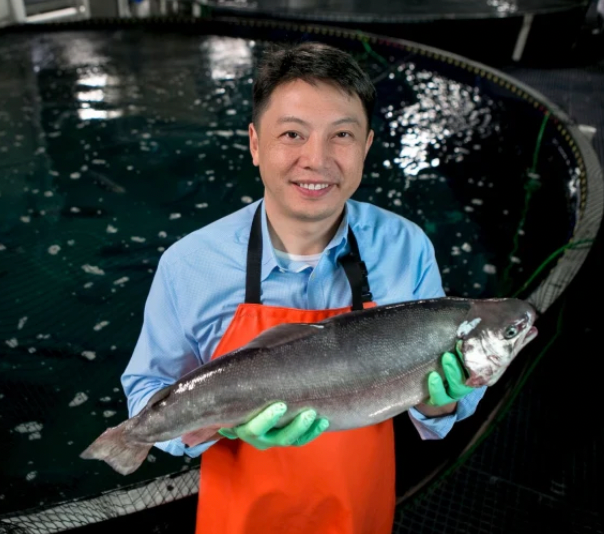
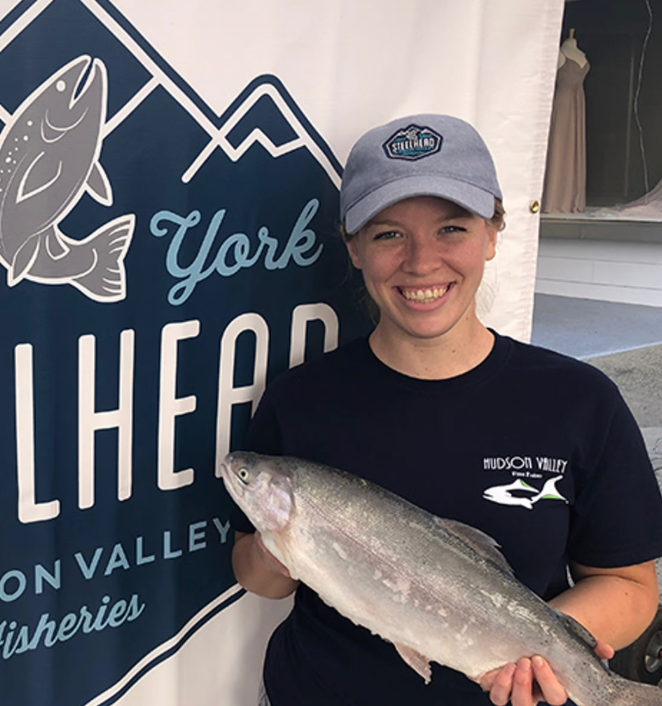
Hudson Valley Fisheries is the creation of a team of aquaculture engineers, environmental scientists, and food system realists led by Ed Tribe committed to doing things differently, and doing them right. Ed spent years refining the operation, combining art and science to raise fish in a tightly controlled, land-based system that sets a new standard for domestic aquaculture. With over 100 employees and a 24/7 operation, the farm is built on deep curiosity and high standards. Regularly audited, 4-Star BAP, continually optimized, and driven by a belief that food should nourish both people and planet. Their work supports rural jobs, local food systems, and the next generation of responsible aquaculture.

Hudson Valley Fisheries
Steelhead Trout
Hudson Valley raises Oncorhynchus mykiss, also known as steelhead trout, a species that bridges the gap between trout and salmon in both biology and flavor. While steelhead are trout by classification, they share the anadromous life cycle of salmon, traditionally migrating between fresh and salt water. The result is a fish with the color, texture, and taste of salmon, but with a more delicate flavor and slightly leaner profile. Rich in omega-3s and high in protein, steelhead is versatile in the kitchen: perfect for sashimi, searing, baking, or smoking.
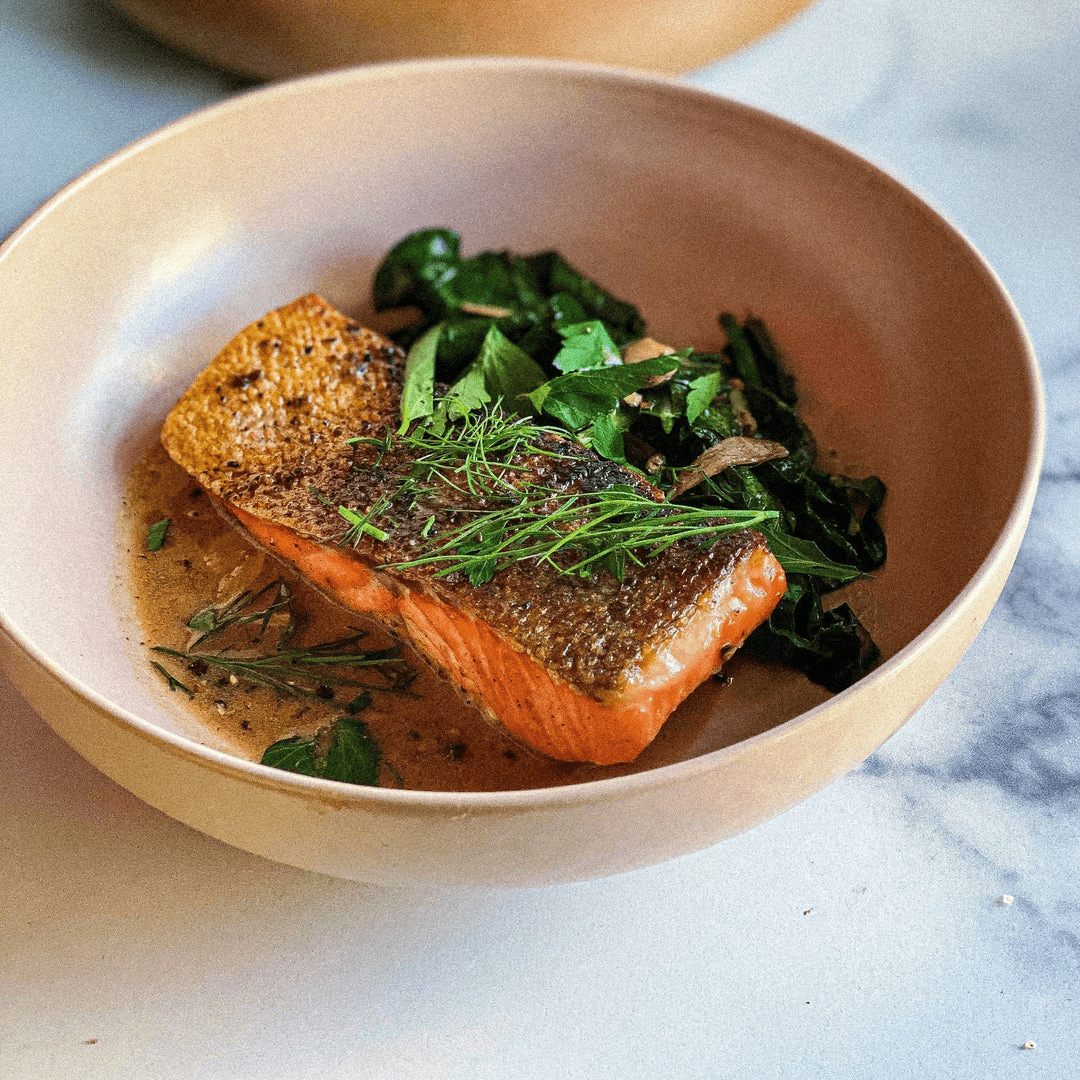
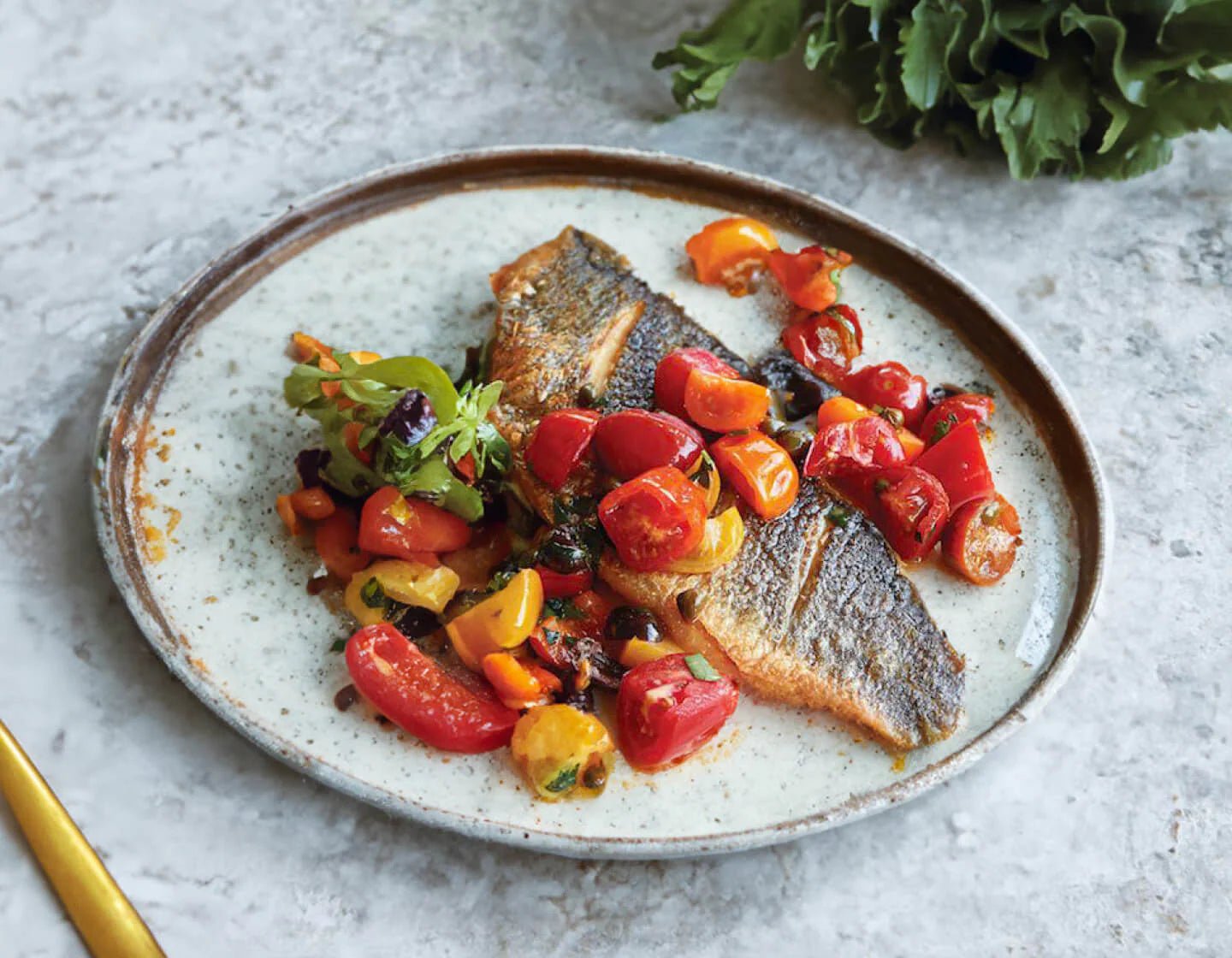
Buttery, vibrant, and clean. Perfect pan-seared or sliced for sashimi.

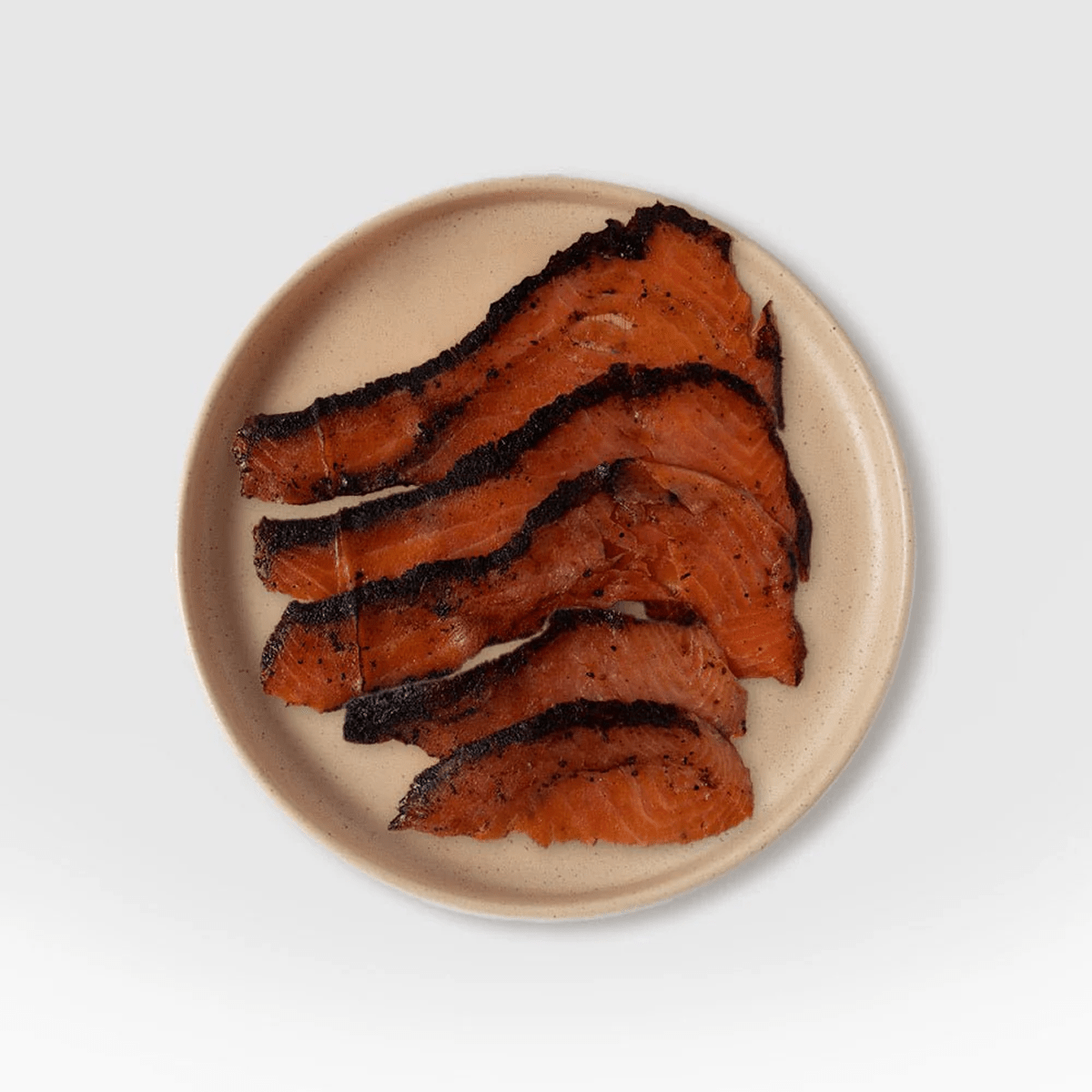
A deli tradition with pristine seafood. Tender, luxurious with deep umami
What do the fish eat? - Fish feed FAQ
Feed is the single biggest factor in how clean and how nutritious a fish is. A fish is built from what it eats, which means the feed decides its omega-3s, its mineral profile, and how much mercury or microplastic it carries. That's why we treat feed as a sourcing requirement rather than a farm detail, and why every farm we work with has to tell us exactly what goes into the pellet.
Feed varies by farm, by species, and by stage of growth. The ingredients and the rules below hold across all of them.
What can be in it?
Algae oil:
The original source of EPA and DHA omega-3s. Fish don't make omega-3s, they accumulate them from what they eat. Algae is where those fats come from in the ocean too.
Marine ingredients (fishmeal, fish oil):
Protein and fats in the form fish evolved to digest. We work to reduce this share over time, not eliminate the nutrition it provides. A large amount of marine ingredients already come from offcuts, meaning parts of fish that are not suitable for human consumption, and so reducing ocean impact further.
Plant proteins (soy, pea, barley, corn, pistachio):
Non-GMO, high-protein, highly digestible. Replaces wild-caught protein without issues for the fish, reducing ocean impact.
Amino acids and minerals:
Fills the specific nutritional gaps plant proteins leave, so nothing is missing from the diet.
Astaxanthin:
A naturally occurring carotenoid, the same one found in kelp, krill and shellfish. It's an antioxidant for the fish and the reason salmon flesh is pink.
What's never in it?
Preventative antibiotics, hormones, GMOs, synthetic colouring agents.
Why is there plant protein in fish feed?
Because the alternative is more wild fish. Aquaculture used to run almost entirely on fishmeal and fish oil, which meant catching enormous volumes of small wild fish to grow larger ones. Swapping part of that for high-protein plants takes pressure off those wild stocks while still giving the fish bioavailable protein.
There's a second reason: wild fish carry what the ocean carries. Less wild fish in the feed means less mercury, fewer microplastics and lower parasite risk arriving in your fillet. A controlled diet is what makes a clean fish possible.
Are the fish dyed?
No. Post-harvest colouring agents are prohibited across everything we sell. Colour comes from astaxanthin in the feed, a natural carotenoid found in kelp, krill and shellfish. Wild salmon get their colour the same way. So do flamingos.
Hudson Valley Steelhead Trout Recipes
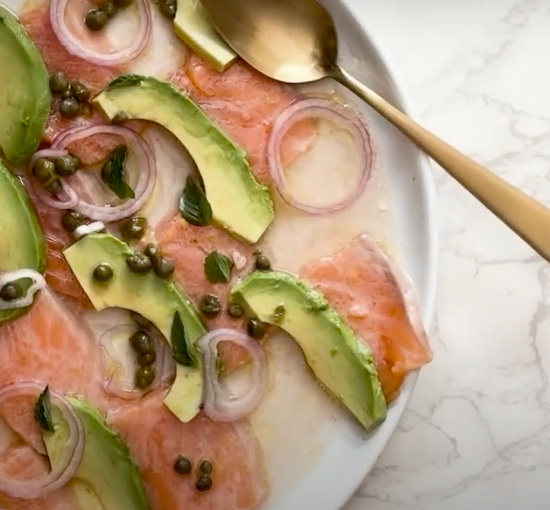
Steelhead Crudo di Pesci
Italian style crudo that works well with king salmon, Atlantic salmon or steelhead. Be generous with the olive oil!
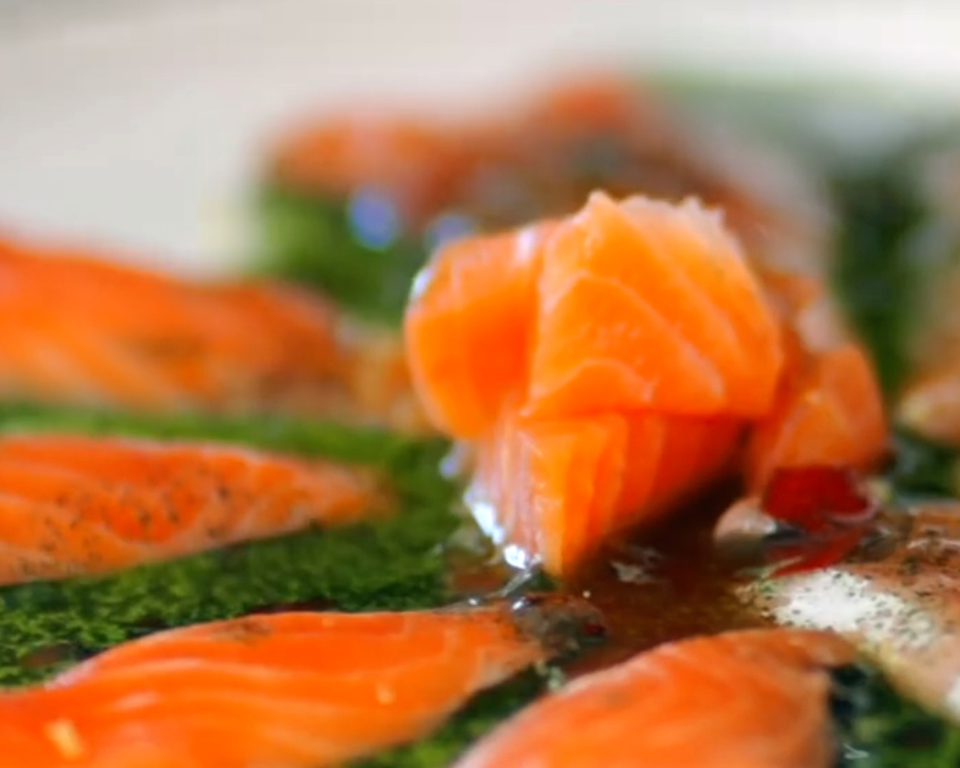
Spirulina-Infused Crudo
Prepare Steelhead Crudo with green spirulina emulsion. Seatopia’s sushi-grade seafood delivers abundant Omega-3s to support heart and brain health.
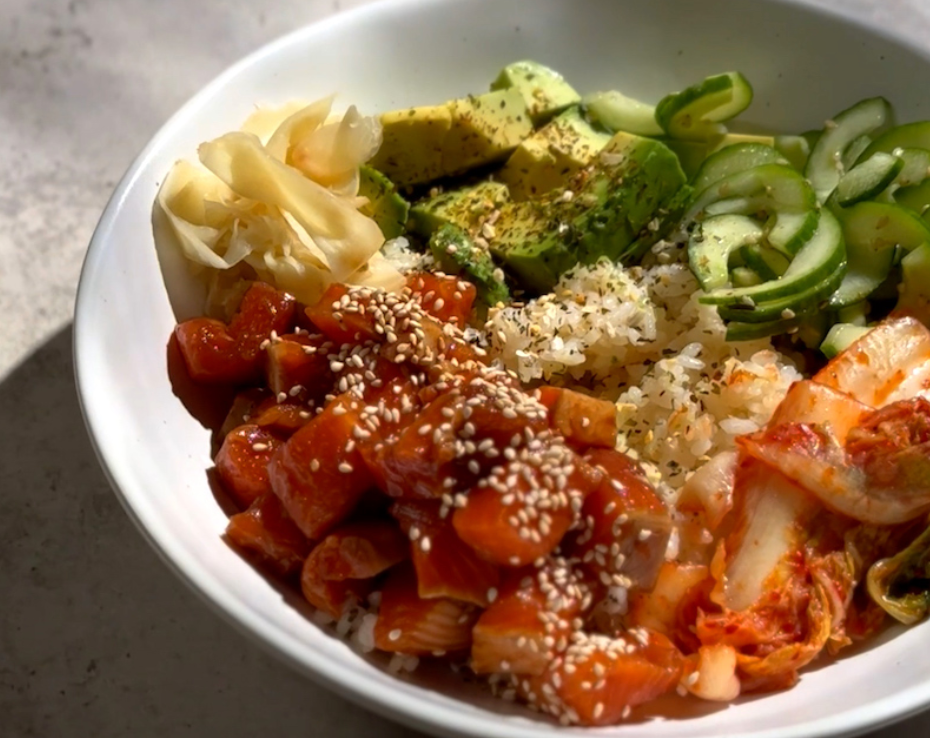
Steelhead Poke Bowl
Join us in this new recipe where we dive into the traditional flavors of Hawaii with a classic Salmon Poke, made with New Zealand King Salmon from Seatopia. This step-by-step guide walks you through preparing a flavorful poke, marrying the rich taste of sushi-grade salmon, loaded with omega-3s, with the freshness of pickled ginger and garlic, known for their digestive and immune-supporting properties. Perfectly paired with organic sushi rice and creamy avocado, this dish is a true celebration of Hawaiian cuisine and wholesome nourishment.