

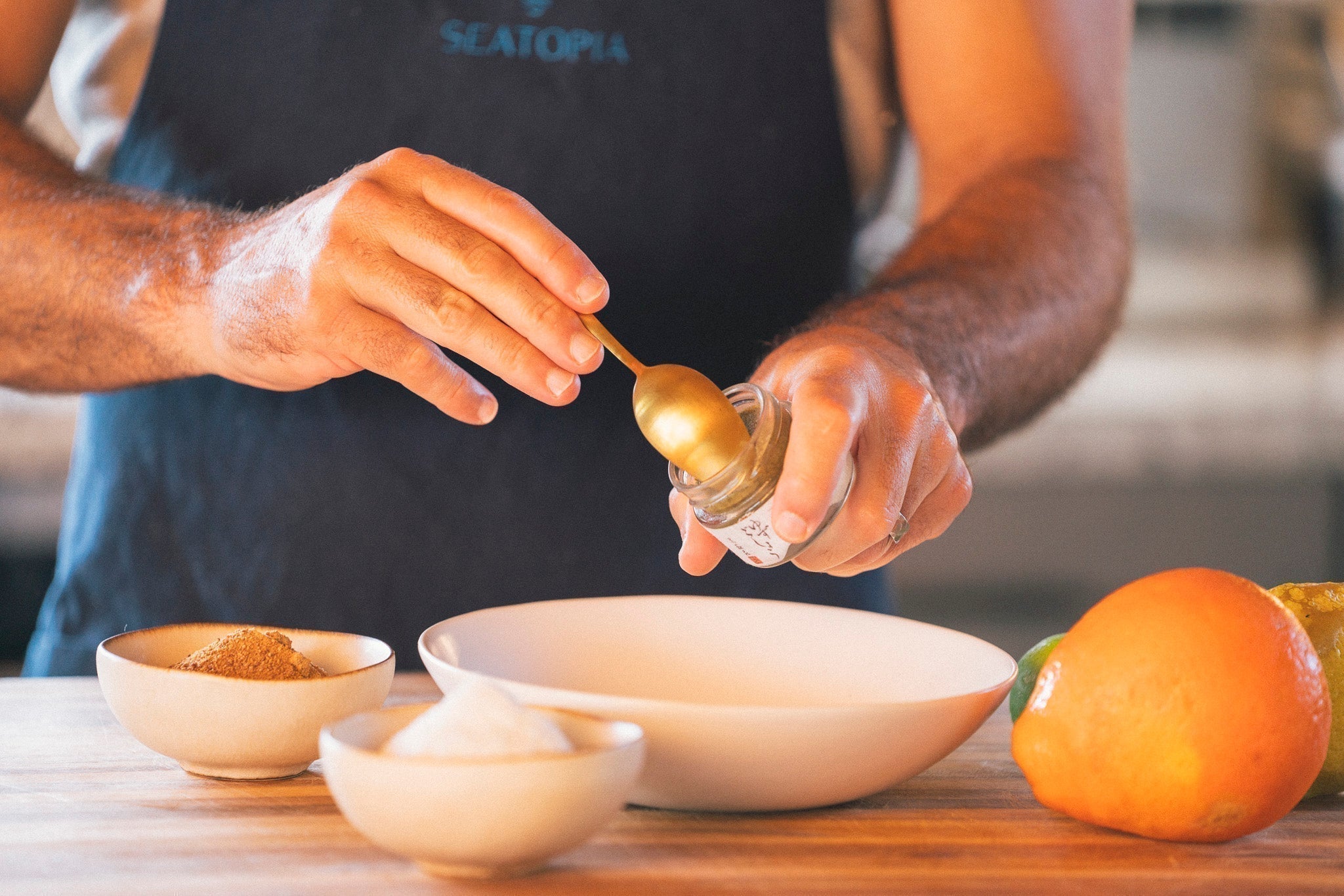
Through eating Seatopia you've optimized your seafood. Now is the time to optimize everything that touches it — the paper, the condiments, the spices. Even if the seafood is pristine, it does not matter if the other ingredients or tools used contain toxins. Let's make sure your kitchen tools and ingredients live up to the seafood you are preparing.
Omega-3 rich seafood is lipophilic "fat-loving" — it dissolves in, mixes with, or absorbs fats, oils, and non-polar compounds.
A lot of what we use at home can be harmful and contains elements we definitely do not want in our food. Some of these are chlorine-bleached parchment, seed-oil condiments and oxidized spices.
Each one is a vector for introducing what you've worked so hard to keep out.
The Big 3 Offenders:
Often going overlooked, the three most contaminated and least scrutinized categories in any kitchen: Paper Products, Spices and Salt.
Paper Products:
Avoid:
• Chlorine-bleached parchment
• PFAS-coated baking paper
• Wax paper with synthetic coatings
• Fragrance-treated napkins
Upgrade to:
• Unbleached (brown) parchment
• Unbleached recycled paper towels
• Stainless steel baking racks
• Platinum-grade silicone mats

Salts:
Avoid:
• Heavily refined iodized table salt
• Anti-caking chemical additives
Upgrade to:
• Mineral-rich sea salt
• Flake salt for finishing
Spices:
Avoid:
• Bulk spices sitting for years
• Pre-ground, light-exposed spices
• Ultra-cheap imported blends
• Anti-caking agents in blends
Upgrade to:
• Whole spices, freshly ground
• Organic when possible
• Stored in dark glass jars
• Small batches, replaced yearly

Condiments:
Even a pristine piece of fish can be undermined by the wrong sauce. Most commercial condiments are built on seed oils, added sugars, and undefined "natural flavors." Use the following list to check yours and make sure you only let the good stuff into your kitchen.
Fats:
✗ Soybean oil
✗ Canola oil
✗ "Vegetable oil blend"
✓ Olive oil-based mayo
✓ Avocado oil dressings
✓ Cold-pressed, high-polyphenol EVOO
Fermented:
✓ Raw sauerkraut
✓ Clean-ingredient kimchi
✓ Coconut aminos
✓ Traditionally brewed tamari
Supports gut diversity, SCFA production & immune modulation.
Sweeteners:
✗ High fructose corn syrup
✗ Dextrose / maltodextrin
✓ Raw honey (if tolerated)
✓ Minimal — or none
Watch for:
✗ Undefined "natural flavors"
✗ Artificial colorants
✗ Sodium benzoate
✗ Labels longer than 6 ingredients

The Non-Toxic Kitchen Checklist
A fast-reference audit for your kitchen environment.
- No scratched nonstick / no Teflon
- Stainless, cast iron, or carbon steel cookware
- Glass or stainless food storage
- No plastic wrap on fatty foods
- Wood or bamboo cutting boards only
- Filtered water (carbon or RO)
- No seed oils at high heat
- No reheating oxidized oils
- Unbleached parchment / no PFAS paper
- Fermented condiments prioritized
- Whole spices, replaced yearly
- Vent hood on during high-heat cooking
Feel free to book a Chef 1-1 call with our staff to learn more about how to equip your kitchen and take your inner seafood Chef to the next level.

Share:
Measuring What the Ocean Does in the Body
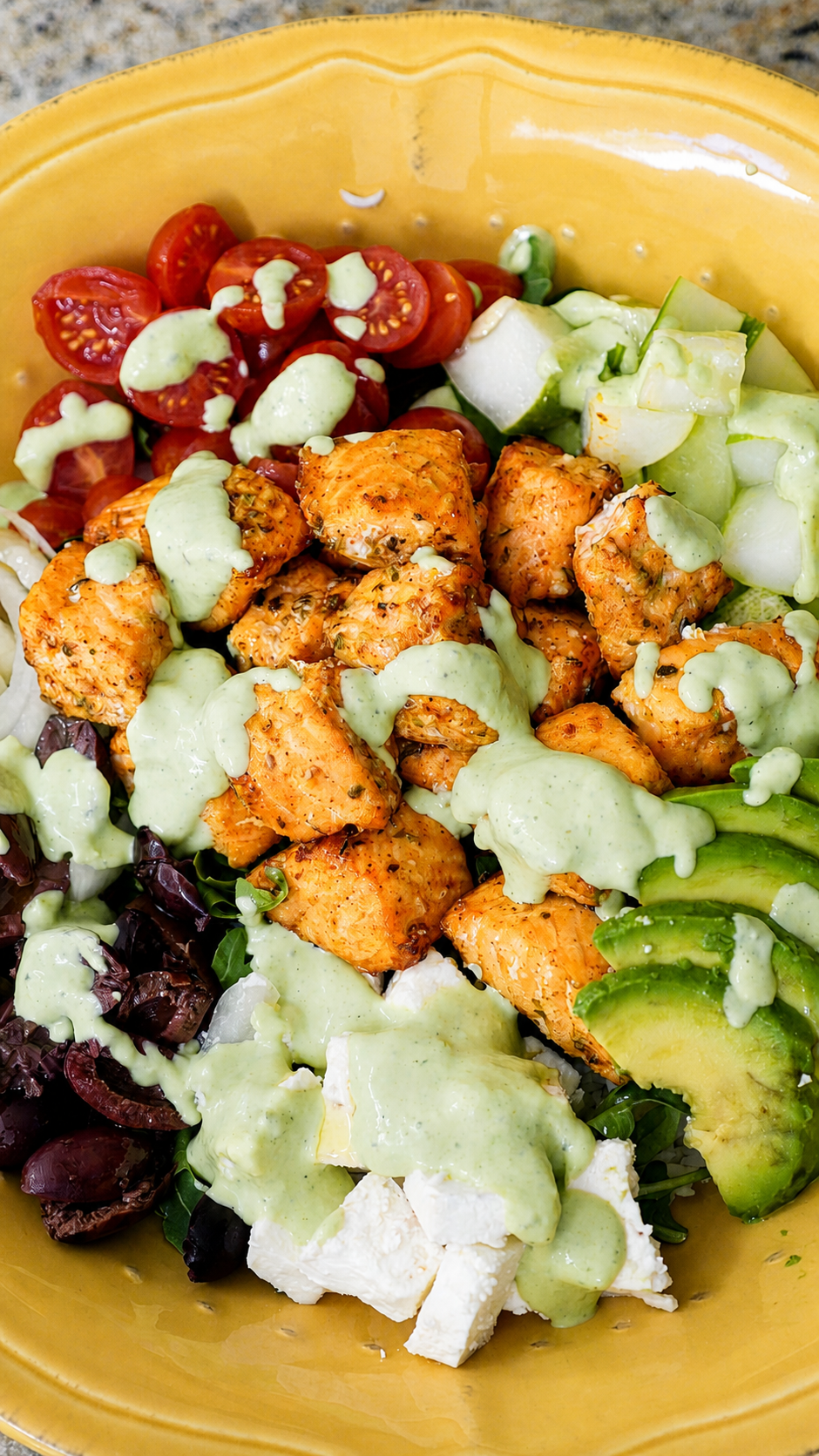
Seatopia Ambassador Recipe: Lauren Less’ Salmon Cobb Salad