



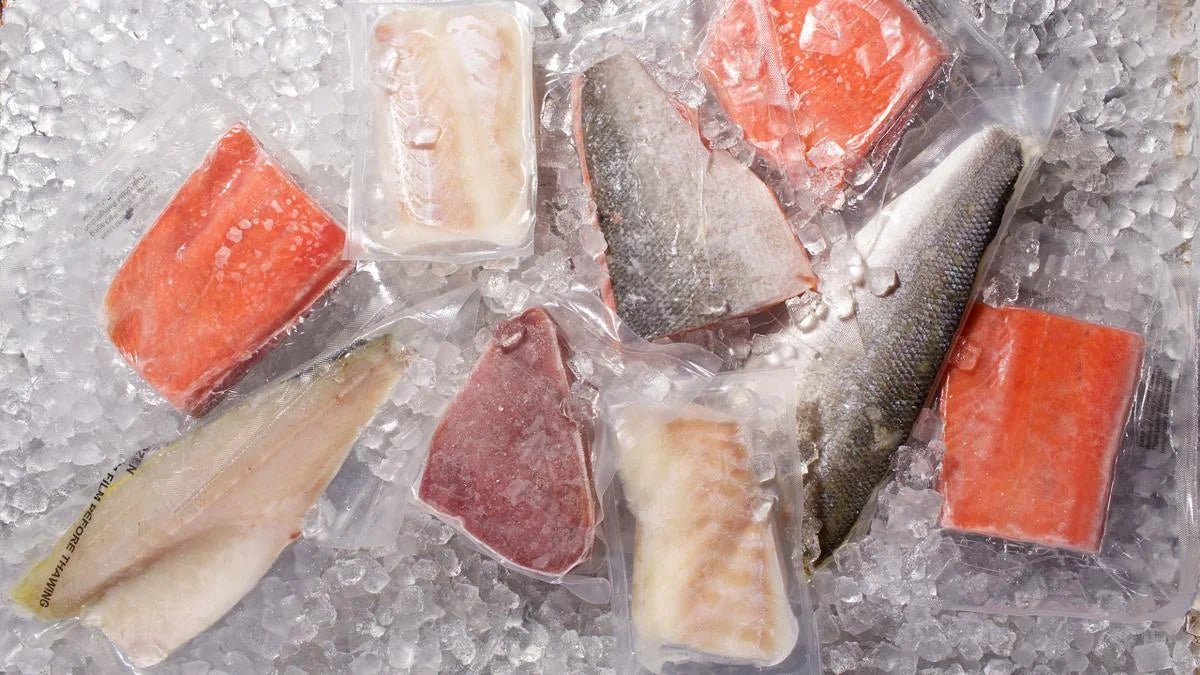
Seafood, in its prime state, is synonymous with delicate fresh flavors, succulence, and gourmet quality. However, maintaining peak freshness can be a daunting task due to the highly perishable nature of fish and shellfish. With the marvel of modern food technology, Seatopia is leveraging the revolutionary potential of superfrozen seafood. This blog post aims to enlighten you about this groundbreaking method and how it enriches both consumers and the seafood industry while making a strong case for its superiority over fresh seafood.
Discovering Superfrozen Seafood:
Superfrozen seafood refers to a high-tech freezing method that plunges the seafood to extreme subzero temperatures, typically ranging from -40°C to -60°C (-40°F to -76°F), within moments of the catch. This ultra-rapid freezing is a stark departure from conventional practices which may take hours or days, allowing for minimum ice crystal formation and ensuring peak product quality.

The Superfrozen Edge:
Unlike traditional freezing, superfrozen seafood leverages the speed of the freezing process. The prompt freezing forestalls the formation of large ice crystals that could disrupt the seafood's delicate cellular structure. This innovative method safeguards the seafood's inherent flavors, textures, and nutrients, rendering a product that astounds with its freshness even after extended storage periods.

Marvels of Superfrozen Seafood:
Unrivaled Quality: Superfrozen seafood holds on to its fresh-harvested taste and texture for long stretches, bringing the joy of fresh catch to your plate. From fish to shrimp, scallops, and other sea treasures, superfrozen seafood mirrors the flavor and appearance of freshly caught seafood.
Prolonged Shelf Life: Superfrozen seafood, thanks to the immediate freezing, can be preserved far longer than its traditionally frozen counterpart. This mitigates spoilage risk, allowing seafood lovers to relish their favorite delicacies all year round, independent of their seasonal availability.
Convenience Redefined: Superfrozen seafood paves the way for unmatched convenience. With an extended shelf life, one can make bulk purchases and store it until needed, thus eradicating frequent market visits. Moreover, it negates the need for preservatives or additives, which are often employed to enhance the shelf life of traditional frozen seafood.
Enhanced Food Safety: The speedy freezing involved in superfrozen seafood acts as a barrier against harmful bacterial and parasitic growth, augmenting food safety and minimizing the threat of foodborne illnesses linked with improper seafood storage or handling.
Sustainability Champion: By adopting superfrozen seafood, we're also making a significant stride towards environmental responsibility. A study by the European Commission reveals that air freight, often necessary for fresh seafood due to its limited shelf life, produces 47 times more CO2 emissions per tonne-kilometer as compared to sea freight.
In a stark illustration, the Environmental Defense Fund (EDF) estimates that air freighting salmon from Norway to Asia emits around 5.5kg of CO2 equivalent for each kilo of fish. This implies that a typical serving of fresh salmon could carry a carbon footprint equivalent to driving a car for 13 miles!
Frozen seafood, in contrast, can leverage the much lower carbon footprint of ocean freight due to its extended shelf life. The International Council on Clean Transportation notes that shipping a tonne of goods by sea emits approximately 15g of CO2 per tonne-kilometer, in stark contrast to the 500g of CO2 per tonne-kilometer produced by air freight.
Moreover, superfrozen technology can further enhance this environmental advantage. The long shelf life of superfrozen seafood minimizes the need for frequent shipments, reducing the overall carbon emissions associated with delivering your favorite seafood to your plate. This is yet another compelling reason to embrace superfrozen seafood, a choice that delivers premium quality while being kinder to our planet.
Sushi-Grade Frozen Seafood: The US FDA doesn't have specific guidelines concerning parasite destruction in seafood to label it as "sushi-grade". The term "sushi-grade", unregulated by any US government agency, is generally used by vendors to indicate their supplies are fresh, of high quality, and treated with care to minimize the risk of foodborne illnesses.
However, the FDA has general seafood safety guidelines and recommendations to prevent parasitic infections. According to FDA’s Seafood HACCP (Hazard Analysis and Critical Control Points) regulations, seafood intended for raw consumption should be frozen to annihilate parasites.
The FDA advises that fish for raw consumption should be frozen at -4°F (-20°C) or below for at least 7 days or at -31°F (-35°C) or below for 15 hours minimum. Such freezing temperatures are believed to effectively obliterate most parasites in seafood.
Farmed seafood typically undergoes a "flash freezing" process to rapidly freeze the fish at low temperatures. This method minimizes ice crystal formation, thereby maintaining seafood quality.

Superfrozen seafood is reshaping the seafood industry, ensuring consumers can savor the freshest and highest quality seafood at any time. The fast freezing of superfrozen seafood secures the fragile flavors, textures, and nutrients, delivering a luxurious seafood experience. Additionally, it lengthens shelf life, heightens convenience, and promotes food safety and sustainability. So, whether you're a seafood aficionado or a culinary professional, elevate your dining experience to unprecedented heights with superfrozen seafood.
When we founded Seatopia, we knew that a future proof seafood supply chain had to be built on a foundation of superfozen sustainably farmed seafood. Although most people at the time wanted fresh, wild-caught seafood, we made a bet that doing things in alignment with our values from the beginning would eventually pay off. It takes time to change public opinion but with your support we are making waves. Thank you for supporting Seatopia and our mission to build a truly regenerative seafood supply chain and positively evolve our relationship with the Blue Planet!


Share:
FORBES Magazine Highlights SEATOPIA
Navigating an Ocean of Information: A Comprehensive Guide to Mercury Detox and Safe Seafood Consumption