Mark’s Kitchen × Seatopia
The miso-glazed salmon from Mark’s Kitchen — and the only seafood Dr. Mark Hyman personally verified.
You came for the recipe. It’s right below, in full.
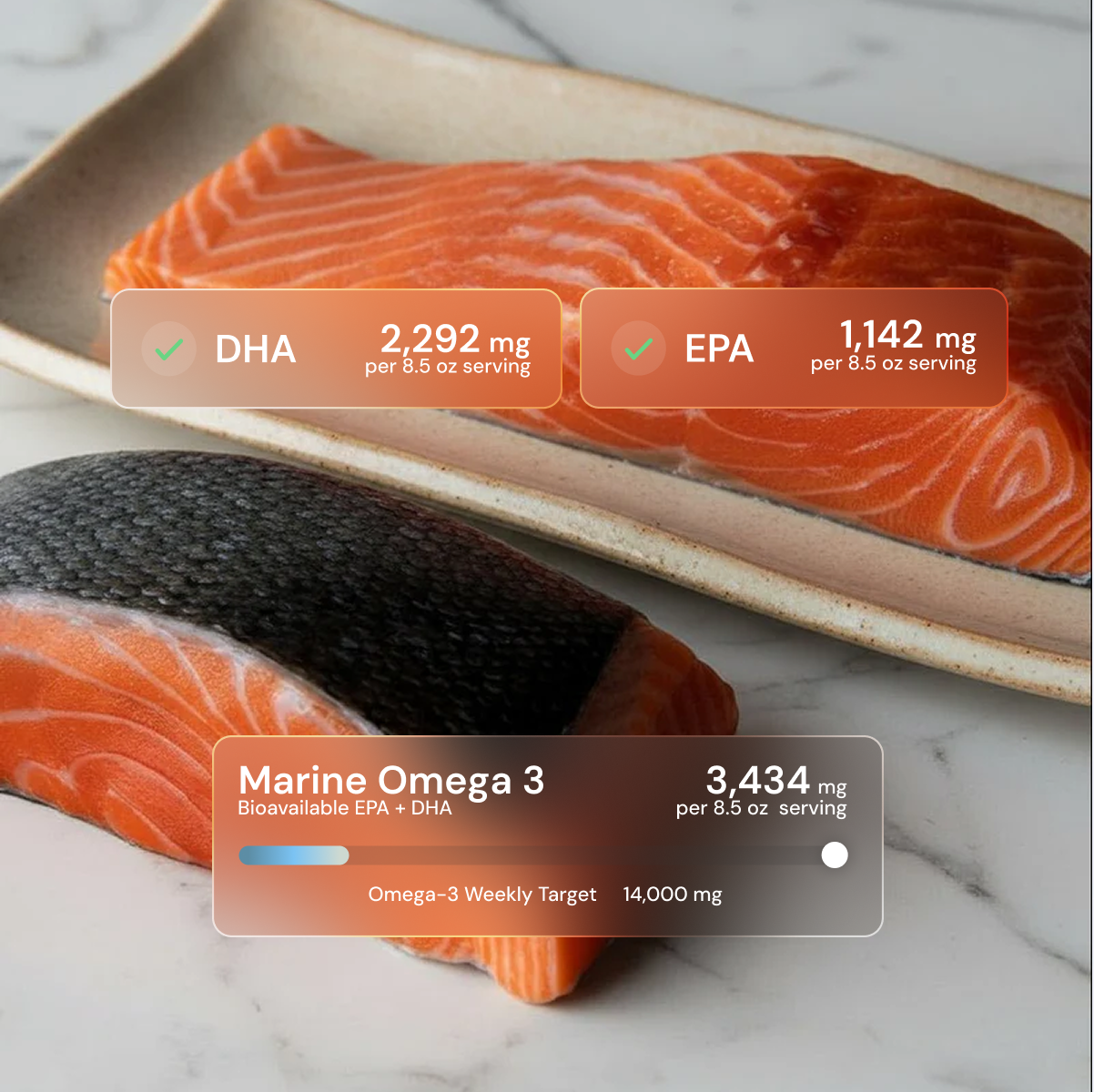
The reason it works is the fish: one filet of Seatopia King Salmon delivers 3,414 mg of lab-verified EPA + DHA, with a published Certificate of Analysis for mercury, microplastics, and omega-3s on every supplier. Not estimated. Measured.
Mark’s Kitchen × Seatopia
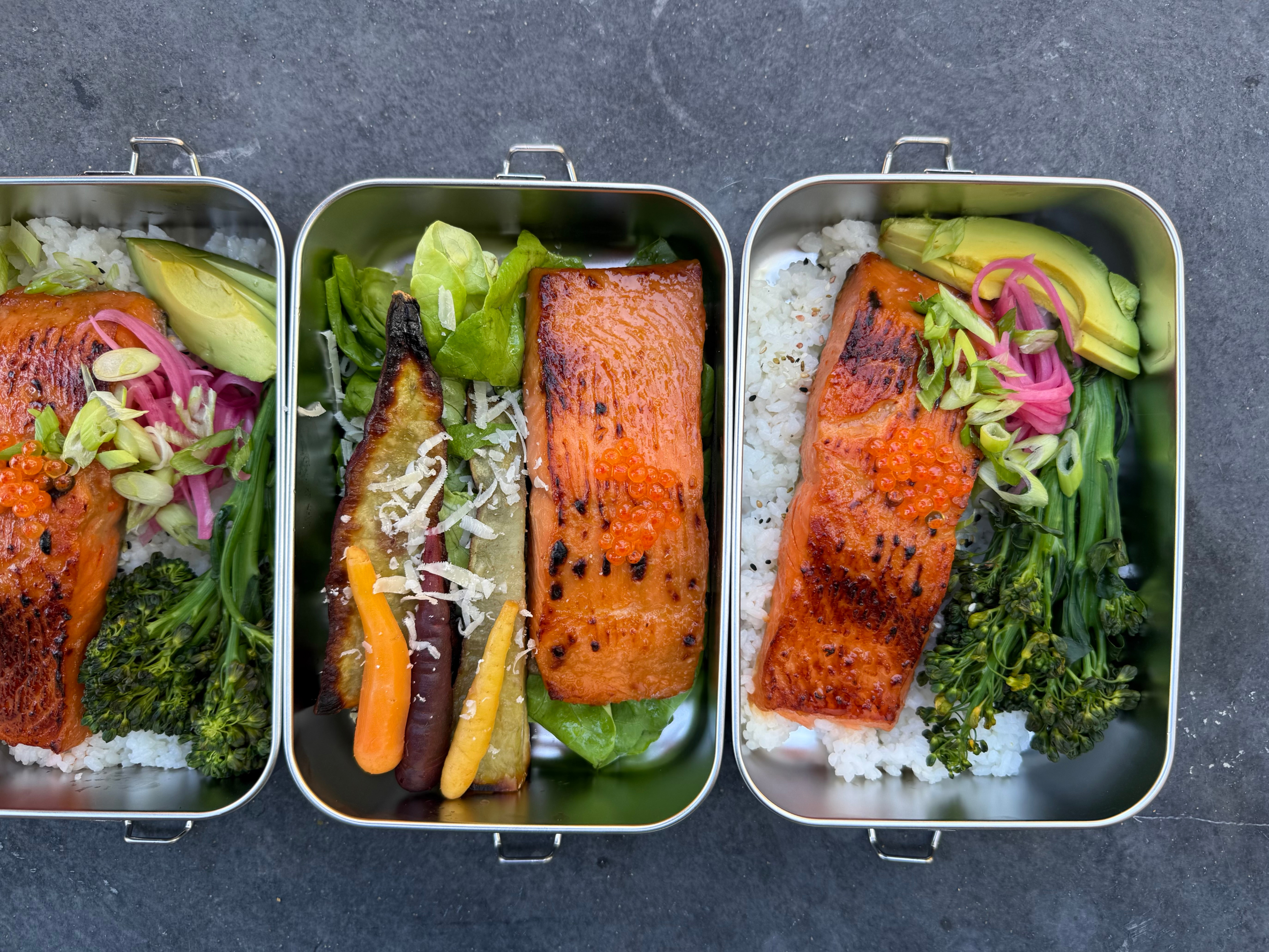
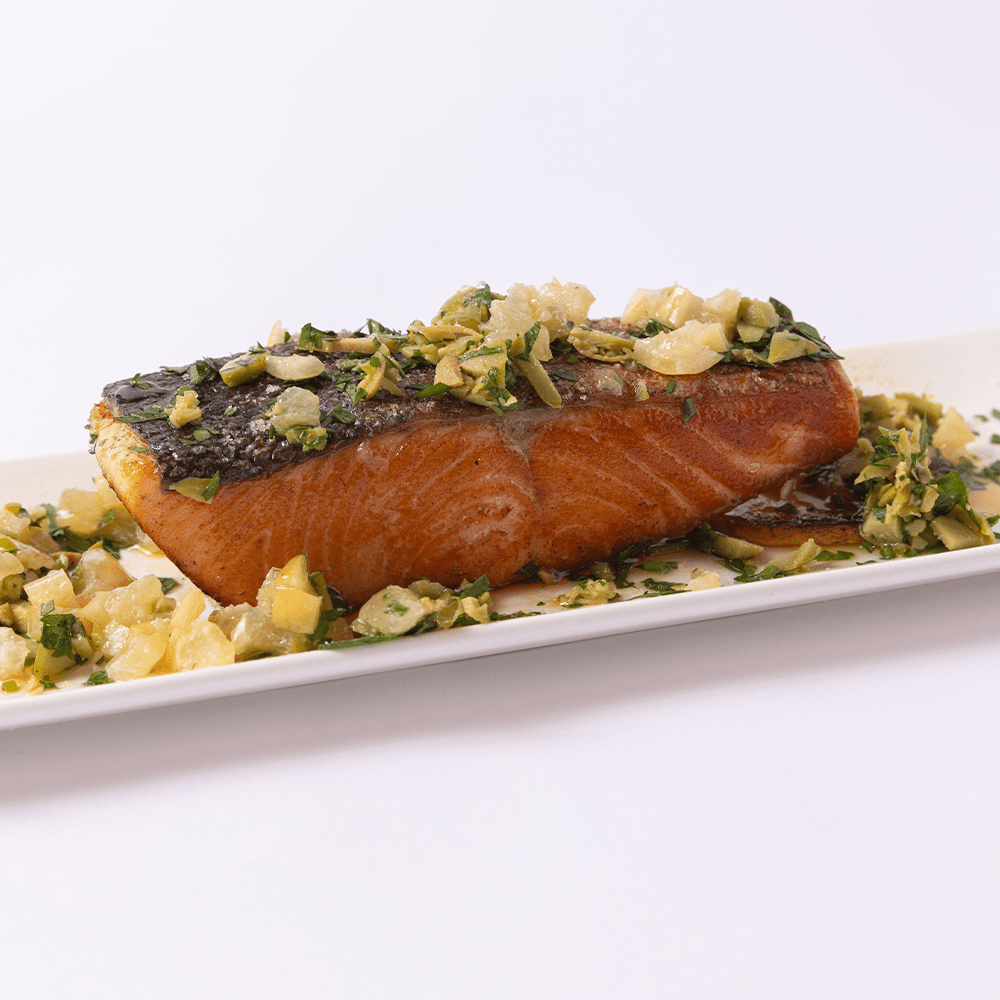
Nobu-Style Miso-Glazed King Salmon Bento Box
Marinated 48 hours in saké, miso, and coconut sugar, then broiled until the edges caramelize. It is just as good at room temperature as it is warm, which is what makes it one of our favorite proteins to prep ahead for the week.
For the salmon
- 4 King Salmon fillets, defrosted
- ½ cup organic saké
- ¼ cup organic miso paste
- 2 tbsp organic coconut sugar
For the bento boxes
- 1 cup cooked organic sushi rice
- 1 bunch organic purple broccolini, blanched
- 1 organic avocado, sliced
- ½ cup organic pickled red onions
- 2 tbsp organic scallions, chopped
- A spoonful of salmon roe
- Build the glaze. Simmer the saké over medium heat, whisk in the miso until dissolved, then add the coconut sugar. Reduce by half, about 10 minutes, stirring so it does not catch.
- Cool it completely. Transfer to a shallow bowl and refrigerate 10–15 minutes. Warm marinade starts cooking the fish — do not skip this.
- Prep the fillets. Rinse under cold water, pat dry, and run your fingers over the flesh to find any pin bones. Tweezers for strays.
- Marinate 48 hours. Coat every side, cover, refrigerate, and turn once at the halfway mark.
- Broil about 5 minutes. Scrape the excess marinade, brush on a thin fresh layer, and broil until the edges go deep golden. Pull at 130°F and rotate the pan halfway through.
- Rest, then build. Five minutes of carryover brings it to roughly 150°F. Layer rice, broccolini, avocado, and pickled onions, set the salmon on top, and finish with roe and scallions.
A 48-hour marinade is only as good as the fish under it.
This recipe leans on a long cure and a hard broil. That is unforgiving on a mediocre fillet — and spectacular on a great one.
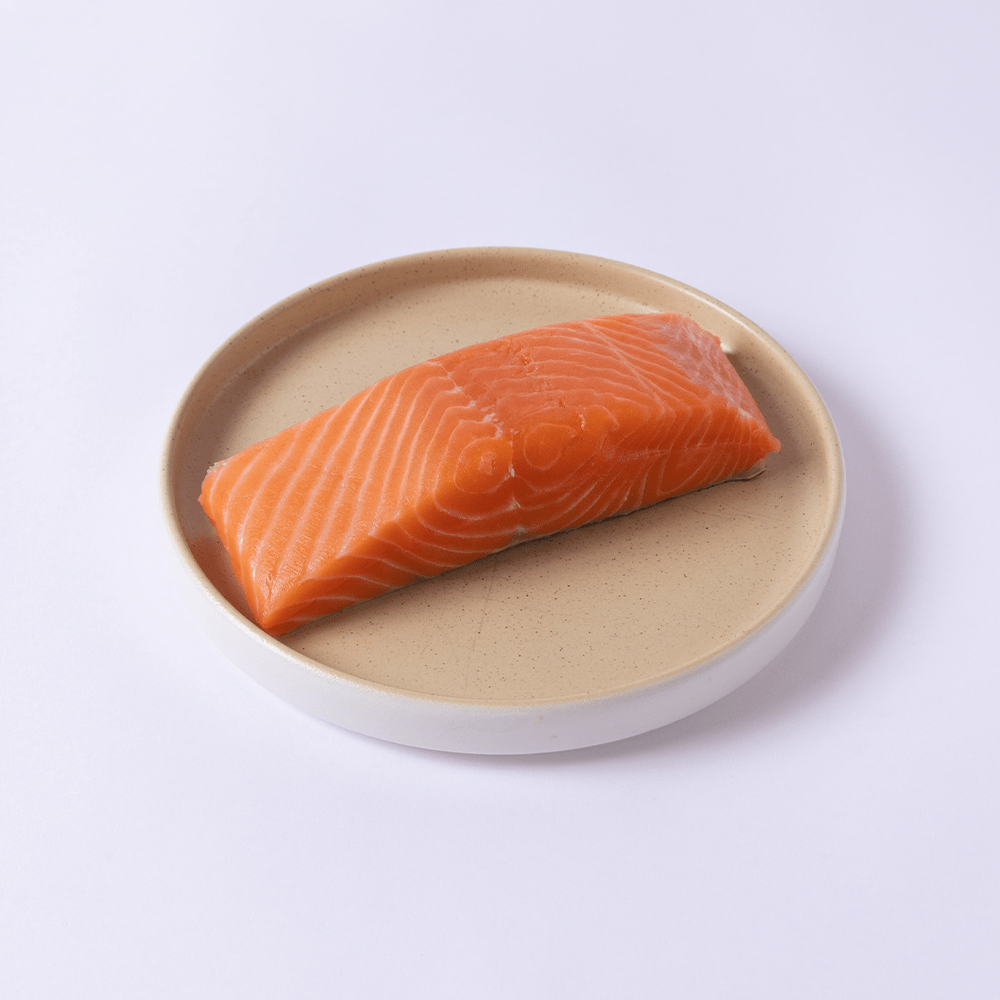
Seatopia King Salmon comes from Mt. Cook Alpine Salmon, raised in glacier-fed freshwater canals in New Zealand’s Southern Alps — no antibiotics, no hormones, constantly flowing alpine water. That is where the fat marbling comes from, and the marbling is what caramelizes.
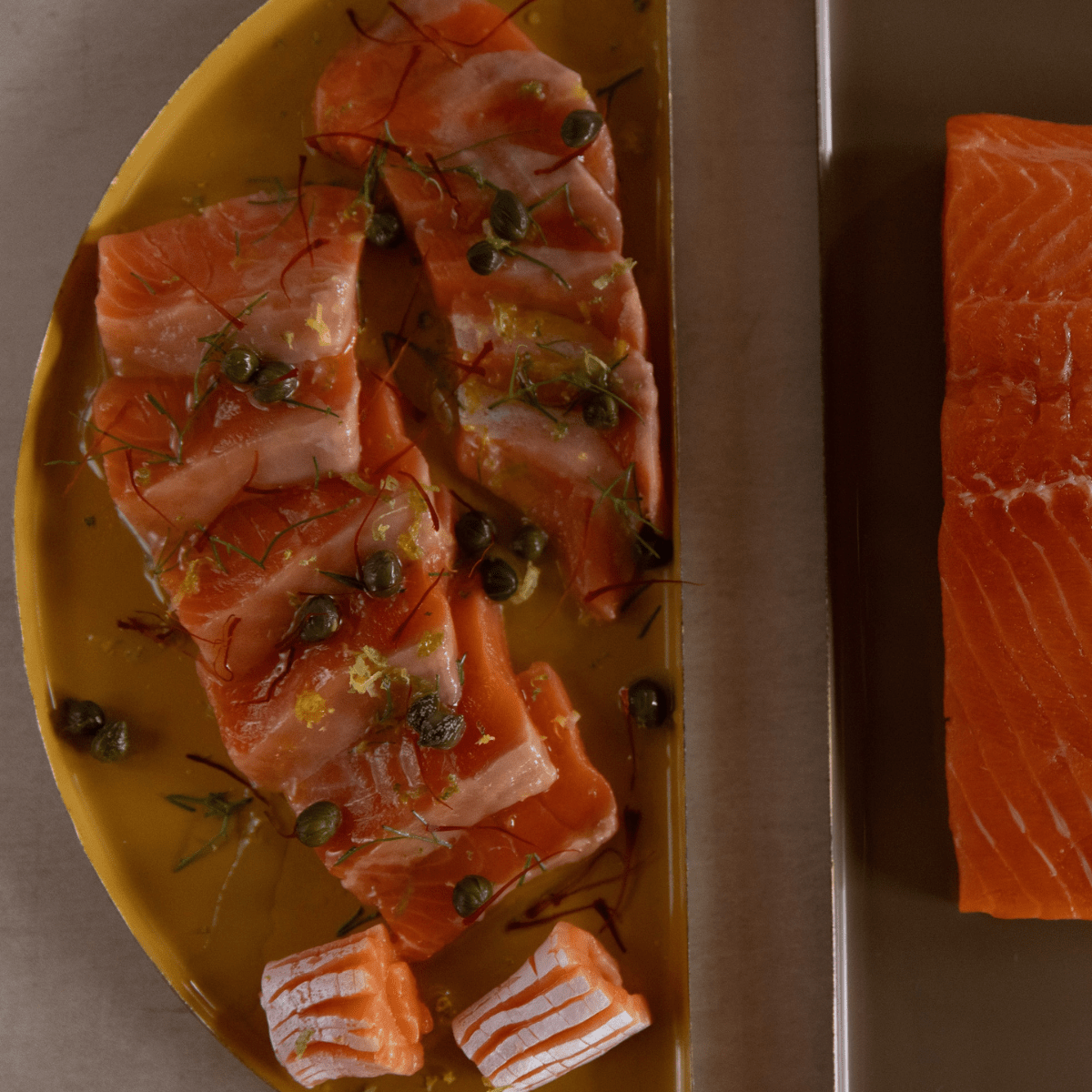
It is sushi-grade, so the same filet you broil tonight can be sliced raw tomorrow.
The receipts
Every supplier is tested. Here are the actual numbers.
Not a claim, not a badge — the lab analysis itself. Named labs, named analytes, published thresholds. This is what the fish in the recipe above was measured at.
-
≤ 0.1 ppm Mercury
Tested to ≤ 0.1 ppm mercury — a tenth of the FDA action level.
-
No Microplastics Detected
No microplastics detected in third-party testing.
-
Omega-3s Quantified
We test and publish omega-3, protein, selenium, vitamin D and B12.
-
Certificate of Analysis Published
Every result published — named labs, named analytes, pass/fail thresholds.
The honest comparison
What else can tell you this much about itself?
The question is not whether other salmon is good. It is whether anyone can show you the data.
| Seatopia | Premium grocery salmon | Wild-caught | Fish-oil capsule | |
|---|---|---|---|---|
| Per-batch Certificate of Analysis | Published | Not published | Not published | Rarely published |
| Mercury level disclosed | ≤ 0.1 ppm, per batch | Not disclosed | Varies by catch | Not disclosed |
| Microplastics screened | None detected | Not screened | Not screened | Not screened |
| EPA + DHA per serving | 3,414 mg, measured | Not measured | Varies widely | ~300 mg per capsule |
| Traceable to a named farm | Yes, by name | Country of origin only | Ocean region only | Blended sources |
| Whole-food nutrient matrix | Complete protein, selenium, minerals | Yes | Yes | Isolated oil only |
Comparison reflects what each category publicly discloses at point of sale. Seatopia figures are from independent Light Labs and Edacious analyses and vary by lot. Capsule figure reflects a typical 1,000 mg fish-oil softgel.
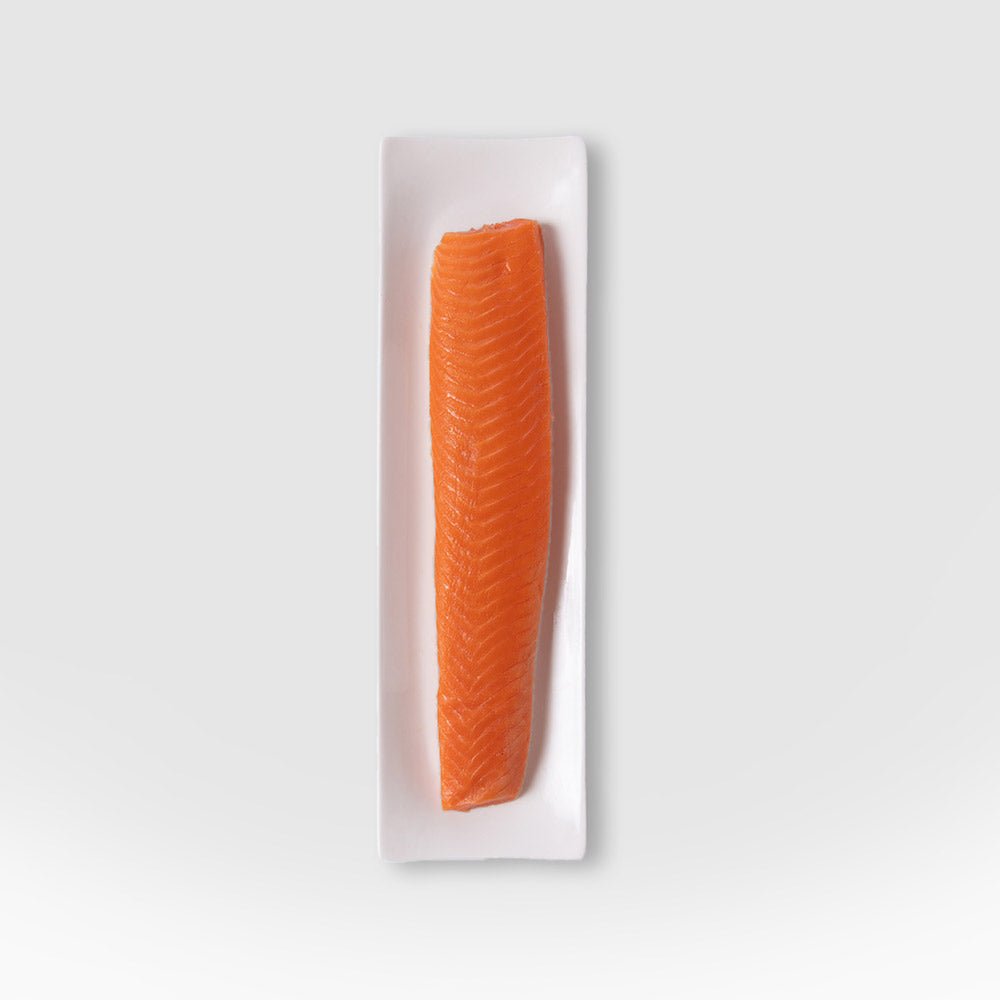
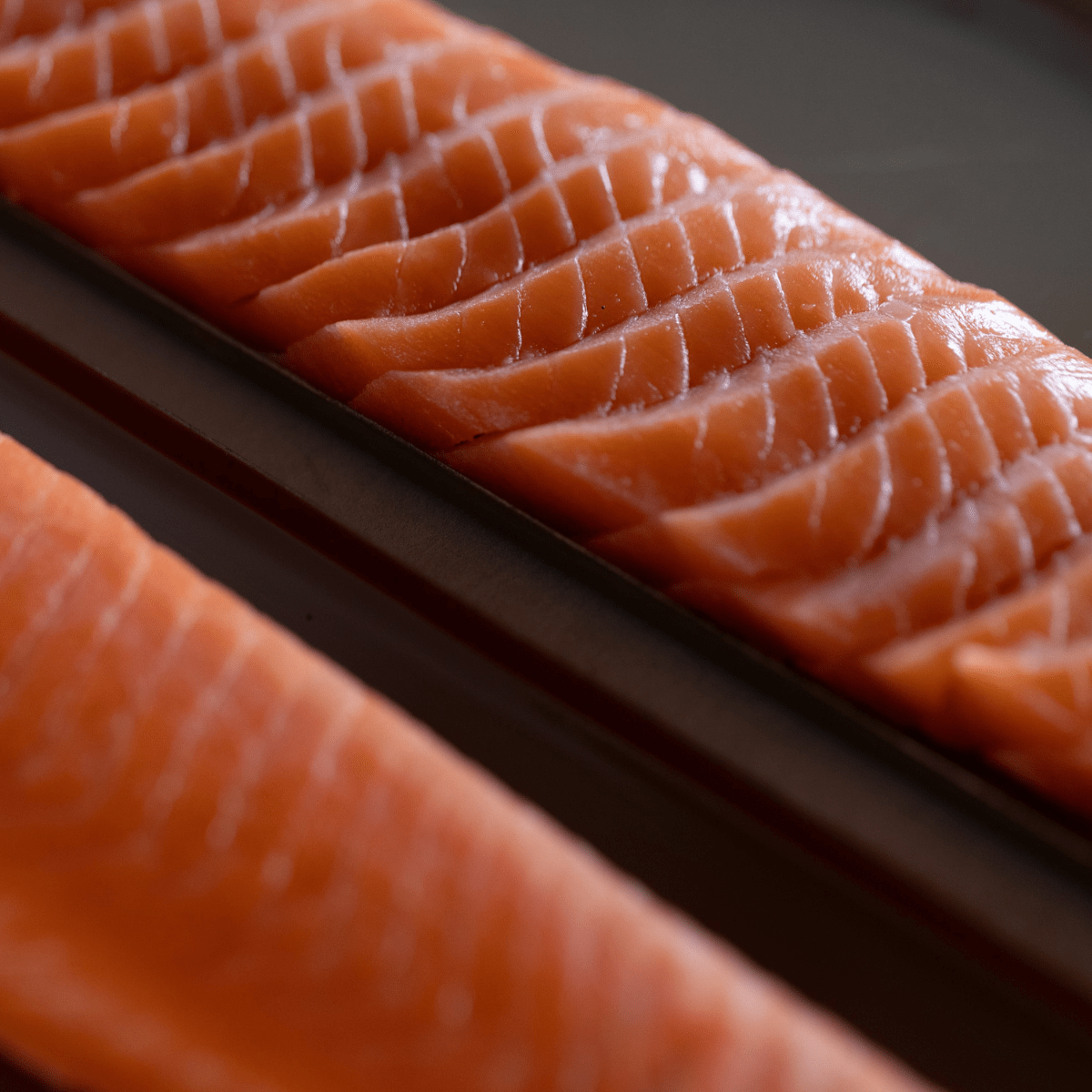
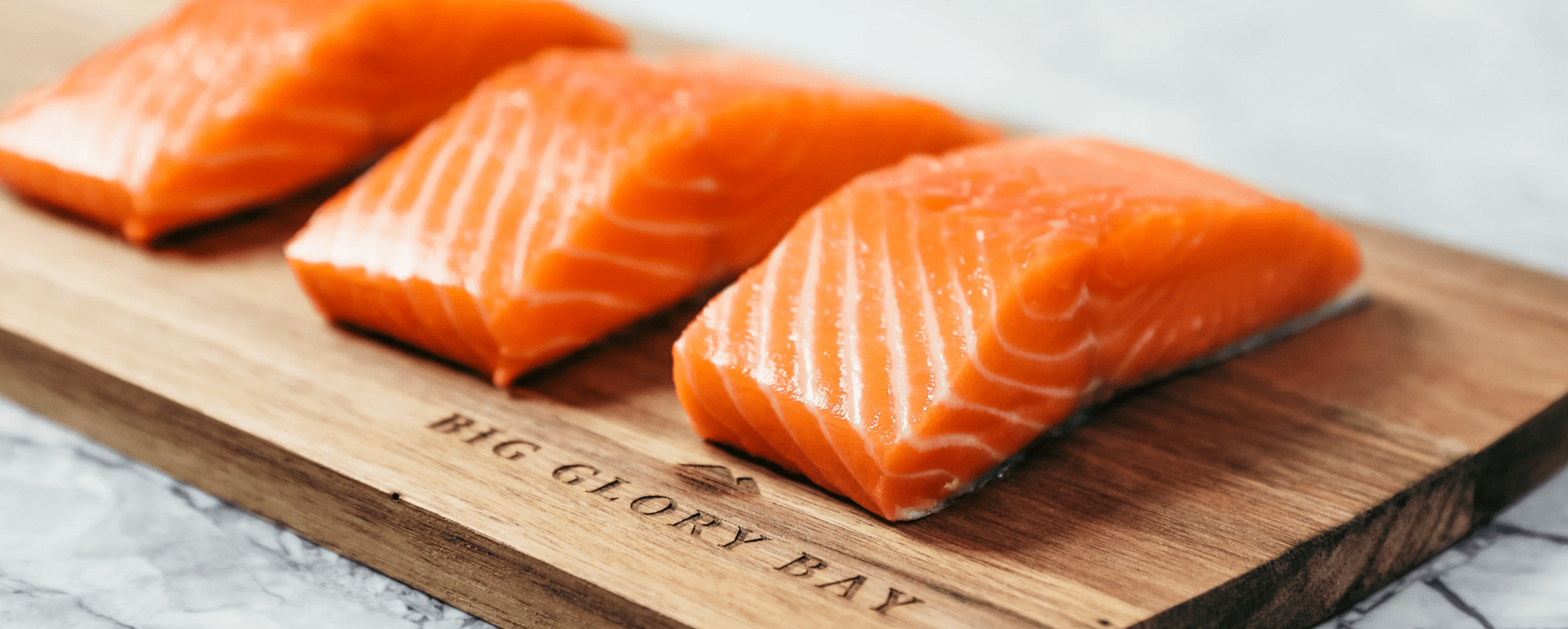
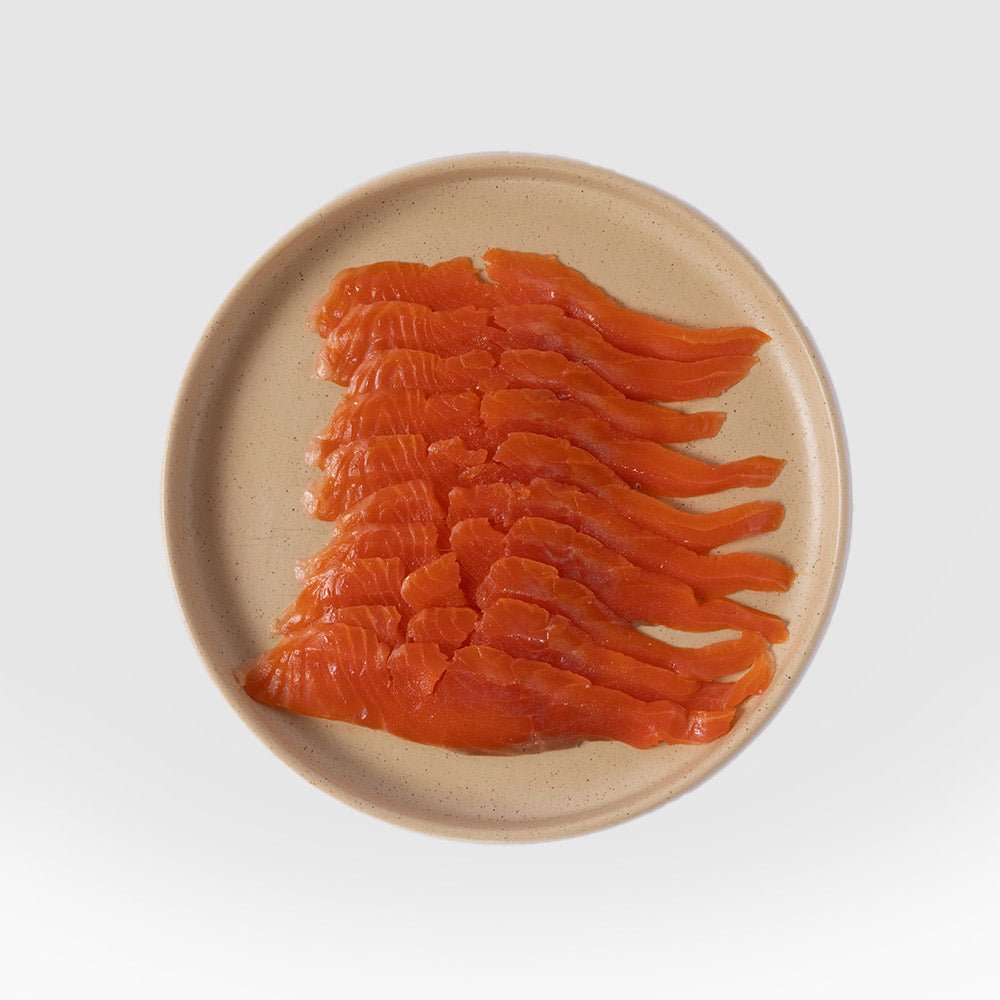
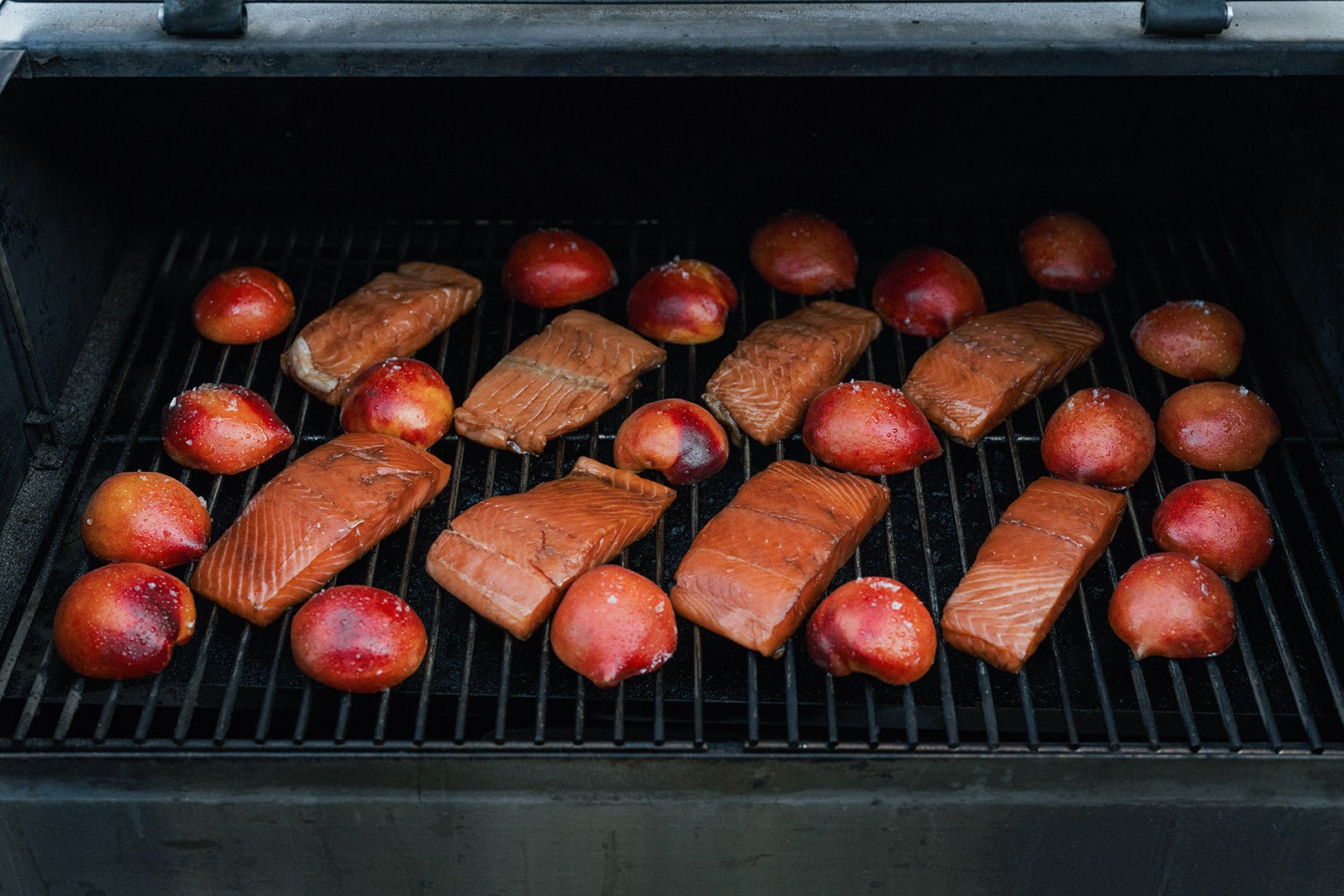
AS FEATURED IN MARK'S KITCHEN
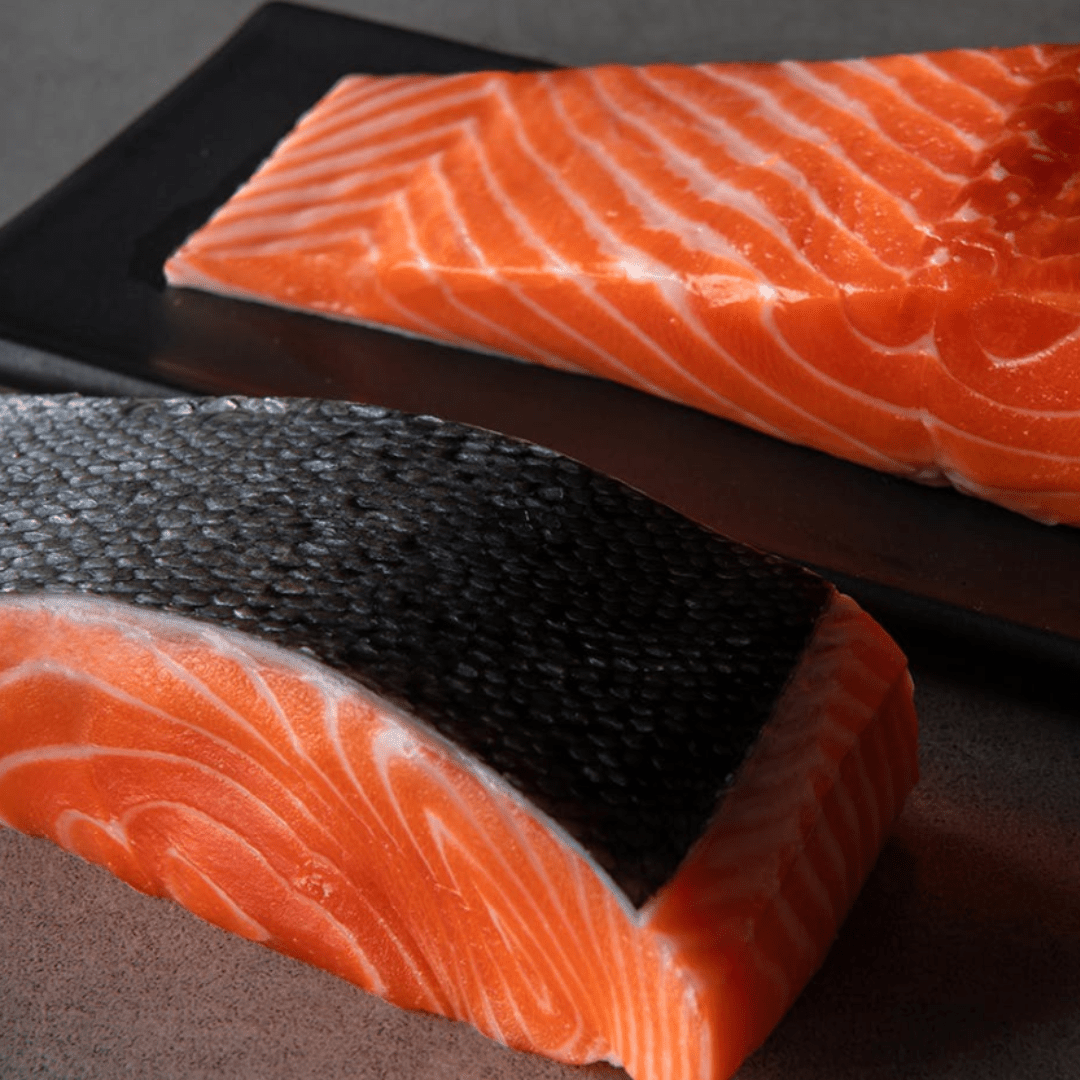
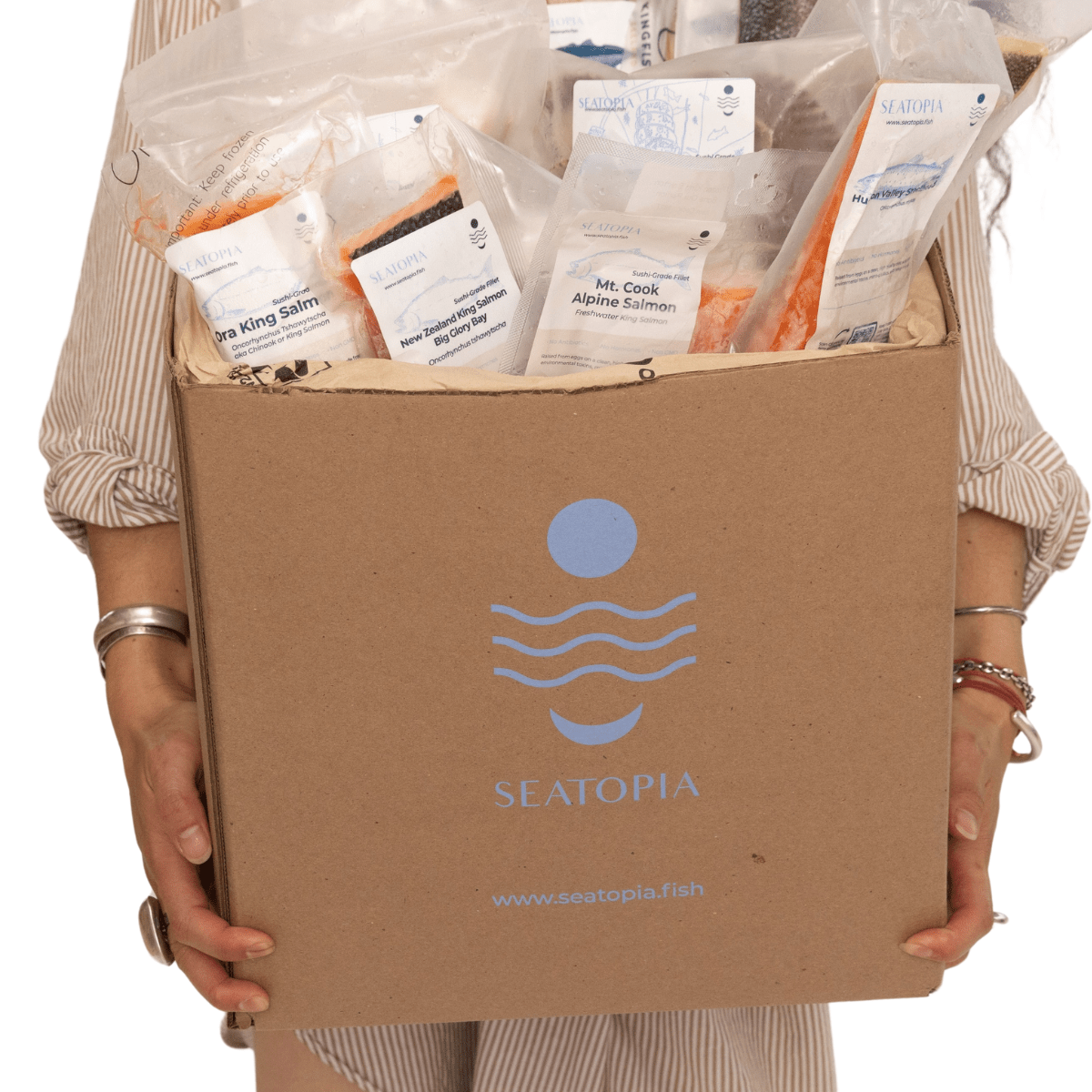
Salmon Lover's Box
A curated selection of premium red fish, including king salmon, Atlantic salmon, and steelhead. Individually sealed portions.
Note: May include both skin-on and skin-off portions, and cold-smoked lox. For specific cuts, please see our Build Your Own Box page. Individual products subject to seasonal availability.
Responsibly farmed and blast-frozen at peak freshness.
Orders ship Tuesday & Wednesday
Free shipping on your first order with code HYMAN
Certificate of Analysis published for every supplier
Arrives snap frozen guaranteed
Includes a FREE 1-on-1 virtual session with a Seatopia chef
Which box should I start with?
The Salmon Lover’s Box is the one from Mark’s Kitchen — it is what the recipe above is built on.
12 servings ($250) — roughly three weeks of bento boxes for one person. This is the right first box if you are testing the rhythm.
18 servings ($364) — you and a partner, eating salmon twice a week.
24 servings ($476) — a family, or a serious meal-prep habit.
Every box works out to about $20 per restaurant-quality, lab-verified serving — less than a single salmon entrée out, and the only one that arrives with its own lab report. Subscribe and save 10%, pause or cancel anytime.
Use code HYMAN for free shipping on your first order.
50,000+ customers. 4.9★ over 1,000+ reviews.
The objections, answered by people who ordered.
The questions you're actually asking
Why not just take a fish-oil capsule?
You would need roughly 11 capsules to match the verified EPA + DHA in one Seatopia filet — 3,414 mg per serving against about 300 mg in a typical softgel. And capsules oxidize: extraction concentrates whatever was in the source fish, most brands never publish a mercury or microplastic screen, and you lose the complete protein, selenium, and mineral matrix that comes with eating the whole fish.
Why farmed and not wild?
Wild fish accumulate whatever is in the open ocean, and nobody can control that or test each catch before it ships. Regenerative farming inverts the problem: clean feed, managed water, and a known harvest date mean the batch can be tested before it reaches you. Done right, farming is the only way “clean” becomes a guarantee instead of a gamble — which is exactly why Dr. Hyman changed his own position on it.
How do I know the tests are real?
The Certificates of Analysis come from ISO 17025-accredited third-party labs — Light Labs and Edacious — and we publish them per batch, with the analyte, the method, and the threshold. They are embedded higher up this page and on every product page. You do not have to take our word for any of it.
Is it worth the premium?
About $20 a serving buys sushi-grade fish, frozen at peak freshness, from a named farm, with a lab report attached. That is less than the same fish costs in a restaurant, and it is the only version of it that can tell you its own mercury level. If the testing is not worth anything to you, cheaper salmon exists — it just cannot answer these questions.
What does ≤0.1 ppm mercury actually mean?
Parts per million, relative to the weight of the fish. The FDA action level is 1.0 ppm, and tuna or swordfish routinely test well above 0.1. Testing at or below 0.1 ppm puts it roughly ten times below the high-risk threshold — low enough to be considered safe for sensitive groups, including pregnancy.
I'm not confident cooking fish. Will I ruin it?
Every Seatopia box includes a free one-on-one virtual session with one of our chefs, and this exact recipe is walked through step by step with photos and video here. For the miso salmon specifically: pull it at 130°F and let it rest. That is the whole trick.
How do I defrost it?
Overnight in the refrigerator, wrapped in paper, keeps the texture intact. In a hurry, put the vacuum-sealed portion in a bowl of cold water for 30–60 minutes. For the 48-hour marinade, defrost Friday morning and you are on schedule.
What if I don't like it?
100% satisfaction guarantee. If your order does not arrive snap-frozen and in perfect condition, we make it right.

The farm behind the fish.
In 2011, Dr. Mark Hyman visited Veta la Palma — a regenerative farm in the marshlands of southern Spain, credentialed by chef Dan Barber and Blue Hill as a model for what aquaculture could be. That same farm operates today as Estero Lubimar, one of Seatopia’s core partners.
Same water. Same principles. Same extraordinary fish — now lab-tested to prove it.
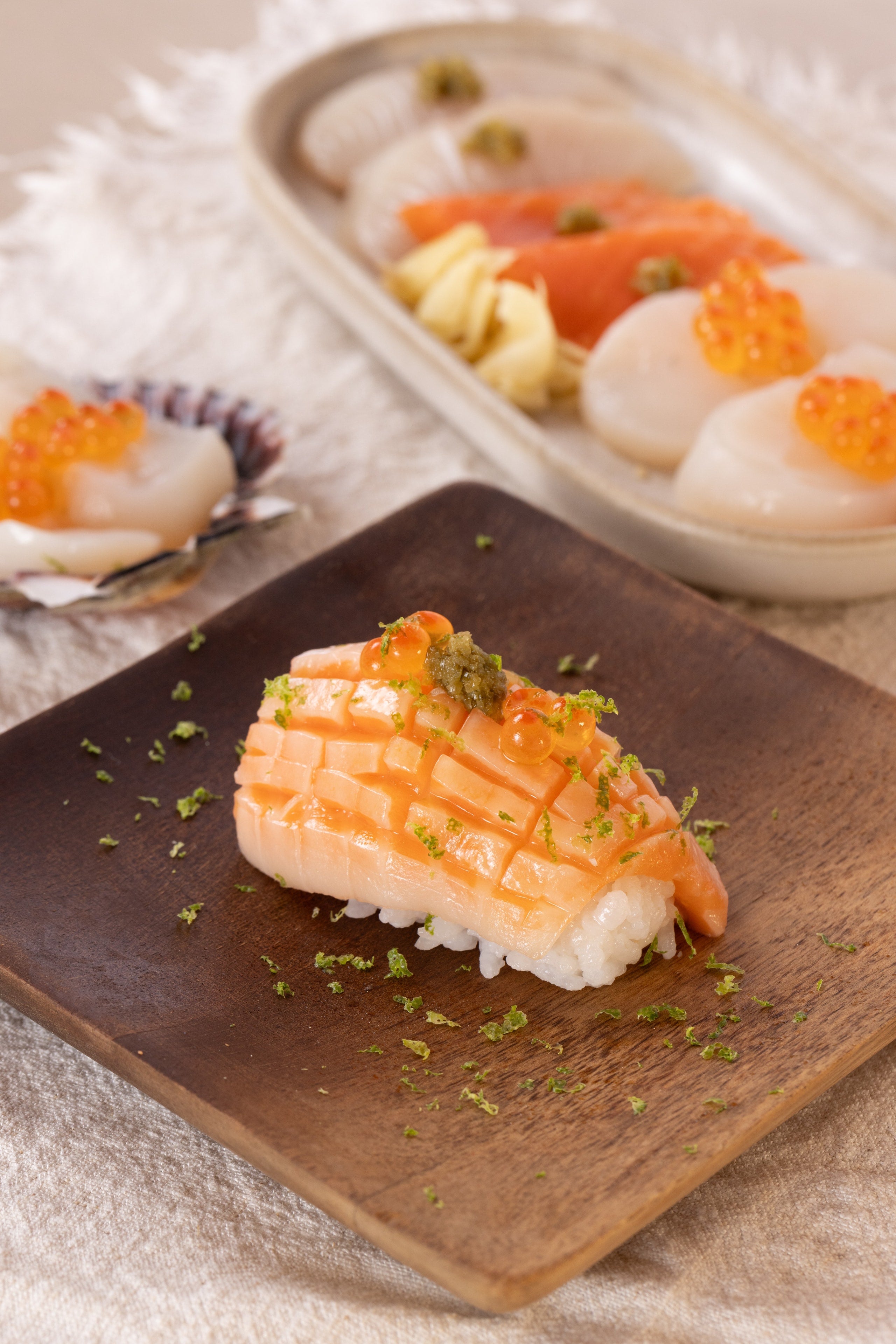
Want the science before the salmon?
Download the free Mercury Detox Guide, co-developed with Dr. Mark Hyman.
- How mercury enters your body through seafood — and how to reduce exposure
- Which fish to eat, which to avoid, and why the label tells you almost nothing
- How omega-3 levels are measured, and what your Omega-3 Index number means