Centenarian Salmon Salad
- by Seatopia


Alex Bolivar & Jason Pabst × Seatopia
Recipe by Alex Bolivar & Jason Pabst
Two Seatopia partners who cook around longevity — natural living, holistic health habits and single-ingredient food
Built entirely from blue zone ingredients · Mediterranean · serves 3
This is a Mediterranean platter built from the foods people actually eat in the world’s blue zones — the handful of places where living past 100 is unremarkable. Okinawan sweet potatoes and chickpeas roast together on one sheet pan, Seatopia salmon bakes with nothing but olive oil, lemon and salt, and a honeyed dill tzatziki pulls the whole plate together.
It reads like a lot of components, and it is — but almost none of them need attention. The oven does the sweet potatoes and the salmon back to back on the same sheet pan. The eggs boil for seven minutes. The tzatziki and the cucumber salad are both stir-and-refrigerate. Fifteen minutes of hands-on prep, forty-five minutes of cooking, and it feeds three off one platter.
We built it around Seatopia Mt. Cook Alpine King Salmon — 7 oz portions carrying roughly 2,300 mg of marine omega-3s each, lab tested to the Seatopia Standard™. Recipe by Seatopia partners Alex Bolivar and Jason Pabst.
1 hour, mostly hands-off
Fifteen minutes of prep and forty-five of cooking. The sweet potatoes and the salmon share one sheet pan back to back, so the oven is doing almost all of it.
Serves 3 off one platter
Two 7 oz salmon fillets, two sweet potatoes, four eggs. It is built to be set in the middle of the table rather than plated individually.
425°F, then 350°F
Sweet potatoes and chickpeas roast hot for 30 minutes. Drop the oven, swap in the salmon on the same pan, and it needs 15 minutes more.
Every part from a blue zone
Legumes, ferments, purple produce, olive oil, sprouts and jammy pasture-raised eggs — each one borrowed from somewhere people routinely live past 100.
Fifty-five seconds, start to platter
Blue zones are the handful of places where living past 100 is unremarkable. This platter is assembled almost entirely from what people actually eat there — and each part is pulling a specific nutritional thread.
Nothing here is difficult on its own. The trick is the order — the two things that need the oven go first and share a pan, and everything cold gets made while they cook.
1. Baked salmon
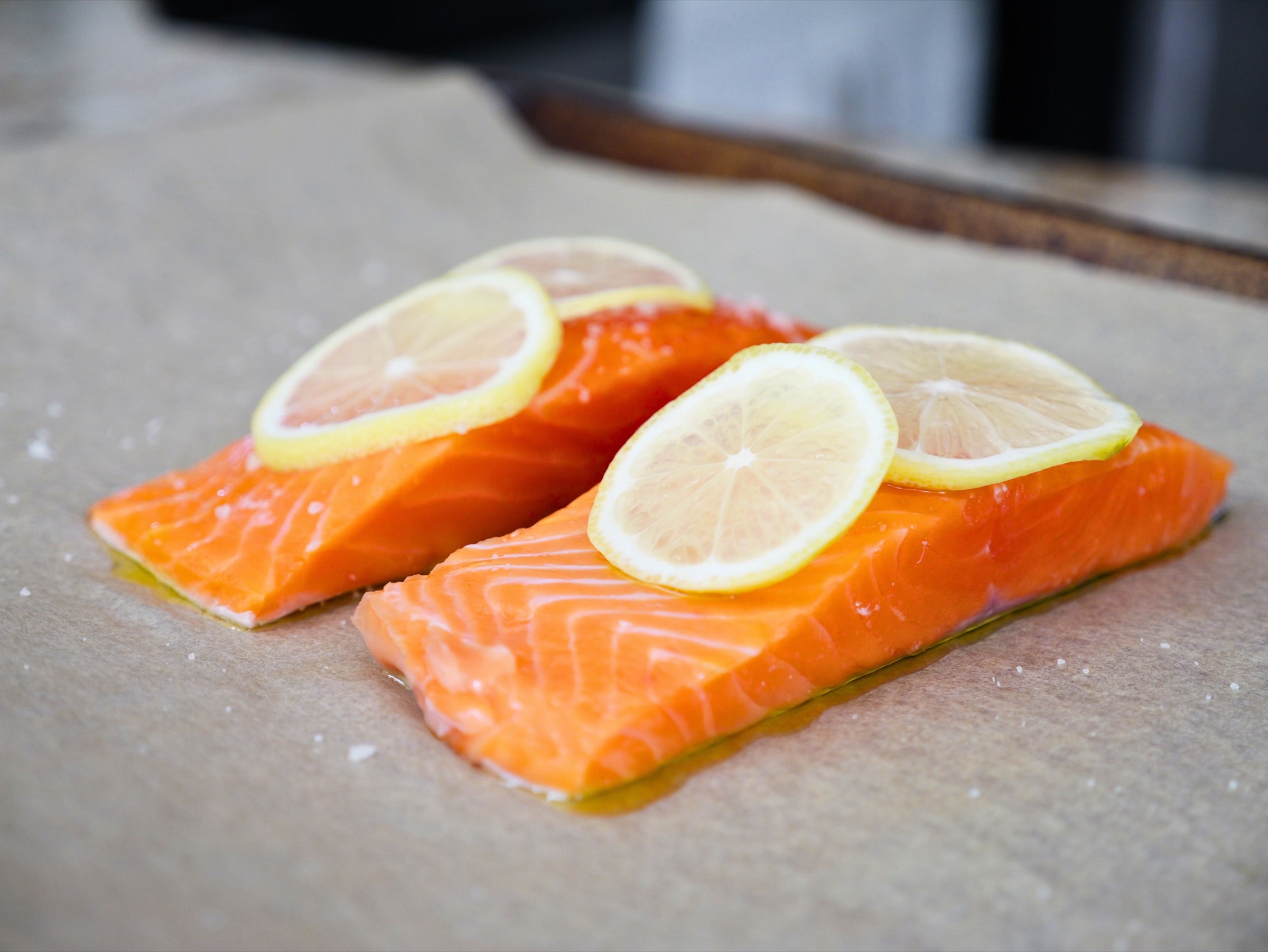
Olive oil, salt and thin lemon rounds, baked at 350°F for 15 minutes. No glaze, no marinade — the whole point is to taste the fish.
2. The sheet pan
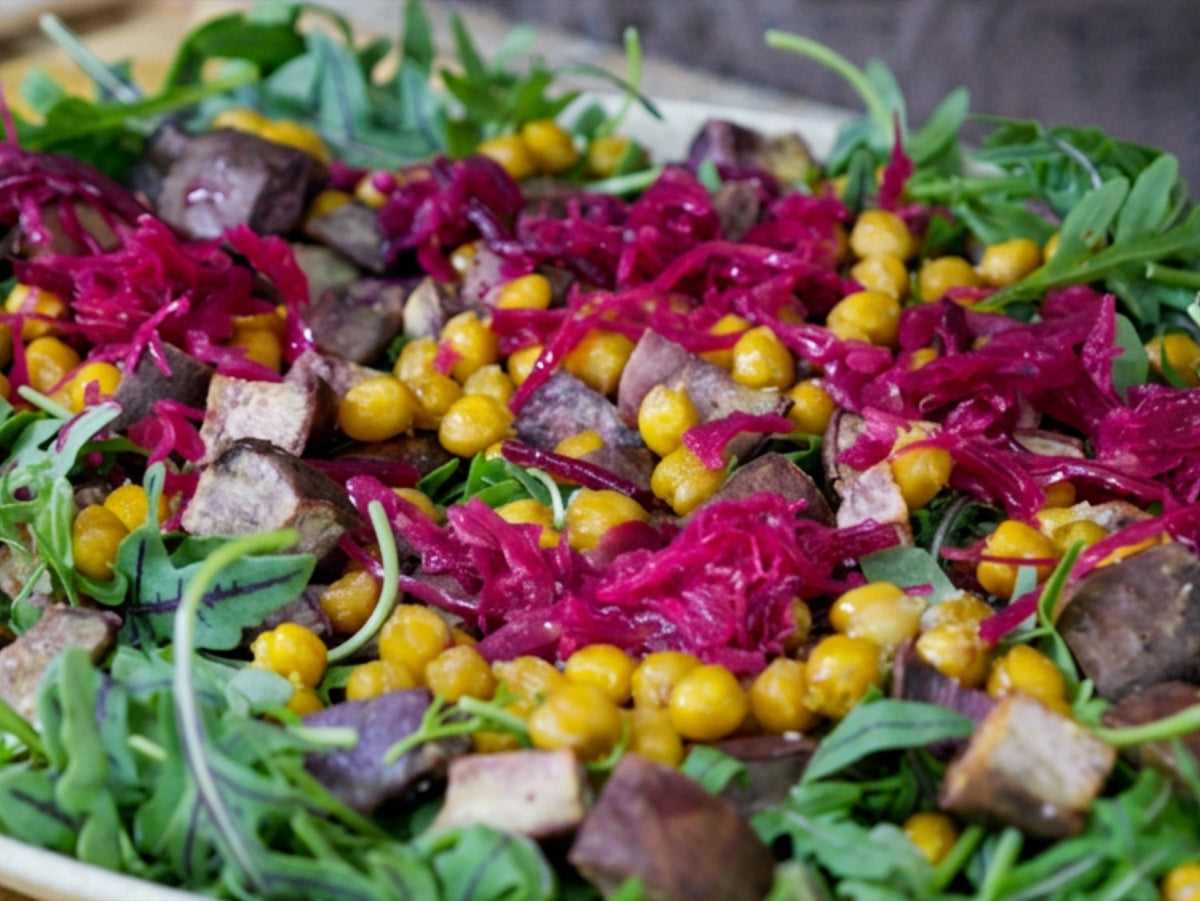
Okinawan sweet potato in ½-inch cubes and a jar of drained chickpeas, roasted hot until the chickpeas crisp and the potato edges brown. Same pan the salmon uses next.
3. Honeyed dill tzatziki
Greek yogurt, a whole bunch of minced dill, garlic, lemon, olive oil and a tablespoon of raw honey. Thick enough to ribbon off a spoon.
4. Raw, cold and jammy
Cucumber-tomato salad, avocado, kalamata olives, wild blueberries, purple sauerkraut, broccoli sprouts — plus the seven-minute eggs, soft centres up.
Ryan Dranginis
3
15 minutes
45 minutes
Mediterranean
Salad
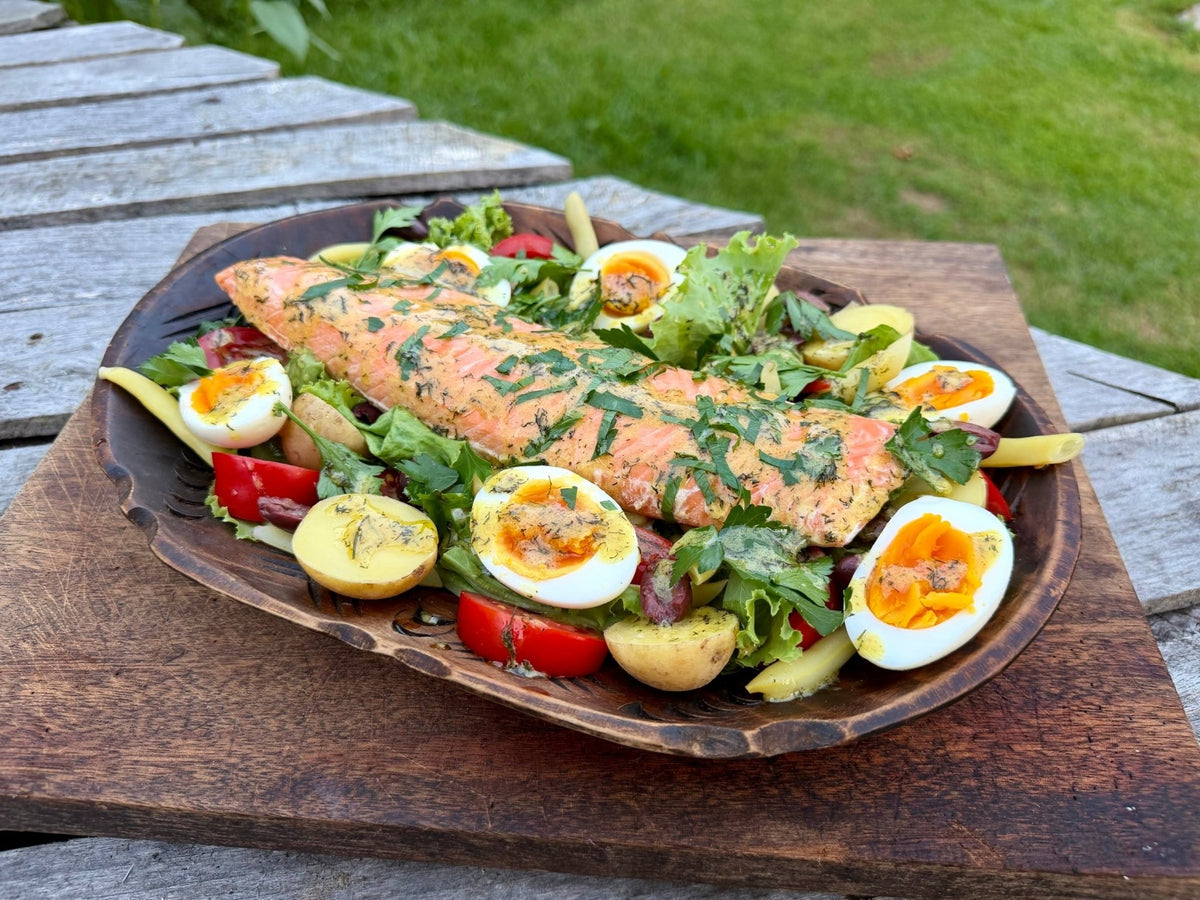
Juicy, flaky Seatopia salmon over a Mediterranean salad built entirely around centenarian-inspired ingredients: Okinawan sweet potatoes, roasted chickpeas, jammy pasture-raised eggs, purple sauerkraut, wild blueberries and a honeyed dill tzatziki. Every element on the plate is borrowed from a blue zone, where people routinely live past 100.
And every ingredient is doing a job. Anthocyanins from the purple sweet potato, sauerkraut, wild blueberries and red onion. Legumes, the one food common to every blue zone. Polyphenols and monounsaturated fat from a generous pour of extra-virgin olive oil. Live ferments from the kraut, sulforaphane from raw broccoli sprouts, and choline from pasture-raised eggs cooked jammy so the yolks stay soft. Plus clean salmon — each 7 oz Mt. Cook portion carries roughly 2,300 mg of marine omega-3s.
And maybe the most centenarian part of all? Slowing down, sitting together and actually enjoying the meal. Because longevity is about more than just food.

Roast the sweet potatoes and chickpeas. Preheat the oven to 425°F and line a baking sheet with parchment paper. Add the sweet potatoes and chickpeas to a bowl along with the olive oil and salt, and mix to combine. Transfer to the baking sheet and bake for 30 minutes, or until browned and crispy.
Soft boil the eggs. Bring a small pot of water to a boil and, once boiling, add the eggs and boil for 7 minutes. Transfer to cold water and let sit for 15 minutes before removing their shells. You want the yolks jammy rather than chalky — that soft center is where the choline lives.
Make the tzatziki. Mix the Greek yogurt, minced dill, garlic, lemon juice, olive oil, raw honey and salt in a bowl and keep in the fridge until serving. It should be thick enough to ribbon off a spoon.
Make the cucumber tomato salad. Chop the cherry tomatoes and cucumber, thinly slice the red onion, and toss everything with the olive oil and salt. Keep in the fridge until serving.
Bake the salmon. Once the sweet potatoes and chickpeas are done, transfer them to a bowl and lower the oven to 350°F. To the same baking sheet, add the salmon and pat dry. Drizzle over the olive oil, season with salt, and lay a couple of thin lemon rounds on each fillet. Transfer to the oven for 15 minutes, or until just cooked through, then squeeze over the remaining lemon juice.
Build the base. To a large platter, add the arugula in an even layer, then spread over the roasted sweet potatoes and chickpeas. Scatter the purple sauerkraut, kalamata olives and wild blueberries across the top.
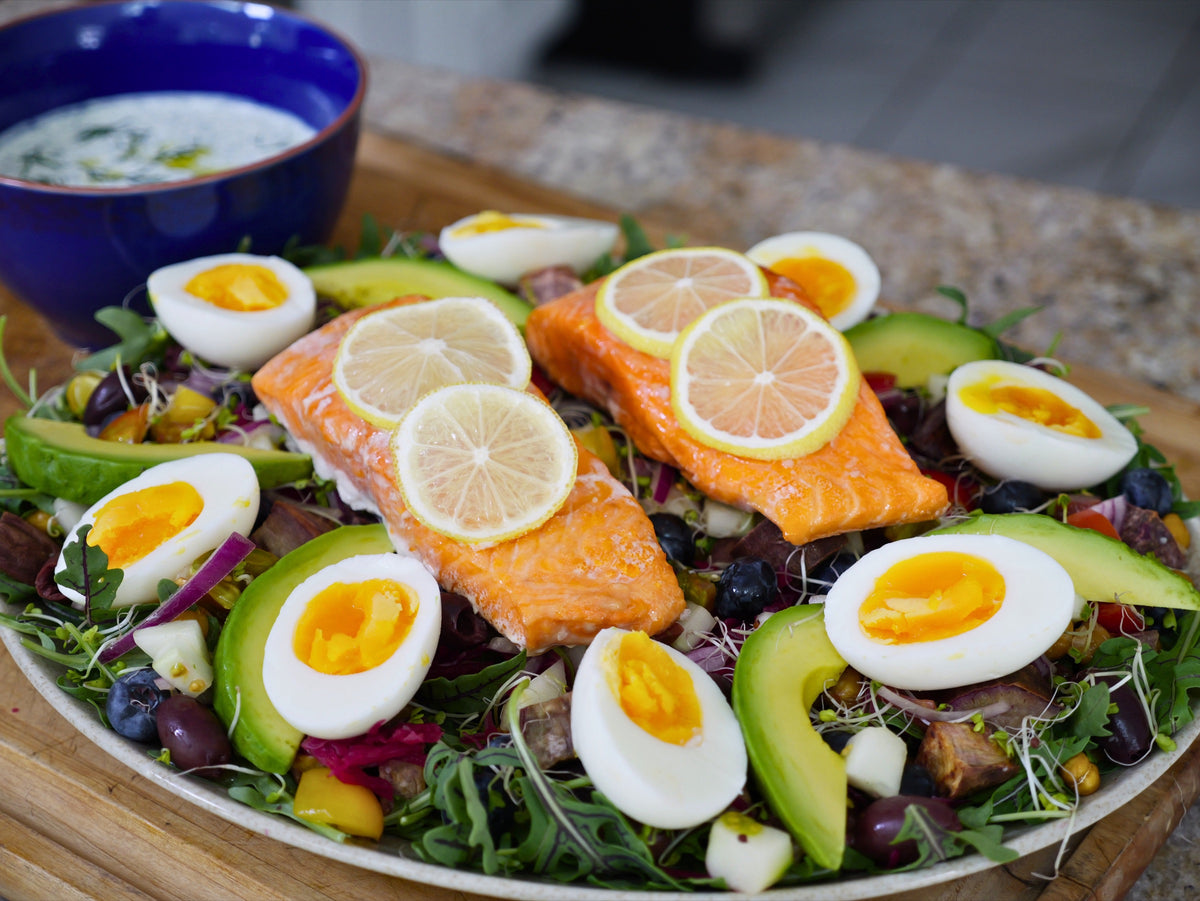
Finish and serve. Add the cucumber tomato salad, tuck in the avocado slices and broccoli sprouts, then set the halved eggs cut side up and lay the salmon fillets on top. Spoon over the tzatziki sauce and take it to the table — and then do the most centenarian thing of all: sit down with someone and eat slowly.
Developed with Mt. Cook Alpine King Salmon — 7 oz portions from New Zealand’s Southern Alps, roughly 2,300 mg of marine omega-3s each. Any Seatopia salmon works here; they are all mercury-safe with no detectable microplastics in the samples tested.
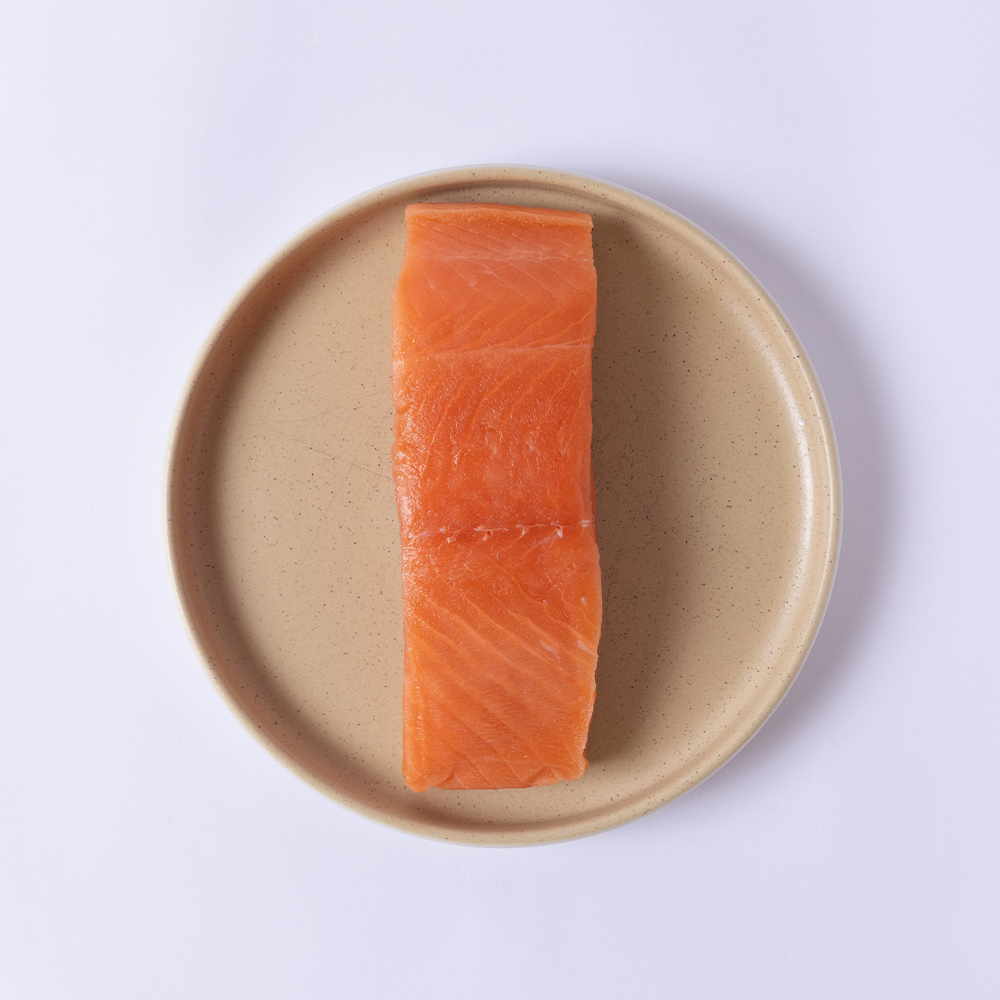
All hail the mountain king salmon—royally perfect, raw or roasted
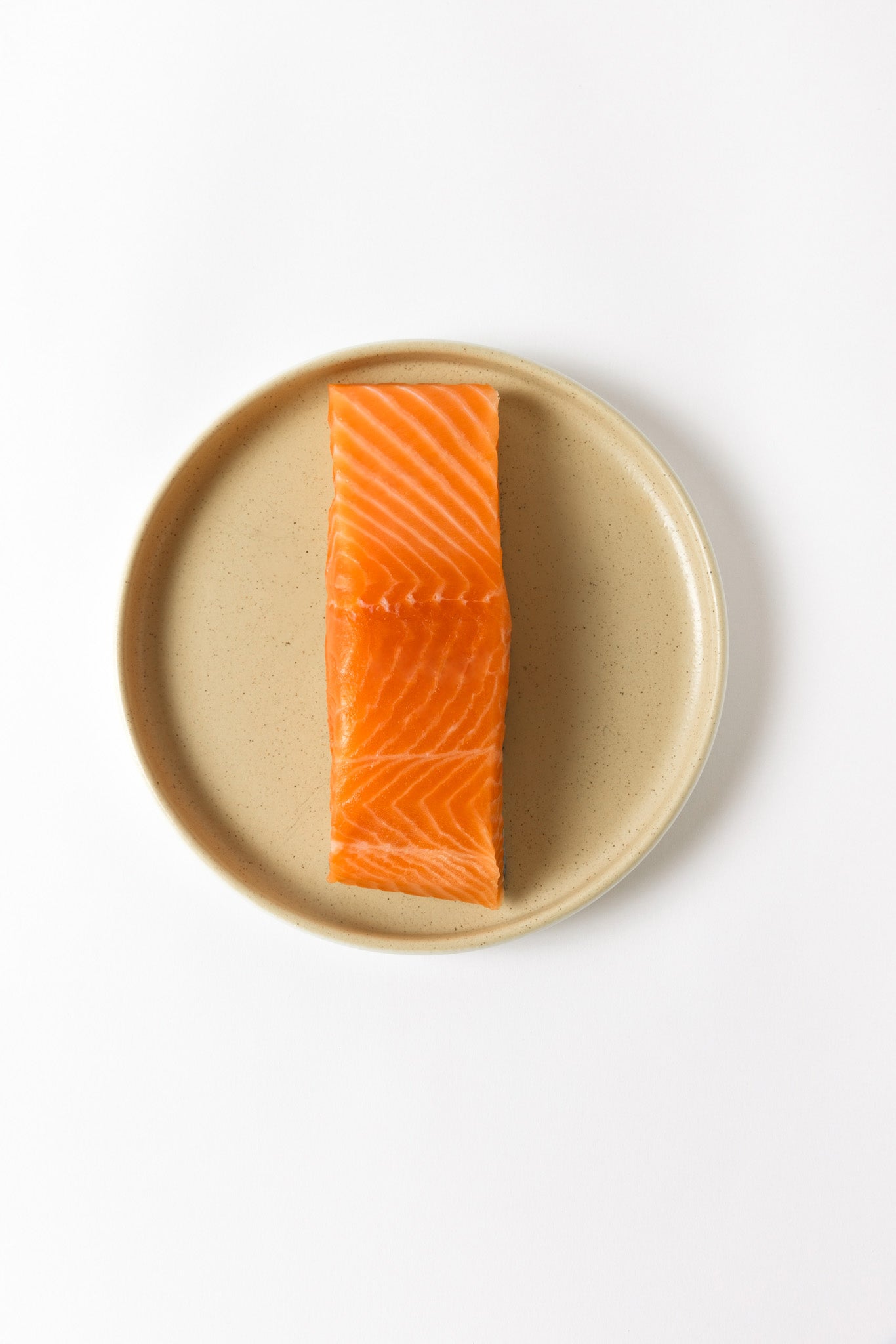
Unapologetically rich and velvety—Ōra King salmon, the gold standard for celebratory seafood
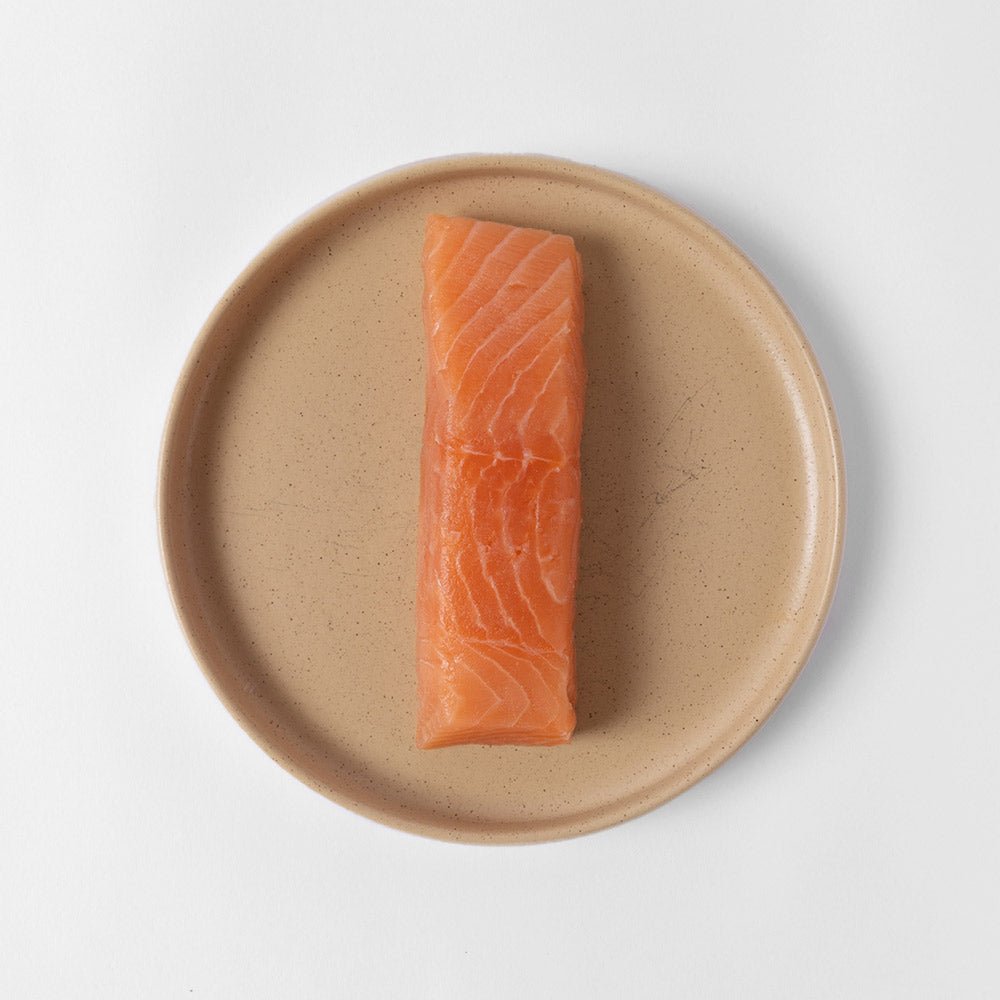
A buttery well marbled classic - ideal for everyday
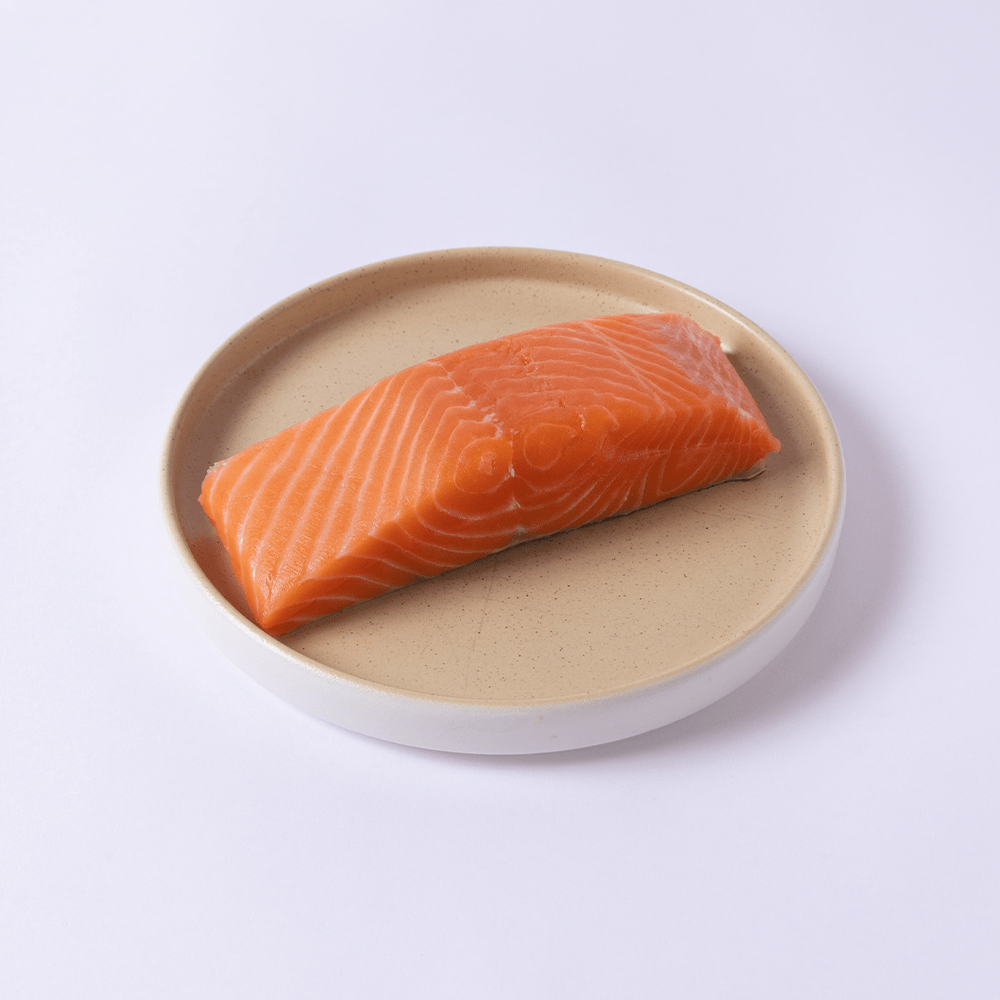
Rich flavor carrying oceanic depth and gentle sweetness across the palate. Contains a selection of King, Atlantic, and Steelhead.
Work in this order and the oven never sits empty. Everything cold gets made in the thirty minutes the sweet potatoes are roasting.
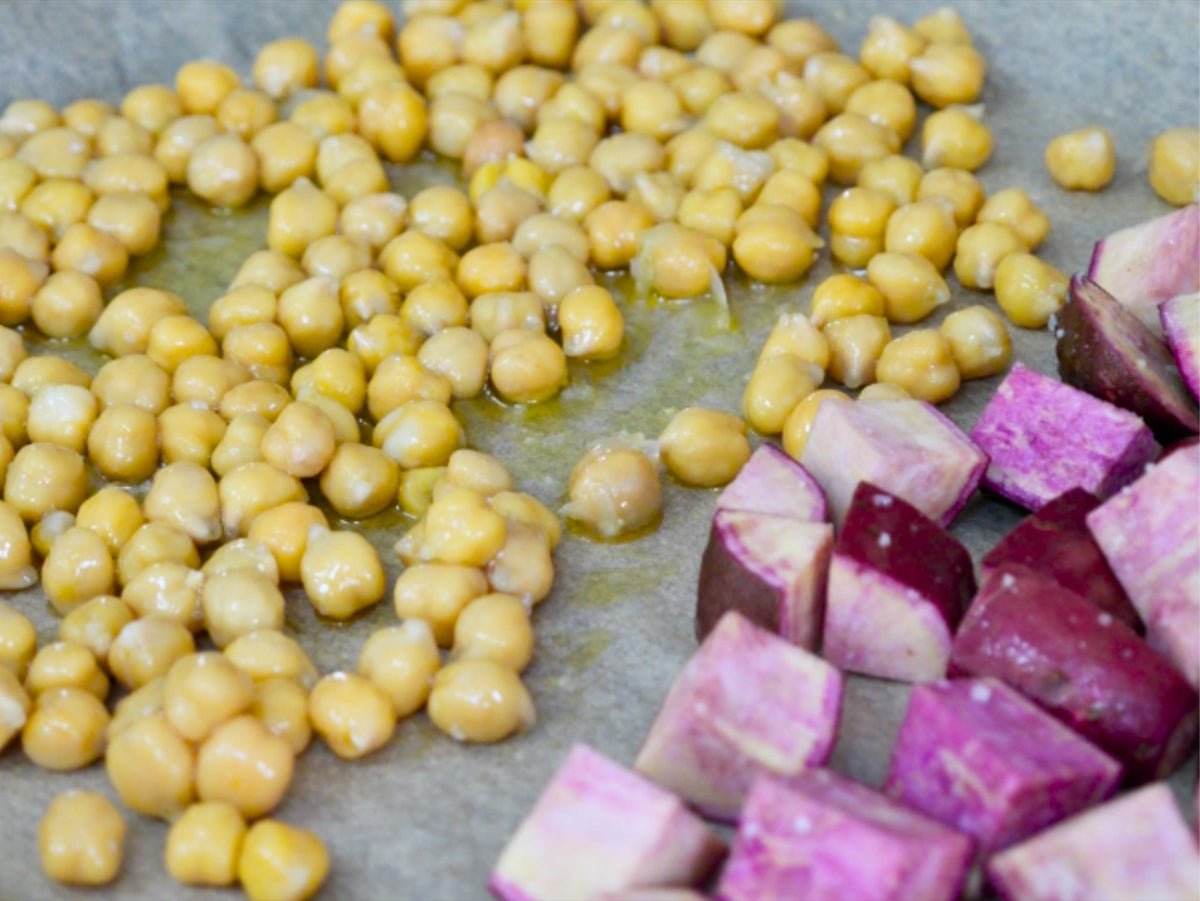
Minute 0
Heat the oven to 425°F and line a sheet pan with parchment. Toss two Okinawan sweet potatoes, cut into ½-inch cubes, with a drained jar of chickpeas, 2 Tbsp olive oil and salt. Spread it out and roast 30 minutes, until the chickpeas are crisp and the potato is browned.
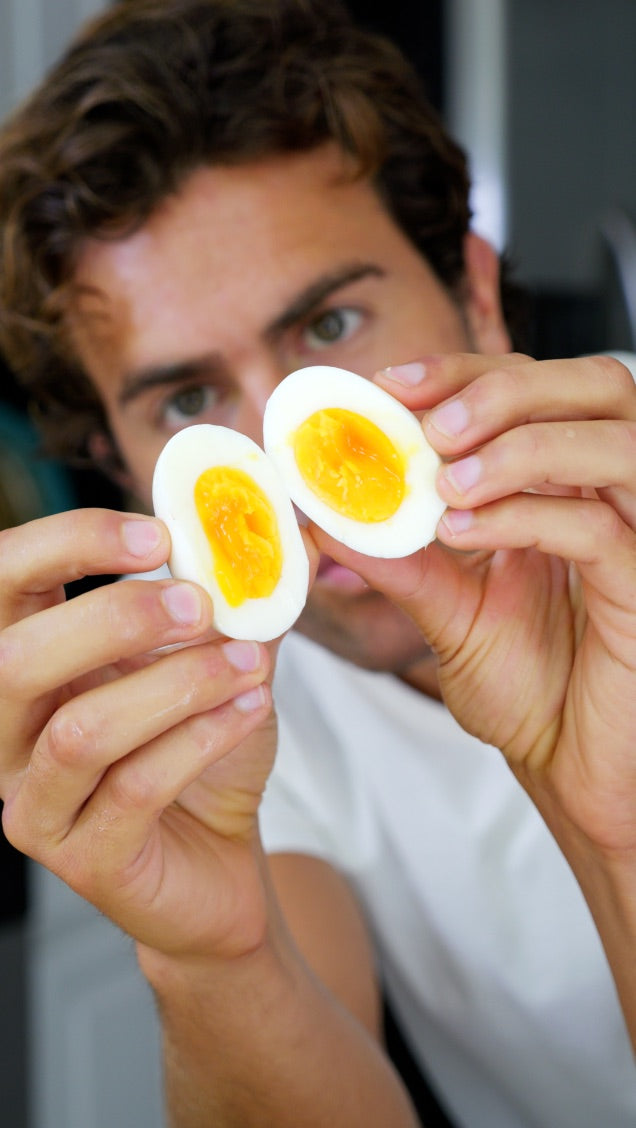
Minute 5
Bring a small pot to a boil, lower in four pasture-raised eggs and boil exactly 7 minutes. Move them to cold water and leave them 15 minutes before peeling. You want the yolks jammy, not chalky — that soft centre is where the choline is.
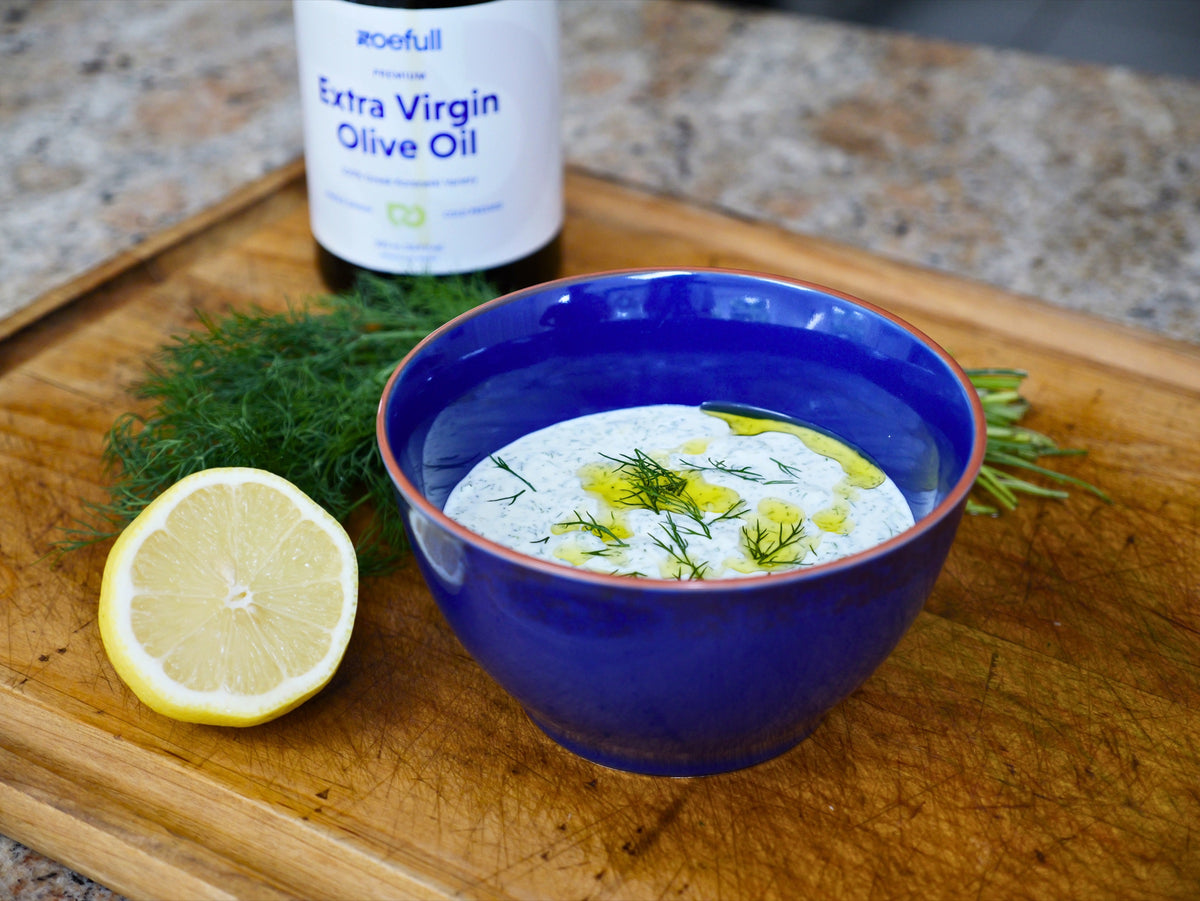
Minute 10
Stir together the Greek yogurt, a whole bunch of minced dill, two minced garlic cloves, the juice of a lemon, 2 Tbsp olive oil, 1 Tbsp raw honey and ½ tsp salt; refrigerate. Then chop the cherry tomatoes and cucumber, thinly slice the red onion, toss with olive oil and salt, and refrigerate that too.
Minute 30
Move the roasted vegetables to a bowl and drop the oven to 350°F. Onto the same pan: the salmon, patted dry, drizzled with olive oil, salted, with a couple of thin lemon rounds laid on each fillet. Bake 15 minutes, until just cooked through, then squeeze over the remaining lemon.
Minute 45
Spread two large handfuls of wild arugula across a big platter, then scatter over the roasted sweet potato and chickpeas. Add the purple sauerkraut, kalamata olives and wild blueberries.
Minute 50
Add the cucumber-tomato salad, tuck in the avocado slices and broccoli sprouts, set the halved eggs cut side up and lay the salmon on top. Spoon over the tzatziki. Then do the most centenarian thing of all — sit down with someone and eat slowly.
This is a genuinely good meal-prep platter, but not every part holds equally. Here is what to build early and what to leave until the last minute.
| Make ahead | How long it keeps | Serve it | |
|---|---|---|---|
| Honeyed dill tzatziki | Up to 4 days ahead | 4 days refrigerated | Cold, spooned over at the table |
| Sweet potato & chickpeas | Morning of | 3 days refrigerated | Room temperature or cold |
| Soft-boiled eggs | Day before, peeled | 3 days refrigerated | Cold, halved cut side up |
| Cucumber-tomato salad | A few hours ahead | Best same day | Cold, drain off any pooled liquid |
| Baked salmon | Same day | 3 days refrigerated | Warm or cold — both are good |
| Avocado, sprouts, arugula | Do not — cut fresh | — | Added last, right before serving |
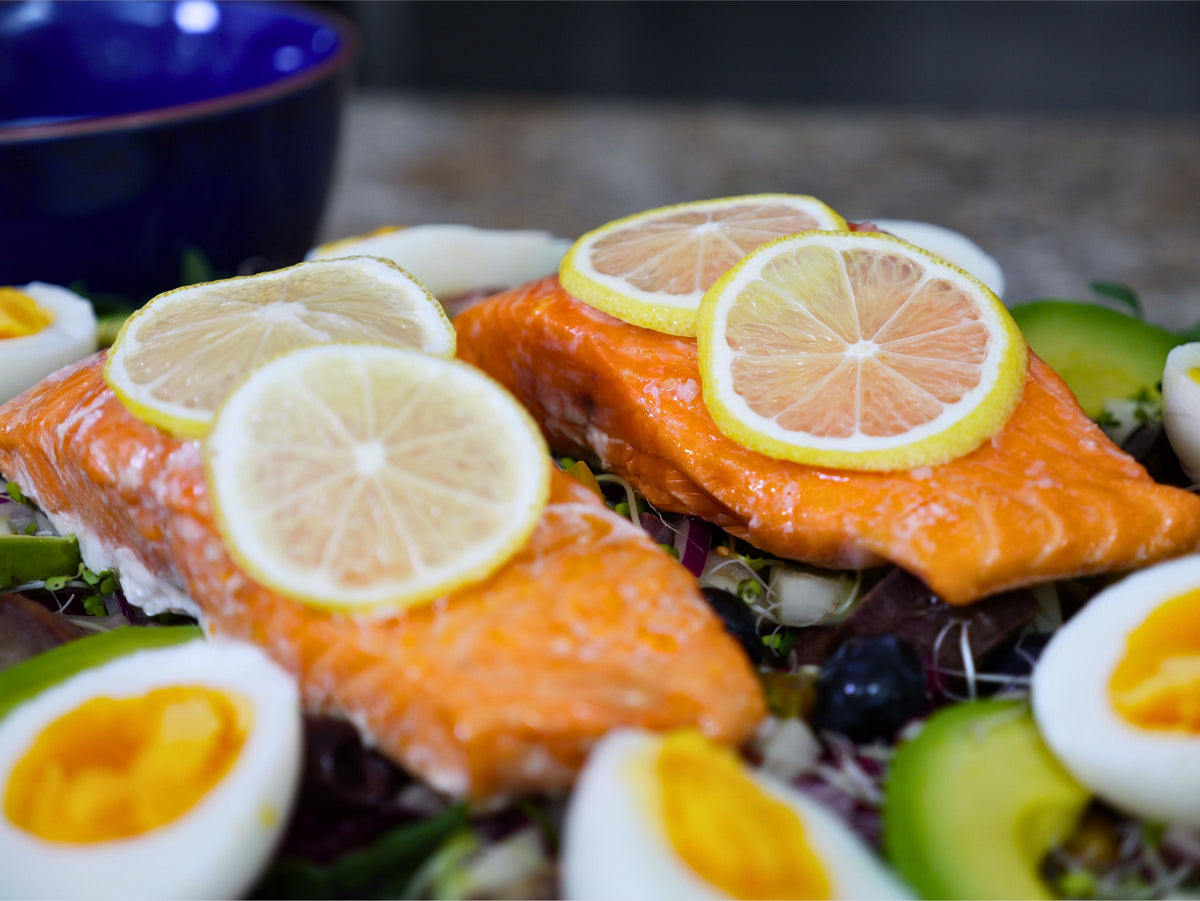
Store extras in the refrigerator for up to 3 days. We genuinely prefer this one cold — there is no reheating step and nothing in it suffers from a night in the fridge except the avocado, which you should slice fresh.
The tzatziki is the real prize. Keep it up to 4 days and spoon it over any protein or salad you have going; a whole bunch of dill and a spoon of raw honey makes it far more useful than the amount of effort suggests.
A longevity plate falls apart if the protein on it carries a contaminant load. The Mt. Cook Alpine King Salmon here is raised in glacial water in New Zealand’s Southern Alps and third-party lab tested: mercury at 0.033 ppm, inside the 0.1 ppm ceiling of the Seatopia Standard, and no detectable microplastics across all six polymers screened.
Each 7 oz portion delivers roughly 2,300 mg of marine omega-3s (EPA + DHA) and about 39 g of protein. Any Seatopia salmon works in this recipe — they all clear the same testing. You can read exactly how we test on our testing commitment page.
Purple-fleshed, nuttier and drier than an orange sweet potato, and the purple is the point — that colour is anthocyanins. They are often sold as Japanese or purple sweet potatoes; a purple-skinned, white-fleshed one is a different variety but works fine. A regular orange sweet potato substitutes cleanly on texture, you just lose that particular pigment.
Seven minutes at a genuine rolling boil, eggs lowered in rather than started cold, then straight into cold water for 15 minutes. The cold shock is what stops the cooking and makes them peel. Eight minutes gives you a firmer centre; ten and you are into hard-boiled and the choline argument gets weaker.
Yes, and it is the reason this works on a weeknight. Roast the vegetables at 425°F for 30 minutes, tip them into a bowl, drop the oven to 350°F and put the salmon on the same parchment. The residual oil and salt on the sheet is a feature. One pan, one wash-up.
Most of it. Tzatziki keeps 4 days, roasted sweet potato and chickpeas 3 days, peeled eggs 3 days, cooked salmon 3 days. The cucumber-tomato salad is best the same day, and the avocado, sprouts and arugula should be cut and added right before serving. See the table above.
No. We developed it with Mt. Cook Alpine King Salmon for the fat content, but any Seatopia fillet works and they all clear the same testing. Adjust the bake by a couple of minutes for thickness — a 6 oz Atlantic portion is done a touch sooner than a 7 oz Alpine King.
Overnight in the refrigerator, wrapped, is best. In a hurry, put the vacuum-sealed portion in a bowl of cold water for 30–60 minutes. Pat it properly dry before it goes on the pan. Never thaw at room temperature or in the microwave.
Loved this one? There is more where it came from. Every Seatopia box also includes a FREE virtual cooking class, where we walk through temps, searing and knife work live.

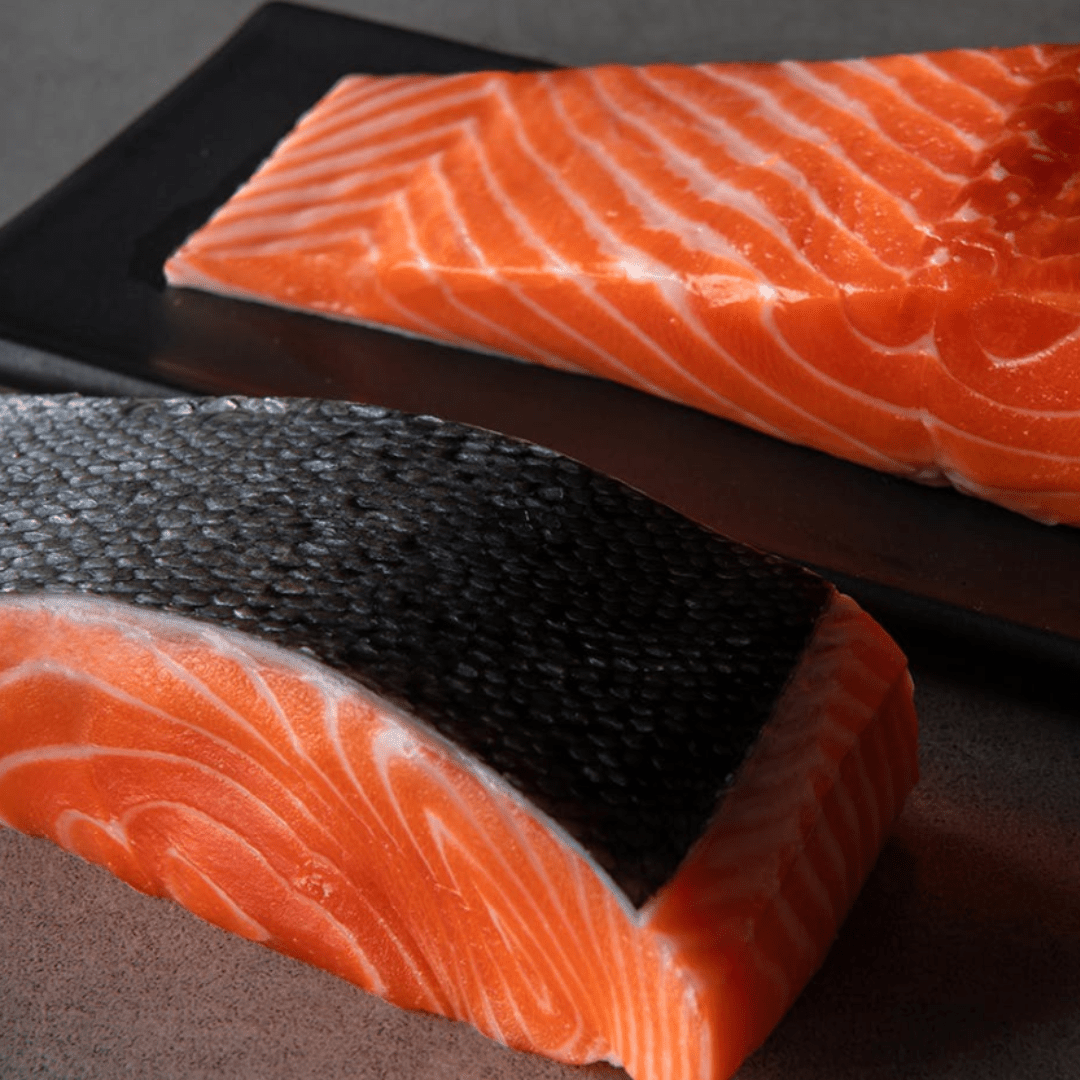
Rich flavor carrying oceanic depth and gentle sweetness across the palate. Contains a selection of King, Atlantic, and Steelhead.

A celebration of clean flavor and coastal elegance. Contains salmon, whitefish, and peruvian scallops.
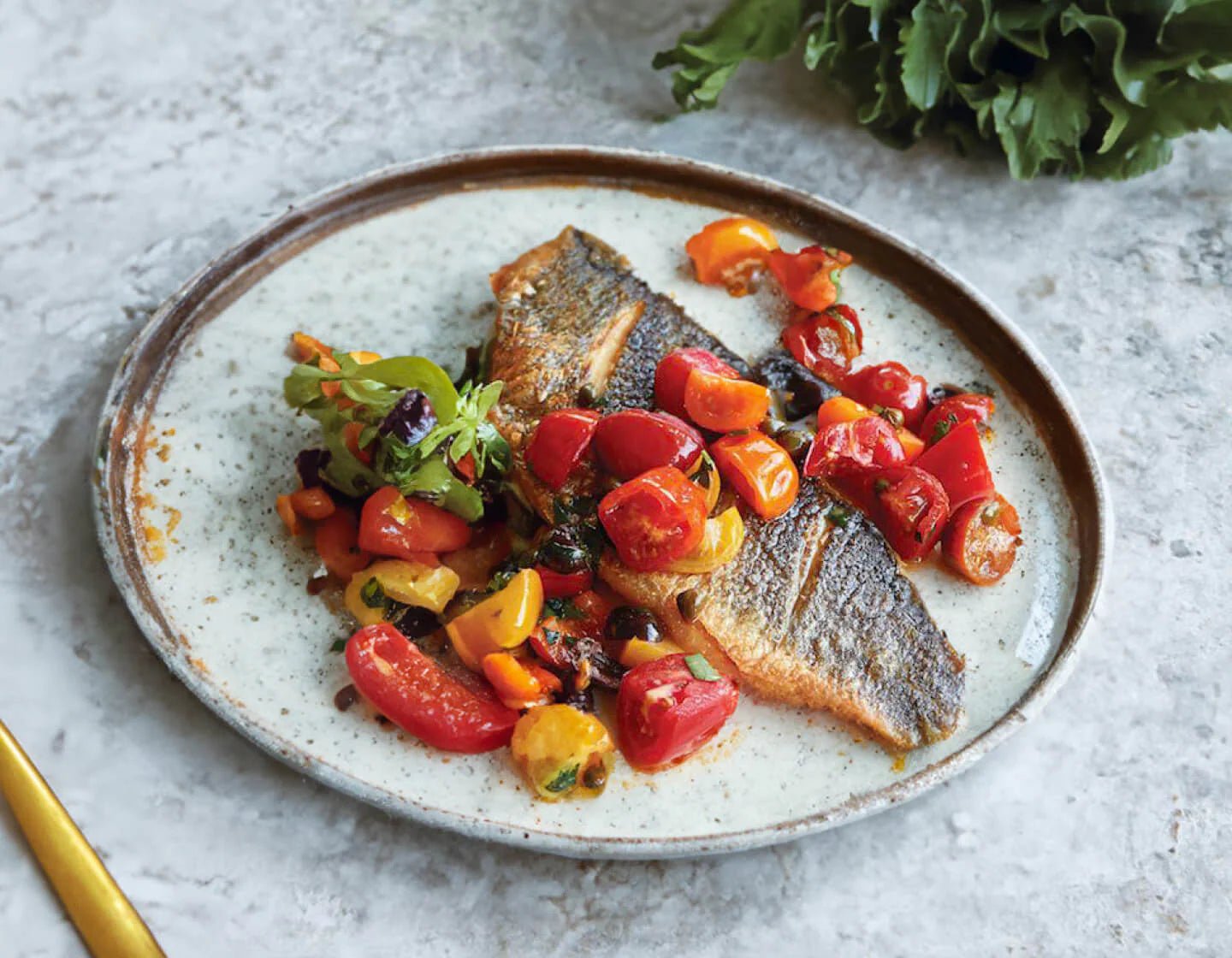
Expressive flavors from the clean, flavorful fish. Contains a selection of bream, branzino, and barramundi.