



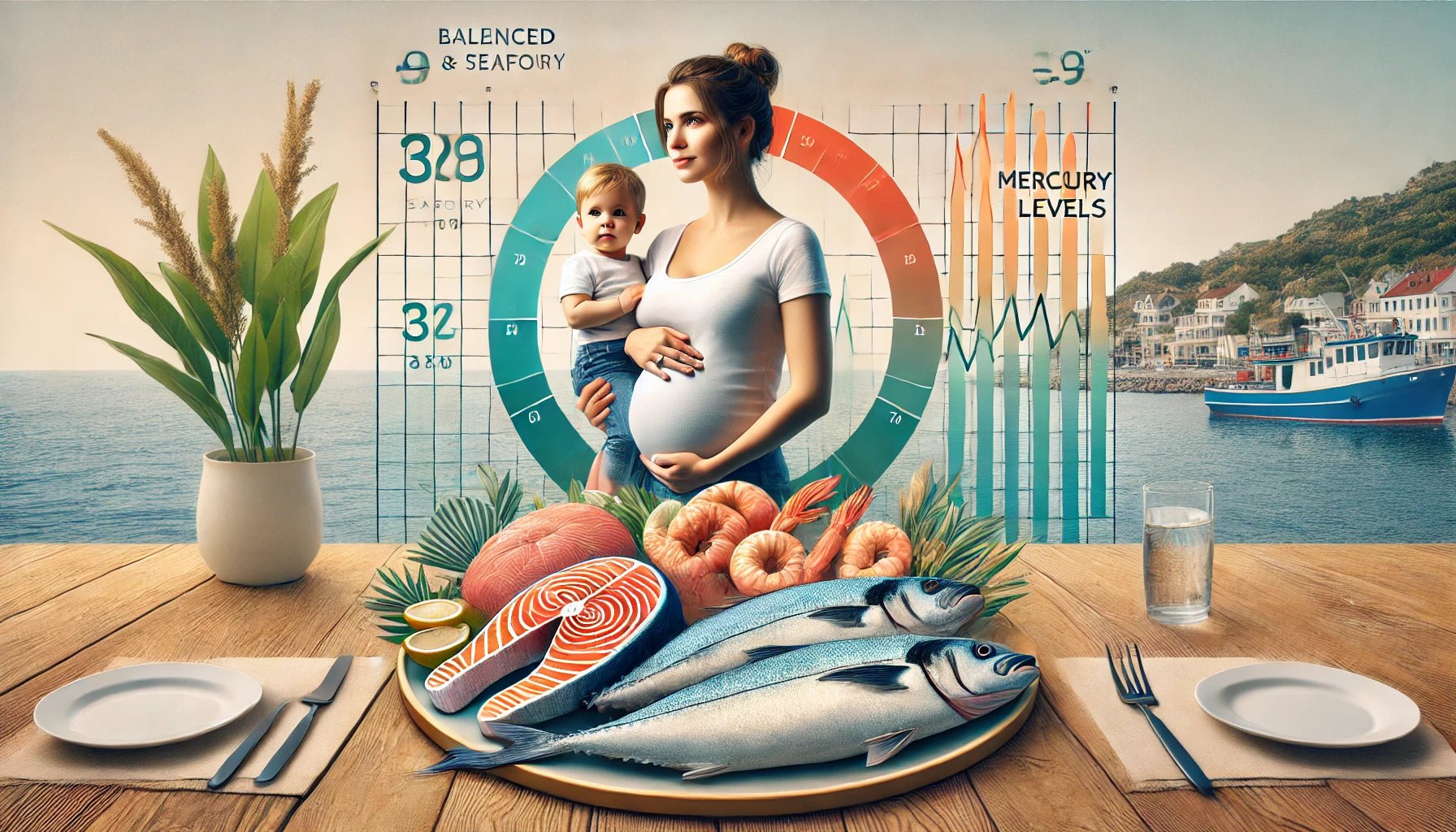
Mercury contamination in seafood has been a long-standing concern, especially for vulnerable populations like pregnant women and children. Recent data from Alaska highlights the ongoing issue of mercury bioaccumulation in certain fish species. This blog post will explain how to use the FDA's reference dose for mercury to calculate safe consumption levels of various high-mercury fish, ensuring you and your family can enjoy seafood safely.
FDA Reference Dose for Mercury
The FDA's reference dose (RfD) for mercury, specifically methylmercury, is 0.1 micrograms per kilogram of body weight per day (µg/kg/day). This guideline aims to prevent adverse health effects, particularly on the nervous system of developing fetuses and young children.
Calculation Example
To illustrate how to use the FDA's reference dose, let's consider a pregnant woman weighing 150 pounds (approximately 68 kg). The steps are as follows:
- Convert Weight to Kilograms: 150 lbs = 68 kg
- Calculate Daily Allowable Intake of Mercury:
- Convert Fish Mercury Concentration from PPM to µg/g: 1 PPM = 1 µg/g
- Calculate Safe Fish Consumption:
Using the mercury concentration in Big Eye Tuna as an example:
Therefore, a 150-pound pregnant woman can safely consume approximately 0.132 ounces of Big Eye Tuna per day.
Visualizing 0.132 ounces of Big Eye Tuna can be challenging since it's a small amount. Here's a comparison to help:
-
Teaspoon Measurement:
- 0.132 ounces is roughly equivalent to about 0.8 teaspoons. Imagine filling a teaspoon a little more than three-quarters full with finely chopped tuna.
-
Portion Size Comparison:
- A standard playing card is about 3.5 inches long and 2.5 inches wide. A portion of tuna weighing 0.132 ounces would be much smaller, roughly the size of a small square that could fit on the tip of your finger.
-
Visualizing in Cooking:
- In cooking, 0.132 ounces is just under 4 grams. This is less than a small bite or a piece of tuna sashimi, which typically weighs around 20-30 grams per piece. So, it would be a tiny morsel compared to a typical serving.
-
Everyday Objects:
- A standard paperclip weighs about 1 gram. 0.132 ounces is about the same as 4 small paperclips in weight.
These comparisons can help you get a sense of how small 0.132 ounces really is, underscoring the importance of monitoring mercury intake.

Mercury Levels in High-Risk Fish
Based on data from Alaska, here are the mercury concentrations and the corresponding safe daily intake for some high-risk fish:
-
Shark:
- Average mercury: 0.8 - 1.6 PPM
- Safe intake: 4.25 - 8.5 grams/day (0.15 - 0.3 ounces/day)
-
Lingcod:
- Average mercury: 0.5 PPM, Max: 1.4 PPM
- Safe intake: 13.6 - 4.86 grams/day (0.48 - 0.17 ounces/day)
-
Yellow Eye Rockfish and Spiny Dogfish:
- Similar high mercury levels, requiring careful consumption limits.
Key Takeaways
- Understand the Risks: High-mercury fish like Big Eye Tuna, shark, and lingcod can pose significant health risks if consumed in large quantities, particularly for pregnant women and children.
- Know Your Source: Choosing low-mercury fish and ensuring they come from responsibly managed sources is crucial for safe consumption. Alaska's salmon, for instance, has consistently tested low for mercury.
- Calculate Safe Intake: Using the FDA's reference dose, you can determine safe consumption levels based on your weight and the mercury concentration in the fish.
- Stay Informed: Keep up-to-date with guidelines and recommendations from health authorities to make informed decisions about your seafood consumption.
By following these guidelines and being mindful of mercury levels in fish, you can continue to enjoy the health benefits of seafood without compromising safety.
Ensure Your Seafood is Safe and Sustainable with Seatopia
At Seatopia, we are committed to providing the highest quality, sustainably farmed seafood, free from harmful levels of mercury and other contaminants. Our rigorous testing and dedication to sustainable practices mean you can enjoy delicious, nutritious seafood without worry.
Additional Disclosure: It's important to remember that the relationship between nutrients and contaminants like mercury in fish is complex and still being studied. Here are a few studies and articles that have presented views differing from or adding nuance to the EPA and FDA's guidelines:
1. Selenium's Role in Protecting Against Mercury Toxicity - A Review: This review study discusses selenium's protective role and limitations against mercury toxicity.
2. Fish Consumption: A Review of Its Effects on Metabolic and Hormonal Health: This study discusses the effect of the regular consumption of fish, or its nutritional constituents, on the risk of developing metabolic or endocrine disturbances in humans.
3. Selenium and mercury molar ratios in saltwater fish from New Jersey: Individual and species variability complicate use in human health fish consumption advisories: The variability in selenium:mercury ratios within a species suggests that mercury toxicity may vary for the fish themselves, that the selenium:mercury ratios in muscle tissue reflect storage and are not related to relevant levels in fish brains, and that exposure and the selenium:mercury ratios vary in the muscle tissue eaten by eco-receptors such as predatory birds, fish and mammals, as well as humans. .
4. [Methylmercury, Fish Consumption, and the Precautionary Principle: This article provides a different perspective on the issue, suggesting that the health benefits of fish consumption may outweigh the potential risks from mercury exposure.
Please note that these articles do not necessarily contradict the guidelines by the EPA and FDA but provide a more nuanced perspective on the topic. It's important to remember that each individual's health situation is unique, and dietary decisions should be made in consultation with a healthcare provider.
Why Choose Seatopia?
- Sustainably Sourced: We partner with certified sustainable aquaculture farms using the latest regenerative practices.
- Mercury-Free Assurance: Our seafood is tested to ensure it is free of detectable levels of mercury and other contaminants.
- Health Benefits: Enjoy the rich omega-3 fatty acids and other nutrients found in seafood, knowing it’s safe for you and your family.
Order Your Seafood Subscription Box Today!
Join the movement towards healthier, more sustainable seafood consumption. Visit Seatopia to explore our subscription options and start receiving premium seafood delivered directly to your door.
Stay Connected:
- Follow us on Instagram for recipes, updates, and more!
- Sign up for our newsletter for exclusive offers and the latest news in sustainable seafood.
Eat well. Live well. Choose Seatopia.









Share:
The Pristine Perception of Alaskan Waters and the Hidden Threat of Microplastics
Discovering Pure Flavor and Sustainable Innovation in Upstate New York: Hudson Valley Fisheries