



The Things That Make Us Squirm
Halloween celebrates the strange — the unseen, the misunderstood, the things that make us squirm.
But beneath the cobwebs and costumes lies something far older: Samhain, the Celtic festival marking the end of harvest and the beginning of darkness — a season when the veil between worlds thins and we’re reminded that life depends on decay.
At Seatopia, we believe the same is true of our food system.
For too long, farmed fish and insects as food have been treated like monsters under the bed of modern nutrition — unfamiliar, unappetizing, maybe even unnatural.
But when we look closely — past the fear and into the biology — we see something else entirely.
Not a horror story, but a restoration of balance.
The Scary Truth About Conventional Fish Feed
The ocean is vast, but its resources are not infinite.
Most industrial aquaculture still depends on wild-caught fishmeal, soy, and grain-based feed — ingredients that strain ecosystems and distort natural diets.
Imagine feeding cows nothing but corn syrup — they’d grow, but not thrive.
That’s what happens when we feed salmon or steelhead soy and corn instead of the foods they evolved to eat.
The result? Weaker immune systems, poor omega-3 profiles, and fish disconnected from the very ecosystems they come from.
This isn’t how nature intended fish to live — or how seafood should nourish us.
From Scary to Sacred: Insects and Algae as Intelligent Feed
Here’s where the story takes a regenerative twist.
At Seatopia, we work with farms pioneering species-specific feeds that honor natural biology — and the smallest life forms are at the center of that revolution: insects and microalgae.
These are nature’s original engineers of abundance.
On land, insects recycle organic matter into bioavailable protein. In the sea, microalgae capture sunlight and carbon, creating omega-rich oils that nourish everything from plankton to whales.
Together, they form the base trophic layer of life — the invisible foundation of every food web. They are the root chakra of the biosphere — transmuting waste into nourishment, light into living tissue, decay into renewal.
By reintroducing them into aquaculture, we’re not inventing something new.
We’re restoring something ancient — reuniting land and sea in a circular system that mirrors nature itself.
Why Bugs (and Algae) Belong in the Blue Food Revolution
Insects and algae are nature’s most efficient recyclers.
They convert what’s left behind into life itself — producing clean, nutrient-dense energy with almost no waste.
In a regenerative aquaculture system, they play a starring role:
-
Restoring balance: Rebuilding natural food webs from the bottom up
-
Reducing waste: Transforming byproducts into bioavailable nutrients
-
Enhancing nutrition: Supporting higher omega-3 retention and clean growth
-
Closing the loop: Eliminating dependence on wild fishmeal and industrial soy
It’s a circular system that benefits everyone — the fish, the farmer, the eater, and the ocean.
As strange as it sounds, the “creepy crawlies” and “green slime” we once ignored are quietly shaping the cleanest, most intelligent seafood on Earth.
 A Halloween Feast for the Brave
To celebrate this season of transformation, we’re inviting you to taste the future of seafood — one that’s fearless, flavorful, and regenerative at its core.
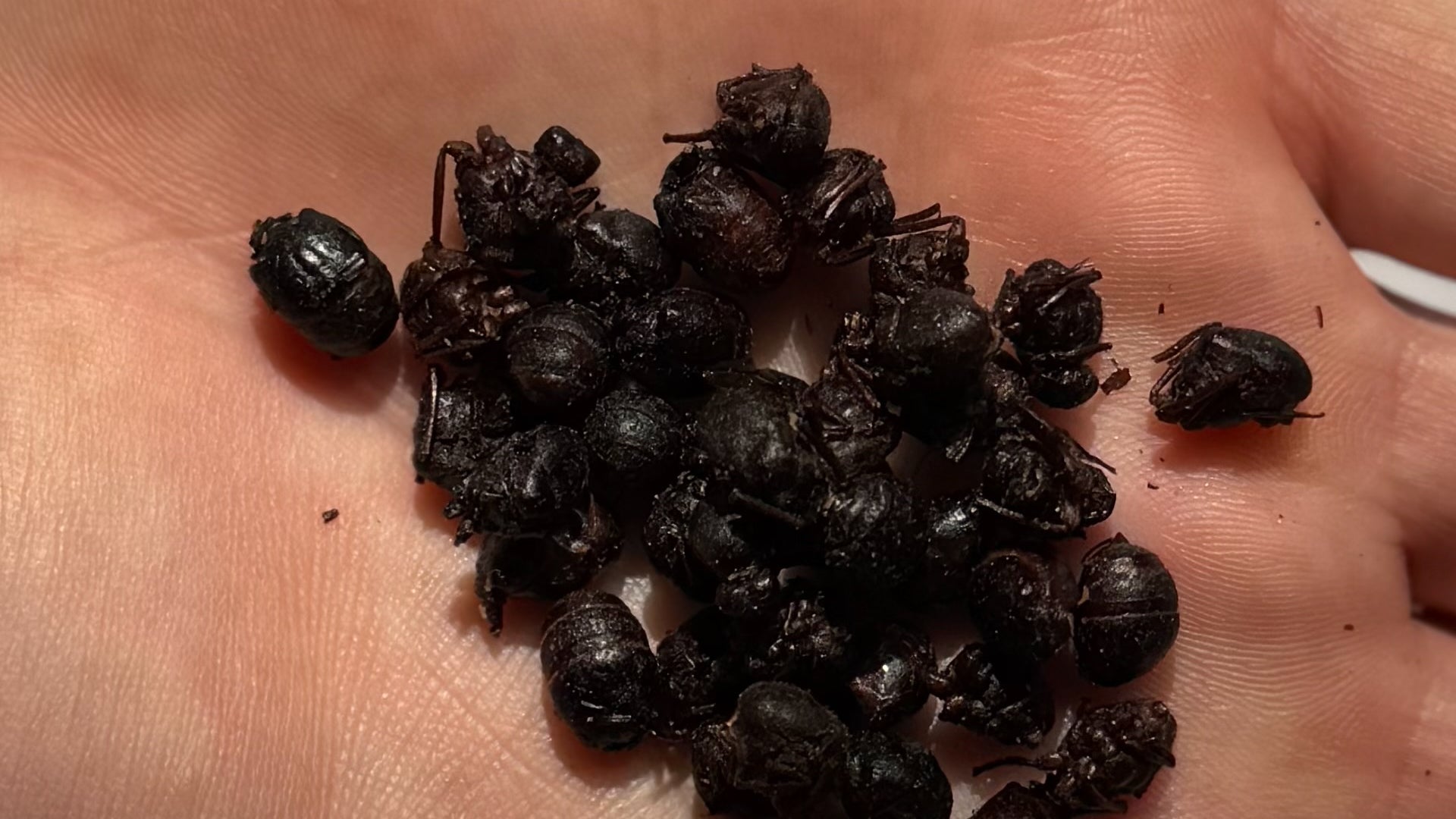
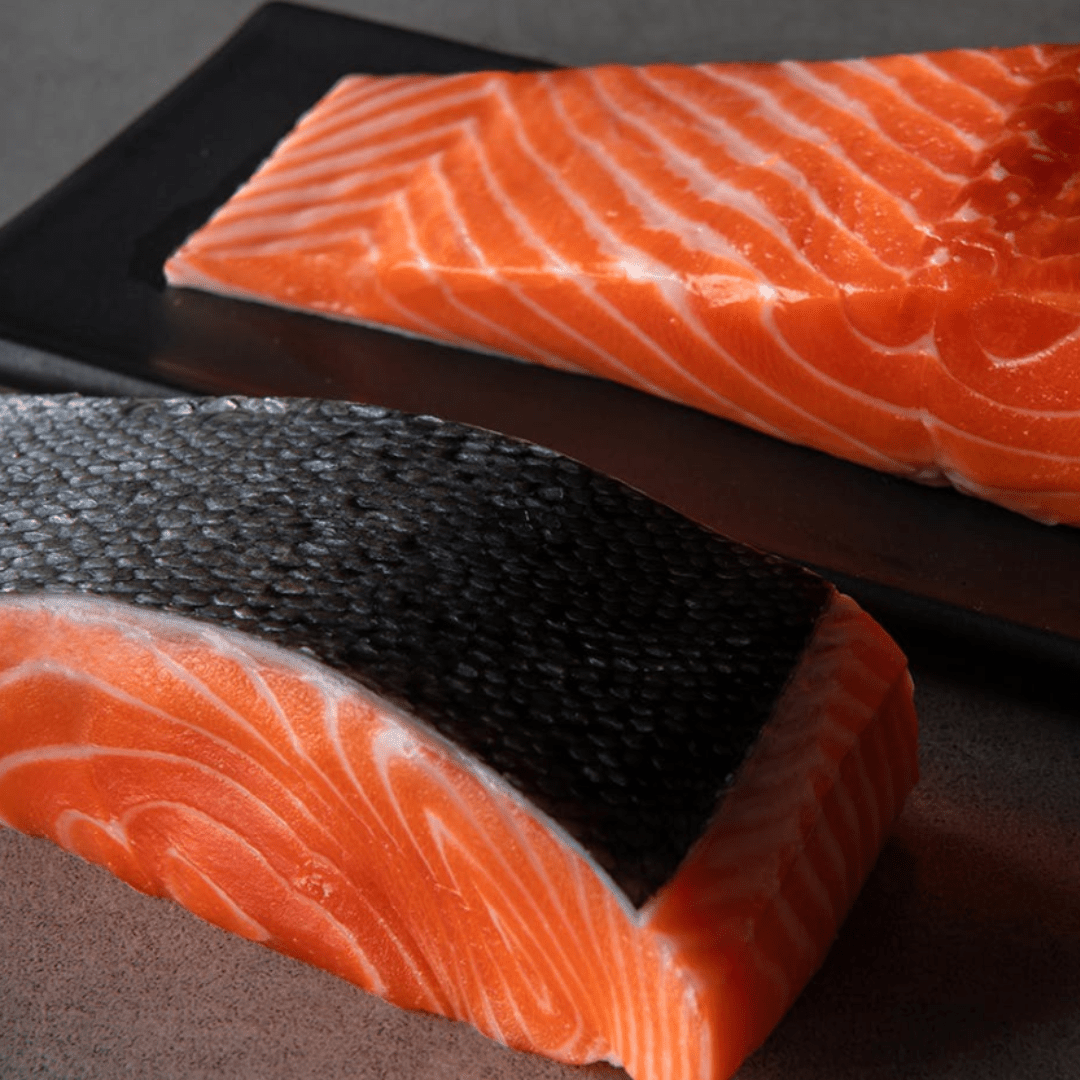
Introducing our latest creation: Insect-Cured Steelhead Sashimi
This daring dish combines Seatopia’s pristine, sashimi-grade steelhead with roasted Chicatana ants and coconut brown sugar, creating an earthy, nutty, and slightly smoky flavor that’s as haunting as it is delicious.
It’s a dish that bridges worlds — land and sea, ancient and modern, primal and innovative.
A ritual in taste and texture, honoring the small creatures that sustain the big picture.
From Fear to Function
Halloween may come once a year, but nature’s transformation is constant.
When we embrace what once seemed strange — bugs, algae, bacteria, regenerative farming — we reconnect with the quiet intelligence that runs through every ecosystem.
At Seatopia, our mission has always been to align seafood with that intelligence:
to feed fish what they were meant to eat, so that you can feed your body what it truly needs — clean protein, rich omegas, and peace of mind.
So this Halloween, don’t fear the creepy crawlies or the slimy greens.
Thank them. They’re the foundation of life itself — and they’re helping to build a cleaner, more balanced ocean, one regenerative bite at a time.
Explore the Recipe → Insect-Cured Steelhead Sashimi


Share:
Selenium: Nature’s Antidote to Mercury — And What It Tells Us About the Seafood We Evolved to Eat
Feed Your Blue Mind — The Ocean Within Us