



The Magic of Regenerative Scallops There’s a certain romance to scallops. Sweet, delicate, and clean-tasting—when prepared right, they don’t just melt in your mouth, they transport you. But behind that buttery sear, there's a story. And not all scallops are created equal.
Recently, Sir David Attenborough released a sobering documentary that exposed the harsh reality of bottom trawl fishing, particularly for wild-caught scallops. Massive steel nets dragged across the ocean floor destroy everything in their path—corals, ancient sponges, entire benthic ecosystems—just to capture a few prized shellfish. It's industrial extraction at its worst. And once you see it, you can’t unsee it.
That part of documentary film is hard to watch—and for good reason. It shows what many seafood lovers have never seen: massive steel gear dragged across fragile seafloor ecosystems, pulverizing everything in its path just to collect a few scallops. But to be clear, this isn’t about villainizing fishermen—it’s about shifting an outdated system that’s damaging our oceans, and pointing to better alternatives.
What’s Really Behind “Wild-Caught Scallops”?
In the U.S., most wild scallops are caught using a New Bedford-Style Dredge—a steel contraption designed to drag across the bottom of the ocean, disturbing the sediment with a “cutting bar” and scooping up scallops in a steel-ringed bag. It’s the standard gear for harvesting on Georges Bank and across the Mid-Atlantic, and it’s extremely efficient—at a high ecological cost.
But here’s what many people miss: Even Alaska Isn’t Exempt
While Alaskan fisheries are often praised for their sustainability—and in many cases, rightfully so—the "weathervane" scallop fishery there is still a bottom trawl dredge fishery. The gear may look slightly different, but the effect is the same: it disrupts benthic habitats, harms delicate seafloor communities, and disturbs species that take decades to recover.
Despite low reported bycatch and tighter quotas, the practice is still fundamentally extractive. Just because it happens in Alaska doesn’t make it benign.
For consumers, this can be confusing. “Alaska” is practically a brand in itself—synonymous with clean water, pristine nature, and responsible harvest. But that image can mask the truth about specific fisheries. Scallops from Alaska? Still dredged. Still destructive.
Regenerative Scallops Are a Different Story Entirely
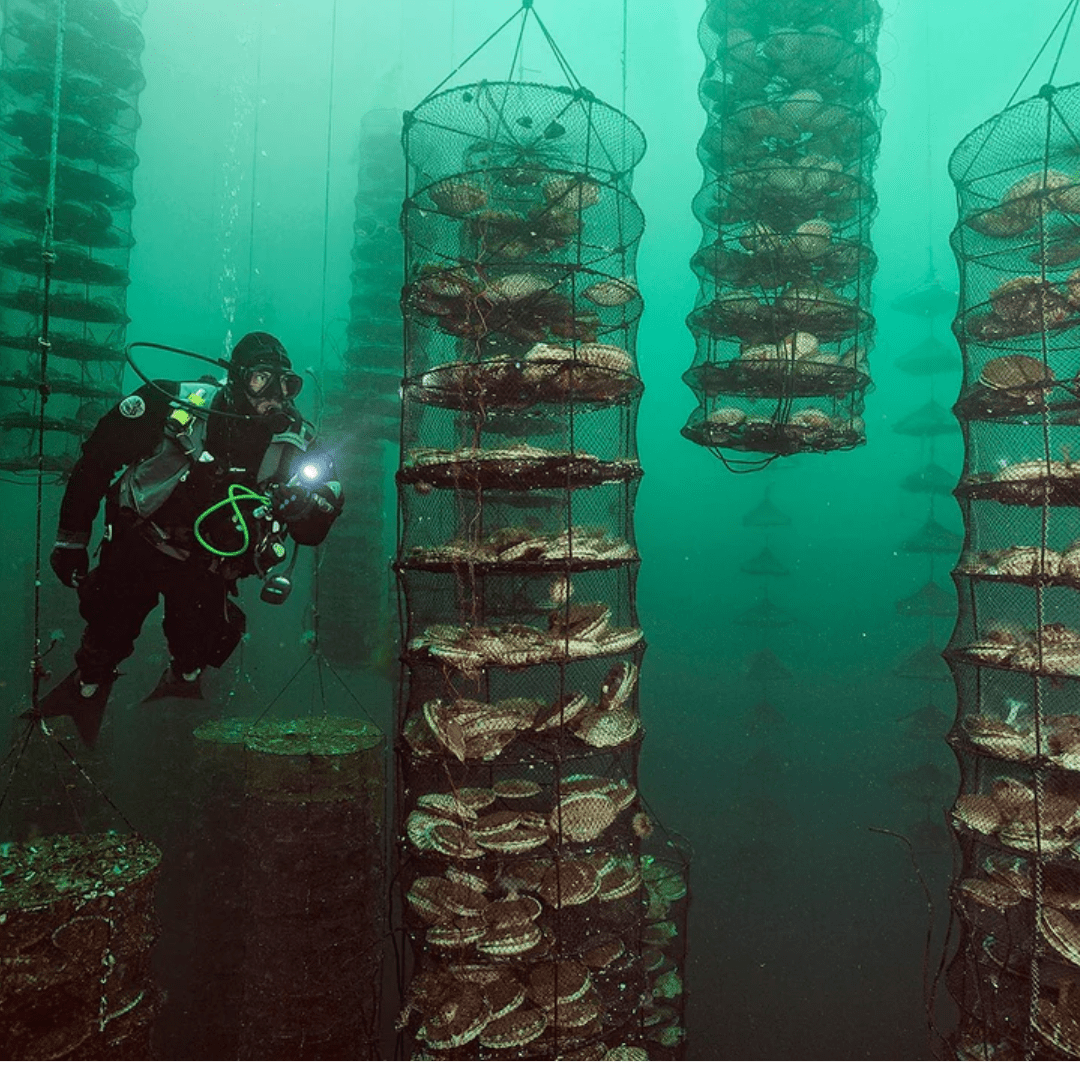
At Seatopia, we source regeneratively farmed scallops from northern Peru, where they grow naturally on suspended lines in clean, open water—no bottom contact, no habitat destruction, and no industrial extraction. These filter-feeding bivalves improve water clarity, support nutrient cycling, and even contribute to carbon sequestration.
Think of it less like a farm, and more like a living reef system—part of a multi-trophic model where shellfish and seaweed work together to support biodiversity and ocean health.
And yes—they’re as delicious as they are restorative. Clean, buttery, sashimi-grade scallops that reflect the pristine ecosystems they help support.
A Scallop Worth Celebrating
The scallops we offer at Seatopia come from a regenerative farm off the coast of northern Peru. They're not ripped from the seafloor. They're grown on suspended lines in pristine waters—no bycatch, no habitat destruction, no dredging.

Even more than being a “low-impact” method, this style of aquaculture is actually restorative. These bivalves naturally filter the ocean, helping to remove excess nutrients, improve water clarity, and support biodiversity. In short: they clean the water they live in.

Paired with mussels, oysters, and seaweed, these farms operate more like reef ecosystems than industrial seafood systems. They're models of what aquaculture can and should be.

We’ve Seen the Data—and the Taste Speaks for Itself
Peer-reviewed studies continue to confirm what we’ve seen firsthand:
-
Shellfish aquaculture plays a powerful role in nutrient cycling, habitat creation, and carbon capture.
-
Regenerative farms don’t just “sustain”—they heal.
-
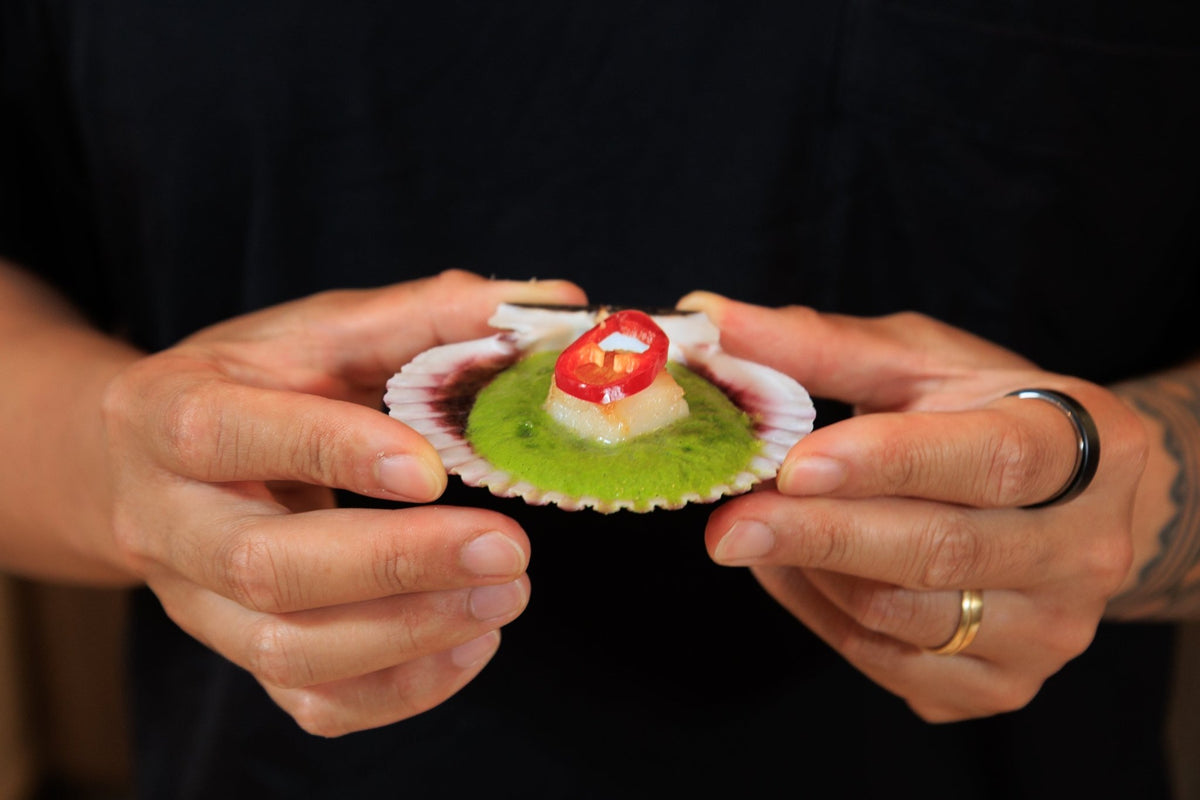
And the scallops? Sweet, clean, and buttery-soft. They're a favorite for raw crudo, quick sears, or simply eaten right out of the shell with a squeeze of citrus.
This is seafood that tastes like the ocean it came from—and leaves that ocean better than it found it.

It's like having a mini underwater wonderland right on your plate! Research studies have delved into the enchanting realm of shellfish farming, revealing the immense benefits that these aquaculture practices bring.
Let's take a closer look at the findings:
- "Ecosystem Services Provided by Shellfish Aquaculture": This sizzling study showcases the remarkable ecosystem services offered by shellfish aquaculture, including nutrient removal, combatting eutrophication, and the creation of habitats that support diverse marine life. The underwater world thanks these shellfish superheroes!
- "Environmental Benefits of Bivalve Shellfish Aquaculture": Delve into the luscious details of this captivating study, which highlights the environmental advantages of bivalve shellfish aquaculture. Discover how these farms contribute to nutrient cycling, maintain healthy water bodies, and promote thriving habitats for various organisms.
- "Environmental Impacts of Oyster Farming in Chesapeake Bay": Dive into the research conducted by the University of Maryland Center for Environmental Science as it unveils the positive effects of oyster farming on water quality, sediment stabilization, and biodiversity enhancement. These oyster farms are true stewards of the sea.
- "Shellfish Aquaculture as a Nature-Based Solution: A Global Synthesis": Immerse yourself in the pages of this enchanting research, which provides a global perspective on the environmental benefits of shellfish aquaculture. Explore the significant roles played by scallop farms, such as carbon sequestration and shoreline protection, as they contribute to a healthier planet.
WHY DOES THIS MATTER?
By contrast, Bottom Trawl fishing for wild scallops is racking the sea floor with devastating effects on ecosystems. Sadly other companies are still sending massive bottom trawlers to plunder sea life. To halt the destruction of these unique part of the world, we must decide to create new solution and protect our oceans once and for all – before it is too late!
We Don’t Need More Awareness—We Need More Action
Yes, it’s a win that more people are waking up to the environmental cost of wild scallops. But awareness isn’t enough. We need to shift demand—away from extractive fishing practices, and toward regenerative models that work with nature, not against it.

That’s why Seatopia exists. To help build a better system. To connect conscious eaters with clean, truly sustainable seafood. And to support farms that are part of the solution.
Want to See What a Regenerative Scallop Farm Looks Like?
We invite you to meet our farm partners in Peru—click here for the full story.
And if you’re ready to taste the difference, join us. Every order of regenerative scallops supports this vital work, helping to shift the seafood supply chain from destruction to regeneration.
—
Clean. Delicious. Restorative. This is what seafood should be.

VOTE WITH YOUR FORK! Buy Regenerative Farmed Scallops!
As you relish each delectable bite, celebrate the extraordinary benefits that scallop farming brings to your plate and the depths of the ocean. Join us in this quest to protect and preserve our seas. Let's savor the flavors, embrace sustainability, and make a positive impact—one delectable scallop at a time!


When you subscribe to Seatopia you are supporting regenerative artisan aquaculture and helping restore our oceans.


Share:
Restorative Mangrove Shrimp? Black Tiger Shrimp Farms Regenerating Mangrove Forests
Lessons from Dan Barber: How Sustainable Farming Can Transform Our Food System