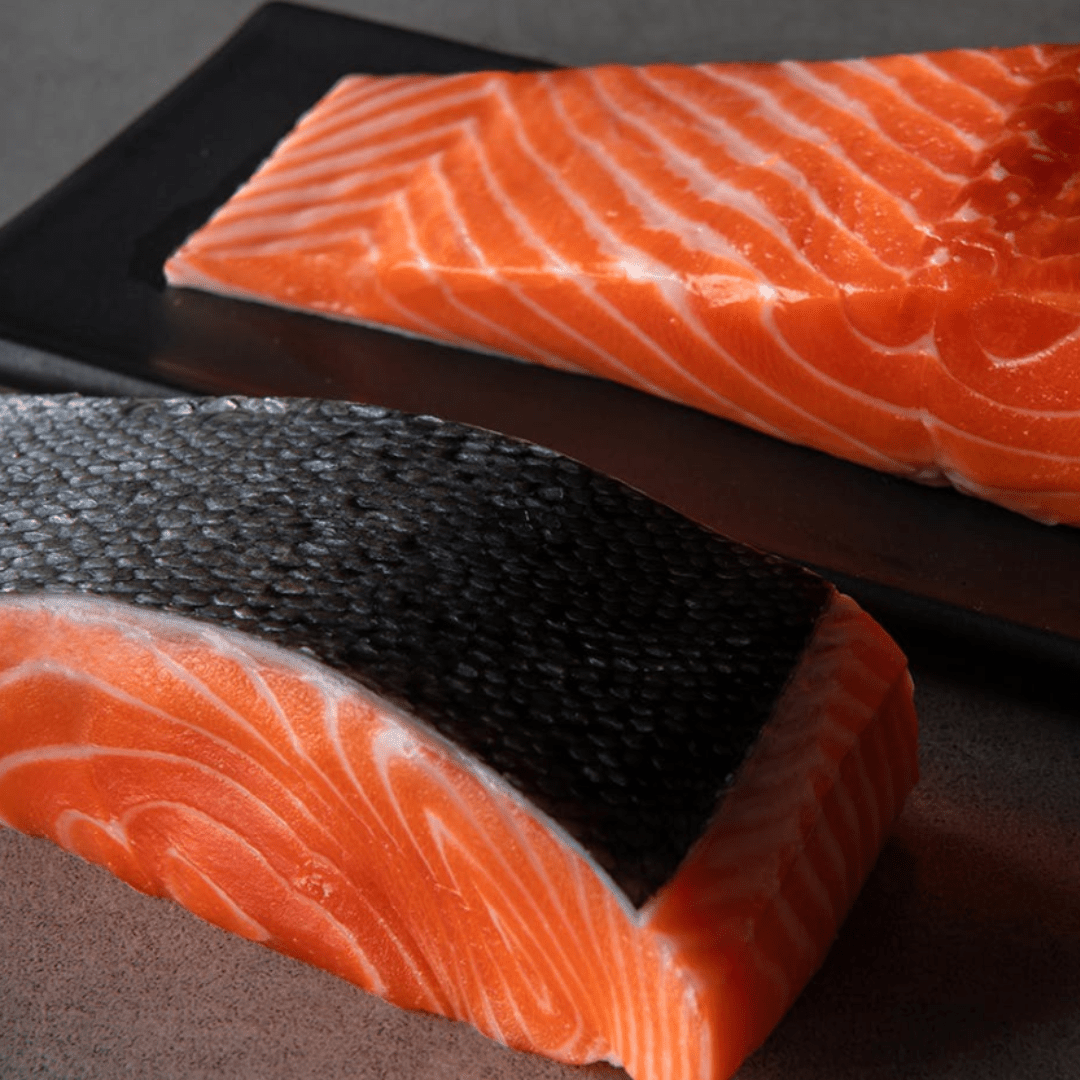
Atlantic Salmon farmed with precision, purity, and pride
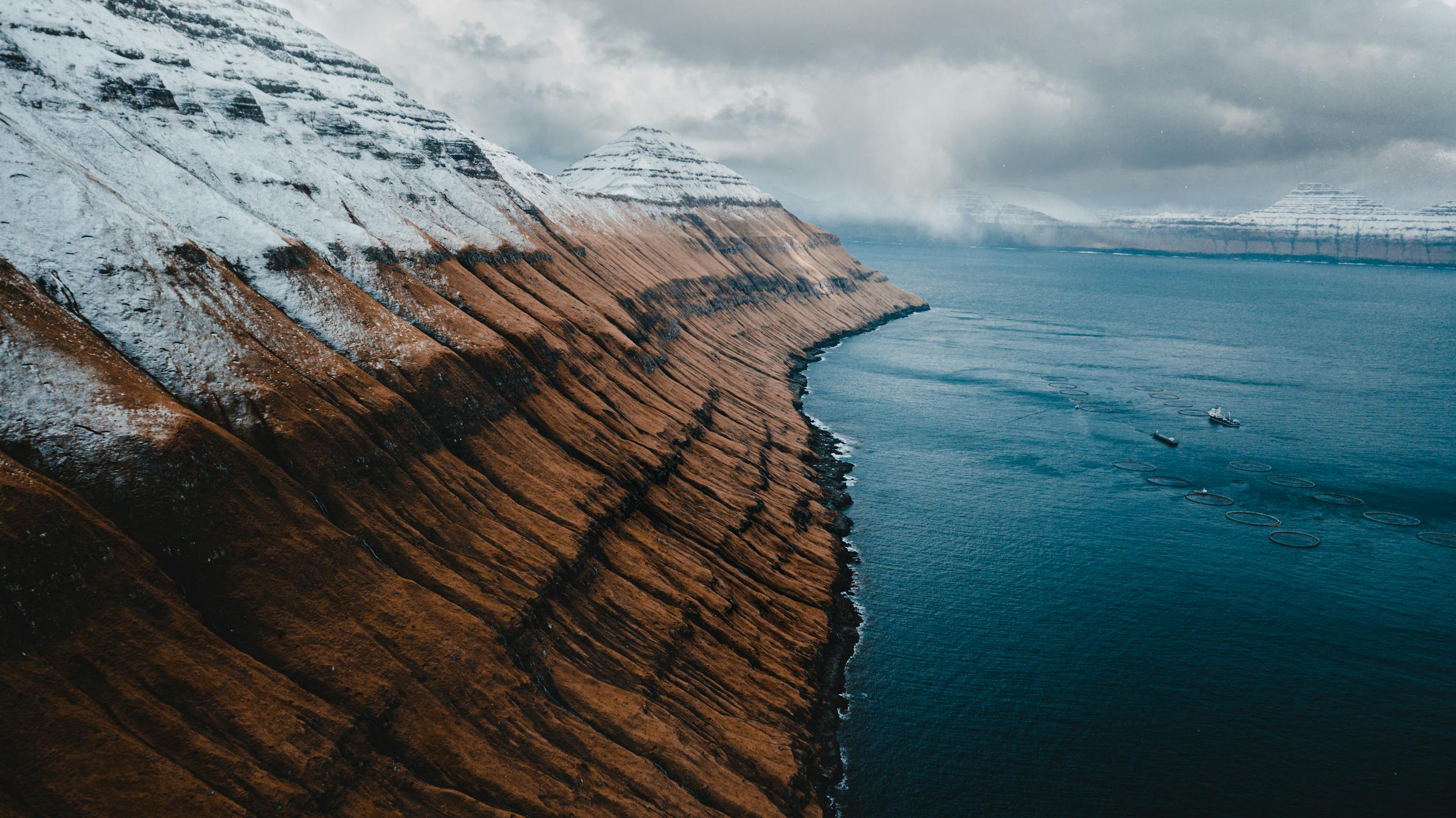
Salmon from Bakkafrost are raised in the rugged, icy waters of the Faroe Islands - a place where steep cliffs meet the roaring North Atlantic and cold, clean currents provide the perfect conditions for strong, healthy fish. Here, salmon grow slowly, naturally, and sustainably. With complete vertical integration, Bakkafrost controls every step of the process, from feed to harvest, ensuring exceptional quality and environmental care. The result is Atlantic salmon with rich marbling, pure flavor, and a powerful nutritional profile. Celebrated for its impeccable fat content and clean taste, Salmon from Bakkafrost reflects the precision, purity, and pride of its origin.
Deep fjords, volcanic rock, rich currents
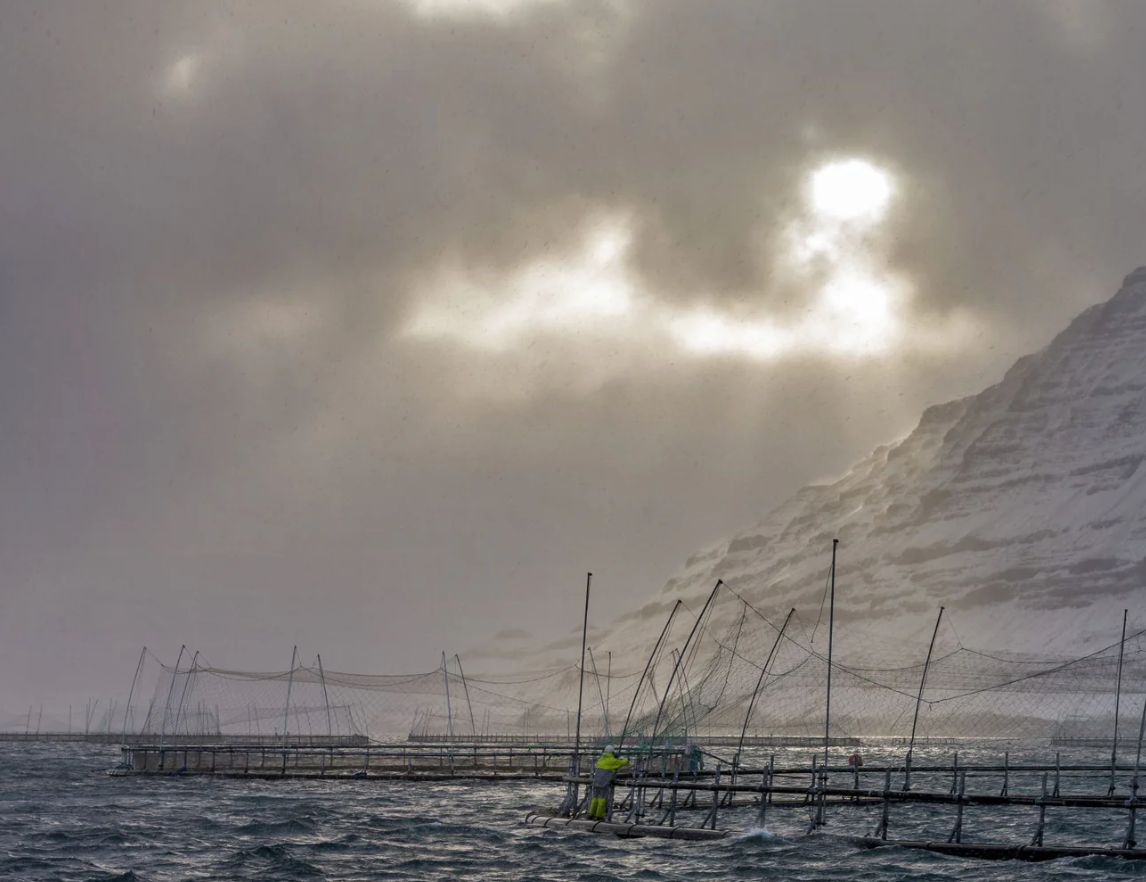
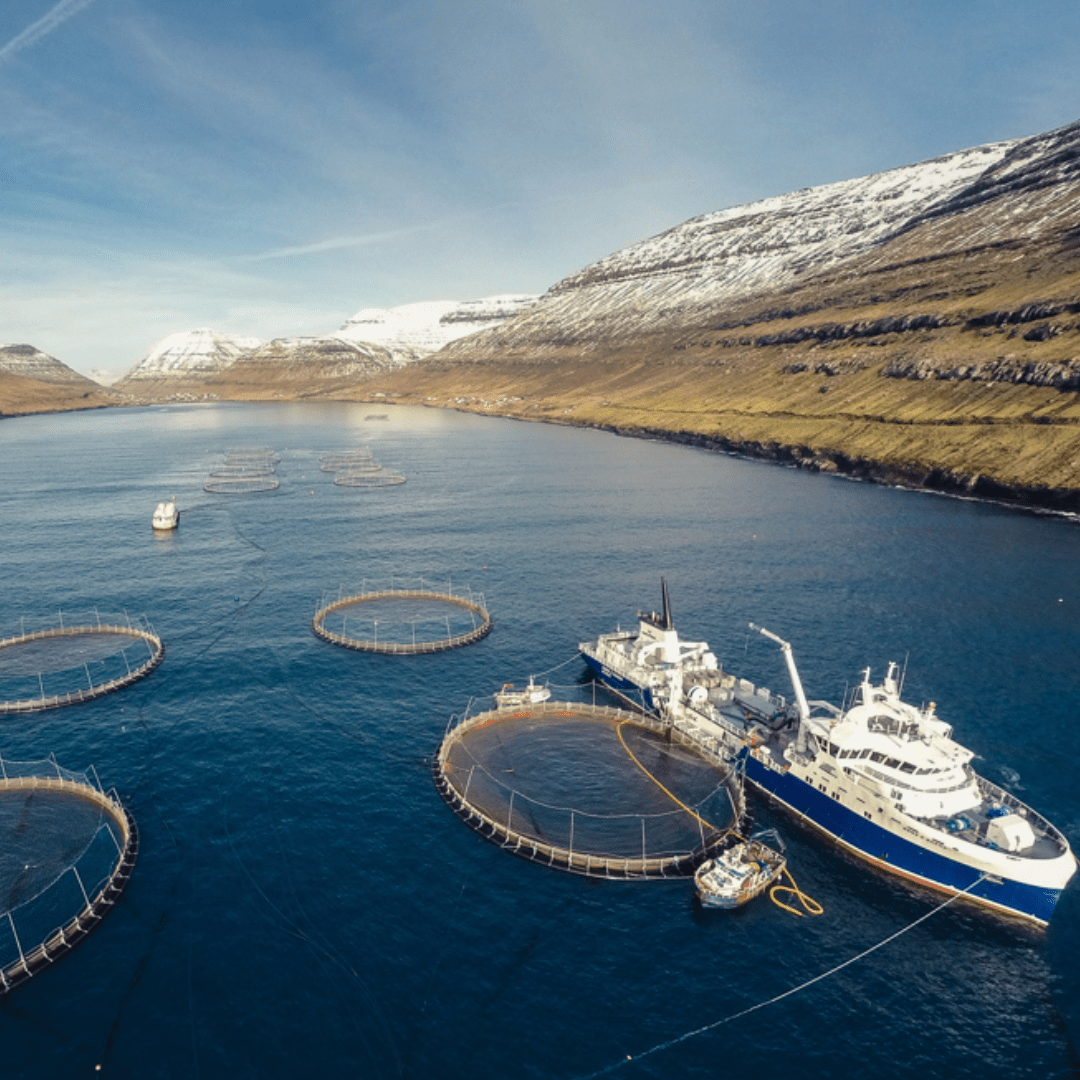
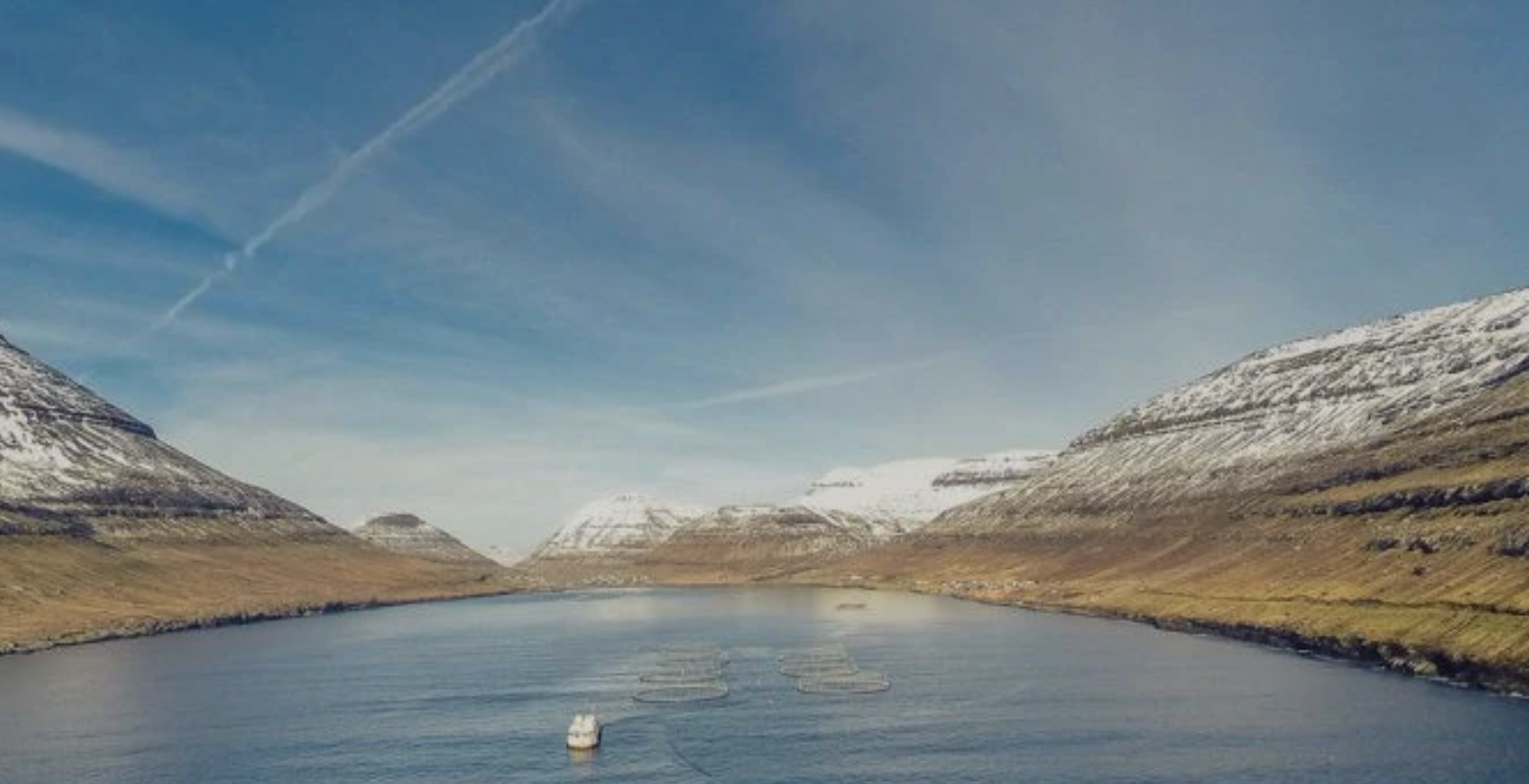
Bakkafrost operates across the remote archipelago of the Faroe Islands, halfway between Iceland and Norway, where deep fjords carve into volcanic rock and the ocean surges with oxygen-rich current. These waters are cold year-round, naturally reducing the need for antibiotics and supporting slower, healthier growth rates in the salmon. The geographic isolation of the Faroe Islands - free from many of the pathogens found elsewhere - creates an ideal biosecure farming environment. Farming sites like Funningsfjørður are among the most carefully managed aquaculture systems in the world, drawing on centuries of local maritime knowledge.
Founded by visionaries
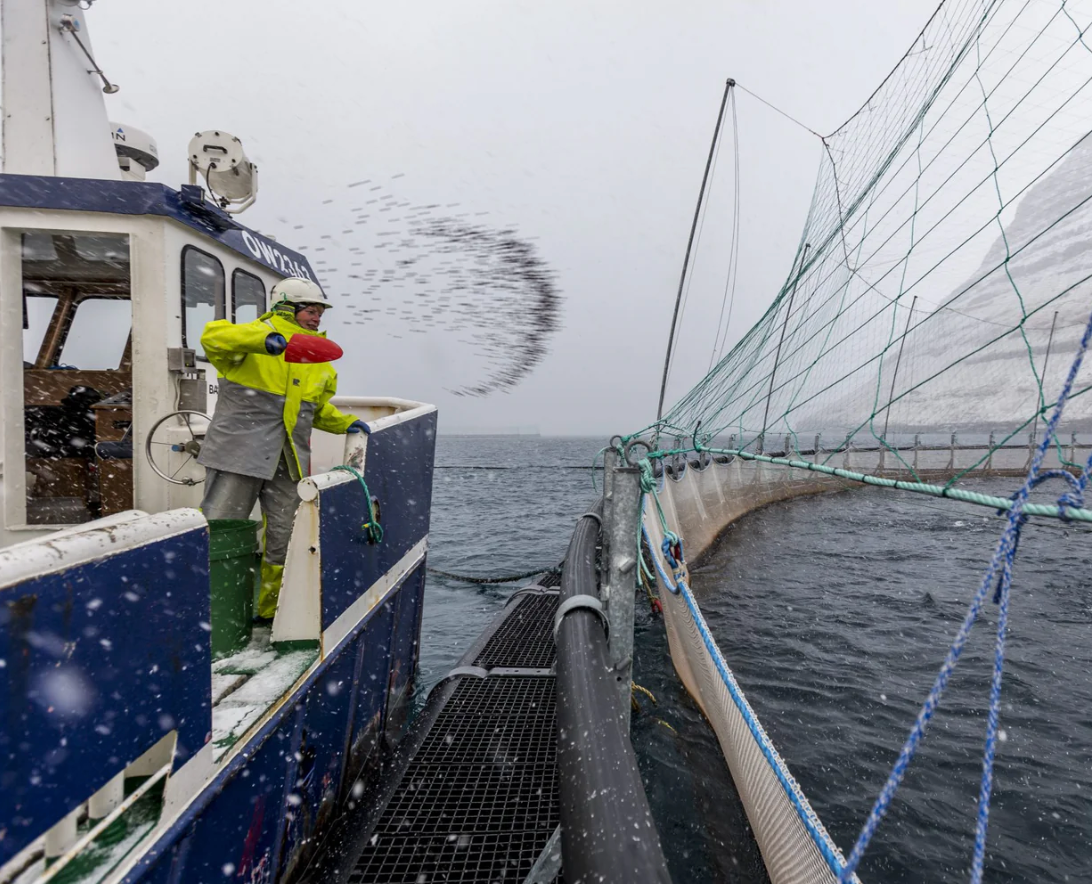
Bakkafrost was founded by Faroese visionaries who saw an opportunity to honor their islands’ fishing heritage through responsible, modern aquaculture. Today, the company is still rooted in the local community, employing generations of Faroese families who have lived by and with the sea. Every fish raised here reflects the discipline and care of these farmers - people who know their fjords intimately and bring a deep respect for the ocean into their work. From hatchery to harvest, their hands shape a salmon that reflects their values: transparency, traceability, and trust in nature.
from Bakkafrost
Atlantic Salmon (Salmo salar)
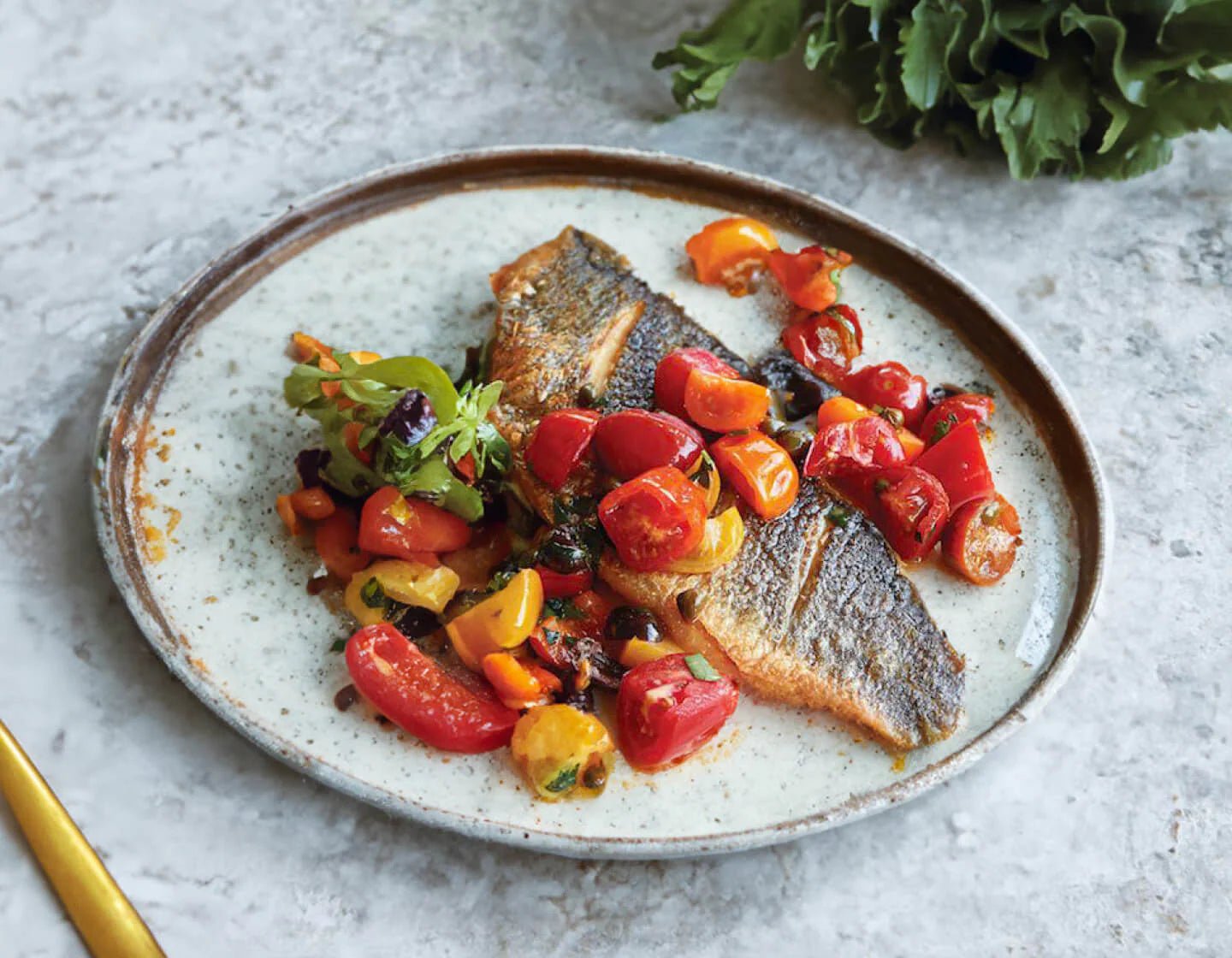
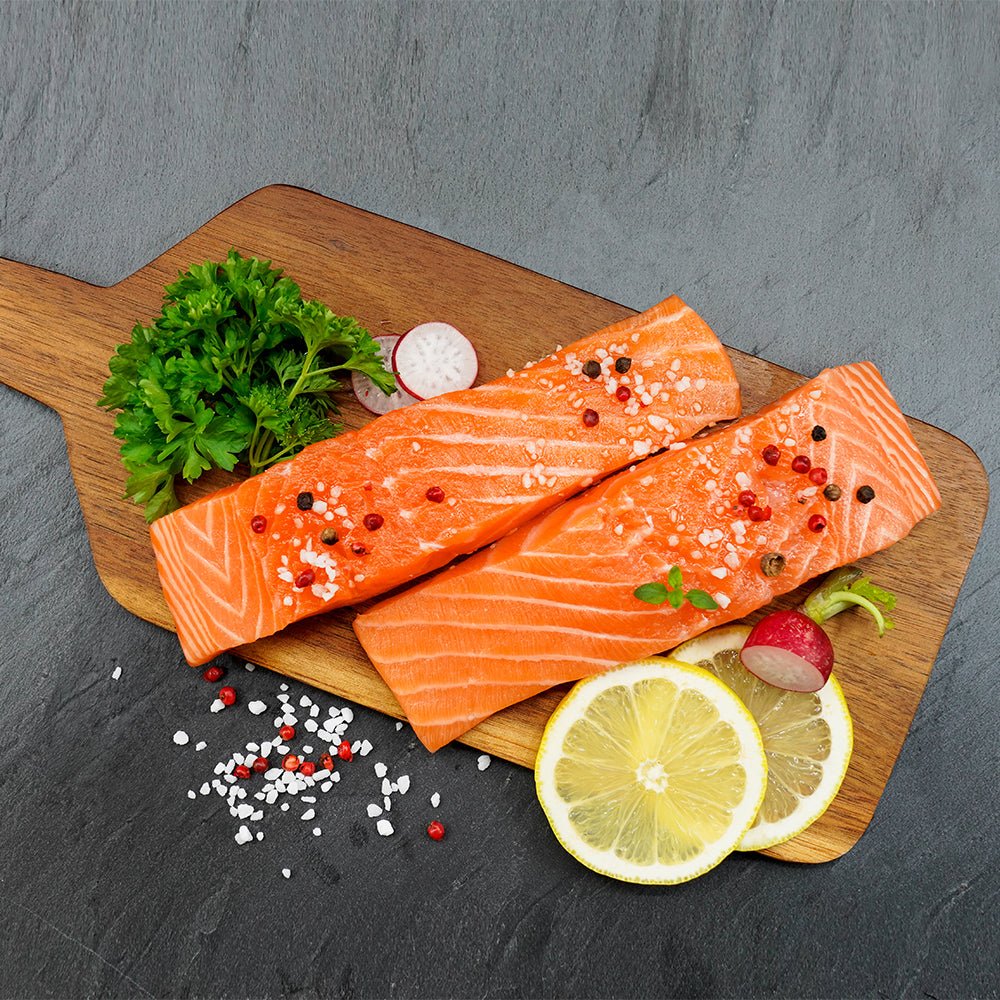
Bakkafrost raises Salmo salar, the Atlantic salmon - renowned for its firm texture, mild flavor, and rich content of omega-3 fatty acids (EPA and DHA). This species is exceptionally well suited to the cold, fast-moving waters of the North Atlantic, where it builds muscle slowly and naturally, producing excellent marbling and fat distribution. Bakkafrost’s salmon is consistently praised by chefs for its versatility - grilled, raw, smoked, or roasted- and its elevated nutritional profile.

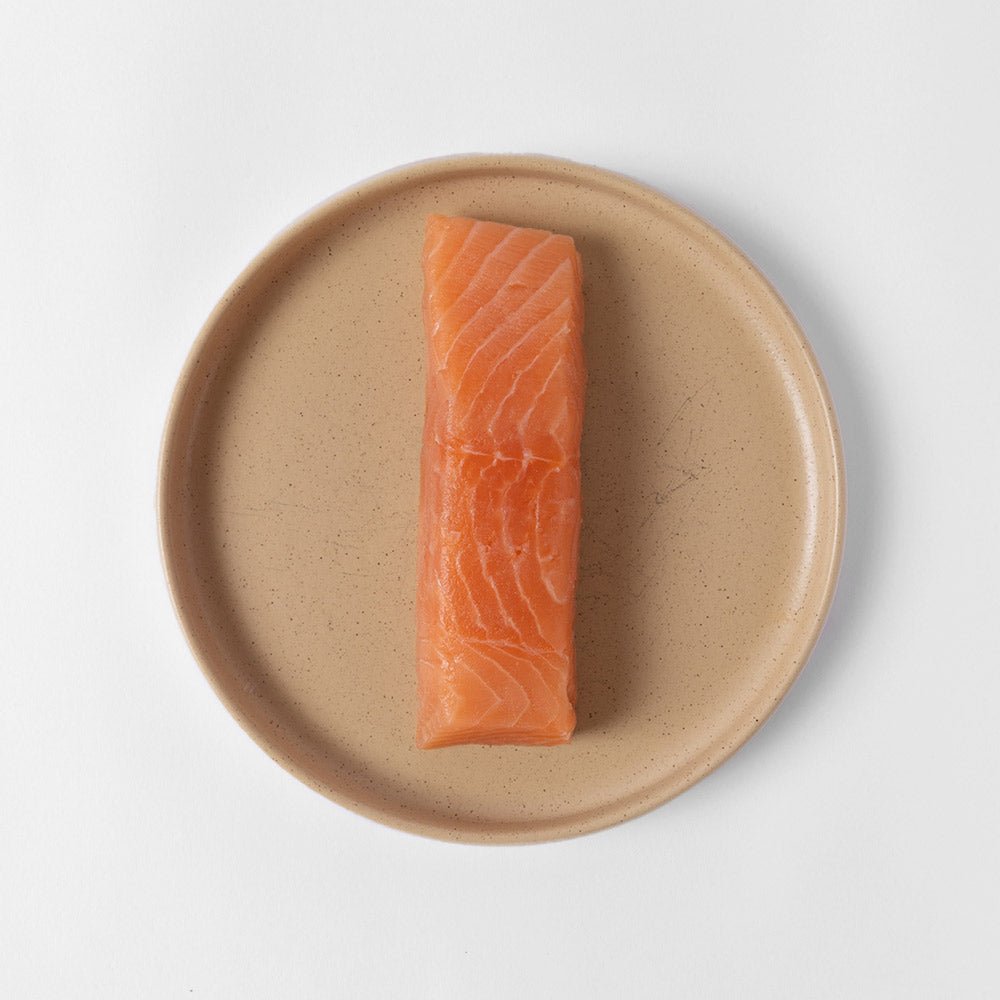
A buttery well marbled classic - ideal for everyday
What do the fish eat? - Fish feed FAQ
Feed is the single biggest factor in how clean and how nutritious a fish is. A fish is built from what it eats, which means the feed decides its omega-3s, its mineral profile, and how much mercury or microplastic it carries. That's why we treat feed as a sourcing requirement rather than a farm detail, and why every farm we work with has to tell us exactly what goes into the pellet.
Feed varies by farm, by species, and by stage of growth. The ingredients and the rules below hold across all of them.
What can be in it?
Algae oil:
The original source of EPA and DHA omega-3s. Fish don't make omega-3s, they accumulate them from what they eat. Algae is where those fats come from in the ocean too.
Marine ingredients (fishmeal, fish oil):
Protein and fats in the form fish evolved to digest. We work to reduce this share over time, not eliminate the nutrition it provides. A large amount of marine ingredients already come from offcuts, meaning parts of fish that are not suitable for human consumption, and so reducing ocean impact further.
Plant proteins (soy, pea, barley, corn, pistachio):
Non-GMO, high-protein, highly digestible. Replaces wild-caught protein without issues for the fish, reducing ocean impact.
Amino acids and minerals:
Fills the specific nutritional gaps plant proteins leave, so nothing is missing from the diet.
Astaxanthin:
A naturally occurring carotenoid, the same one found in kelp, krill and shellfish. It's an antioxidant for the fish and the reason salmon flesh is pink.
What's never in it?
Preventative antibiotics, hormones, GMOs, synthetic colouring agents.
Why is there plant protein in fish feed?
Because the alternative is more wild fish. Aquaculture used to run almost entirely on fishmeal and fish oil, which meant catching enormous volumes of small wild fish to grow larger ones. Swapping part of that for high-protein plants takes pressure off those wild stocks while still giving the fish bioavailable protein.
There's a second reason: wild fish carry what the ocean carries. Less wild fish in the feed means less mercury, fewer microplastics and lower parasite risk arriving in your fillet. A controlled diet is what makes a clean fish possible.
Are the fish dyed?
No. Post-harvest colouring agents are prohibited across everything we sell. Colour comes from astaxanthin in the feed, a natural carotenoid found in kelp, krill and shellfish. Wild salmon get their colour the same way. So do flamingos.
Lab tested to ensure it meet's the Seatopia Standard
What sets Bakkafrost apart is its full control over the feed supply chain. The company produces its own fishmeal and fish oil from certified sustainable fisheries—using off-cuts and low-value species not destined for human consumption. These are then processed at Bakkafrost’s own facility, where the fish oil undergoes purification to remove environmental pollutants like dioxins and PCBs, resulting in a feed that is exceptionally clean and nutrient-dense. This in-house production ensures a consistent, natural marine-based diet. The result is a high Feed Conversion Ratio, enhanced sustainability, and salmon raised to be exceptional in both health and flavor.